
Groundhog vs Beaver: Key Differences in Appearance, Habitat, Behavior, and Lifestyle
Quick Facts
Groundhog Scientific Name: Marmota monax
Beaver Scientific Name: Castor canadensis
Groundhog Family: Squirrel Family (Sciuridae)
Beaver Family: Beaver Family (Castoridae)
Main Habitat Difference: Groundhogs live in burrows on land; beavers live near water
Most Obvious Identification Feature: Beaver’s flattened tail vs groundhog’s short furry tail
Groundhog vs Beaver Introduction
Groundhogs and beavers are two of North America’s most recognizable mammals, yet they are frequently confused by people who encounter them in the wild. Both species possess stocky bodies, brown fur, and powerful teeth, creating a somewhat similar appearance at first glance. However, closer observation reveals that these animals belong to entirely different groups and have evolved for very different lifestyles.
The groundhog (Marmota monax) occurs throughout much of the United States, southern Canada, and parts of Alaska. It is a large member of the squirrel family and spends most of its life on land. The beaver (Castor canadensis) occupies a similarly broad range across North America but is strongly associated with rivers, ponds, wetlands, and other freshwater environments.
Although both species are rodents, they have developed unique physical characteristics that reflect their environments. Groundhogs are built for digging and living underground, while beavers are specialized for swimming, tree cutting, and aquatic construction projects. These differences become increasingly obvious when viewed in their natural settings.
Understanding the distinctions between groundhogs and beavers helps wildlife observers identify them accurately. By examining body shape, habitat use, behavior, and lifestyle, it becomes easy to separate these two well-known North American mammals.
Physical Differences Between Groundhogs and Beavers
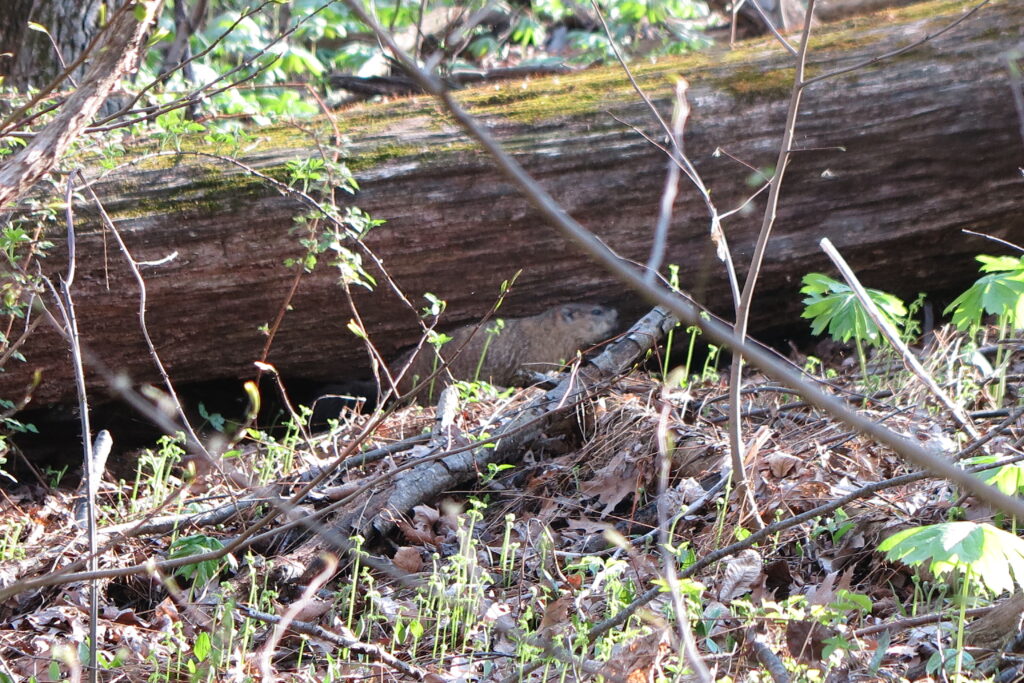
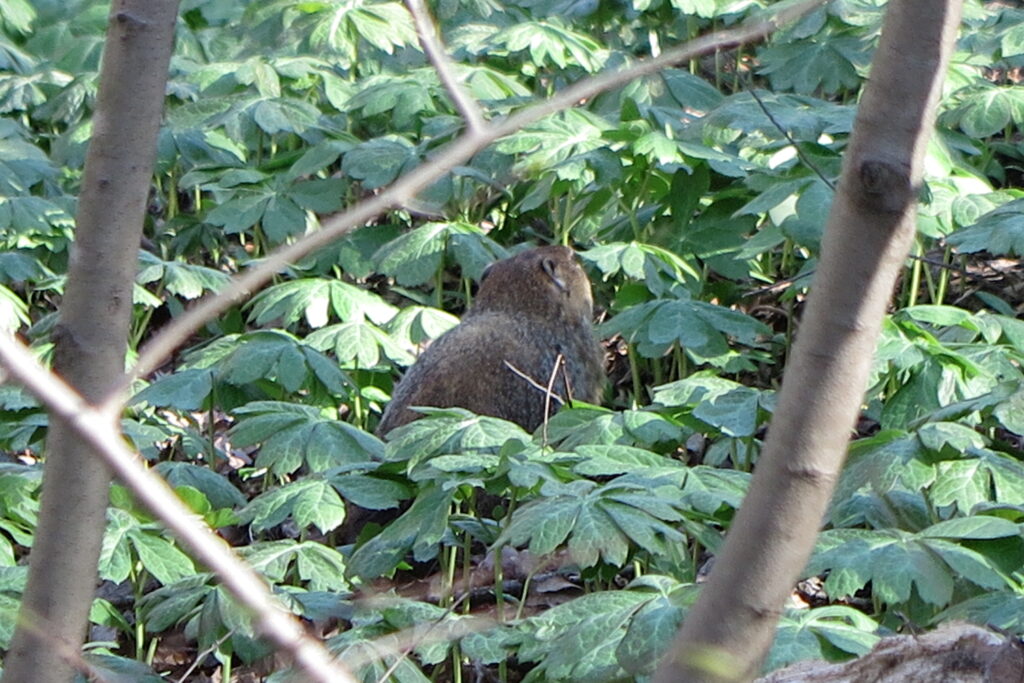
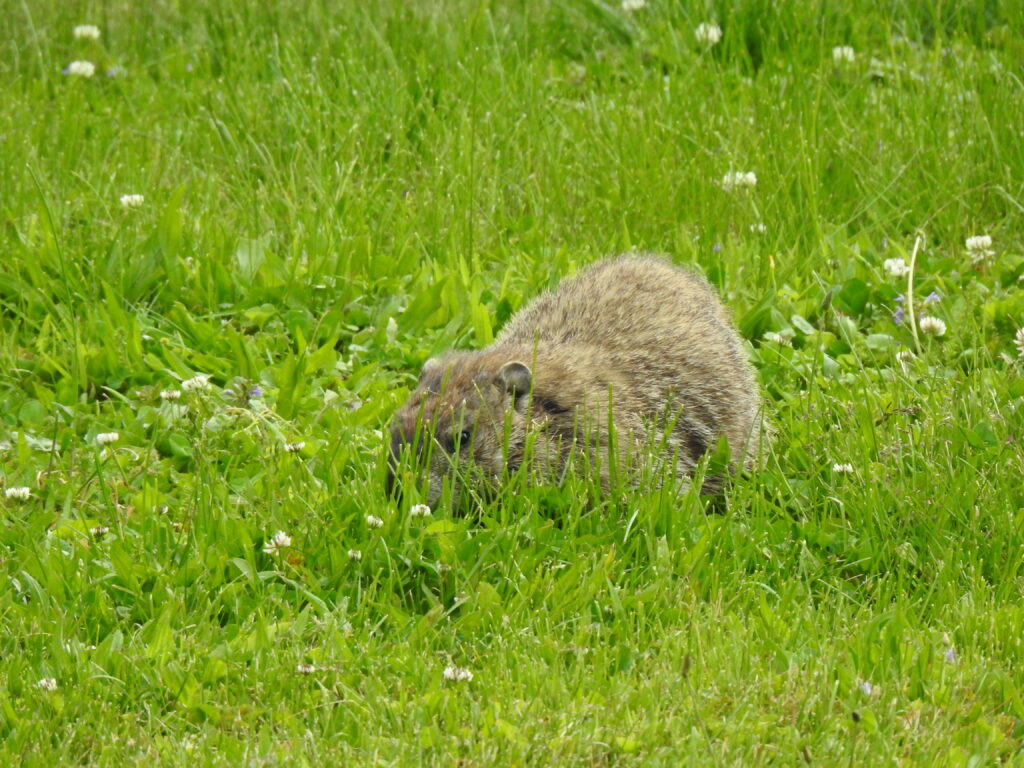
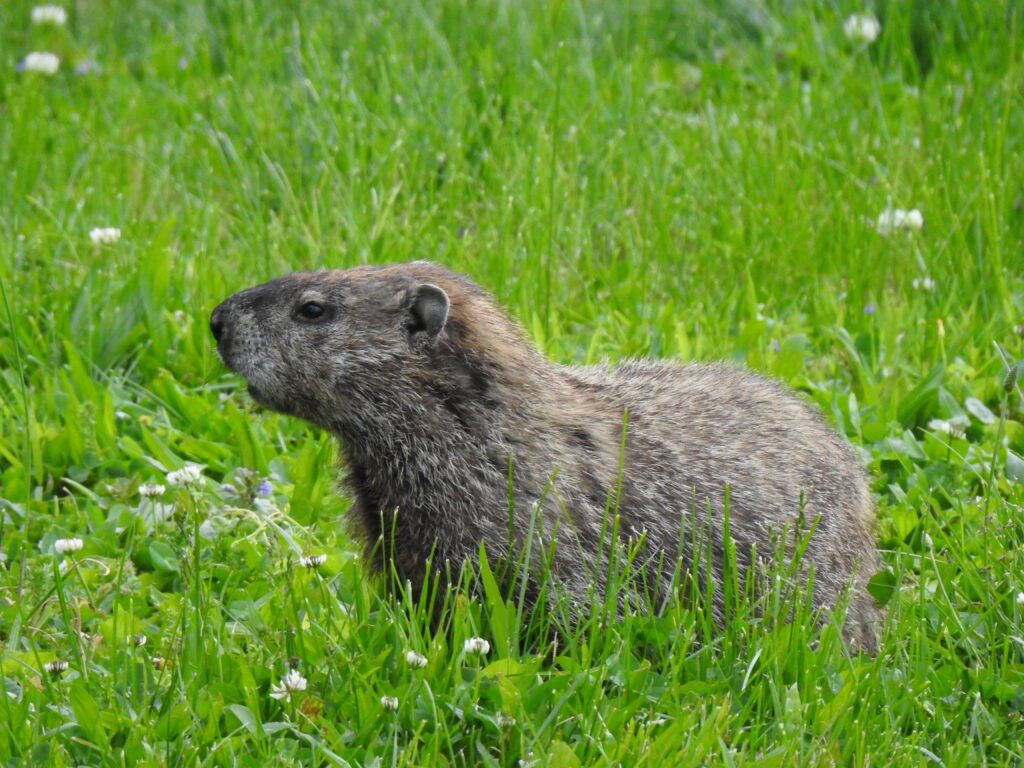
Body shape is often the first clue when distinguishing these animals. Groundhogs possess a compact, barrel-shaped body with relatively short legs and a rounded appearance. Beavers are generally larger and heavier, with a broader body designed to support a semi-aquatic lifestyle.
The tail provides the easiest identification feature. A groundhog has a short, furry tail that typically measures only a few inches long. A beaver possesses a wide, flattened tail covered with scales, creating one of the most recognizable characteristics in North American wildlife.
Head shape also differs considerably. Groundhogs have a broad, rounded head with small ears and a relatively short muzzle. Beavers display a larger head, a longer facial profile, and nostrils adapted for spending time in water. These differences become especially noticeable during close observation.
Fur texture varies as well. Groundhog fur often appears coarse and grizzled, containing mixtures of brown, gray, and black tones. Beaver fur is typically denser and more water-resistant, helping maintain insulation during extended periods in cold water.
Size can occasionally create confusion because both species are substantial rodents. Adult groundhogs commonly weigh between 5 and 14 pounds, while beavers frequently exceed 30 pounds and can weigh more than 60 pounds in some regions. A large beaver often appears dramatically larger than even the biggest groundhog.
Habitat and Lifestyle Comparison
Groundhogs and beavers occupy very different environments despite sharing portions of the same geographic range. Groundhogs are most commonly found in fields, meadows, forest edges, farmland, and suburban green spaces. Their lifestyle revolves around underground burrow systems excavated into suitable soil.
Beavers depend heavily on freshwater environments. Rivers, streams, lakes, marshes, and ponds provide the aquatic habitat necessary for survival. Water serves as transportation, protection, and access to food resources throughout the year.
Burrow construction represents another major distinction. Groundhogs create extensive underground tunnel systems containing multiple chambers and entrances. These burrows provide shelter, breeding sites, and winter hibernation locations.
Beavers construct lodges rather than traditional burrows in many areas. These structures consist of sticks, branches, mud, and vegetation arranged into dome-shaped shelters. Some populations also utilize bank dens excavated into streambanks, but water remains a central feature of the living space.
Landscape modification differs dramatically between the two species. Groundhogs alter environments primarily through digging activities. Beavers are ecosystem engineers capable of transforming entire waterways by building dams, creating ponds, and influencing water flow patterns across large areas.
Groundhog vs Beaver Behavior and Ecological Role
Daily activities highlight additional differences between these mammals. Groundhogs spend much of their active season feeding, maintaining burrows, and monitoring their surroundings. They are most often observed on land and generally remain close to their tunnel systems.
Beavers spend a significant portion of their lives in or near water. Swimming, transporting branches, repairing dams, and maintaining lodges are routine activities. Their movements are closely connected to aquatic environments and water-based infrastructure.
Social structure also differs substantially. Groundhogs are generally solitary animals outside of breeding periods and family groups. Adult individuals often maintain separate territories and interact relatively little with other adults.
Beavers are highly social compared to groundhogs. Family groups frequently live together within the same lodge and cooperate in maintaining dams and shelters. Multiple generations may occupy the same territory, creating a level of social organization not typically observed in groundhogs.
Their ecological roles reflect these contrasting lifestyles. Groundhogs contribute to ecosystems through soil disturbance, burrow creation, and food-web interactions. Beavers influence entire watersheds by creating wetlands that benefit fish, amphibians, birds, mammals, and countless other organisms.
When viewed side by side, the differences become clear. Groundhogs are land-dwelling burrowing rodents adapted for life in open landscapes, while beavers are semi-aquatic engineers built for shaping freshwater ecosystems. Although they may appear similar from a distance, their physical traits, habitats, behaviors, and environmental impacts make them two of North America’s most distinctive mammals.
Popular Searches About Groundhogs
Explore Groundhog Guide
Explore More Wildlife

Support Encounters World
Help support wildlife photography and get behind the scenes discoveries on Patreon.