
Groundhog Ecosystem Role Guide: Why Groundhogs Matter in Nature
Quick Facts
Ecological Role: Ecosystem engineer and herbivore
Food Web Position: Primary consumer and prey species
Main Environmental Contribution: Soil modification through burrowing
Burrow Benefit: Provides shelter for other wildlife
Ecosystem Impact Level: Moderate to significant in local habitats
Wildlife Supported: Mammals, reptiles, amphibians, birds, and invertebrates
Groundhog Ecosystem Role Introduction
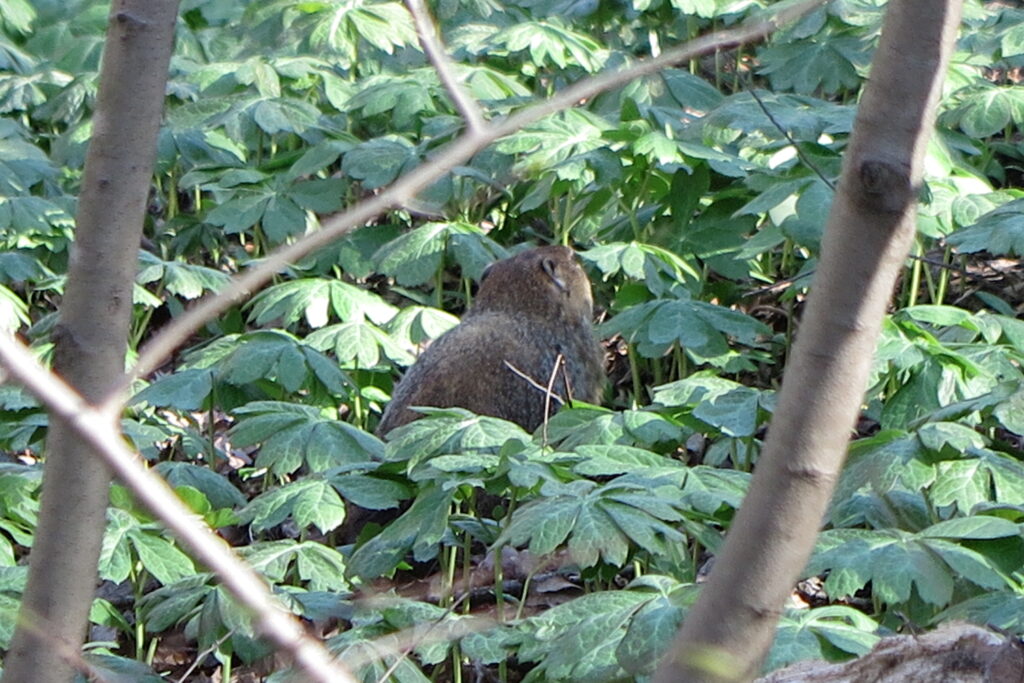
The groundhog (Marmota monax), also known as the woodchuck, is a familiar mammal found throughout much of the United States, southern Canada, and parts of Alaska. While many people recognize the species for its burrows and seasonal appearances, its ecological importance often goes unnoticed. Beyond being a common resident of fields and open landscapes, the groundhog plays several valuable roles within North American ecosystems.
Every species contributes to the environments it occupies, and groundhogs are no exception. Their activities influence soil conditions, provide opportunities for other wildlife, and help maintain connections within food webs. These contributions occur naturally as part of the species’ daily life cycle and interactions with the surrounding environment.
Groundhogs are often most visible in open landscapes where their presence can be easily observed. However, some of their most important ecological impacts occur underground or indirectly through relationships with other organisms. These less obvious influences can affect numerous species living within the same ecosystem.
Understanding the ecosystem role of groundhogs reveals why common wildlife species remain important even when they appear ordinary. Their influence extends far beyond their own survival, contributing to environmental processes that support biodiversity and ecological balance across much of North America.
Groundhog Role in the Food Web
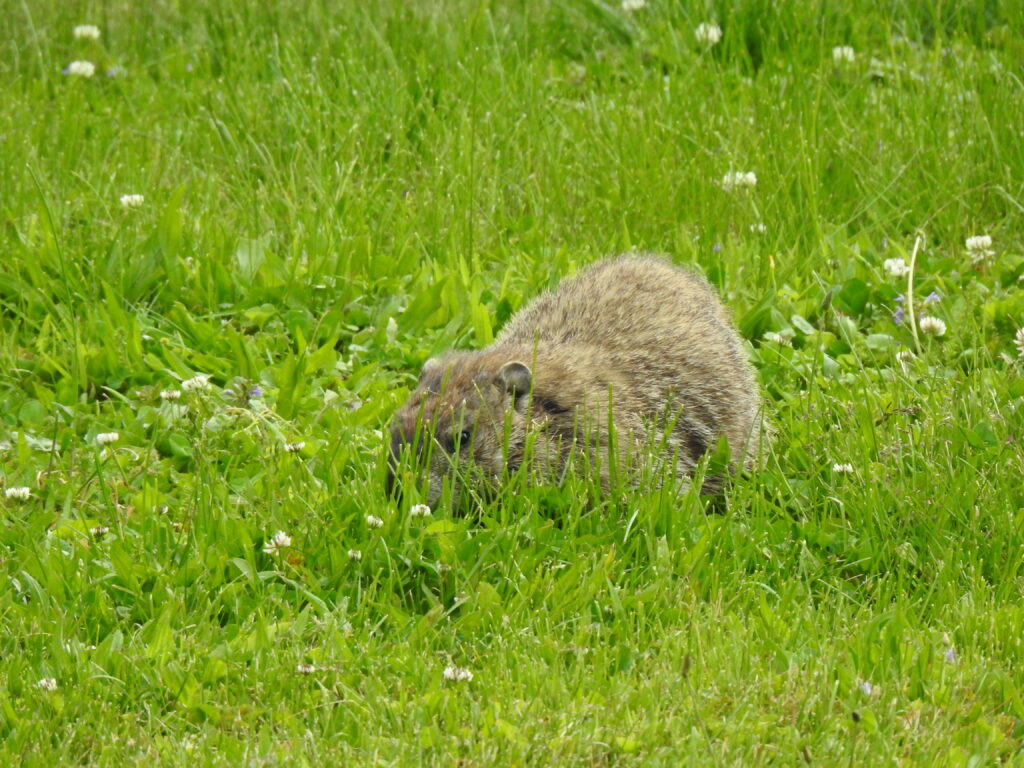
Groundhogs occupy an important position within terrestrial food webs as primary consumers. By feeding primarily on vegetation, they help transfer energy from plants into higher levels of the ecosystem. This role connects plant communities with the predators that depend upon herbivorous mammals for survival.
Numerous predators rely on groundhogs as potential prey. Coyotes, foxes, bobcats, eagles, hawks, and large owls may all hunt groundhogs when opportunities arise. Through these predator-prey relationships, energy and nutrients move throughout the ecosystem in a continuous cycle.
Young groundhogs are particularly important within food webs because they are more vulnerable than adults. Juvenile individuals provide seasonal food resources for a variety of predators during critical periods of growth and reproduction. These interactions contribute to population stability among numerous wildlife species.
Groundhogs also influence plant communities through their feeding activities. By consuming vegetation throughout the growing season, they become part of the natural processes that shape plant growth and distribution. Their role as herbivores contributes to the dynamic relationship between wildlife and vegetation across the landscape.
Unlike apex predators that occupy the top of the food chain, groundhogs function as a link connecting multiple ecological levels. Their position allows them to influence both the vegetation they consume and the predators that depend upon them. This intermediate role makes them an important component of healthy ecosystem function.
Groundhog Burrows and Habitat Creation
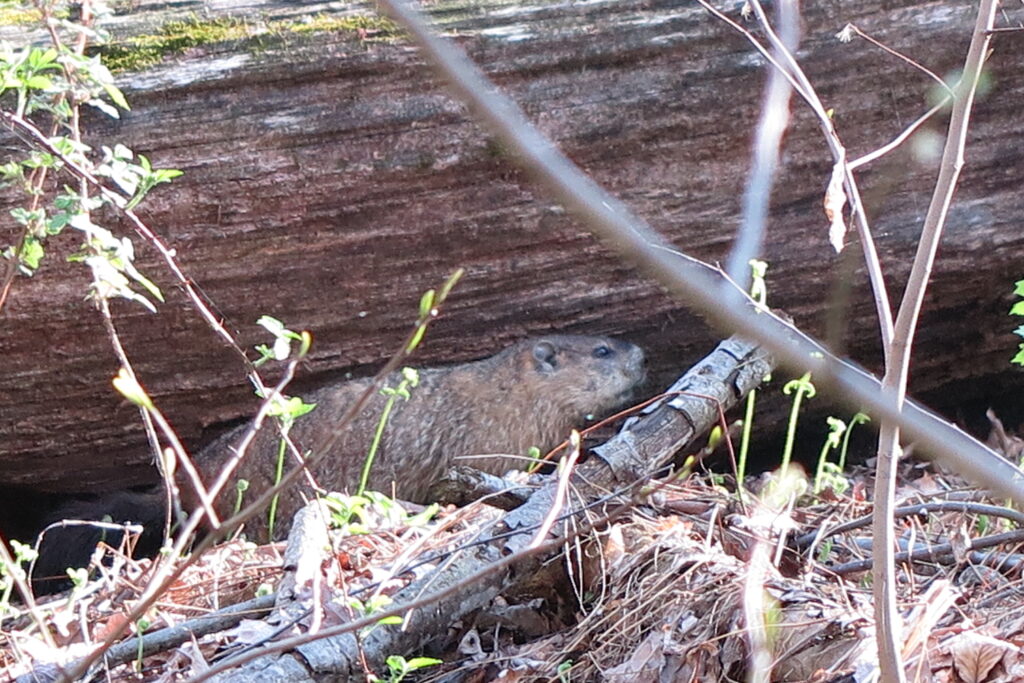
One of the most significant ecological contributions made by groundhogs involves burrow construction. Their extensive underground tunnel systems alter the physical structure of the landscape and create resources that benefit numerous other organisms. In many ecosystems, these burrows function as valuable habitat features.
Abandoned groundhog burrows are frequently reused by other wildlife species. Rabbits, foxes, skunks, snakes, turtles, amphibians, and various small mammals may occupy portions of these tunnel systems after the original resident departs. A single burrow can continue supporting wildlife for years after it is no longer used by a groundhog.
The shelter provided by these underground spaces becomes especially important during extreme weather conditions. Burrows offer protection from heat, cold, storms, and predators, creating secure refuges for a variety of animals. In some situations, they may represent one of the few suitable shelter options available within a particular area.
Burrow construction also affects soil structure. As groundhogs excavate tunnels, soil is moved from below the surface and deposited elsewhere. This process helps mix soil layers and introduces physical changes that can influence local environmental conditions.
Compared to many mammals that leave little lasting evidence of their presence, groundhogs create structures that remain useful long after construction is complete. These underground engineering projects represent one of the species’ most important ecological contributions and highlight its role as a habitat creator within North American ecosystems.
Environmental Benefits of Groundhogs in Nature
Groundhogs contribute to environmental health through activities that influence soil and vegetation. Excavation associated with burrow construction increases soil turnover, a process that can improve aeration and redistribute nutrients. Similar to natural tilling, this activity introduces physical changes that may benefit surrounding plant communities.
The movement of soil creates patches of disturbed ground that differ from adjacent areas. These disturbed locations can support different plant species and contribute to habitat diversity across the landscape. Over time, such variation helps create a mosaic of environmental conditions that supports biodiversity.
Groundhogs also contribute to ecosystem resilience by increasing habitat complexity. Their burrows, feeding activities, and influence on vegetation create additional ecological niches that other organisms may utilize. Greater habitat complexity often supports larger numbers of species within an area.
In agricultural and suburban landscapes, groundhogs remain among the few native mammals capable of significantly modifying local environments. While some people focus primarily on property impacts, these same activities often provide ecological benefits that support wildlife communities. The effects are frequently more extensive than they initially appear.
The overall environmental role of the groundhog can be compared to that of a small-scale ecosystem engineer. Although it does not alter landscapes as dramatically as a beaver, its activities still influence soil, vegetation, shelter availability, and food-web dynamics. Through these contributions, the groundhog helps maintain ecological processes that benefit countless other species across North America.
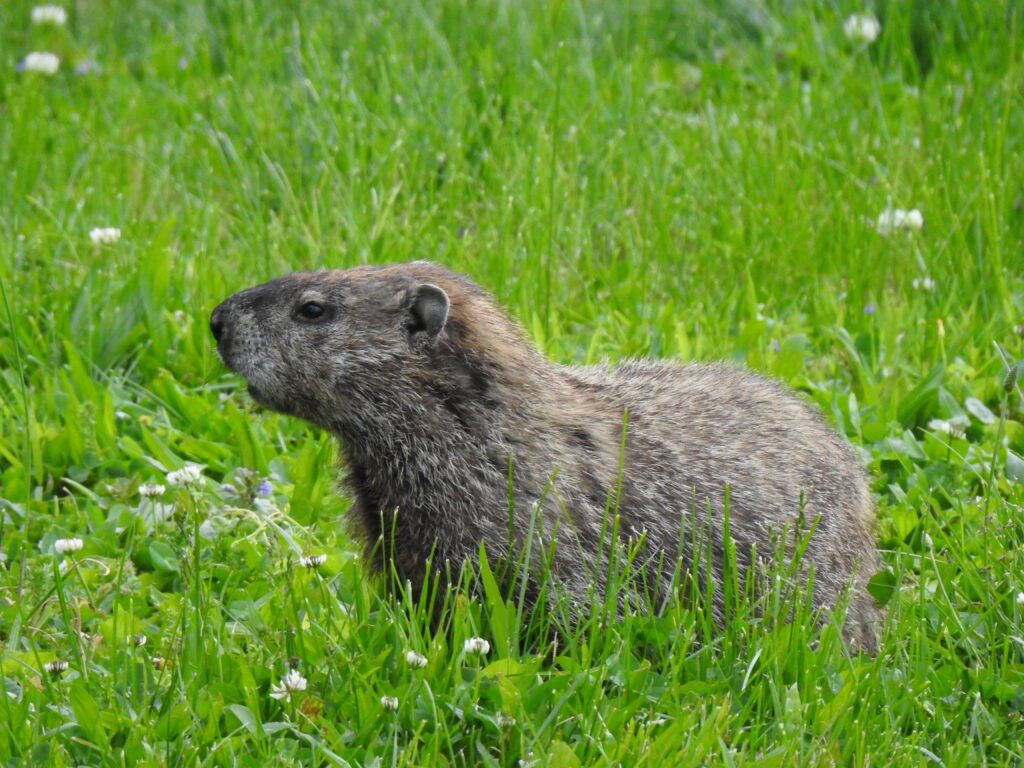
When viewed as part of a larger ecosystem, the groundhog is far more than a burrowing rodent. It serves as prey, modifies habitat, creates shelter, influences soil conditions, and contributes to biodiversity. These combined roles demonstrate why groundhogs remain valuable members of the natural communities they inhabit.
Popular Searches About Groundhogs
Explore Groundhog Guide
Explore More Wildlife

Support Encounters World
Help support wildlife photography and get behind the scenes discoveries on Patreon.