
Groundhog Facts Guide: Interesting Facts and Information About Groundhogs
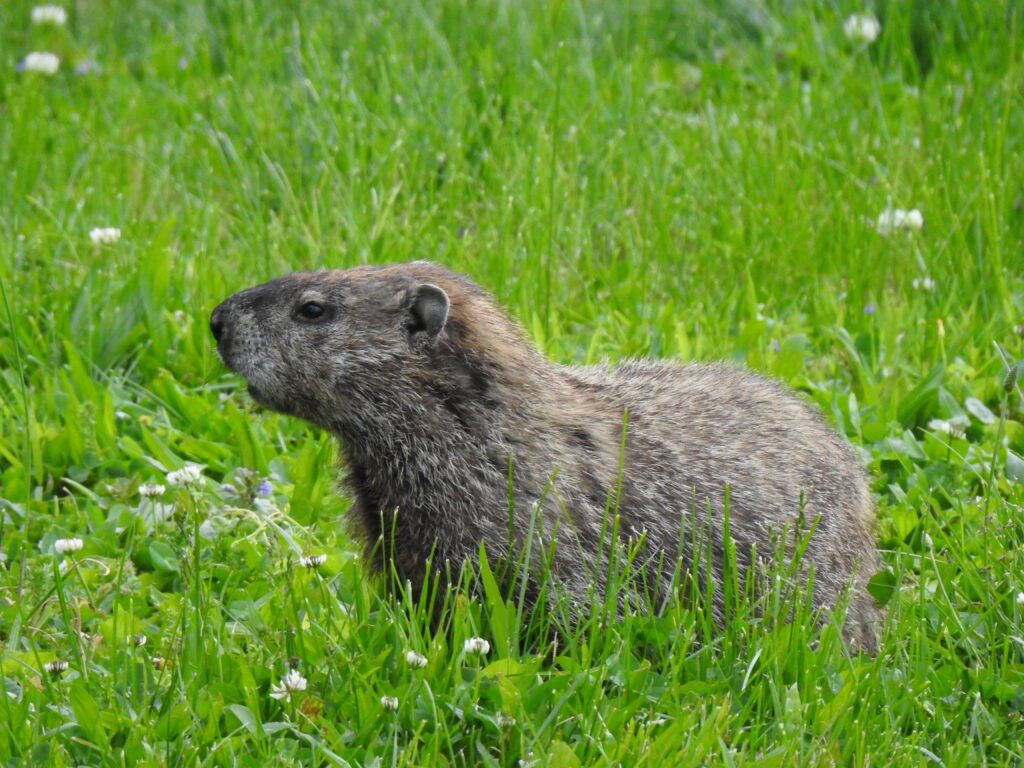
Quick Facts
Scientific Name: Marmota monax
Common Names: Groundhog, Woodchuck
Animal Group: Mammal
Family: Sciuridae (Squirrel Family)
Average Lifespan: 3–6 years in the wild
Conservation Status: Least Concern
Groundhog Facts Introduction and Species Background
The groundhog (Marmota monax), commonly known as the woodchuck, is one of North America’s most recognizable mammals. Found throughout much of the United States, southern Canada, and parts of Alaska, this large rodent is a familiar sight in fields, meadows, roadsides, and suburban green spaces. Its widespread distribution has made it one of the continent’s best-known wildlife species.
Despite its popularity, many people know surprisingly little about groundhogs beyond their connection to Groundhog Day. The species possesses a fascinating combination of physical adaptations, seasonal behaviors, and ecological importance that extends far beyond its famous weather-predicting reputation. These characteristics have helped groundhogs thrive across a wide range of environments.
Groundhogs belong to the marmot group, making them close relatives of several mountain-dwelling species found throughout North America, Europe, and Asia. Among these relatives, the groundhog is unique because it occupies lower-elevation landscapes and has adapted exceptionally well to environments influenced by human activity.
From impressive underground engineering projects to remarkable winter survival strategies, groundhogs possess numerous traits that make them worthy of closer attention. The following facts highlight some of the most interesting aspects of this well-known North American mammal.
Surprising Groundhog Facts and Physical Characteristics
One of the most interesting facts about groundhogs is that they are actually giant members of the squirrel family. Although they look very different from tree squirrels commonly seen in parks and backyards, both belong to the family Sciuridae. This relationship often surprises people who assume groundhogs belong to an entirely separate group of rodents.
Groundhogs are the largest members of the marmot group found in eastern North America. Adult individuals commonly weigh between 5 and 14 pounds, though exceptionally large specimens can exceed these averages. Their stocky build and muscular body make them appear even larger than their actual measurements suggest.
Another fascinating feature is their powerful digging ability. Groundhogs possess strong forelimbs and long claws specifically adapted for excavation. These tools allow them to construct extensive underground tunnel systems that may stretch dozens of feet beneath the surface.
Their teeth provide another remarkable adaptation. Like other rodents, groundhog incisors grow continuously throughout life. Constant use helps wear these teeth down and prevents excessive growth, creating a natural system that maintains functionality year after year.
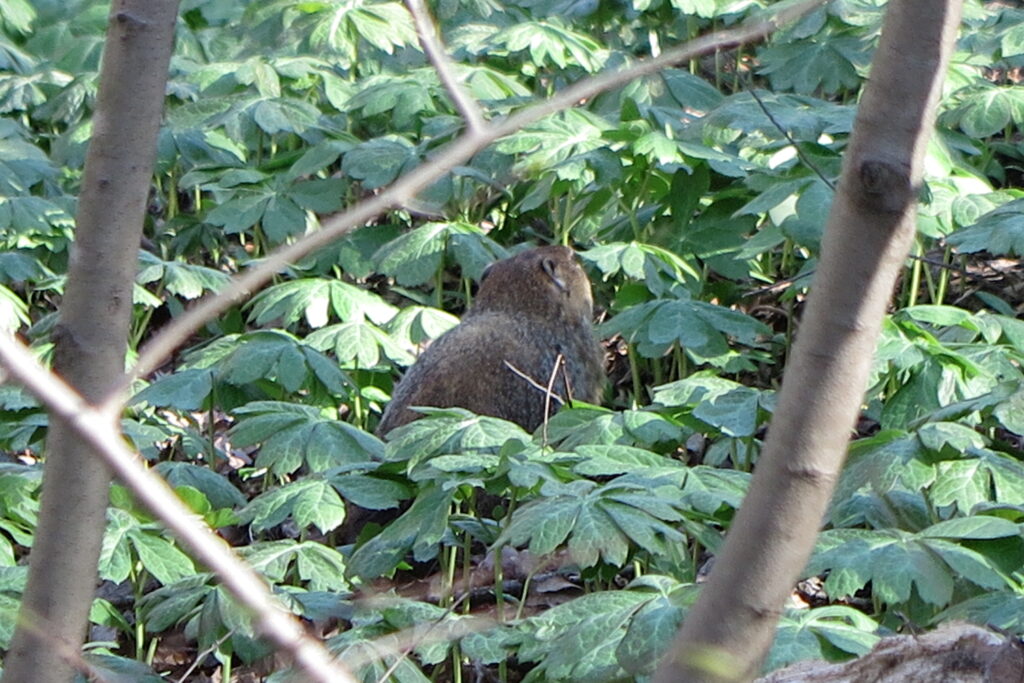
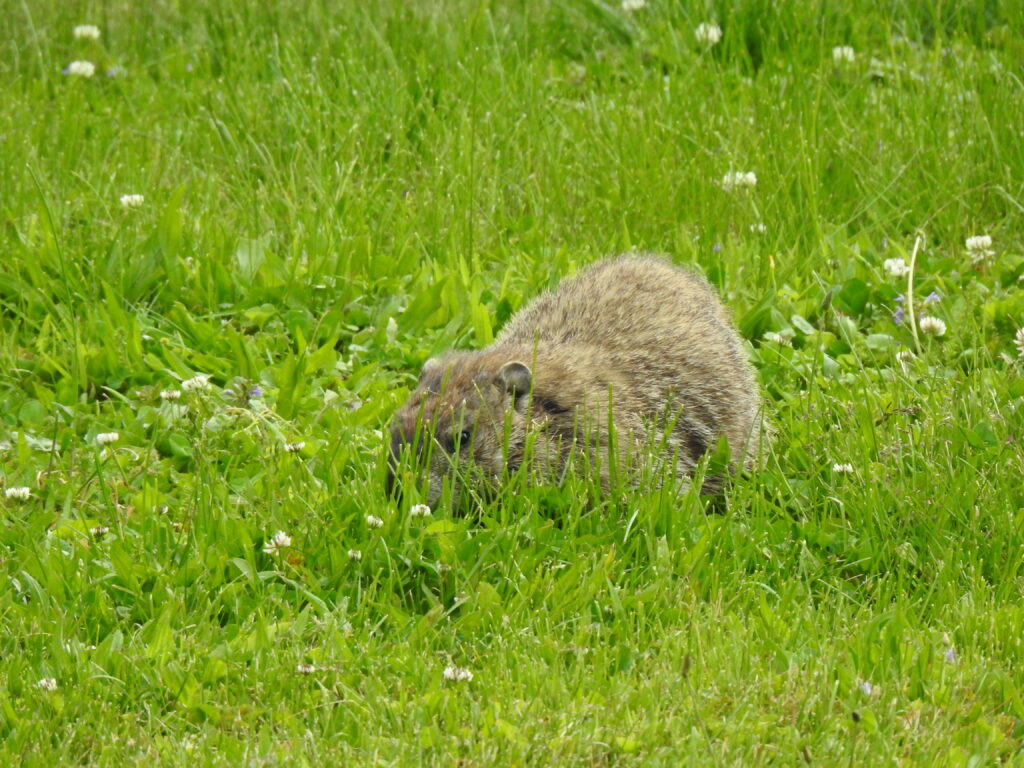
Groundhog fur is also more complex than it appears. Individual hairs often contain multiple color bands, producing the grizzled brown-and-gray appearance commonly associated with the species. This coloration helps blend the animal into surrounding vegetation and natural landscapes.
Groundhog Behavior and Seasonal Facts
Groundhogs are among the few North American mammals that undergo true hibernation. During winter, they enter a deep state of dormancy that dramatically reduces body temperature, heart rate, and energy consumption. This adaptation allows them to survive long periods when food is unavailable.
Before winter arrives, groundhogs spend months accumulating fat reserves. These stored energy supplies become their primary source of fuel throughout hibernation. By autumn, individuals often appear noticeably heavier than they did earlier in the year.
Groundhog activity is primarily concentrated during daylight hours. They are most often observed during the morning and late afternoon, when temperatures are generally more moderate. This daily schedule helps balance feeding opportunities with energy conservation.
Despite their bulky appearance, groundhogs are capable of surprising bursts of speed. When startled, they can sprint quickly toward the nearest burrow entrance. This rapid acceleration often catches observers off guard because the animal typically appears slow and relaxed while feeding.
Many people associate groundhogs with solitude, and for good reason. Adult individuals generally spend much of their lives alone except during breeding periods and while raising young. This solitary lifestyle reduces competition and helps maintain spacing between individuals.
Groundhog Ecology, Culture, and Fun Facts
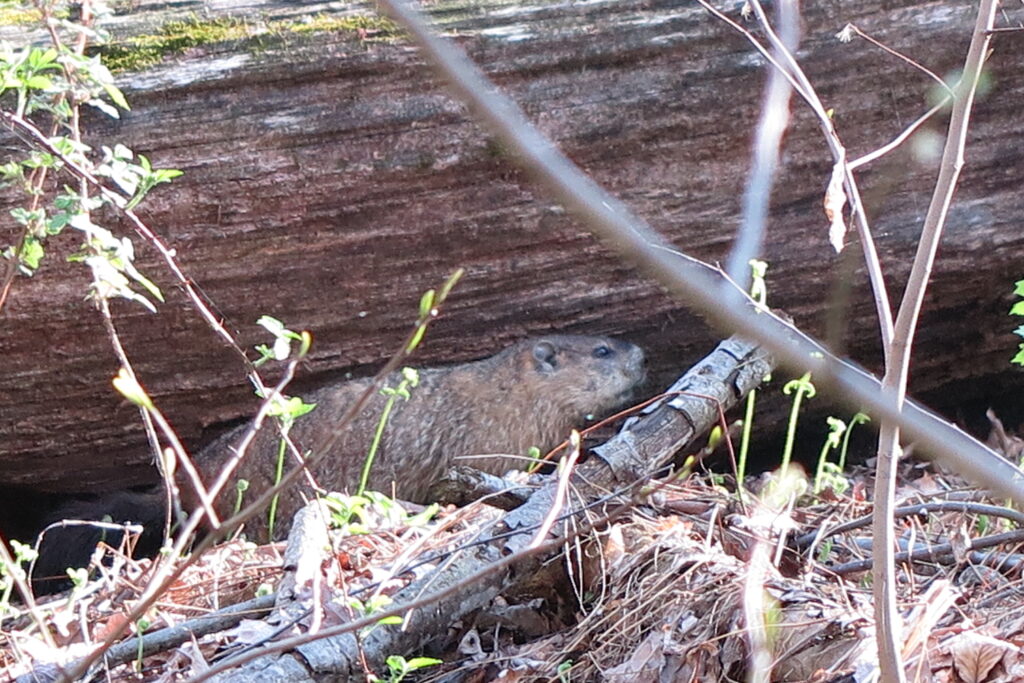
Groundhog burrows provide benefits far beyond the animal that builds them. After being abandoned, these underground tunnel systems are often used by rabbits, foxes, skunks, reptiles, amphibians, and numerous other species. A single burrow can support wildlife long after the original occupant has moved on.
Groundhogs also play an important role in food webs. As herbivores, they help transfer energy from plant communities to predators higher in the ecosystem. Coyotes, foxes, bobcats, hawks, eagles, and owls may all prey upon groundhogs under the right circumstances.
The common name “woodchuck” has nothing to do with chucking wood. The name likely originated from adaptations of Indigenous words used to describe the animal. Over time, the pronunciation evolved into the familiar term used today.
Groundhog Day remains one of the most famous wildlife traditions in North America. Each year on February 2nd, a groundhog’s appearance is used in folklore to predict the arrival of spring. Although the tradition is symbolic rather than scientific, it has made the species internationally recognizable.
Groundhogs are often considered ecosystem engineers on a smaller scale. Their digging activities influence soil structure, create habitat for other animals, and contribute to environmental diversity. These impacts demonstrate that even common species can have significant ecological importance.
Perhaps the most interesting fact is how successfully groundhogs have adapted to changing landscapes. From remote countryside fields to suburban neighborhoods, they continue to thrive across much of North America. Their combination of adaptability, resilience, and unique natural history ensures that groundhogs remain one of the continent’s most fascinating and familiar mammals.
Popular Searches About Groundhogs
Explore Groundhog Guide
Explore More Wildlife

Support Encounters World
Help support wildlife photography and get behind the scenes discoveries on Patreon.