
Big-Headed Ground Beetle Distribution Guide: Range, Geographic Locations, and Regional Occurrence
Quick Facts
Primary Range: North America
Core Distribution: Eastern and Central United States
Northern Extent: Southern Canada and Northern United States
Southern Extent: Southern United States and Mexico
Habitat Availability: Widespread in Suitable Soils
Distribution Pattern: Broad but Locally Variable
Big-Headed Ground Beetle Range and Geographic Overview
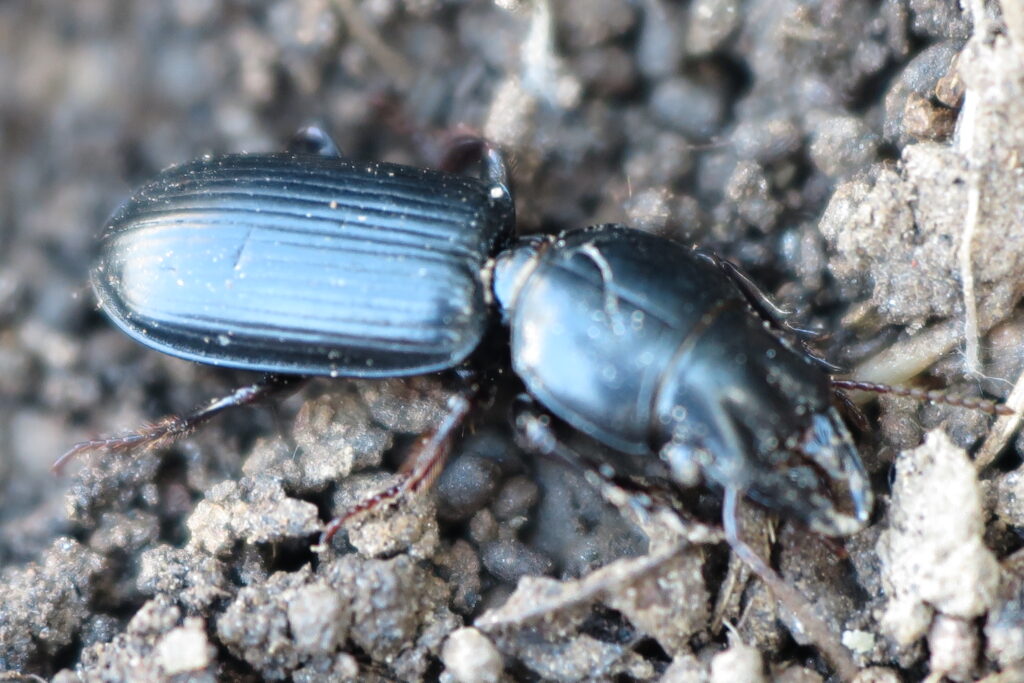
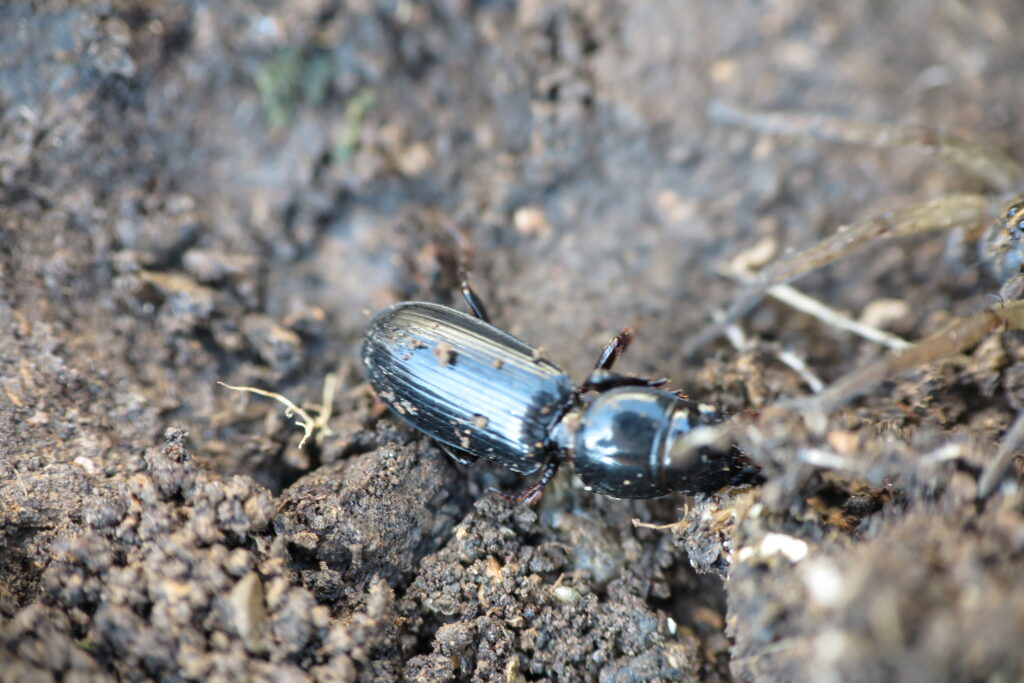
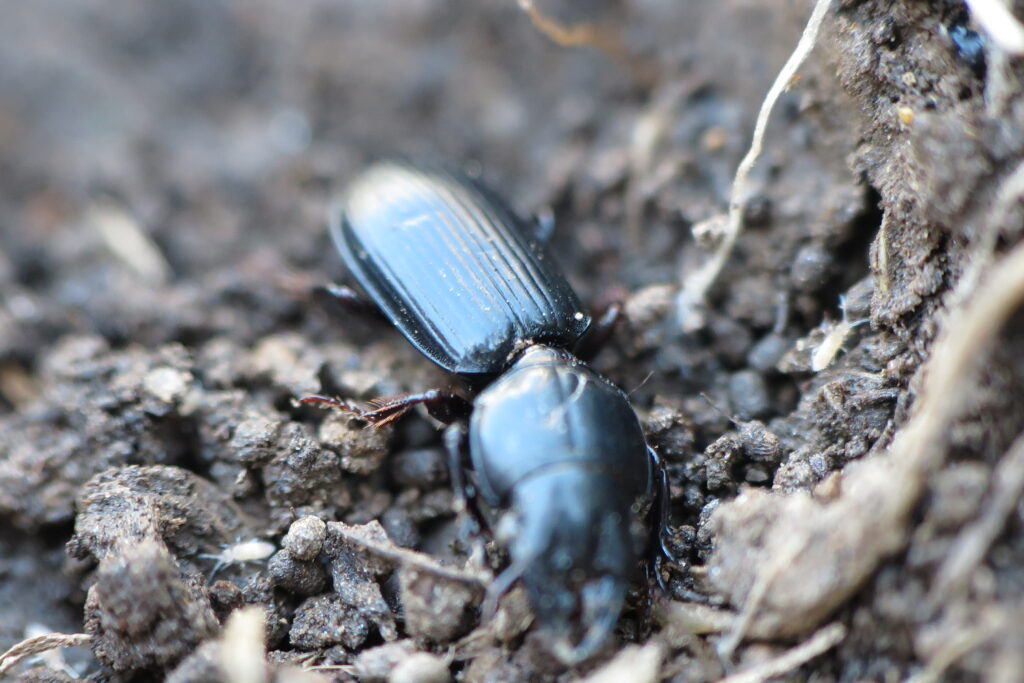
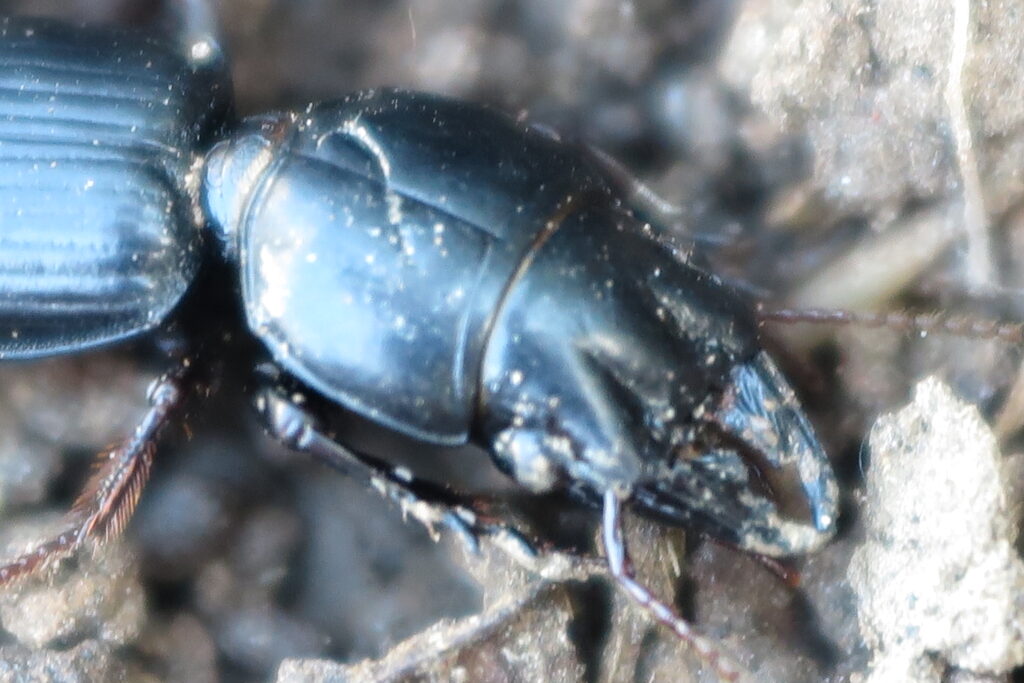
The Big-Headed Ground Beetle (Scarites sp.) occurs throughout much of North America, where various species occupy a broad collection of landscapes and climatic regions. Members of the genus are distributed across eastern, central, and portions of the southern United States, with some species extending into Canada and Mexico. Their underground lifestyle often makes them appear uncommon even in places where they may be locally abundant.
Most observations come from areas where people disturb soil, lift rocks, move logs, or examine loose ground. Unlike butterflies or birds that can be observed from a distance, Big-Headed Ground Beetles spend much of their lives hidden beneath the surface. Their concealed existence means that many populations remain undocumented despite occupying suitable regions.
The genus itself contains numerous species that collectively occupy a large geographic area. Certain species are more common in eastern states, while others inhabit drier western environments or sandy coastal regions. This diversity has allowed the genus to establish populations across a wide portion of the continent.
A naturalist traveling through forests, agricultural regions, grasslands, or open landscapes may encounter these beetles in many different states. Their distribution often follows areas where soil conditions support underground activity. Although rarely seen above ground, Big-Headed Ground Beetles remain one of the more widespread groups of predatory ground beetles in North America.
Big-Headed Ground Beetle Distribution Across North America
The greatest concentration of Big-Headed Ground Beetle records occurs throughout the eastern and central United States. States within the Midwest, Mid-Atlantic region, Southeast, and portions of the Northeast regularly produce observations. These areas provide the environmental conditions necessary to support healthy populations.
Southern Canada contains records of some species, particularly in areas with suitable soils and moderate climates. Although populations become less common farther north, certain species tolerate colder winters and shorter growing seasons. This northern extension demonstrates the adaptability of the genus.
The southern portion of the range extends through much of the southeastern United States and into parts of Mexico. Warmer climates often support longer periods of seasonal activity. Some southern species occupy regions that differ considerably from those inhabited by northern populations.
Compared to insects restricted to a handful of states, Scarites species display a much broader distribution. Their range resembles that of several common ground beetles that occupy large portions of the continent. This widespread occurrence contributes to their ecological importance in many regions.
Distribution can vary substantially between individual species. One species may occur primarily in eastern forests while another inhabits sandy coastal environments or open fields. Understanding the specific species involved often provides a clearer picture of local distribution patterns.
Big-Headed Ground Beetle Regional Occurrence and Population Patterns
Population density often varies considerably across different landscapes. Some locations may support numerous individuals, while nearby areas contain very few observations. Soil conditions, land use, and environmental quality all influence local abundance.
Large natural areas frequently support stable populations. Forest preserves, grasslands, agricultural margins, and undisturbed landscapes often provide suitable conditions for long-term survival. These areas allow populations to persist over many generations.
Human-modified environments may also contain Big-Headed Ground Beetles. Gardens, farms, vacant lots, and suburban green spaces sometimes support local populations if appropriate soil conditions remain available. Their presence in these environments demonstrates a moderate tolerance for disturbance.
The distribution pattern can be compared to underground neighborhoods scattered across a landscape. Rather than occurring evenly across an entire region, populations often exist in favorable patches separated by less suitable areas. These local concentrations contribute to uneven observation records.
Because the beetles spend much of their lives beneath the surface, many populations likely go unnoticed. Areas that appear to contain few beetles may actually support healthy populations hidden underground. Observation frequency often reflects human activity rather than true abundance.
Environmental Factors Influencing Distribution
Climate strongly influences where Big-Headed Ground Beetles occur. Temperate regions with seasonal weather patterns support many species. Moderate temperatures and predictable seasonal cycles create conditions favorable for long-term survival.
Soil characteristics remain one of the most important factors affecting distribution. Loose soils, sandy substrates, and well-drained ground provide suitable environments for underground activity. Areas containing heavily compacted or consistently saturated soils may support fewer individuals.
Elevation also influences distribution in some regions. Many species occur from lowland areas to moderate elevations, although individual species may display specific preferences. Mountain valleys, rolling hills, and coastal plains can all support populations.
Vegetation structure indirectly contributes to distribution patterns. Forests, grasslands, agricultural landscapes, and open habitats each provide different environmental conditions. The beetles often occur where vegetation supports favorable ground conditions and stable soil environments.
A useful comparison can be made to certain burrowing mammals that depend on suitable soil conditions across their range. Just as prairie dogs require specific ground characteristics, Big-Headed Ground Beetles depend upon environments that allow underground activity. Their distribution reflects the availability of these physical conditions.
The broad geographic range of Scarites species demonstrates both adaptability and specialization. While individual species may occupy particular regions, the genus as a whole has successfully spread across much of North America. This widespread distribution has allowed Big-Headed Ground Beetles to become important members of numerous terrestrial ecosystems.
Popular Searches About Ground Beetles
Explore Ground Beetle Guide
Explore More Wildlife

Support Encounters World
Help support wildlife photography and get behind the scenes discoveries on Patreon.