
Are European Earwigs Dangerous? Bites, Pinches, and Human Safety Guide
Quick Facts
Danger Level: Very Low
Can They Bite Humans?: No
Can They Pinch?: Yes, but rarely
Venomous: No
Risk to Pets: Minimal
Primary Defense: Forceps Displays and Escape
European Earwig Safety Overview and Human Encounters
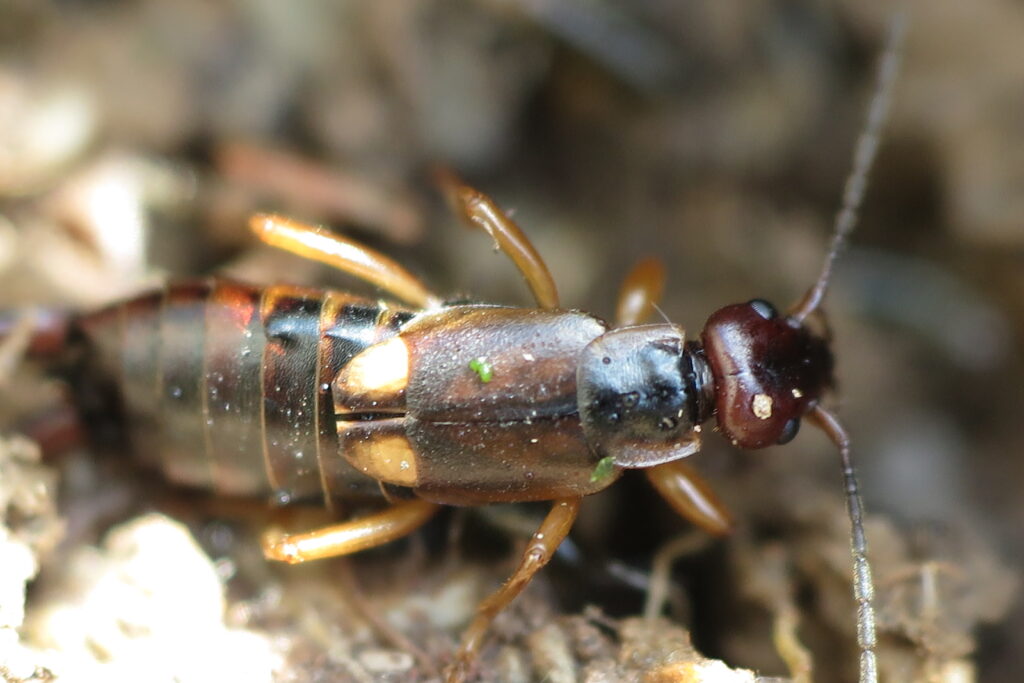
The European Earwig (Forficula auricularia) is one of the most misunderstood insects found throughout Europe, North America, and several other temperate regions. Its curved pincers and secretive lifestyle have contributed to centuries of myths, including the false belief that earwigs crawl into human ears. Despite these stories, the species poses very little danger to people.
Many encounters occur unexpectedly while moving rocks, lifting flowerpots, or turning over fallen logs. The insect often appears suddenly and quickly searches for another hiding place. This rapid movement sometimes startles observers and contributes to its intimidating reputation.
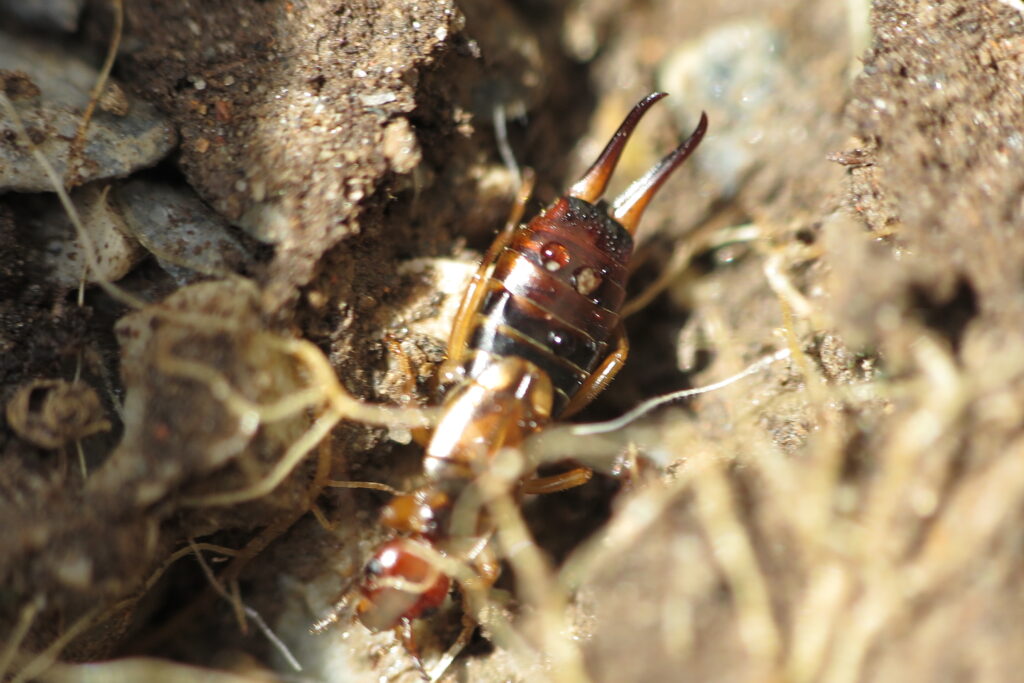
The distinctive forceps located at the rear of the body immediately attract attention. Although these structures look threatening, they are primarily used for defense, courtship, and handling objects. Their appearance often causes concern long before any actual interaction occurs.
Observing an earwig crossing a garden path can resemble seeing a small insect carrying a pair of tiny pliers. The unusual body shape creates an impression of danger that exceeds the insect’s actual abilities. In reality, European Earwigs spend much of their lives avoiding larger animals.
Throughout their introduced range, earwigs frequently live close to people. Gardens, basements, patios, and landscaping areas may all support populations. Their presence near homes has increased public curiosity about whether these insects are harmful.
Most human interactions end within seconds. Once discovered, earwigs typically retreat toward cracks, debris, or shaded areas. This preference for escape rather than confrontation defines the species’ relationship with people.
Are European Earwigs Dangerous to Humans?
European Earwigs are not considered dangerous to humans. They possess no venom, cannot transmit diseases to people, and lack the ability to inflict serious injuries. Medical concerns associated with the species are extremely rare.
The forceps may occasionally pinch human skin if the insect is trapped or handled roughly. These pinches are usually mild and often fail to break the skin. The sensation can be compared to a tiny pinch from a pair of tweezers.
Children often fear earwigs because of their appearance. The curved pincers create the impression of a dangerous insect, especially when viewed up close. However, the insect’s actual defensive abilities remain limited.
The long-standing myth that earwigs enter human ears has no scientific basis. The name “earwig” originated centuries ago and became associated with folklore rather than observed behavior. Modern research has found no evidence that earwigs actively seek human ears.
Compared with stinging insects such as wasps or bees, earwigs present far less risk. They cannot inject venom or cause allergic reactions through stings. Their defensive capabilities are considerably weaker than many other common insects.
The species can be compared to a small crab raising its claws when threatened. The appearance may seem intimidating, but the actual danger remains minimal. Their defenses function primarily as warnings rather than weapons.
European Earwig Defensive Responses and Physical Contact
When disturbed, European Earwigs rely on several defensive behaviors. The abdomen may curve upward while the forceps spread apart. This display increases the insect’s apparent size and may discourage predators.
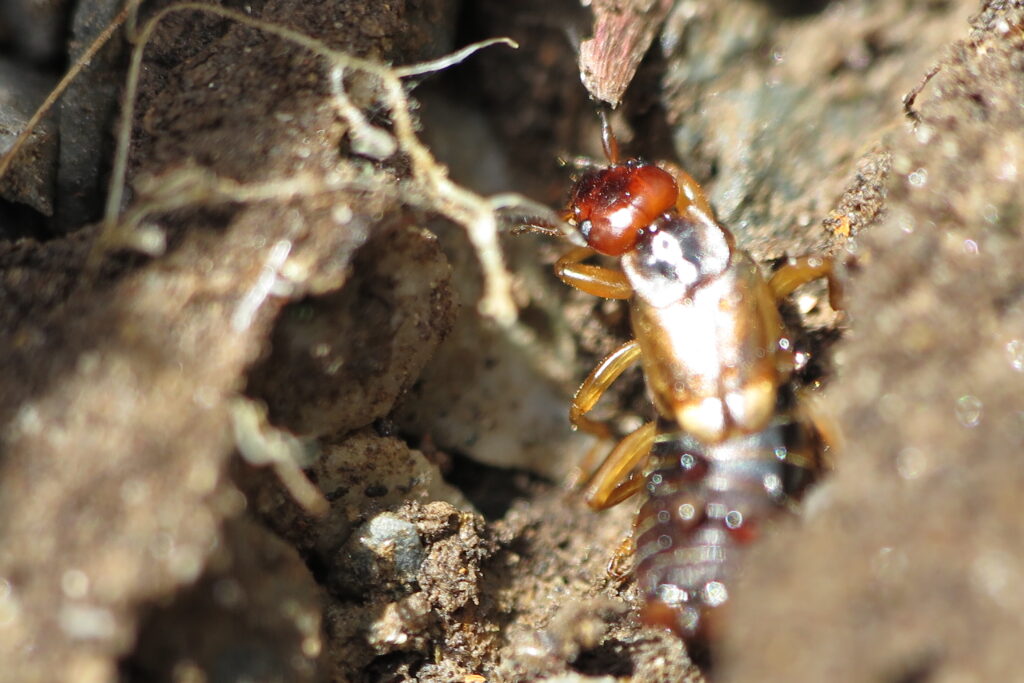
Retreat remains the preferred response in most situations. Earwigs usually run toward cracks, soil openings, or other protected areas as soon as they detect danger. Their speed allows them to disappear quickly.
If escape becomes impossible, the forceps may be used defensively. A trapped insect may pinch fingers or skin in an attempt to free itself. These pinches rarely cause more than brief discomfort.
Male earwigs often possess larger and more strongly curved pincers than females. Because of this, males may produce slightly stronger pinches. Even so, their force remains extremely limited.
A useful comparison can be made to a person raising their hands when startled. The display communicates caution while creating an opportunity to retreat. Earwigs use their forceps in a similar manner.
Pets occasionally investigate earwigs while exploring outdoors. Dogs and cats may sniff or paw at them, but injuries are uncommon. The insects generally attempt to flee rather than defend themselves aggressively.
European Earwig Survival and Safety Around Homes
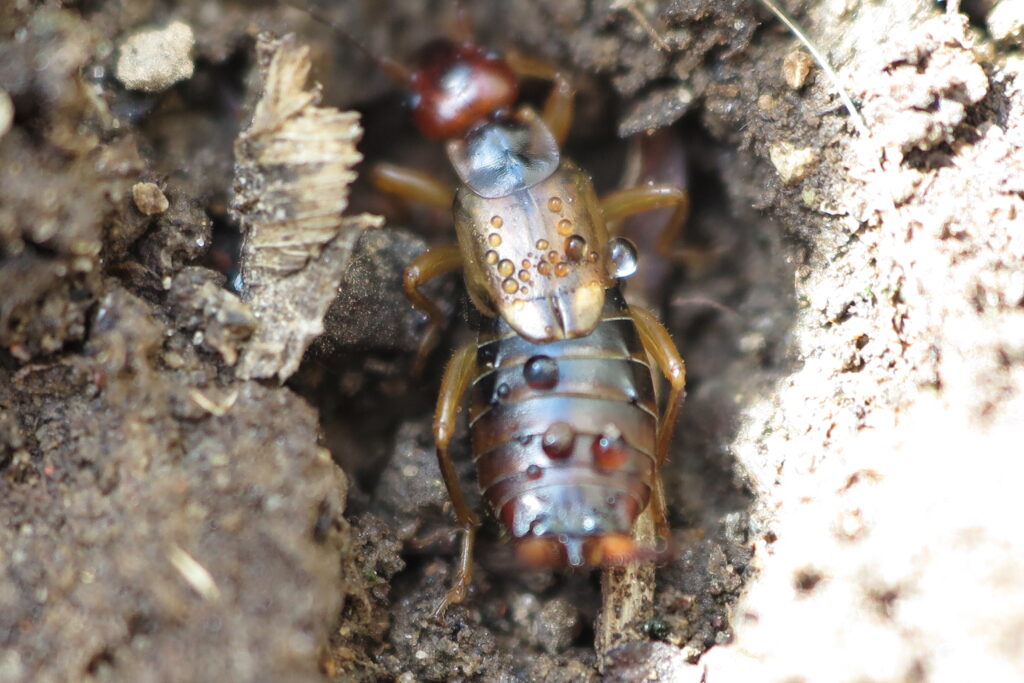
European Earwigs often enter garages, basements, sheds, and homes while searching for moisture and shelter. Their presence indoors can concern homeowners, particularly when several individuals are found together. However, indoor populations usually remain temporary.
The insects do not damage furniture, clothing, or structural wood. Unlike termites or carpenter ants, they do not consume building materials. Their impact inside homes is generally limited to nuisance sightings.
Reducing moisture around foundations and removing outdoor debris can decrease local populations. Mulch, leaf piles, and damp materials frequently provide shelter. Managing these areas may reduce encounters.
Outdoor lighting occasionally attracts earwigs during nighttime hours. Open doors, cracks, and gaps may allow individuals to enter buildings accidentally. Once inside, they often seek dark, cool locations.
The relationship between people and earwigs resembles many other harmless household insects. Their presence may be unwelcome, but they rarely cause significant problems. Understanding their behavior often reduces unnecessary fear.
One of the most important facts about European Earwigs is that they actively avoid conflict. Their first response is nearly always escape, followed by defensive displays only when necessary. This behavior greatly limits the likelihood of human injury.
Although their forceps and appearance may seem intimidating, European Earwigs are among the least dangerous insects commonly encountered around homes and gardens. Their reputation has been shaped more by myths and misunderstandings than by actual risk. For most people, these insects represent a harmless and fascinating part of the natural world.
Popular Searches About European Earwigs
Explore European Earwig Guide
Explore More Wildlife

Support Encounters World
Help support wildlife photography and get behind the scenes discoveries on Patreon.