
European Earwig Identification Guide: How to Identify Earwigs in the Wild
Quick Facts
Identification Difficulty: Easy
Primary Colors: Reddish Brown to Dark Brown
Average Length: 0.5–1 inch (13–25 mm)
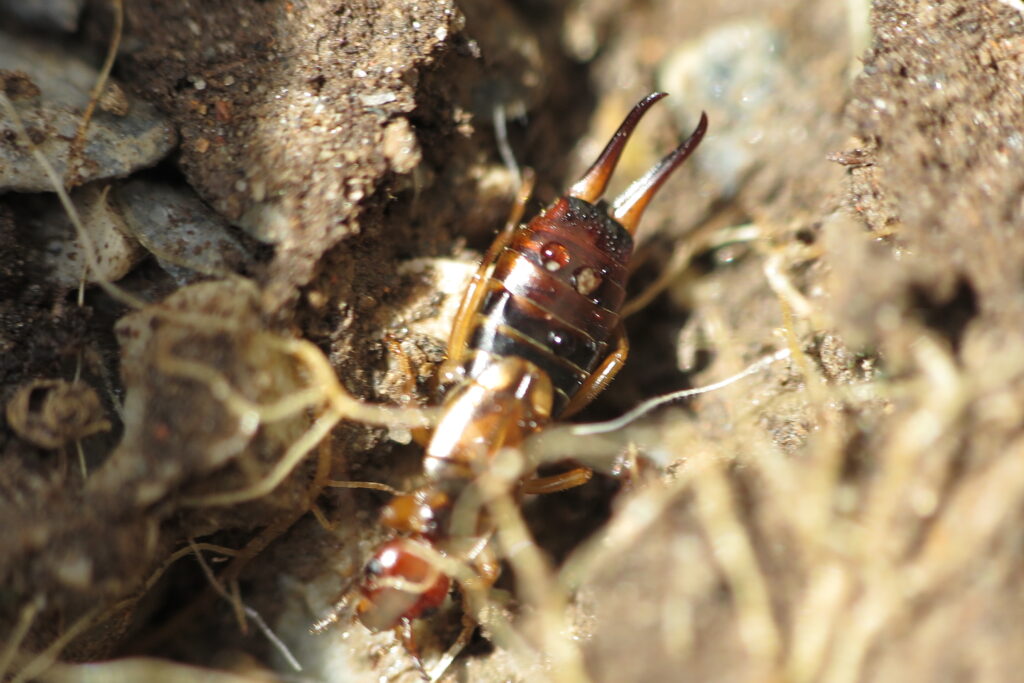
Distinctive Feature: Forceps-like pincers on the abdomen
Common Lookalikes: Ground beetles, rove beetles, and silverfish
Best Identification Feature: Curved rear forceps
European Earwig Identification Overview
The European Earwig (Forficula auricularia) is one of the easiest insects to identify once its most distinctive feature becomes visible. The forceps located at the end of the abdomen separate it from nearly every other common insect. Even brief observations often provide enough information for identification.
People commonly encounter earwigs while moving rocks, flowerpots, bark, or garden debris. The insect frequently runs from cover immediately after exposure. These quick encounters often leave observers wondering exactly what they have found.
The species occurs throughout much of Europe, North America, Australia, and other temperate regions. Because it lives close to human structures and gardens, it is one of the most frequently encountered earwig species in the world. Its widespread distribution has made it familiar to both homeowners and naturalists.
At first glance, the European Earwig may resemble a small beetle because of its elongated body and hardened wing covers. A closer look immediately reveals the characteristic pincers that define the group. These structures make identification considerably easier than many other insects.
The insect can be compared to a pair of small forceps attached to a narrow brown body. This combination creates one of the most recognizable appearances among common insects. Once seen clearly, the species is difficult to confuse.
European Earwig Body Shape and Size
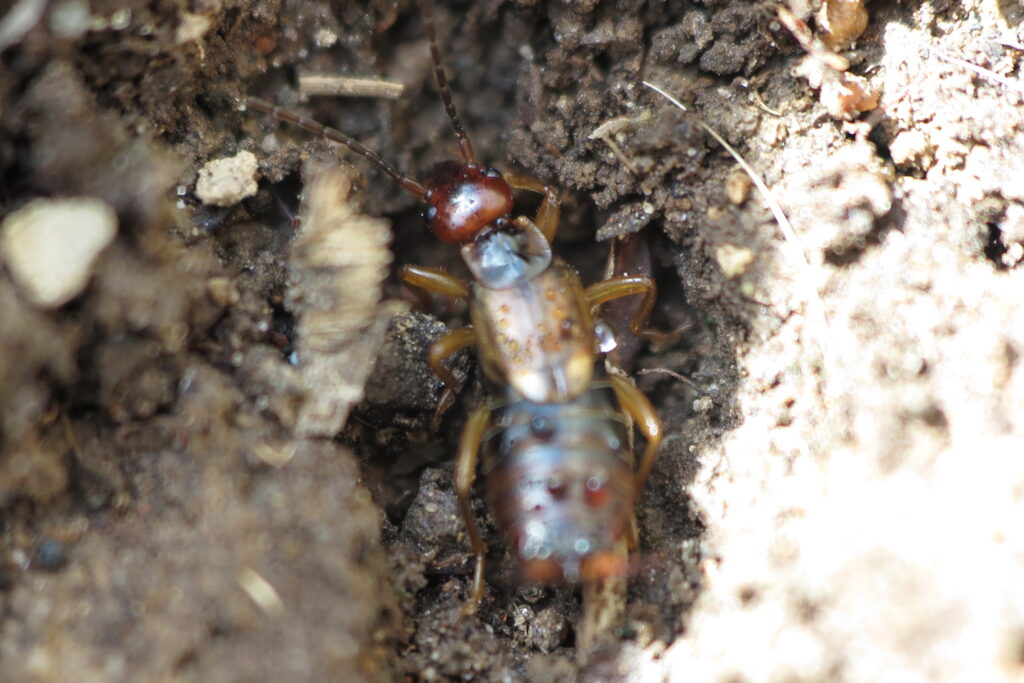
Adult European Earwigs typically measure between one-half and one inch in length. Their bodies appear long, narrow, and slightly flattened from top to bottom. This body shape allows them to move easily beneath objects and within small spaces.
The head is clearly visible and projects forward from the thorax. Long antennae extend from the front of the head and often reach nearly half the body length. These antennae help create the insect’s distinctive appearance.
The thorax appears relatively smooth and slightly wider than the head. Behind it are the short wing covers that protect the folded hind wings. Unlike beetles, these wing covers leave much of the abdomen exposed.
The abdomen itself consists of several visible segments. This flexibility allows the insect to curl and raise its rear end when disturbed. The segmented appearance becomes particularly noticeable during close observation.
An adult earwig can be compared to a small pair of pliers or forceps moving across the ground. The body remains low to the surface while the abdomen extends behind the insect. This shape immediately separates it from many other common insects.
Size differences occur between individuals. Males often grow slightly larger than females, especially in the forceps. Nevertheless, both sexes share the same overall body structure.
European Earwig Coloration and Distinctive Features
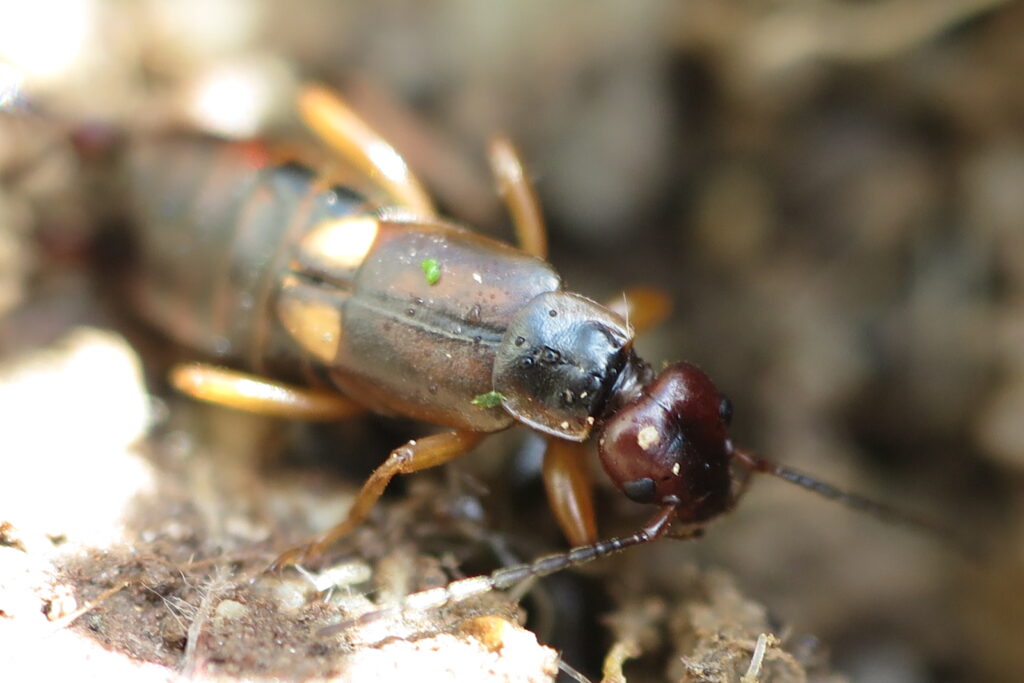
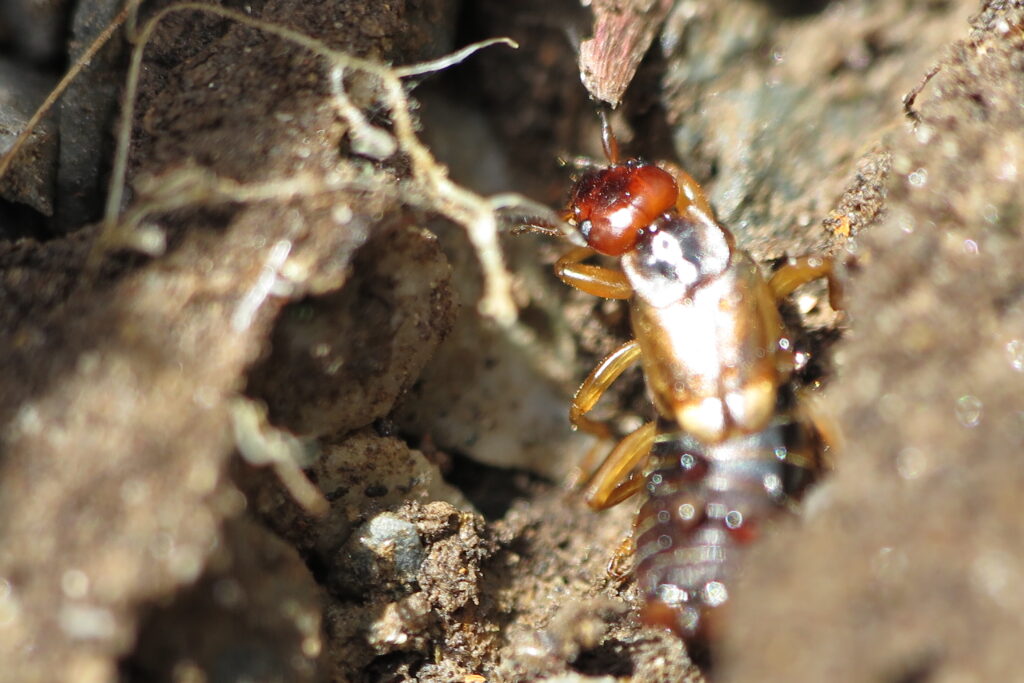
The coloration of the European Earwig generally ranges from reddish-brown to dark chestnut. The head frequently appears darker than the thorax, while the legs often show yellow or tan tones. Some individuals may appear almost black under certain lighting conditions.
The most important identification feature is the pair of forceps located at the tip of the abdomen. These pincers vary between males and females. Males possess strongly curved forceps, while females usually have straighter appendages.
The short forewings create another useful characteristic. These leathery structures cover only a small portion of the abdomen. The remaining abdominal segments remain exposed behind the wing covers.
The antennae consist of numerous segments and extend prominently from the head. Their length and flexibility contribute to the insect’s recognizable appearance. The eyes are relatively small but easily visible.
A close-up view often reveals a glossy surface across portions of the body. Light may reflect from the wing covers and abdomen, producing subtle color variations. These reflections can make individuals appear lighter or darker.
The curved forceps can be compared to miniature scissors attached to the rear of the body. Few insects possess such obvious appendages. This characteristic remains the single most reliable identification feature.
European Earwig Lookalikes and Identification Tips
Ground beetles sometimes cause confusion because of their similar size and coloration. However, ground beetles lack the forceps found on earwigs. Their wing covers also extend across the entire abdomen.
Rove beetles may appear somewhat similar because they possess short wing covers. Unlike earwigs, rove beetles do not have forceps and often raise their abdomen like a scorpion. Their body structure differs considerably upon close inspection.
Silverfish occasionally enter comparisons because of their elongated bodies. Silverfish possess three tail-like filaments rather than forceps. Their silvery coloration also separates them from earwigs.
Cockroach nymphs can resemble earwigs at first glance. However, cockroaches have broader bodies and lack abdominal pincers. Their head and body proportions differ significantly.
The simplest identification method involves examining the end of the abdomen first. If forceps are present, the insect is almost certainly an earwig. This single feature eliminates most possible lookalikes.
A useful field rule is to remember that no common beetle possesses the curved rear pincers seen in earwigs. Observers who focus on this characteristic can identify the species quickly. In most cases, the forceps provide immediate confirmation.
The European Earwig remains one of the easiest insects to identify because of its unique body design. Its combination of a flattened brown body, exposed abdomen, and curved forceps creates an unmistakable appearance. Once these characteristics are learned, the species becomes instantly recognizable in gardens, forests, and residential areas.
Popular Searches About European Earwigs
Explore European Earwig Guide
Explore More Wildlife

Support Encounters World
Help support wildlife photography and get behind the scenes discoveries on Patreon.