
European Earwig Distribution Guide: Range, Spread, and Global Distribution
Quick Facts
Native Range: Europe, Western Asia, and North Africa
Introduced Regions: North America, Australia, and New Zealand
Current Distribution: Widespread Across Temperate Regions
Climate Preference: Cool to Moderate Climates
Population Trend: Stable and Expanding
Expansion Method: Human Introduction and Natural Spread
European Earwig Global Range Overview
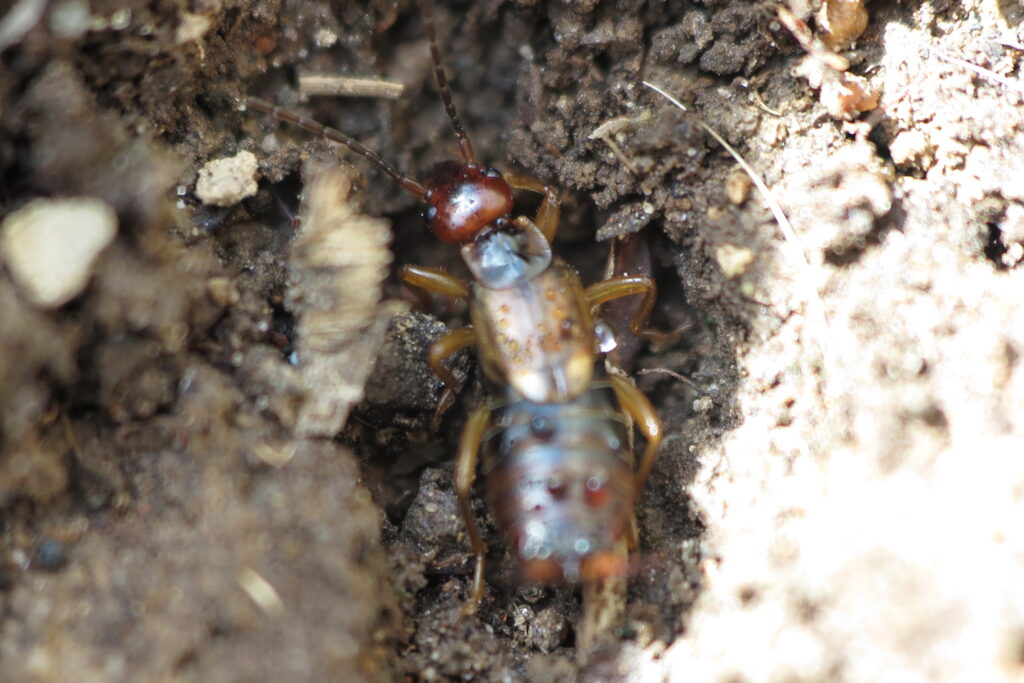
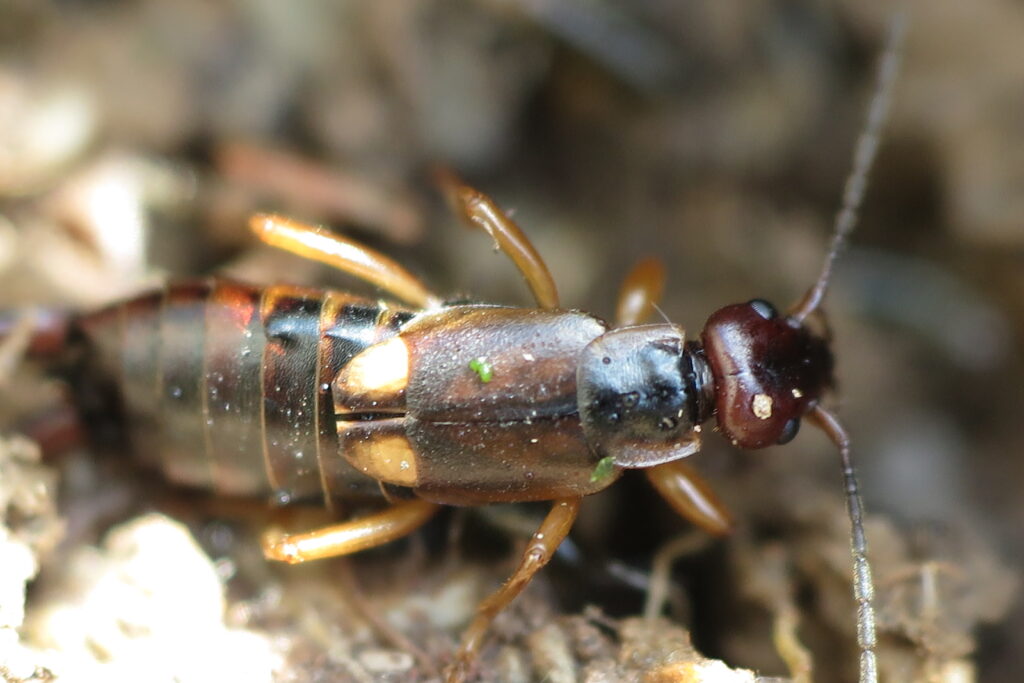
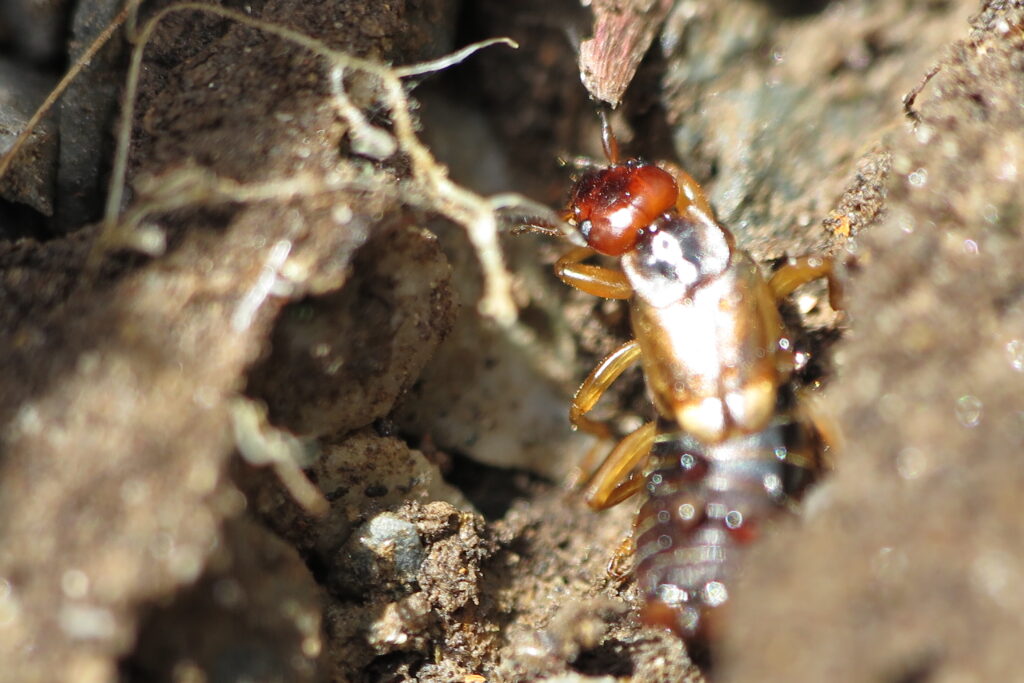
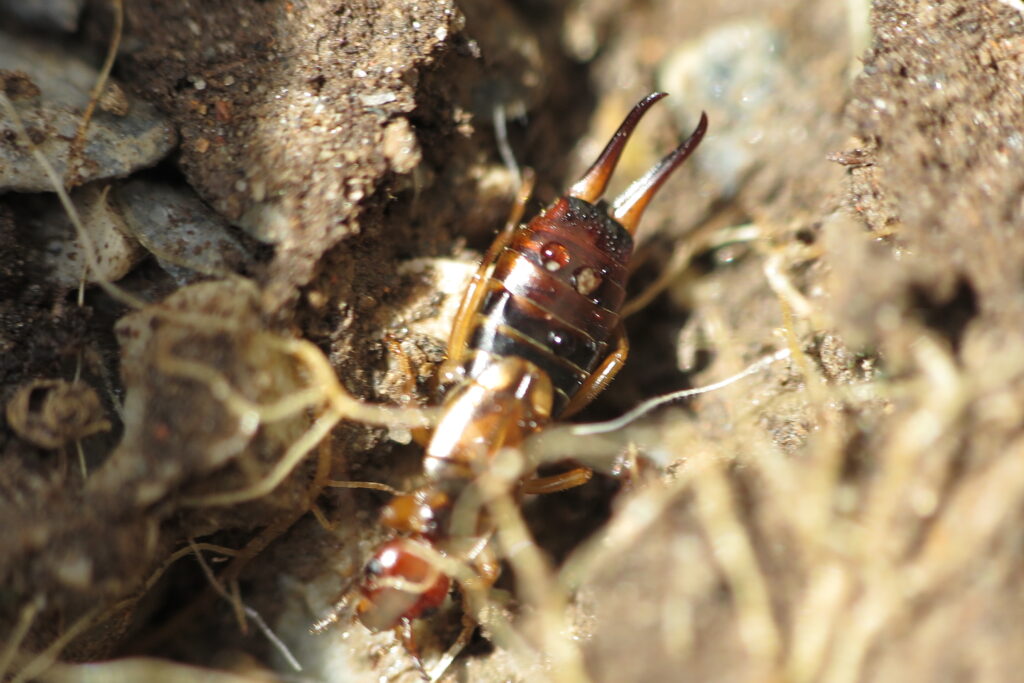
The European Earwig (Forficula auricularia) has become one of the most widely distributed earwig species on Earth. Originally native to Europe, western Asia, and portions of northern Africa, the species now occupies large portions of several continents. Its ability to adapt to numerous environments has allowed populations to establish far beyond their original range.
Today, the insect occurs throughout much of North America, Australia, New Zealand, and several additional temperate regions. Human transportation and trade contributed significantly to this expansion over the past two centuries. Once introduced, local populations often spread naturally into surrounding areas.
The distribution of the species spans thousands of miles and multiple climate zones. Despite these differences, populations remain concentrated within areas that provide suitable environmental conditions. This broad range has made the European Earwig one of the most familiar members of its insect order.
The spread of the species resembles that of several successful introduced plants and animals that followed human settlement patterns. Transportation networks, agriculture, and landscaping all contributed to its movement. Today, many populations exist far from the insect’s original native range.
Native Range and Historical Expansion
The ancestral range of the European Earwig includes much of Europe. The species evolved within temperate climates that experienced seasonal temperature changes and moderate moisture levels. These environmental conditions supported stable populations for thousands of years.
Western Asia and northern portions of Africa also contained native populations. Similar climate conditions across these regions allowed the species to occupy an extensive natural range. The insect gradually expanded throughout connected habitats over long periods.
International shipping and agricultural trade eventually transported earwigs to other continents. Soil, plant materials, cargo shipments, and commercial products likely carried individuals beyond their native distribution. These accidental introductions established new populations.
North America experienced successful colonization during the late nineteenth and early twentieth centuries. Australia and New Zealand also developed established populations after introduction. Once these populations became established, further expansion occurred naturally.
The historical movement of the species can be compared to seeds carried by wind into suitable environments. Once favorable conditions became available, populations developed and gradually spread outward. This process transformed a regional insect into a globally distributed species.
Human influence remains one of the most important factors in the species’ historical expansion. Without transportation networks and commerce, the European Earwig would likely have remained restricted to its native range.
European Earwig Distribution Across Modern Regions
North America now supports widespread populations throughout much of the United States and southern Canada. Temperate climates provide conditions similar to those found within the species’ original range. These environments allow populations to remain stable and abundant.
Australia contains established populations across many agricultural and urban regions. Moderate climates and human-altered landscapes provide suitable conditions. The insect has become particularly common within developed areas.
New Zealand also supports long-established populations. Introduced individuals successfully adapted to local environments and expanded into numerous regions. Similar patterns of establishment have occurred in other temperate areas.
European populations continue to occupy much of their native range. The species remains common throughout many countries and often occurs near human settlements. Agricultural landscapes, urban environments, and natural areas all support populations.
The worldwide distribution resembles a network of connected temperate regions. Areas with moderate climates often support the highest population densities. Extremely cold or extremely hot environments may limit expansion.
Population densities vary considerably between regions. Some areas support extremely abundant populations, while others contain only scattered occurrences. These differences reflect environmental suitability and local conditions.
Environmental Factors Influencing Distribution
Temperature strongly influences the distribution of the European Earwig. Moderate climates with distinct seasons often provide ideal conditions for survival and reproduction. Regions experiencing prolonged extreme temperatures may support fewer individuals.
Moisture also plays an important role. Areas with moderate humidity frequently support larger populations than extremely dry environments. Water availability influences long-term establishment and population growth.
Elevation can affect local distribution as well. Lower and middle elevations often provide suitable temperatures and growing seasons. In some mountainous regions, populations decline as environmental conditions become harsher.
Human development continues to shape modern distribution. Irrigation, landscaping, agriculture, and transportation create opportunities for populations to establish in new locations. Urban and suburban environments often provide favorable conditions.
The environmental requirements of the species can be compared to those preferred by many temperate garden plants. Moderate temperatures, available moisture, and seasonal changes support healthy populations. Areas lacking these conditions may limit survival.
Future range shifts may occur as climates change and human development continues. Some regions may become more suitable, while others may experience environmental conditions that reduce population sizes. The adaptability of the European Earwig suggests that its global distribution may continue to evolve over time.
The European Earwig remains one of the most successful earwig species worldwide because of its environmental flexibility and ability to establish populations across multiple continents. Its modern distribution reflects centuries of expansion, adaptation, and successful colonization of temperate regions around the globe.
Popular Searches About European Earwigs
Explore European Earwig Guide
Explore More Wildlife

Support Encounters World
Help support wildlife photography and get behind the scenes discoveries on Patreon.