
European Earwig Predators and Threats: Natural Enemies, Survival Risks, and Environmental Challenges
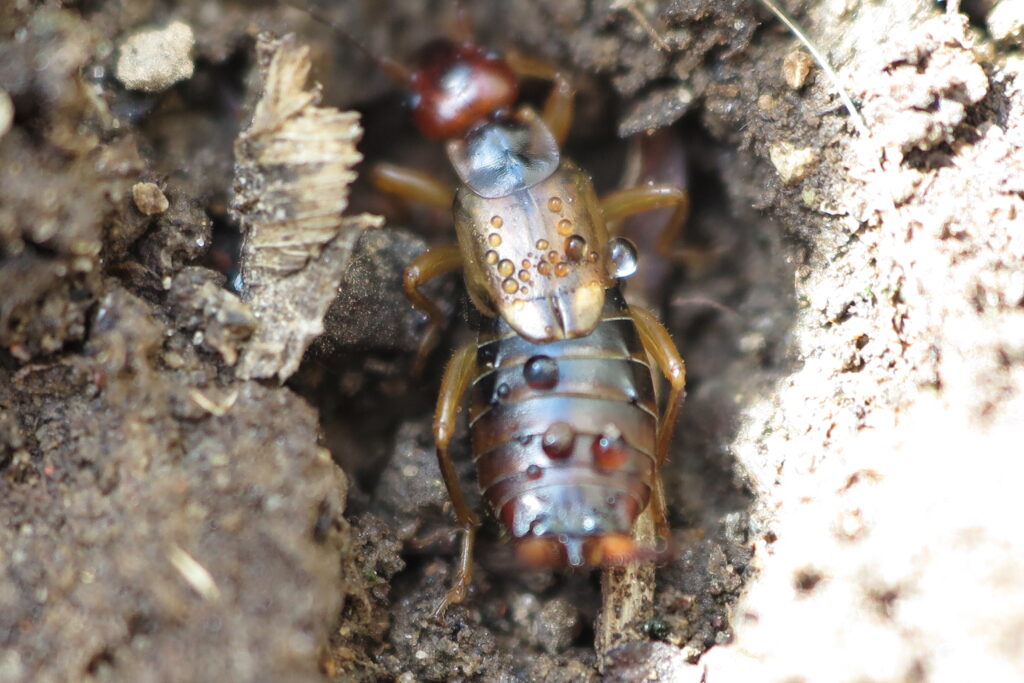
Quick Facts
Primary Predators: Birds, spiders, amphibians, and beetles
Greatest Threat: Predation during juvenile stages
Defensive Features: Forceps and rapid escape
Environmental Threats: Drought, extreme temperatures, and habitat disturbance
Human Impacts: Pesticide exposure and habitat modification
Population Status: Stable
European Earwig Predators and Survival Challenges
The European Earwig (Forficula auricularia) encounters numerous threats throughout its life cycle. Although the species has become highly successful across several continents, individuals remain vulnerable to many predators and environmental pressures. Small body size and ground-dwelling habits expose earwigs to a variety of dangers.
Young earwigs face the greatest risks during their earliest developmental stages. Small nymphs possess limited mobility and reduced defensive capabilities compared to adults. These vulnerable stages often experience the highest mortality rates.
Predation occurs in nearly every environment occupied by the species. Gardens, forests, grasslands, agricultural areas, and urban landscapes all contain animals capable of feeding upon earwigs. These interactions form an important part of local food webs.
The life of a European Earwig can be compared to that of many small mammals living near larger predators. Constant awareness and access to shelter help increase survival. The insect’s secretive lifestyle reflects the many dangers it encounters.
Environmental conditions also influence survival. Temperature extremes, prolonged drought, and habitat disturbances may reduce local populations. These pressures often affect entire groups of earwigs rather than individual insects.
Despite these threats, the species remains widespread because of its adaptability and reproductive success. Multiple survival strategies help populations persist even when predation rates are high.
Animals That Prey Upon European Earwigs
Birds represent some of the most important predators of European Earwigs. Robins, sparrows, blackbirds, and other ground-feeding species frequently consume them while searching through leaf litter and soil. Their excellent eyesight allows them to locate exposed earwigs quickly.
Spiders also prey upon earwigs. Web-building spiders may capture wandering individuals, while hunting spiders actively pursue them. These predators often occupy the same environments as earwigs.
Ground beetles serve as another important predator group. Larger predatory beetles may attack juvenile or adult earwigs when opportunities arise. Both insects often share the same sheltered environments.
Amphibians such as frogs and toads readily consume earwigs. These predators frequently hunt during nighttime hours when earwig activity increases. Their diets often include a variety of small invertebrates.
Small mammals may occasionally feed on earwigs as well. Shrews and certain rodents consume insects while foraging near the ground. Earwigs become one of many prey items available within these habitats.
The predator community can be compared to a network of small hunters occupying every layer of the environment. Birds search above, spiders wait nearby, and beetles patrol the ground. Earwigs must navigate this complex landscape to survive.
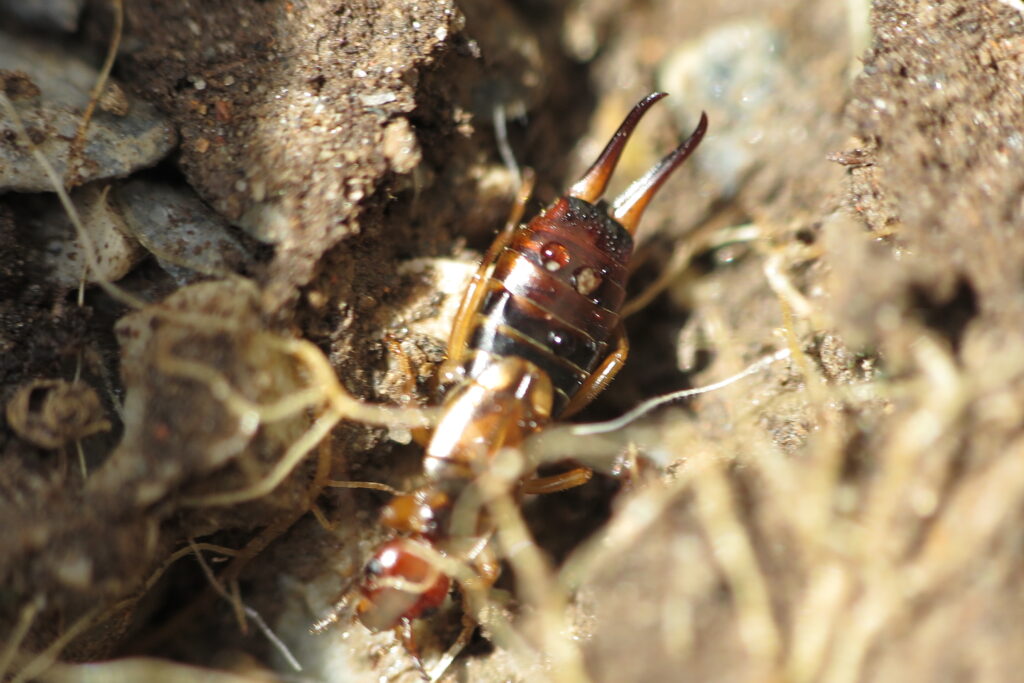
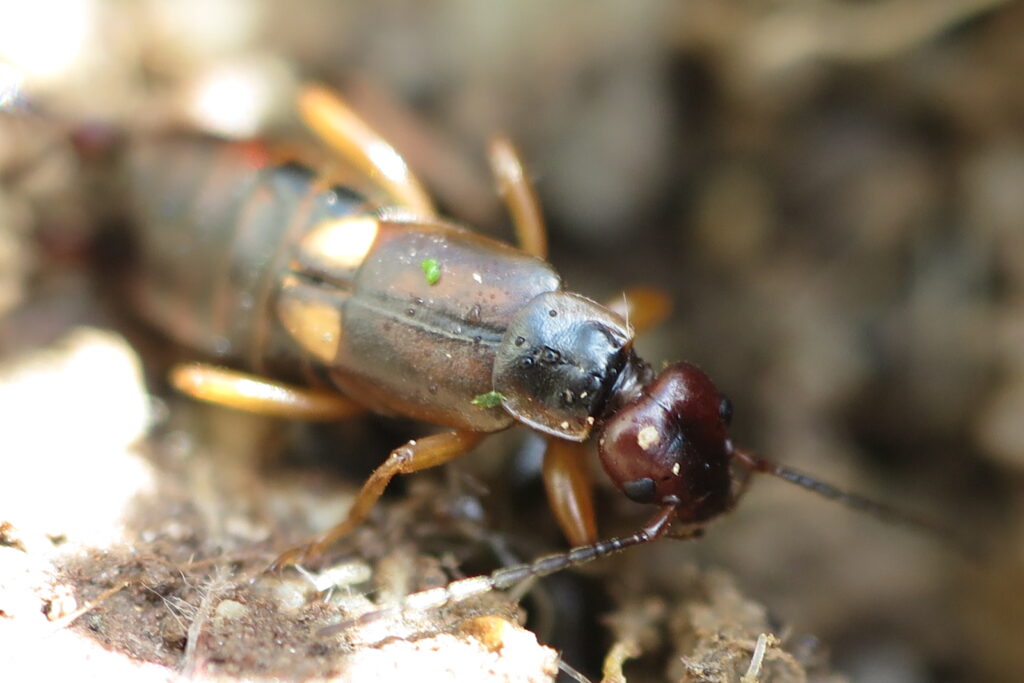
Environmental Threats and Habitat Pressures
Drought represents one of the most significant environmental threats to European Earwigs. Dry conditions reduce moisture levels and limit suitable shelter. Prolonged drought can decrease survival and reproduction.
Extreme temperatures also affect populations. Severe cold may increase winter mortality, while intense heat can cause dehydration. Earwigs depend upon stable conditions to maintain healthy populations.
Flooding and heavy rainfall occasionally create problems as well. Excessive water may destroy underground chambers and wash away young individuals. Rapid environmental changes often create temporary population declines.
Habitat disturbance influences local abundance. Construction, landscaping, and soil disruption may remove important shelter sites. The loss of protective cover reduces survival opportunities.
The relationship between earwigs and environmental conditions resembles that of many small ground-dwelling animals. Changes in moisture, temperature, and shelter availability strongly influence their survival. Stable environments generally support healthier populations.
Seasonal fluctuations also contribute to natural mortality. Harsh winters, dry summers, and changing weather patterns may affect different populations in various ways. These environmental pressures help regulate population size.
Human Impacts and Long-Term Threats
Pesticide use remains one of the most significant human-related threats to European Earwigs. Broad-spectrum insecticides often kill both pest species and beneficial insects. Local populations may decline after repeated chemical applications.
Agricultural practices sometimes influence earwig abundance. Tilling, vegetation removal, and habitat simplification reduce available shelter. These activities may temporarily lower local populations.
Urban development also alters suitable environments. Roads, buildings, and landscaping changes may remove important habitat features. Nevertheless, the species often adapts successfully to modified environments.
Climate change could influence future distributions and survival rates. Shifts in temperature and rainfall patterns may affect suitable habitats in some regions. The exact effects remain uncertain and may vary geographically.
The challenges faced by earwigs resemble those experienced by many small invertebrates living near human populations. Environmental change, chemical exposure, and habitat modification create new pressures. Some populations decline while others adapt successfully.
Despite these threats, the European Earwig remains highly resilient. Its broad distribution, flexible lifestyle, and reproductive abilities help populations recover from disturbances. These traits have contributed greatly to the species’ worldwide success.
Although predators, environmental pressures, and human activities all affect survival, the European Earwig continues to thrive across much of its range. Birds, spiders, beetles, climate conditions, and habitat changes all play important roles in shaping populations. Together, these threats create the ecological challenges that influence the life of one of the world’s most recognizable earwigs.
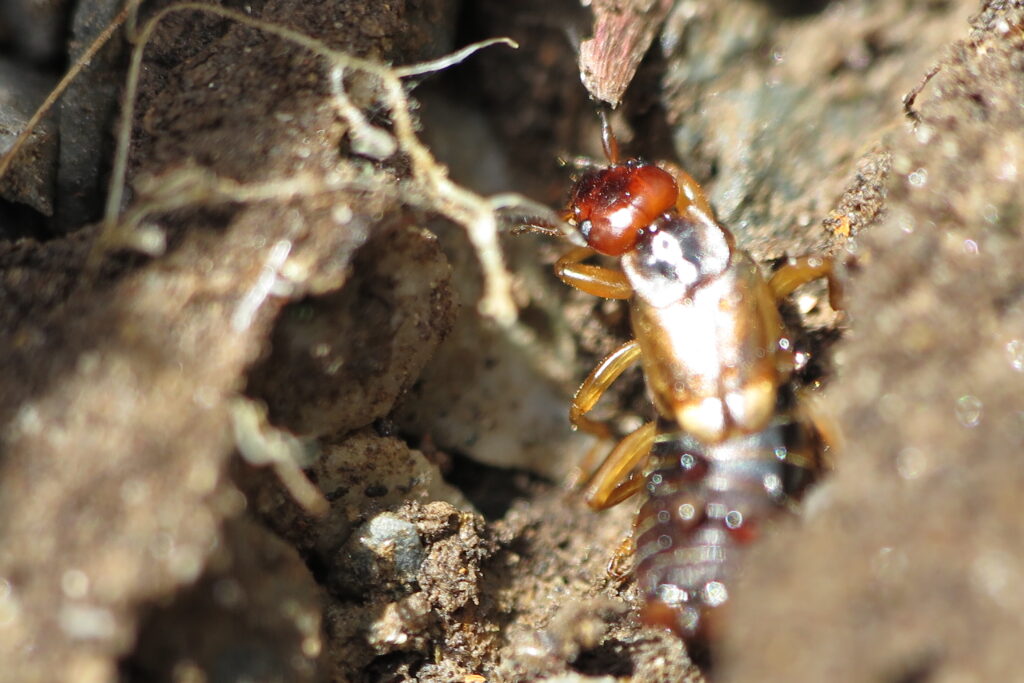
Popular Searches About European Earwigs
Explore European Earwig Guide
Explore More Wildlife

Support Encounters World
Help support wildlife photography and get behind the scenes discoveries on Patreon.