
European Earwig Mother Care Guide: Maternal Behavior, Egg Protection, and Offspring Care
Quick Facts
Parental Care Type: Maternal Care
Egg Protection: Yes
Young Care Duration: Several Weeks
Nest Location: Underground Chambers
Offspring Assistance: Cleaning and Guarding
Parental Investment: High for an Insect
European Earwig Maternal Care Overview
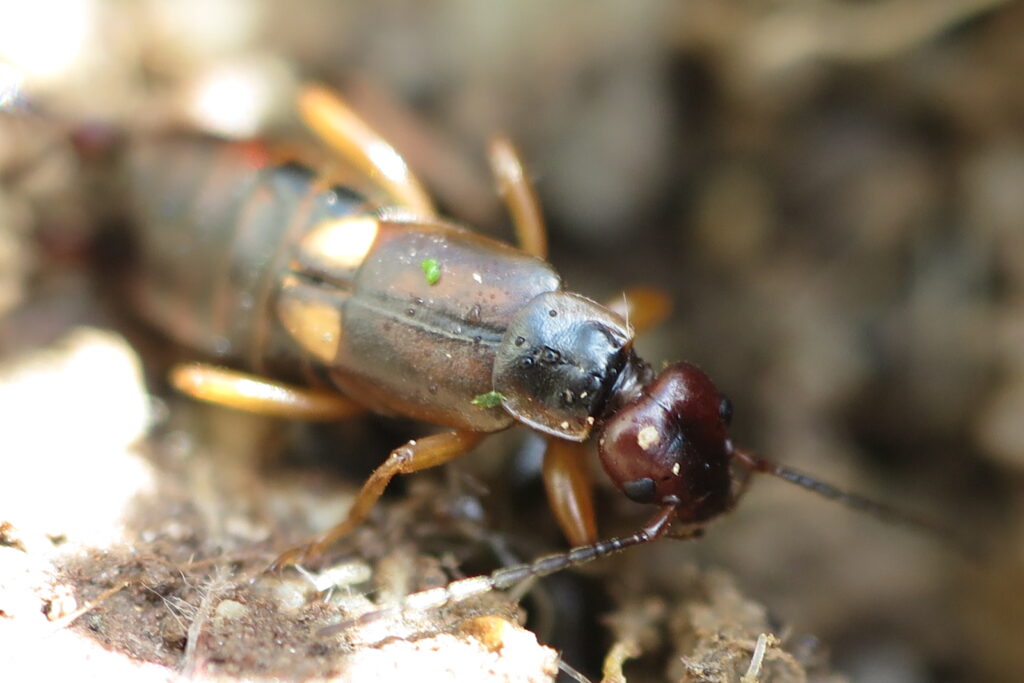
The European Earwig (Forficula auricularia) possesses one of the most remarkable parenting behaviors among common insects. Unlike many species that deposit eggs and provide no further care, female earwigs remain with their offspring and actively protect them. This behavior makes the species unusual within the insect world.
Throughout much of its range, females invest considerable energy into the survival of their young. The relationship between mother and offspring begins long before the eggs hatch and continues through the earliest stages of development. These interactions increase the chances of successful reproduction.
Many insects rely entirely on large numbers of offspring to ensure survival. European Earwigs instead combine reproduction with direct parental investment. This strategy allows mothers to protect a smaller number of developing young.
Observing earwig maternal care is similar to watching a bird protect its nest. The female remains nearby, monitors the developing eggs, and responds to potential threats. Few insects demonstrate this level of attention.
The behavior has attracted scientific interest because it differs from the reproductive strategies of many other insects. Researchers have studied these interactions to better understand the evolution of parental care. The European Earwig remains one of the most familiar examples of insect motherhood.
This maternal investment contributes greatly to the success of the species. By protecting offspring during vulnerable stages, females improve survival rates. The result is a reproductive strategy that balances care with development.
European Earwig Nest Construction and Egg Care
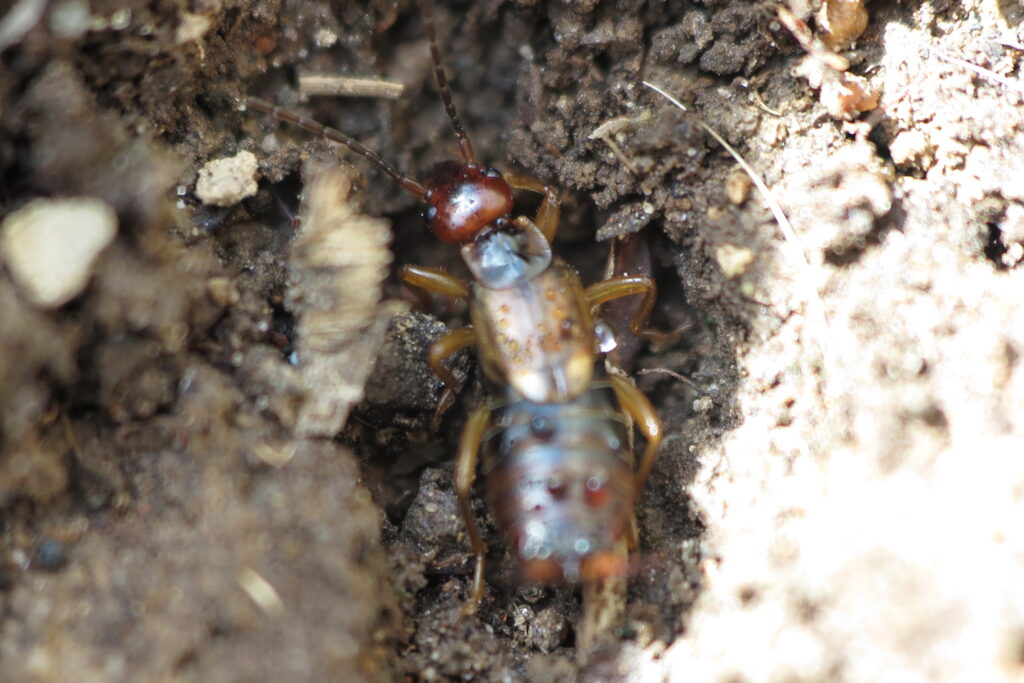
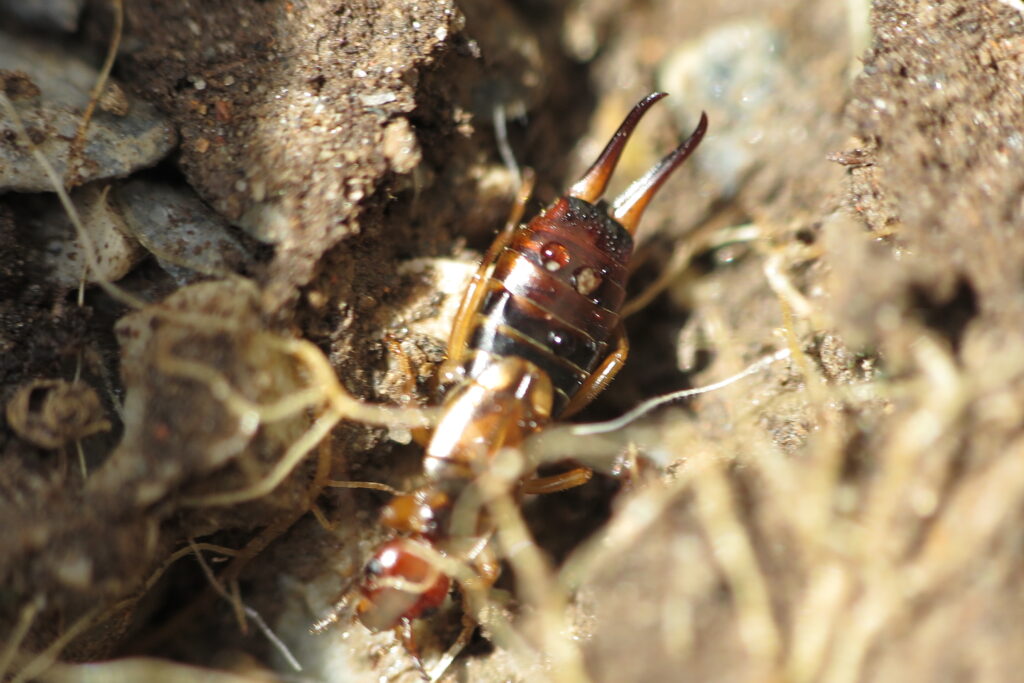
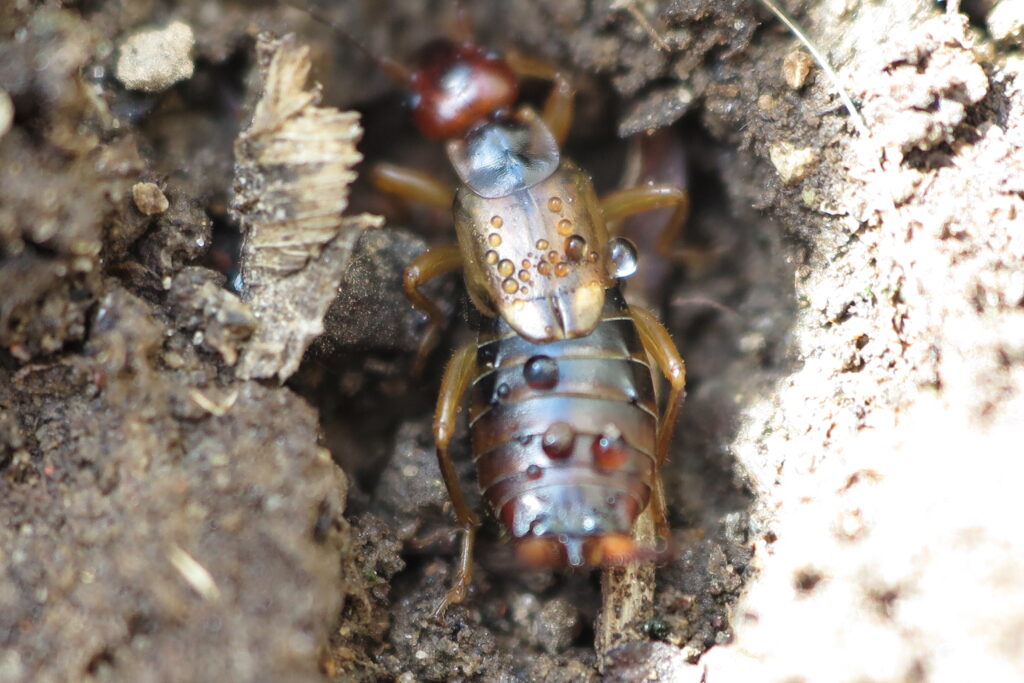
Female European Earwigs create underground chambers before laying eggs. These protected locations provide stable temperatures and shelter from environmental conditions. The nest often occurs beneath soil, stones, or other covered areas.
Once the eggs are deposited, the female remains nearby rather than abandoning them. She carefully positions herself around the egg cluster and protects it from disturbance. This period may last several weeks.
The eggs themselves are small, pale, and grouped together. Their arrangement allows the female to monitor them efficiently. Maintaining close contact helps reduce exposure to potential dangers.
Cleaning behavior represents one of the most unusual aspects of earwig motherhood. Females regularly move and groom the eggs using their mouthparts. These actions help reduce fungal growth and maintain healthy conditions.
The nest chamber can be compared to a carefully maintained nursery. The female continuously monitors the developing eggs and adjusts conditions when necessary. Such behavior is rarely observed among insects.
Environmental conditions influence egg development. Moisture, temperature, and soil stability affect both the female and her offspring. The underground chamber helps maintain suitable conditions throughout development.
Protection and Care of Young Earwigs
After hatching, young earwigs remain with their mother for a period of time. The female continues providing protection while the offspring develop. This relationship extends beyond the egg stage and into early life.
Newly hatched nymphs appear pale and delicate. Their exoskeletons gradually harden as they grow. During these early stages, they remain particularly vulnerable to predators and environmental conditions.
The mother often stays close to the young and reacts to disturbances. Potential threats may trigger defensive responses or attempts to shield the offspring. This protection improves survival during the earliest stages of life.
Young earwigs frequently remain grouped together near the female. These small family groups persist until the nymphs become increasingly independent. The association gradually decreases as development continues.
The relationship resembles a parent guiding children during their first experiences outside the home. Protection and supervision remain important until the young become capable of surviving independently. This comparison helps illustrate the significance of maternal care.
As the nymphs grow, they gradually disperse from the original chamber. The mother’s role becomes less important as the young acquire greater independence. Eventually, the family group separates completely.
Evolutionary Importance of Earwig Mother Care
Parental care remains relatively uncommon among insects. Many species produce large numbers of eggs and provide no further investment. European Earwigs follow a different strategy by dedicating time and energy to offspring survival.
Scientists believe this behavior evolved because it increases reproductive success. Protected eggs experience lower mortality rates than unguarded eggs. The investment of the mother improves the chances that offspring survive to adulthood.
Maternal care also allows the species to reproduce successfully in changing environments. Protection against predators, fungi, and environmental fluctuations increases developmental stability. These advantages may have contributed to the species’ widespread distribution.
The strategy can be compared to investing resources in fewer offspring while providing greater support. Many animals use similar approaches, including birds and mammals. European Earwigs demonstrate that insects can also evolve complex parental behaviors.
The presence of maternal care helps distinguish earwigs from many other common insects. Their behavior challenges the idea that insects lack parental investment. Instead, they demonstrate surprisingly advanced reproductive strategies.
Researchers continue to study these interactions because they provide insight into the evolution of social behavior. The European Earwig remains one of the clearest examples of insect motherhood available to scientists and naturalists.
The European Earwig Mother Care Guide reveals one of the most fascinating aspects of the species. Through egg protection, cleaning behavior, and juvenile care, females provide an unusual level of parental investment. These behaviors contribute significantly to offspring survival and make the European Earwig one of the most remarkable insects found in temperate regions around the world.
Popular Searches About European Earwigs
Explore European Earwig Guide
Explore More Wildlife

Support Encounters World
Help support wildlife photography and get behind the scenes discoveries on Patreon.