
European Earwig Facts Guide: Interesting Facts, Surprising Traits, and Unique Discoveries
Quick Facts
Scientific Name: Forficula auricularia
Common Name: European Earwig
Order: Dermaptera
Average Length: 0.5–1 inch (13–25 mm)
Global Distribution: Europe, Asia, North America, Australia, and New Zealand
Most Famous Feature: Curved abdominal forceps
Fascinating European Earwig Facts Overview
The European Earwig (Forficula auricularia) is one of the world’s most recognizable insects because of its unusual pincers and long-standing myths. Although many people have seen earwigs in gardens, beneath rocks, or around homes, relatively few understand the remarkable characteristics that make this insect unique. Its appearance has generated curiosity for centuries.
The species belongs to the insect order Dermaptera, a group known for forceps-like appendages at the end of the abdomen. More than two thousand earwig species exist worldwide, but the European Earwig remains one of the best known. Its widespread distribution has contributed to its popularity.
People often remember their first encounter with an earwig because of its unusual appearance. The insect seems almost designed to attract attention, with its curved forceps and elongated body. These features have helped create numerous myths and legends.
The European Earwig can be compared to a tiny living multitool. Its body contains structures that appear mechanical, giving it an appearance unlike most other insects. This distinctive design has made it one of the easiest insects to recognize.
Despite its reputation, the species remains largely misunderstood. Many of the most commonly repeated stories about earwigs are scientifically inaccurate. Learning the facts reveals an insect far more interesting than its myths.
Surprising Physical Facts About European Earwigs
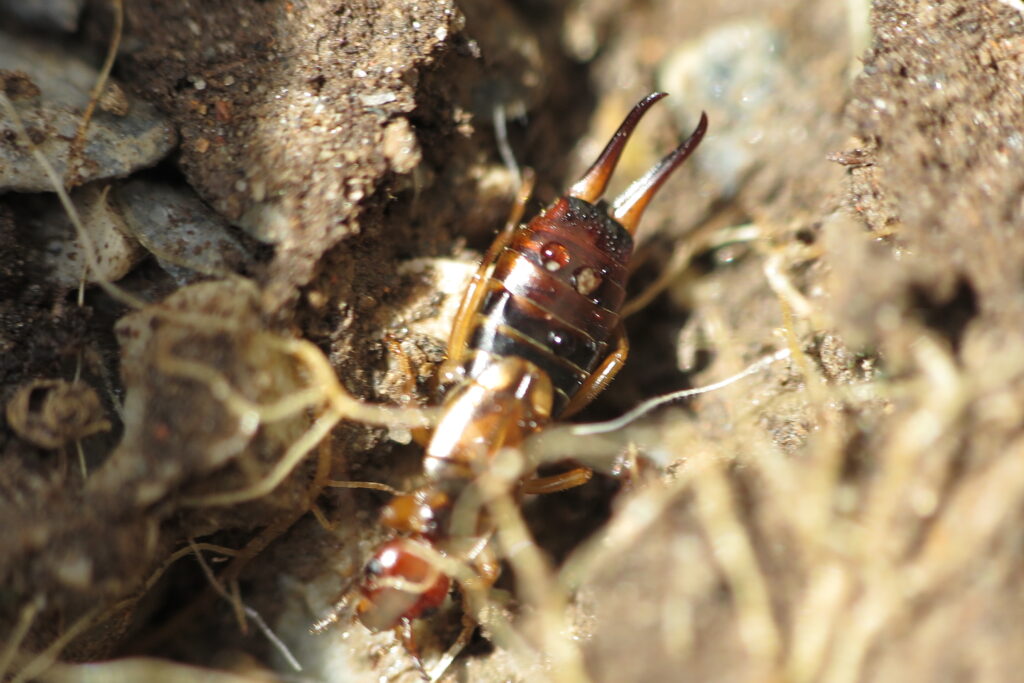
One of the most famous facts about the European Earwig involves its forceps. These structures are called cerci and occur at the tip of the abdomen. Few insects possess appendages that are so easily visible.
Male and female earwigs can often be identified by the shape of their forceps. Males usually possess larger and more strongly curved pincers, while females display straighter appendages. This difference makes the species one of the easier insects to separate by sex.
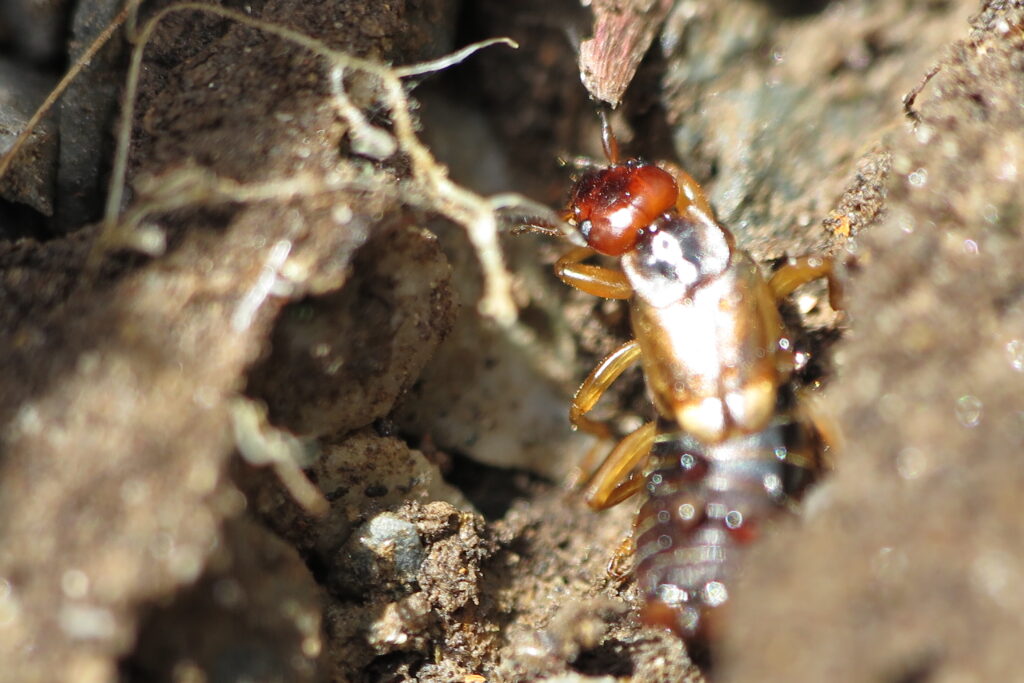
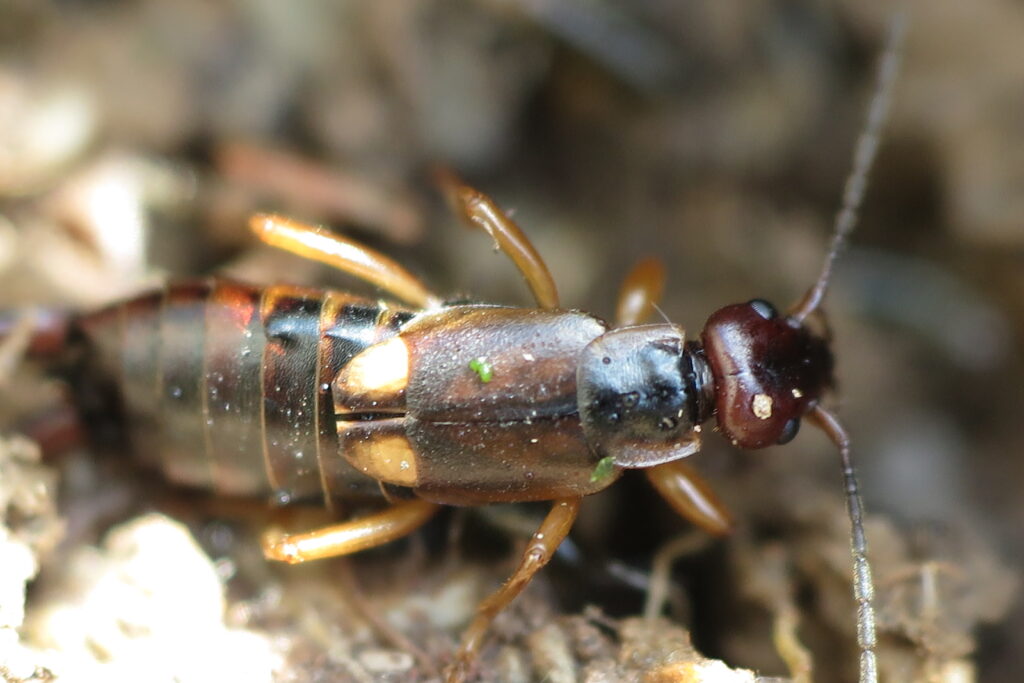
European Earwigs possess wings, although many people never realize this fact. Short forewings cover large folded hind wings hidden beneath the body. The folding pattern of these wings is remarkably complex.
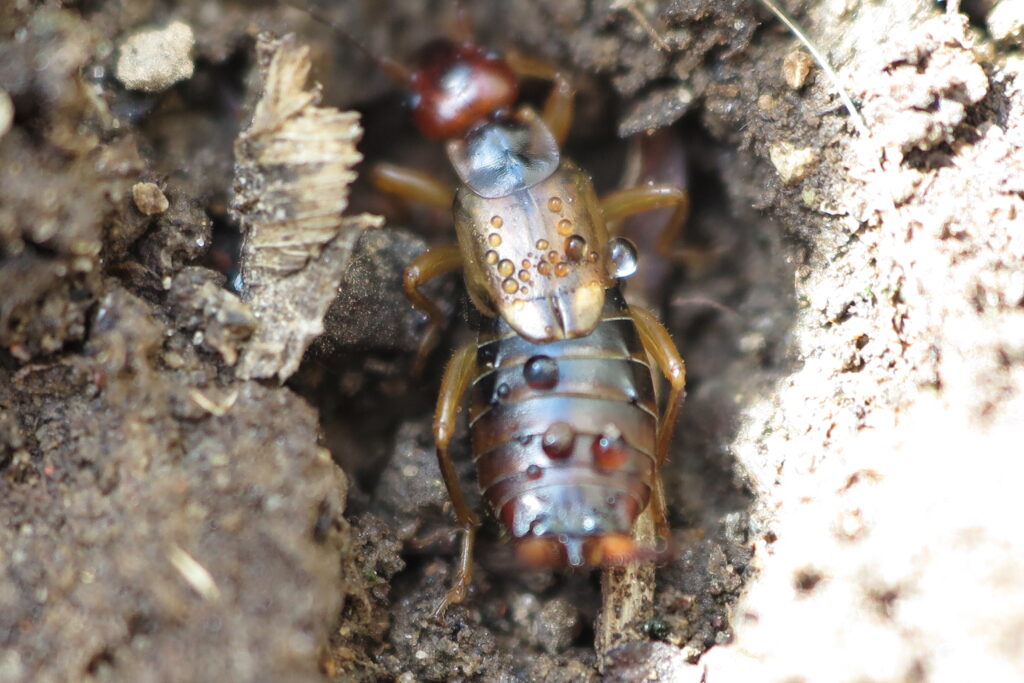
Their bodies are flexible because of the visible abdominal segments. This flexibility allows the insect to curl its abdomen upward and maneuver through narrow spaces. Such movement contributes to their distinctive appearance.
The insect’s forceps can be compared to miniature pliers attached to the rear of the body. These structures immediately distinguish earwigs from beetles, roaches, and other insects. The unusual body design has few parallels among common insects.
Coloration varies between individuals. Some appear reddish-brown, while others possess darker tones. Lighting conditions may also influence how the insect appears during observation.
Historical and Cultural Facts About Earwigs
The name “earwig” has existed for centuries and is associated with one of the most persistent insect myths. People once believed that earwigs crawled into human ears while people slept. Modern science has shown that this belief is false.
The scientific name auricularia actually refers to the ear. Historical stories and folklore influenced both common and scientific naming. These associations helped establish the insect’s unusual reputation.
Throughout Europe, earwigs appeared in traditional stories and superstitions. Their forceps and nocturnal habits often caused people to fear them. Many of these beliefs persisted long after scientific studies disproved them.
Despite these myths, earwigs rarely interact directly with humans. Most encounters occur when shelter is disturbed. The insect usually attempts to escape rather than approach people.
The persistence of these legends can be compared to myths surrounding bats or owls. Certain physical characteristics often inspire stories that continue for generations. Earwigs became victims of their unusual appearance.
Modern education has gradually replaced many misconceptions. Scientists and naturalists now emphasize the true biology of the species. These efforts have helped improve public understanding.
Amazing Biological Facts About European Earwigs
European Earwigs are among the few common insects that provide parental care. Females remain with their eggs and protect developing offspring. This behavior is relatively rare among insects.
The species has successfully spread across multiple continents. Human transportation and trade allowed populations to establish far from their original range. Today, the insect occurs throughout much of the temperate world.
Earwigs are also surprisingly adaptable. They survive in forests, gardens, farms, parks, and urban environments. This flexibility has contributed greatly to their success.
Scientists continue studying earwigs because of their unusual reproductive behaviors and social interactions. Their maternal care provides important information about the evolution of parental behavior. These studies reveal complex behaviors in a small insect.
The species can be compared to a successful traveler capable of adapting to many environments. Few insects have achieved such broad distributions while maintaining stable populations. Their ability to thrive under different conditions remains impressive.
Another remarkable fact involves their longevity. Many individuals survive for one to two years, which is relatively long for an insect of their size. This extended lifespan allows them to complete their life cycle and reproduce successfully.
The European Earwig remains one of the most fascinating insects found in temperate regions. Its forceps, parental care, worldwide distribution, and long history with humans make it far more interesting than its reputation suggests. Even after centuries of observation, this remarkable insect continues to surprise both scientists and naturalists.
Popular Searches About European Earwigs
Explore European Earwig Guide
Explore More Wildlife

Support Encounters World
Help support wildlife photography and get behind the scenes discoveries on Patreon.