
Buffalo Treehopper Damage Guide: Plant Damage, Signs, and Tree Injury
Quick Facts
Damage Level: Low to moderate
Most Affected Plants: Young trees, shrubs, and woody stems
Primary Damage Type: Egg-laying scars and stem injury
Feeding Damage: Minor sap extraction
Highest Risk Period: Late summer and fall
Serious Agricultural Threat: Usually localized
Understanding Buffalo Treehopper Damage
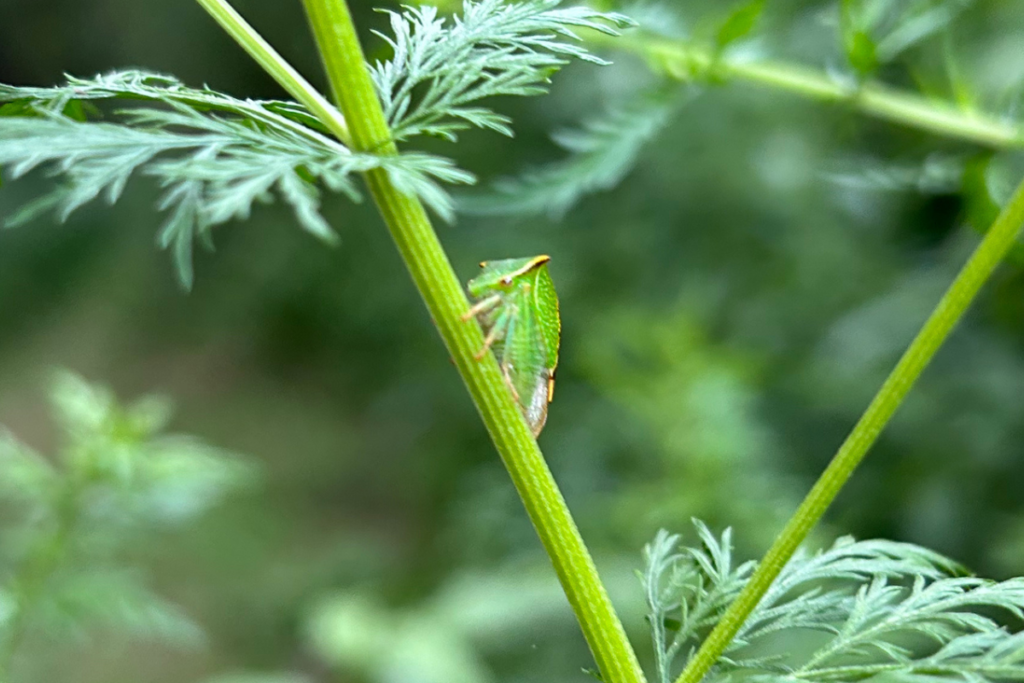
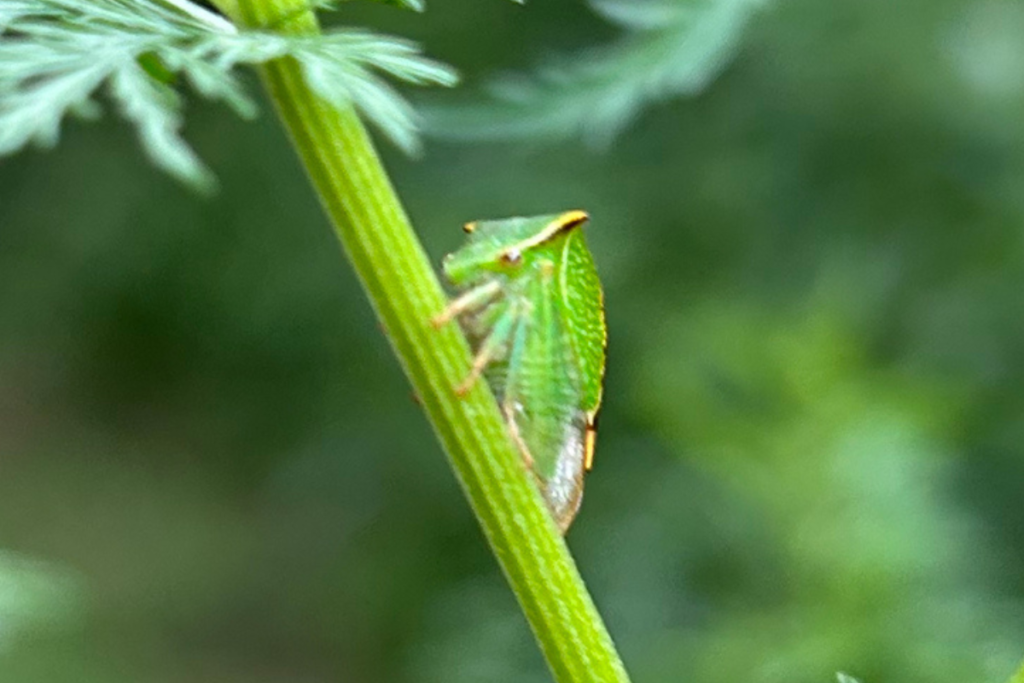
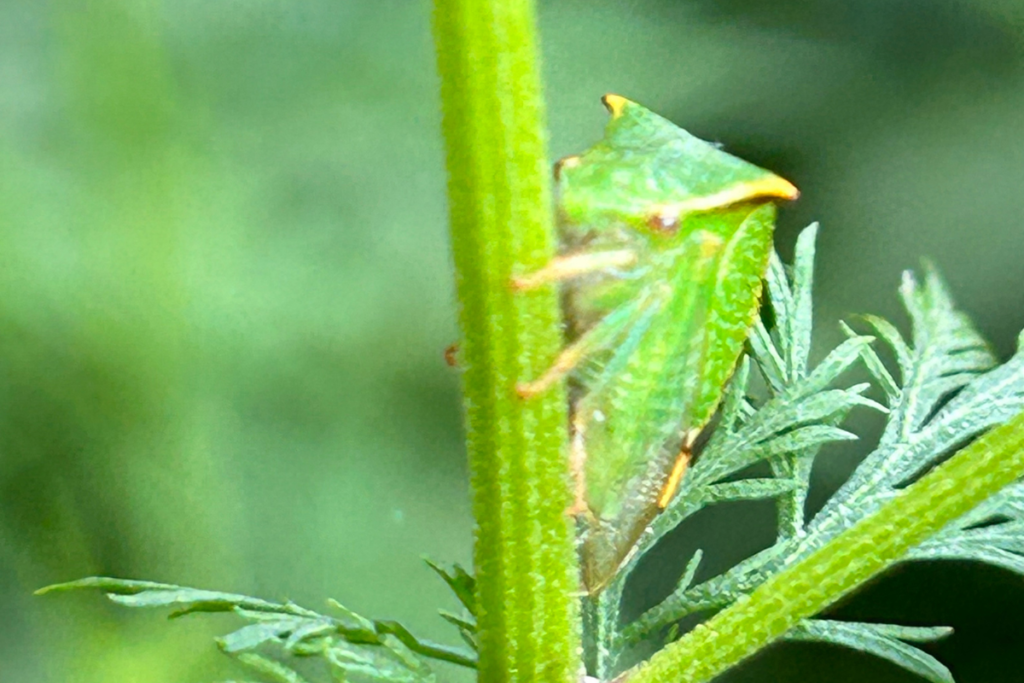
The Buffalo Treehopper (Stictocephala bisonia) is best known for its unusual appearance, but some populations can also cause minor plant damage. While most people encounter these insects resting harmlessly on vegetation, their feeding and reproductive activities occasionally leave visible signs on certain plants.
Throughout North America and introduced portions of Europe, Buffalo Treehoppers are generally considered minor pests rather than major agricultural threats. Most natural populations exist without causing noticeable problems. However, larger numbers can sometimes affect young plants and woody stems.
Damage caused by Buffalo Treehoppers often develops gradually rather than appearing suddenly. Unlike caterpillars that remove leaves or beetles that chew visible holes, this species produces subtle injuries that may not become noticeable until weeks or months later.
Many gardeners never observe any negative effects despite finding Buffalo Treehoppers on their plants. The species typically exists in low numbers, and healthy vegetation often tolerates their presence without difficulty. Problems usually develop only under specific conditions.
Buffalo Treehopper Feeding Damage to Plants
Adult and immature Buffalo Treehoppers feed by inserting their specialized mouthparts into plant tissues and withdrawing sap. This feeding method causes very little visible injury in most situations. Individual insects remove only small amounts of plant fluids.
Minor feeding scars may occasionally appear around feeding sites. Small discolorations, slight tissue damage, or localized stress can develop where repeated feeding occurs. These effects often remain difficult to detect without careful inspection.
Compared to insects such as aphids or scale insects, Buffalo Treehoppers usually produce less noticeable feeding damage. Their populations are often smaller, and individual insects spend longer periods feeding quietly on the same plant. This reduces widespread injury.
Healthy plants generally compensate for sap loss without difficulty. Mature trees and established shrubs often experience no measurable effects from a few feeding individuals. Larger plants possess enough resources to tolerate small amounts of sap removal.
Young plants may be somewhat more sensitive to repeated feeding. Small stems and recently established vegetation contain fewer reserves and may show mild stress when numerous insects are present. However, serious damage remains uncommon.
Feeding damage alone rarely kills plants. Most Buffalo Treehopper problems result from other activities rather than the extraction of sap itself. This makes their overall impact considerably lower than many other plant-feeding insects.
Egg-Laying Damage and Stem Injuries
The greatest damage caused by Buffalo Treehoppers usually occurs during egg-laying. Females use specialized structures to cut narrow slits into young stems and branches. Eggs are inserted beneath the plant surface, where they remain protected during winter.
These egg-laying scars may weaken small stems. Branches sometimes develop cracks, swelling, or roughened areas around the damaged tissue. Young trees and recently planted shrubs appear especially vulnerable to this type of injury.
As stems continue growing, damaged areas may become distorted. Twigs occasionally bend, split, or break near egg-laying scars. The injuries resemble small pruning cuts or shallow wounds created along the stem.
Fruit trees, ornamental shrubs, and nursery plants sometimes experience the greatest effects. Apple, maple, and various woody species have been reported as hosts for egg deposition. Young branches often show the most noticeable injuries.
The damage resembles tiny cuts made with a fine knife. While individual scars are usually small, multiple egg-laying sites on a single stem can increase the risk of injury. Thin branches may become especially susceptible to breakage.
Many damaged stems eventually heal over time. Plants often produce new growth around injured areas and continue developing normally. Permanent damage generally occurs only when numerous scars affect young or heavily stressed plants.
Recognizing Buffalo Treehopper Damage in the Landscape
Identifying Buffalo Treehopper damage can be difficult because symptoms develop slowly. Unlike leaf-chewing insects that leave obvious holes, this species often creates subtle signs that appear weeks after activity occurs. Careful observation may be necessary.
One of the most common signs is a row of small scars or slits along young stems. These marks may appear raised, cracked, or slightly swollen. The pattern often follows the location where eggs were deposited.
Broken twigs occasionally indicate previous damage. Thin branches weakened by egg-laying injuries may snap during strong winds or heavy rain. The break often occurs directly along the damaged section.
Mild stem deformities may also develop. Twisting, swelling, or irregular growth can occur around injured areas. These symptoms sometimes resemble mechanical damage caused by weather or pruning.
Severe infestations remain relatively uncommon in natural environments. Most landscapes contain only scattered individuals, and noticeable damage is limited to isolated plants. Large outbreaks occur far less frequently than with many agricultural pests.
Home gardeners who discover a few Buffalo Treehoppers generally do not need to remove them. Healthy, established plants usually tolerate their presence without significant consequences. Monitoring young trees and shrubs for stem damage is often sufficient.
Although Buffalo Treehoppers can cause minor injuries, they are not considered destructive insects in most situations. Their impact typically remains localized, and the majority of plants recover successfully from the small amount of damage they produce.
Popular Searches About Buffalo Treehoppers
Explore Buffalo Treehopper Guide
Explore More Wildlife

Support Encounters World
Help support wildlife photography and get behind the scenes discoveries on Patreon.