
Buff Orpington Chicken Overview: Appearance, Characteristics, and Ecosystem Role
Quick Facts
Scientific Name: Gallus gallus domesticus
Common Name: Buff Orpington Chicken
Location: Farms, homesteads, and rural environments
Average Size: 7–10 pounds
Lifespan: 6–10 years
Global Range: Domestic breed found worldwide
Conservation Status: Domesticated Breed
Notable Feature: Fluffy golden-buff feathers and rounded body shape
Location Observed: Pennsylvania, USA
Field Observation
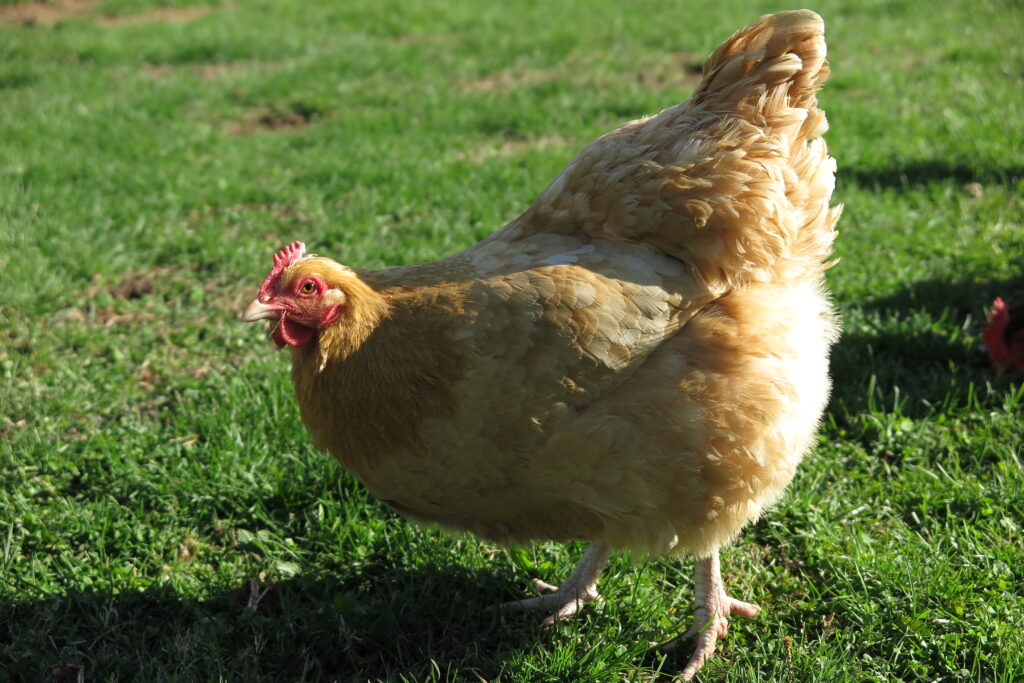
The Buff Orpington chicken was observed being one of the most human-friendly chickens in the flock, remaining calm and relaxed even when people walked nearby. It spent much of its time slowly scavenging through grass and soil for food without appearing startled or defensive. Unlike more alert or skittish breeds, the Buff Orpington seemed comfortable around human presence and continued foraging peacefully while being observed.
Introduction to the Buff Orpington Chicken and Its Worldwide Popularity
The Buff Orpington chicken is one of the most recognizable domestic chicken breeds in the world, admired for its soft golden coloring and calm appearance. Originally developed in England during the late 1800s, this breed quickly gained popularity because of its large size, attractive feathering, and ability to adapt to a wide variety of climates. Today, Buff Orpingtons can be found in backyard flocks, small farms, agricultural exhibits, and homesteads across many countries.
This breed belongs to the domestic chicken species, which traces its ancestry back to wild junglefowl native to parts of Southeast Asia. Over centuries of selective breeding, chickens diversified into hundreds of unique breeds, with the Buff Orpington becoming one of the most iconic. Its warm buff-colored plumage gives it a distinctive appearance that stands out compared to darker or more sharply patterned chickens often seen on farms.
Buff Orpington chickens are especially common in North America and Europe, though they are also raised in many other parts of the world where poultry keeping is popular. Their large feather coverage allows them to tolerate colder weather better than many lighter-bodied breeds. Because of this adaptability, they are often seen in regions with changing seasonal conditions, from cool northern farms to milder rural landscapes.
At first glance, the Buff Orpington presents a soft and rounded silhouette that feels almost oversized compared to leaner chicken breeds. Thick feathering, broad bodies, and a calm facial expression create an approachable appearance that many poultry enthusiasts appreciate. Whether viewed wandering through grassy farmland or resting near a barn, the breed carries a gentle and traditional farmyard presence that has made it famous worldwide.
Buff Orpington Chicken Overview and Distinctive Appearance
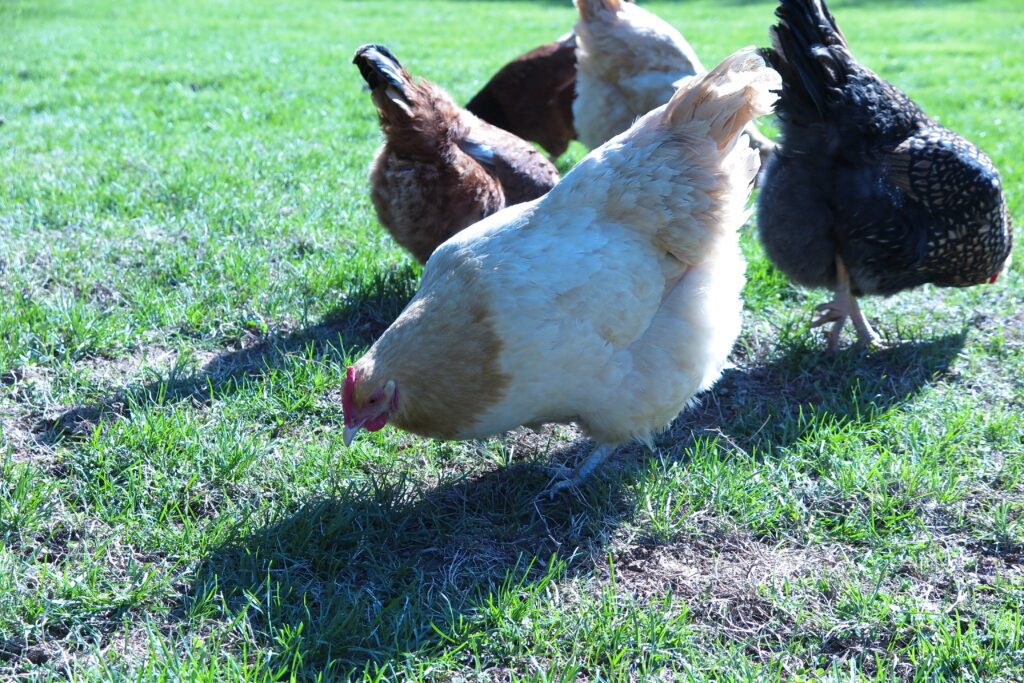
The Buff Orpington chicken is known for its broad, fluffy body and rich golden coloration that resembles warm straw or polished wheat in sunlight. Its feathers are loose and full, giving the bird a rounded appearance that can make it seem larger than it actually is. In bright daylight, the plumage often appears layered with soft shades of gold, cream, and pale orange.
Adult Buff Orpingtons are considered large chickens, with hens commonly weighing around 7 to 8 pounds and roosters sometimes exceeding 10 pounds. Their size can be compared to a medium household cat or a small turkey when viewed from a distance. Despite their weight, their thick feathering softens their outline and creates a smooth, cushion-like profile unlike slimmer egg-laying breeds.
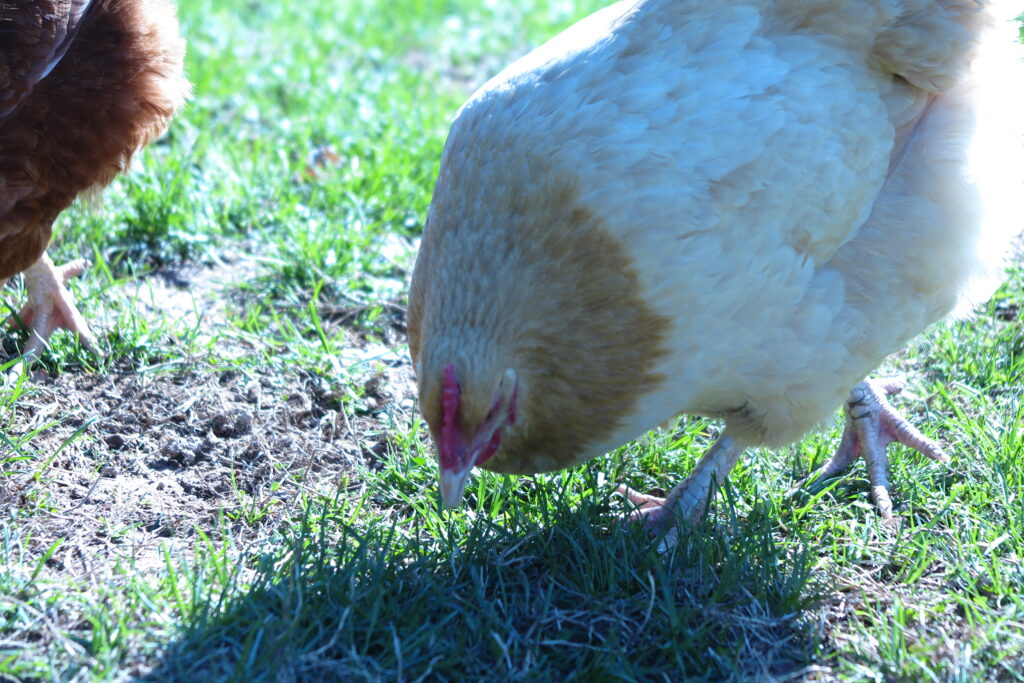
The breed’s head is relatively small compared to its body, helping emphasize its bulky form. A single upright comb sits atop the head, usually bright red in healthy birds, while wattles and earlobes add additional contrast against the pale feathers. Their eyes are often reddish-brown or amber in color, contributing to the warm tones seen across the entire bird.
Buff is the most famous color variety of the Orpington breed, though Orpington chickens also exist in black, blue, white, and splash color patterns. Even so, the buff coloration remains the signature appearance most people associate with the breed. The even golden feather coverage creates a clean and uniform look that differs from heavily patterned chickens such as Barred Plymouth Rocks or Speckled Sussex.
When seen outdoors, Buff Orpingtons often appear especially striking because sunlight reflects softly across their feather layers. Wind can fluff the feathers outward, making the birds resemble oversized feathered spheres moving slowly through grass or dirt. Their tails are short and curved gently upward, blending naturally into the rest of the rounded body shape instead of standing sharply upright.
Another noticeable trait is the heavy feathering around the thighs and lower body. This gives the chicken a low, grounded appearance and partially hides the upper legs while walking. Compared to lean Mediterranean breeds like Leghorns, Buff Orpingtons appear far more compact and heavily built, almost resembling decorative heritage birds despite their practical farm origins.
General Characteristics of the Buff Orpington Chicken Breed
One of the defining characteristics of the Buff Orpington chicken is its exceptionally soft feather texture. The feathers are not tight against the body like those of many athletic poultry breeds. Instead, they puff outward slightly, creating a thick insulating layer that contributes to the bird’s rounded appearance and helps distinguish it instantly from narrower-bodied chickens.
The breed’s body shape is deep and broad, with a low center of gravity that gives it a sturdy appearance. From the side, the outline resembles a smooth oval or teardrop shape, especially in hens. This differs significantly from taller, upright breeds that appear more angular and lightweight in posture.
Buff Orpingtons also possess relatively short wings that remain tucked neatly against the body beneath dense feathering. Because of their heavy build, they are not strong fliers compared to smaller chicken breeds. Their thick body proportions prioritize stability and mass rather than agility, giving them a grounded and composed visual presence.
The feather coloration itself is another standout feature. High-quality Buff Orpingtons display an even buff shade across nearly the entire body without dramatic markings or dark patches. The color is often compared to dried wheat fields, honey-colored fabric, or golden autumn grass. This consistent coloring contributes greatly to the breed’s popularity in poultry exhibitions and ornamental flocks.
Their combs are medium-sized and upright, usually with five distinct points. Against the pale feathering, the bright red comb and wattles become highly visible, creating strong color contrast on the bird’s face. This classic farm-chicken appearance makes the Buff Orpington immediately recognizable even to people unfamiliar with poultry breeds.
Compared to Rhode Island Reds, which have darker reddish feathers and a more streamlined body, Buff Orpingtons appear softer and fuller overall. Some people even compare their feather coverage to a feathered cushion or pillow because of how rounded the birds appear when resting. This unusually fluffy form has become one of the breed’s most celebrated traits.
Buff Orpington Chicken Role in Agricultural and Natural Ecosystems
Although domestic chickens are closely associated with farms and human-managed environments, Buff Orpington chickens still play an important role within small agricultural ecosystems. Their presence influences soil conditions, insect populations, seed distribution, and nutrient cycling in areas where they are raised. Even in controlled farm settings, these birds contribute to environmental balance in several ways.
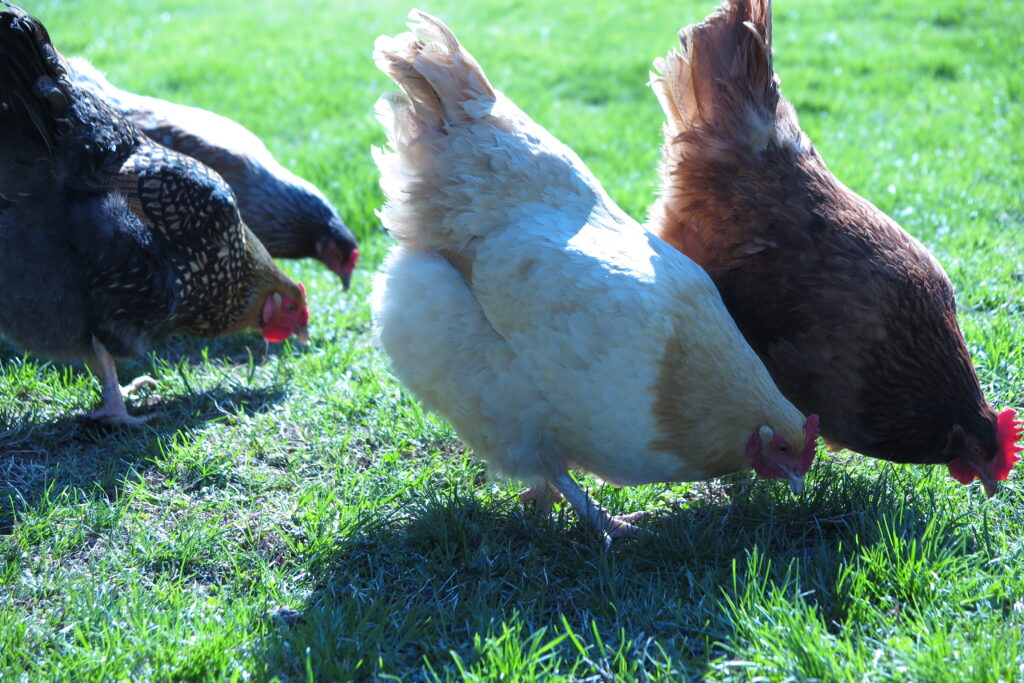
Like many domestic chickens, Buff Orpingtons help naturally disturb and aerate soil while moving across open ground. Their scratching and pecking activities loosen surface material and can assist with breaking apart compacted dirt. This mild disturbance may help improve soil turnover in gardens, orchards, and rural landscapes where chickens are allowed to roam freely.
Buff Orpington chickens also contribute organic material back into the environment. Feathers, waste, and natural decomposition processes provide nutrients that can enrich soil quality over time. On small farms, chicken manure is commonly incorporated into compost systems because of its value in supporting plant growth and agricultural productivity.
Within the broader food web, domestic chickens can serve as prey for larger predators in rural areas. Foxes, hawks, coyotes, raccoons, and other opportunistic animals may target chickens if they are not protected. Because of this, chickens indirectly support predator populations in some agricultural ecosystems, particularly near forest edges or open countryside.
The breed also plays an important role in maintaining genetic diversity among heritage poultry lines. Buff Orpingtons are considered a classic heritage breed with historical agricultural significance. Preserving such breeds helps maintain a wider range of domestic poultry genetics, which can become important for future farming resilience and breeding programs.
Beyond agriculture, Buff Orpington chickens help connect people with traditional farming practices and sustainable animal care. Many small homesteads and educational farms use heritage breeds to teach about food systems, livestock management, and rural ecology. Their calm appearance and recognizable form often make them ambassadors for backyard farming and conservation-minded poultry keeping, helping preserve interest in traditional domestic breeds for future generations.
Observation Location
Observed in York County, Pennsylvania, USA
Popular Searches About Buff Orpingtons
Explore Buff Orpington Guide
Explore More Domestic Animals

Support Encounters World
Help support wildlife photography and get behind the scenes discoveries on Patreon.