
Buff Orpington Chicken Behavior Guide: Temperament, Movement, and Survival Traits
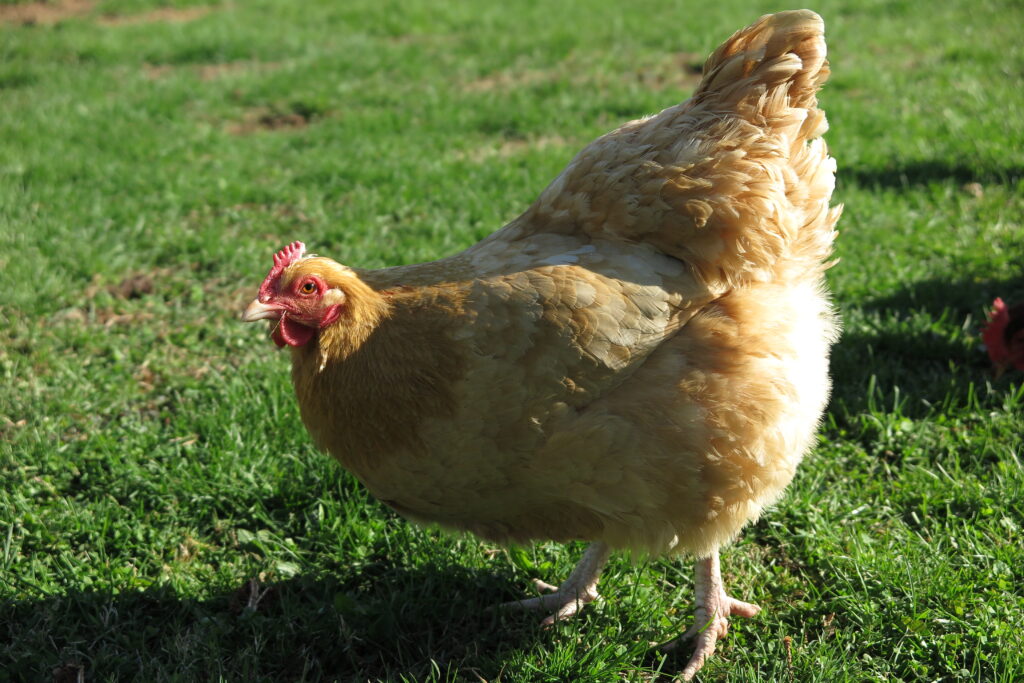
Quick Facts
Activity Type: Diurnal
Social Structure: Highly social flock bird
Territorial Behavior: Mild and non-aggressive
Movement Style: Slow, steady ground foraging
Communication Method: Vocal clucks, calls, and body posture
Defense Strategy: Group awareness and cautious retreat
Introduction to Buff Orpington Chicken Behavior and Daily Life
The Buff Orpington chicken is widely recognized for its calm personality and relaxed demeanor, making it one of the most approachable domestic chicken breeds in the world. Originally developed in England, this breed is now found on farms, backyard homesteads, agricultural exhibits, and small rural properties across many countries. Its behavior reflects generations of selective breeding focused on creating a manageable and adaptable domestic bird.
In open farm environments, Buff Orpingtons often appear peaceful and unhurried compared to more energetic poultry breeds. Their large feathered bodies move steadily through grass, dirt, and farmyards while they explore their surroundings. Rather than reacting nervously to every movement nearby, they usually maintain a composed presence that makes them especially popular among beginner poultry keepers.
Observers commonly notice how comfortable these chickens appear around people and other animals. In mixed flocks, Buff Orpingtons tend to blend naturally into group activity without displaying constant dominance or agitation. Their behavior can resemble the calm attitude of domesticated ducks or geese resting near a pond, where movement feels steady and predictable rather than frantic or reactive.
Although they are domestic animals, Buff Orpingtons still retain many instincts shared by chickens worldwide. They remain alert to sudden noises, shadows, and unfamiliar movement even while appearing relaxed. This balance between calm social behavior and natural caution helps explain why the breed adapts successfully to a wide range of managed environments across the globe.
Buff Orpington Chicken Behavior Overview and Temperament Traits
Buff Orpington chickens are generally known for their gentle and passive behavioral tendencies. Unlike lighter-bodied breeds that dart rapidly across open ground, Buff Orpingtons usually move with patience and consistency. Their relaxed posture and slower pace give them a noticeably calmer appearance within a flock environment.
One of the breed’s most recognizable traits is its tolerance of human interaction. Many Buff Orpingtons remain composed when people walk nearby, continuing normal activity rather than fleeing immediately. This calmness often makes them easier to manage than highly reactive breeds such as Leghorns, which are known for nervous and fast-moving behavior.
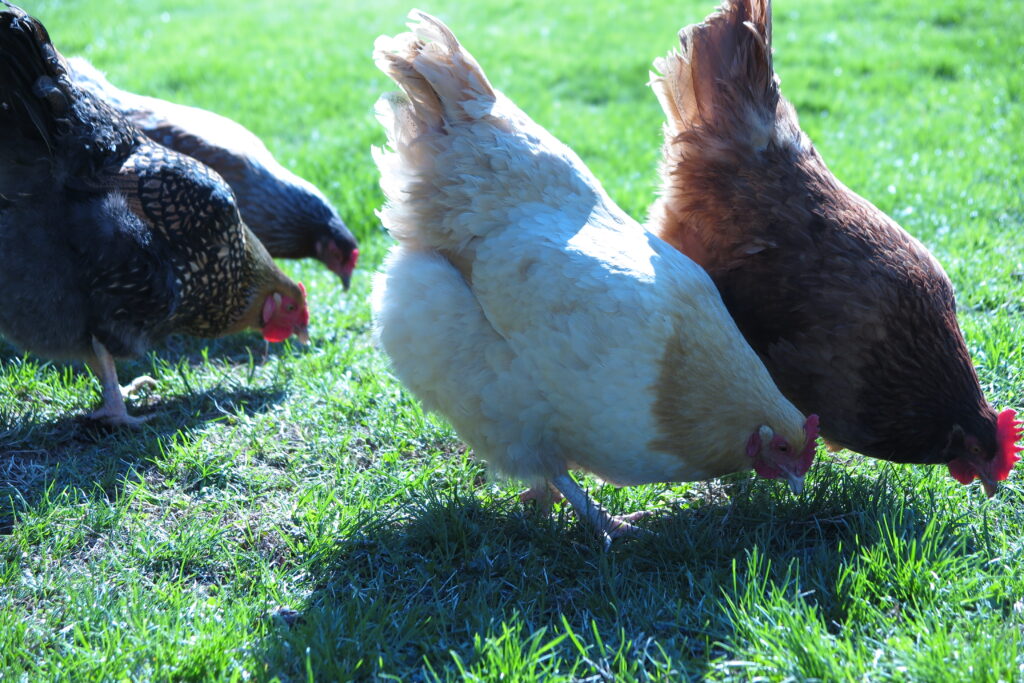
Within social groups, Buff Orpingtons usually maintain cooperative flock behavior rather than excessive dominance. They naturally gather near one another while resting, roaming, or exploring open areas. Instead of constant pecking-order disputes, interactions are often quieter and less confrontational compared to more aggressive chicken breeds.
When undisturbed, Buff Orpingtons spend much of their day calmly investigating the ground and observing nearby activity. Their behavior can resemble slow-moving grazing animals that steadily move through an environment without sudden bursts of energy. Even while remaining active, the breed rarely appears frantic or chaotic.
Adaptability is another major part of their behavioral profile. Buff Orpingtons adjust well to changing weather conditions, different flock sizes, and varying levels of human presence. Whether living in small backyard coops or larger farm settings, they often maintain a consistent and manageable temperament that changes little from day to day.
The breed also demonstrates strong social awareness within flock dynamics. Individuals frequently remain close to other chickens and react collectively to unusual disturbances. If one bird becomes alert to movement or noise, nearby Buff Orpingtons often pause simultaneously before resuming activity once the environment feels safe again.
Buff Orpington Chicken Movement and Daily Activity Patterns
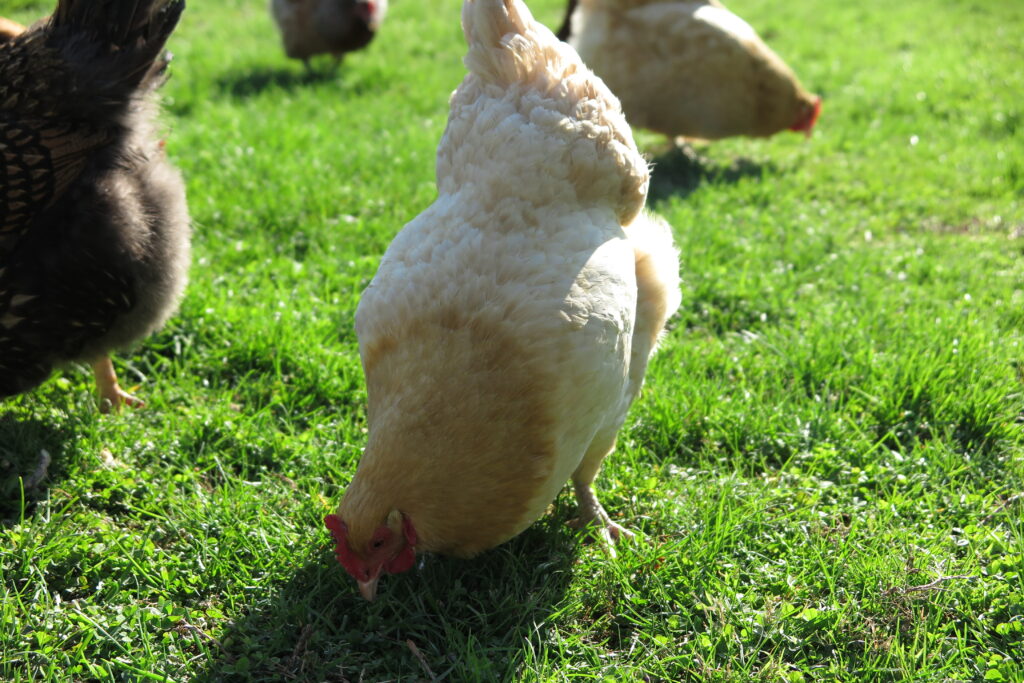
Buff Orpington chickens are primarily active during daylight hours, with the majority of movement occurring from morning through late afternoon. Early in the day, they often emerge slowly and begin exploring open ground while searching through grass, soil, or scattered debris. Their routines usually follow a steady rhythm rather than sudden cycles of intense activity.
The breed’s movement style is best described as deliberate and controlled. Buff Orpingtons walk with heavy, balanced steps that match their broad body structure and dense feather coverage. Compared to lighter chickens that sprint rapidly across farmyards, their motion resembles a slow rolling pace similar to a turkey calmly crossing an open field.
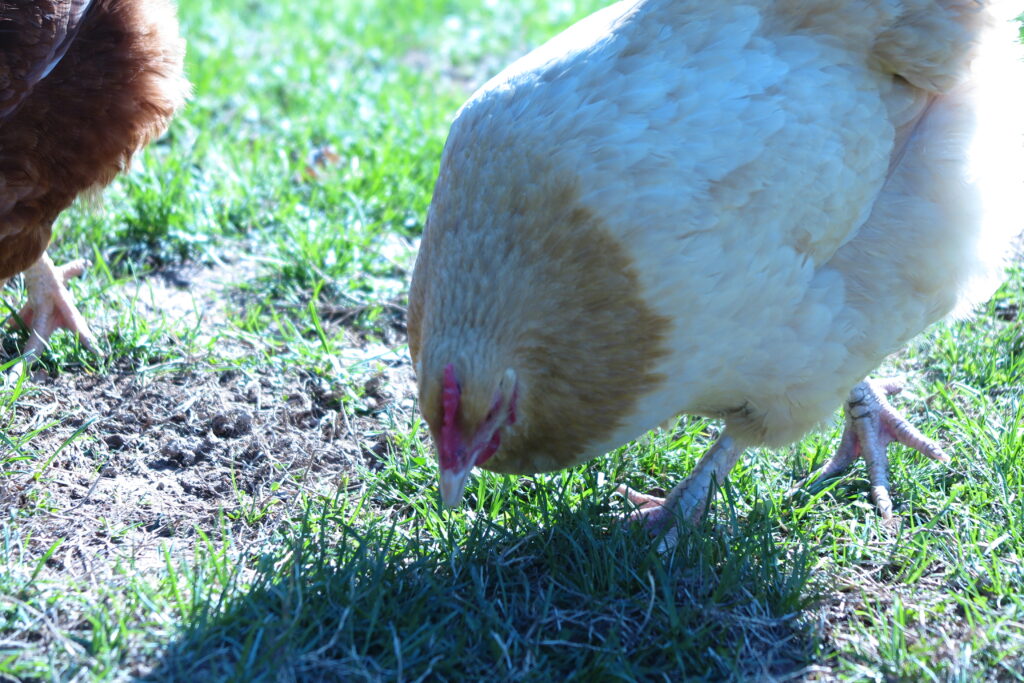
Much of their activity centers around continuous ground-level movement. They spend long periods wandering gradually through an area while pausing frequently to inspect objects or reposition themselves. Instead of covering large distances quickly, Buff Orpingtons often focus on methodical exploration within a smaller space.
During warmer weather, activity may slow during the hottest parts of the afternoon. Birds commonly seek shade, remain seated for longer periods, or reduce unnecessary movement to conserve energy. Their thick feathering provides insulation but can also make prolonged heat physically demanding compared to slimmer chicken breeds.
As evening approaches, Buff Orpingtons typically become less active and begin gathering closer to familiar resting areas. Movements become slower and more cautious as daylight fades. This predictable evening behavior reflects strong daily routines that many domesticated chickens maintain regardless of location.
Seasonal conditions can also influence movement patterns. During colder months, Buff Orpingtons often remain active longer than smaller breeds because of their heavy feather insulation. Snow or chilly winds may reduce speed slightly, but the birds usually continue walking and exploring steadily while appearing relatively comfortable in lower temperatures.
Buff Orpington Chicken Interaction and Survival Behavior
Although Buff Orpington chickens are known for their calm personality, they still possess important survival instincts that influence how they react to danger and unfamiliar situations. When startled by loud sounds or sudden motion, they immediately become more alert and begin scanning their surroundings. Neck posture often rises higher while the flock pauses momentarily to assess potential threats.
Unlike aggressive breeds that may react with direct confrontation, Buff Orpingtons usually rely on cautious retreat and group awareness for protection. If danger appears nearby, they commonly move together toward cover rather than scattering wildly. This coordinated response helps reduce panic and allows the flock to remain visually connected during stressful situations.
Communication plays a major role in these interactions. Buff Orpingtons use soft clucks, warning sounds, and subtle body positioning to signal awareness to nearby birds. A single chicken becoming uneasy can quickly influence the behavior of the rest of the flock, creating a chain reaction of alertness across the group.
Their heavy body structure affects how they respond physically to threats. Because they are not especially fast fliers, Buff Orpingtons typically depend more on running short distances or seeking shelter than escaping into the air. In many situations, nearby fencing, vegetation, or coop structures become their primary defensive refuge.
Social cooperation also contributes to their survival behavior. Birds often remain close enough to observe one another, especially when resting or moving through unfamiliar areas. This group-oriented instinct improves awareness because multiple birds can detect unusual movement or sounds more effectively than a single isolated individual.
One commonly observed survival response occurs when overhead shadows suddenly pass across the ground. Even calm Buff Orpingtons may briefly crouch, freeze, or rush toward shelter after detecting fast-moving shadows associated with aerial predators. Once the perceived danger disappears, the flock usually resumes normal activity gradually, returning to its relaxed and steady behavior within minutes.
Popular Searches About Buff Orpingtons
Explore Buff Orpington Guide
Explore More Domestic Animals

Support Encounters World
Help support wildlife photography and get behind the scenes discoveries on Patreon.