
Groundhog Behavior Guide: Daily Activity, Movement, and Survival Strategies

Quick Facts
Activity Type: Diurnal (primarily active during daylight hours)
Social Structure: Mostly solitary
Territorial Behavior: Maintains individual home areas with limited overlap
Movement Style: Ground-based walking, short bursts of running, and climbing when necessary
Communication Method: Vocalizations, scent marking, body posture, and warning calls
Defense Strategy: Burrow retreat, vigilance, and rapid escape
Groundhog Behavior and Daily Life Overview
The groundhog (Marmota monax), also known as the woodchuck, is a widespread North American mammal found throughout much of the United States and southern Canada. It occupies a variety of landscapes ranging from agricultural regions to suburban green spaces. Although frequently observed near human development, it remains a naturally cautious wild animal.
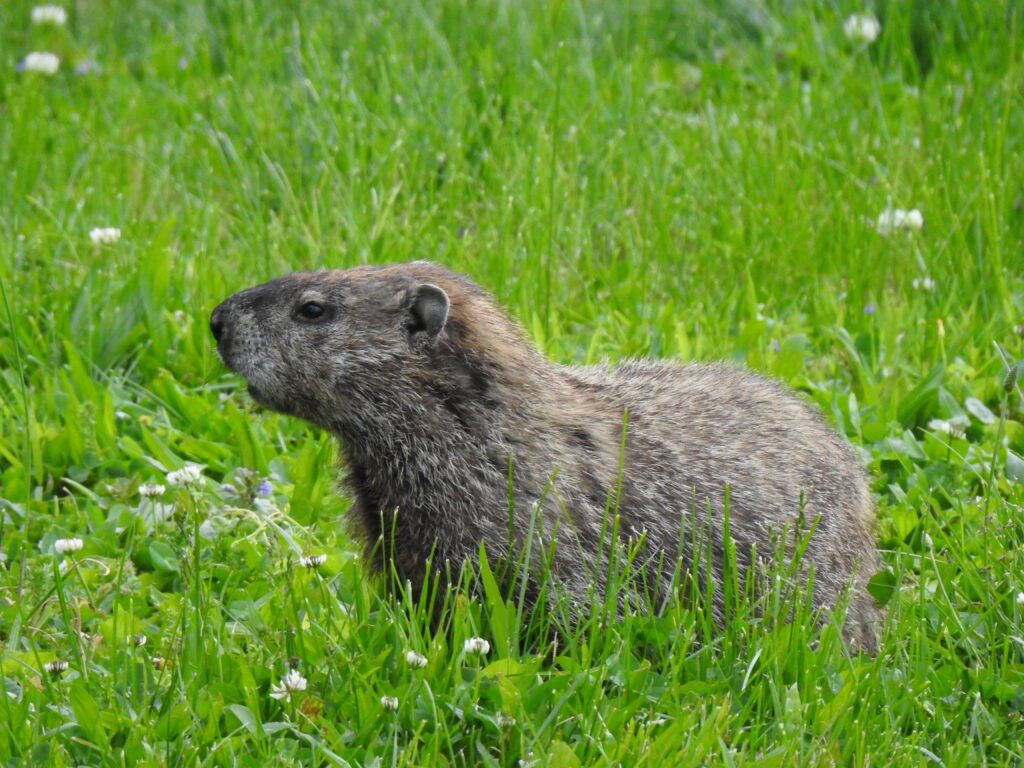
Unlike many mammals that become active under the cover of darkness, groundhogs are most commonly encountered during daylight hours. A person walking through a meadow or driving along a rural road may spot one standing motionless near vegetation or sitting close to a burrow entrance. These brief encounters often reveal only a small part of the animal’s daily routine.
At first glance, a groundhog can appear calm and almost indifferent to its surroundings. However, careful observation often reveals constant awareness of nearby activity. Even while resting or feeding, individuals frequently pause to monitor the environment around them.
This combination of visible confidence and underlying caution defines much of the species’ behavior. Groundhogs spend much of their lives balancing routine activities with the need to remain alert. Their behavioral patterns reflect generations of adaptation to environments where opportunities and risks exist side by side.
Groundhog Behavioral Tendencies and Awareness Patterns
Groundhogs generally display a deliberate and predictable behavioral style. They rarely appear frantic or hyperactive, instead carrying out activities with a measured pace that reflects their energy-efficient lifestyle. Much of the day is spent alternating between periods of activity and periods of observation.
When undisturbed, a groundhog often appears surprisingly relaxed. Individuals may sit upright, stretch out in the sun, or remain nearly motionless while surveying the surrounding landscape. This calm demeanor can give the impression that the animal is unconcerned, though its senses remain actively engaged.
Their overall behavioral approach can be compared to a cautious homeowner repeatedly checking the windows before continuing with daily chores. Groundhogs regularly interrupt ongoing activities to reassess conditions around them. Small changes in sound, movement, or unfamiliar objects may trigger immediate attention.
Adaptability is another notable characteristic of the species. Groundhogs are capable of adjusting their routines in response to changing levels of disturbance. Individuals living near frequently used trails, roads, or neighborhoods often develop different tolerance levels than those occupying more isolated areas.
Although generally solitary, groundhogs are not constantly aggressive toward others of their kind. Most interactions involve maintaining personal space rather than direct confrontation. This tendency reduces unnecessary conflicts while allowing individuals to focus on their own daily activities and survival needs.
Groundhog Movement and Seasonal Activity Patterns
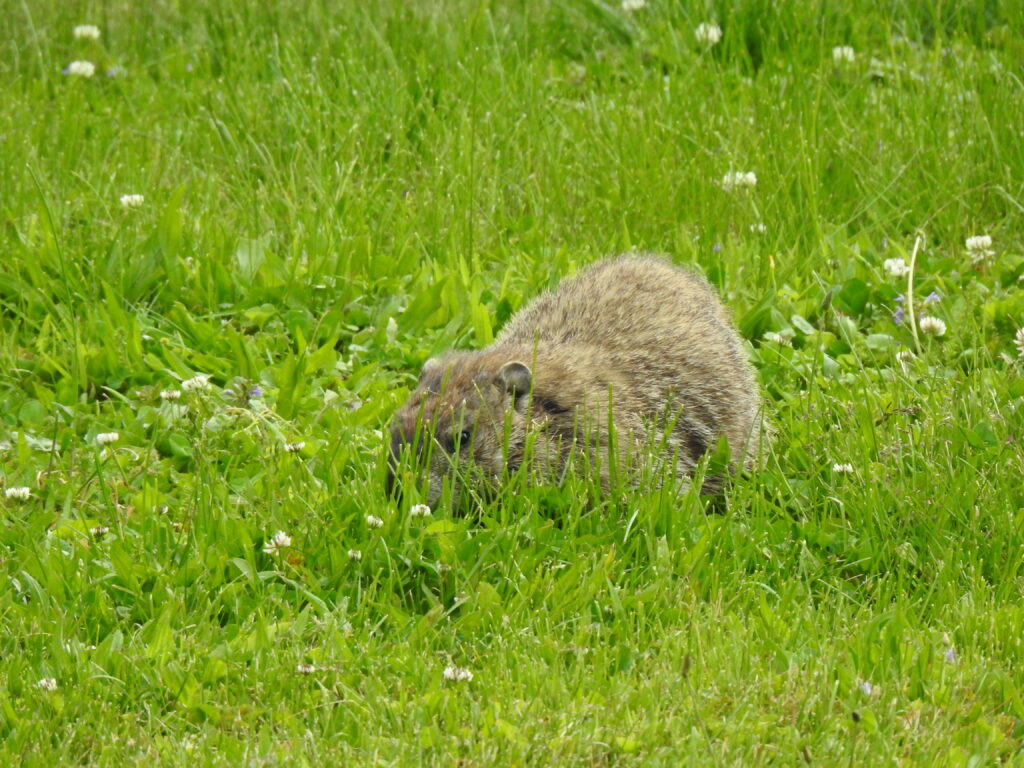
Groundhog movement is best described as purposeful rather than fast-paced. During routine travel, individuals typically walk with a steady, rolling gait created by their stocky body structure and relatively short legs. Their motion often resembles a heavily loaded backpack being carried across uneven ground.
Despite their bulky appearance, groundhogs can accelerate surprisingly quickly when necessary. A startled individual may transition from a slow walk into a rapid dash within seconds. These bursts of speed are usually brief but highly effective when reaching safety.
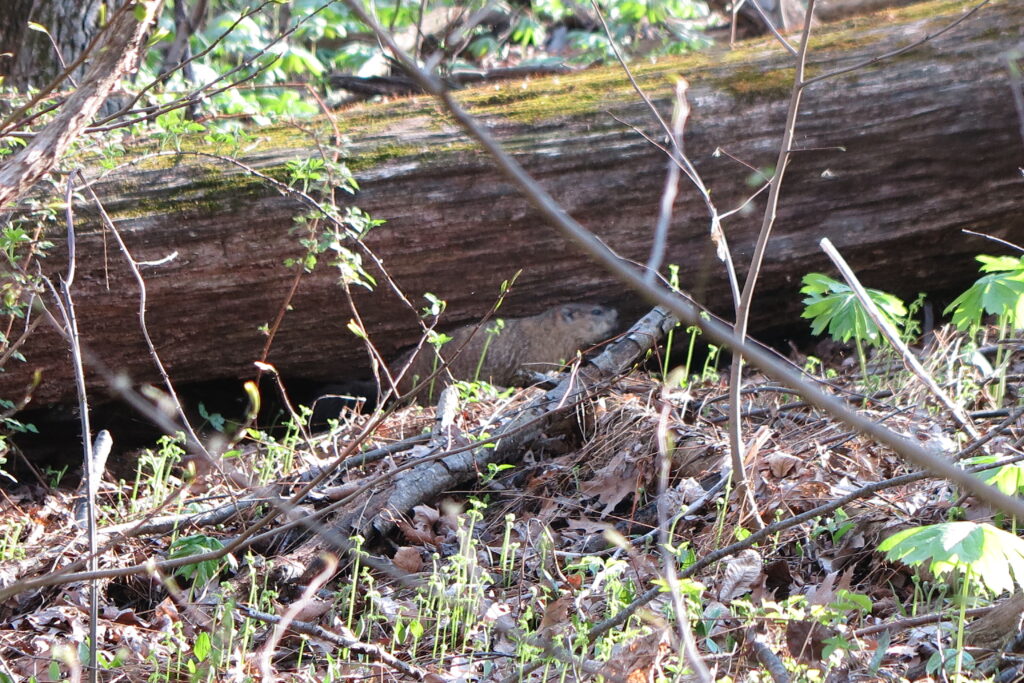
Most activity occurs during daylight hours, particularly during the morning and late afternoon. During periods of intense midday heat, individuals often reduce movement and remain closer to shelter. This schedule helps conserve energy while minimizing unnecessary exposure.
Seasonal changes strongly influence overall activity levels. During warmer months, groundhogs are frequently observed above ground conducting daily routines. As colder weather approaches, visible activity gradually declines until extended periods of winter inactivity begin.
Energy conservation plays an important role throughout the year. Groundhogs avoid wasting effort on unnecessary movement and often choose efficient travel routes. Their approach can be compared to a commuter taking familiar roads rather than constantly exploring new paths.
Although primarily ground-dwelling, these animals are more versatile movers than many people realize. They are capable climbers when circumstances require it and can navigate obstacles that might seem difficult for such a heavily built mammal. This flexibility adds another layer to their overall movement strategy.
Groundhog Survival Responses and Social Interactions
Groundhog survival depends heavily on awareness and rapid decision-making. Rather than confronting potential threats directly, individuals typically rely on early detection and avoidance. This approach reduces the likelihood of dangerous encounters before they escalate.
One of the species’ most recognizable defensive behaviors is its tendency to freeze. When uncertain about a disturbance, a groundhog may suddenly become motionless while carefully evaluating the situation. Remaining still allows it to gather information without immediately revealing its intentions.
If a threat appears more serious, the response often changes dramatically. A groundhog that seemed relaxed moments earlier may sprint toward safety with surprising speed. This rapid shift from calm observation to urgent movement demonstrates the effectiveness of its defensive instincts.
Communication also contributes to survival. Groundhogs produce various sounds, including sharp warning calls that can alert nearby individuals to potential danger. These vocalizations are especially useful when visibility is limited or threats approach from a distance.
Interactions between groundhogs are generally structured around maintaining boundaries rather than forming large social groups. Adults usually spend much of their time alone and avoid prolonged contact with unrelated individuals. This solitary lifestyle reduces competition and lowers the likelihood of conflict.
Young groundhogs display some of the species’ earliest survival behaviors shortly after emerging into the outside world. Even at an early age, they quickly learn to react to movement, seek cover, and remain cautious of unfamiliar situations. These instinctive responses help prepare them for independent life and contribute to the long-term success of the species across its extensive North American range.
Popular Searches About Groundhogs
Explore Groundhog Guide
Explore More Wildlife

Support Encounters World
Help support wildlife photography and get behind the scenes discoveries on Patreon.