
European Earwig Habitat: Range, Environment, and Natural Living Areas
Quick Facts
Primary Habitat: Moist Soil and Ground Cover
Secondary Habitat: Gardens, Forest Edges, and Urban Areas
Climate Preference: Temperate and Humid Climates
Environment Type: Terrestrial Habitats with Shelter
Elevation / Depth Range: Sea Level to Over 6,000 Feet
Geographic Distribution: Europe, Asia, North America, Australia, and New Zealand
European Earwig Habitat Introduction and Global Range
The European Earwig (Forficula auricularia) occupies a remarkably broad geographic range that spans several continents. Originally native to Europe, western Asia, and northern Africa, the species has expanded successfully into many temperate regions around the world. Today, it occurs throughout much of North America and numerous areas influenced by human activity.
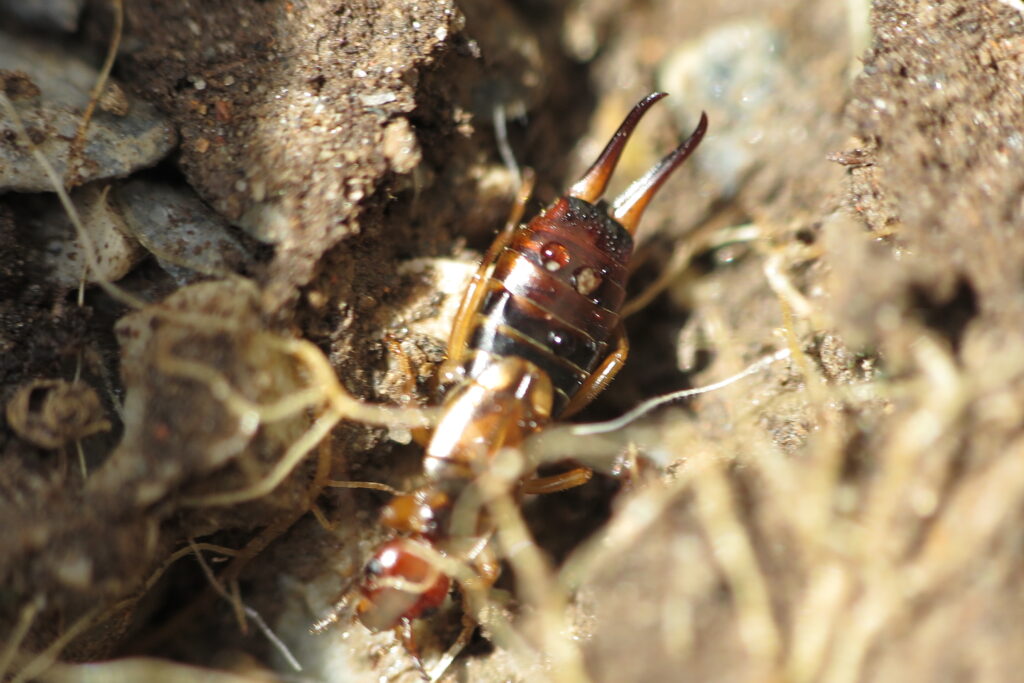
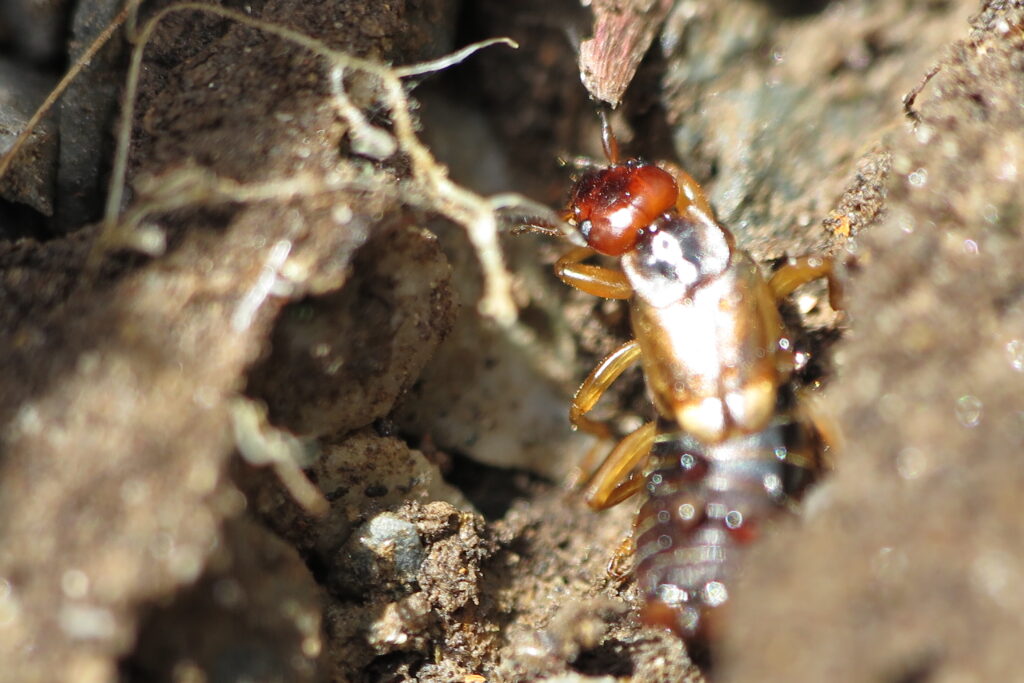
Many observations take place close to the ground where moisture, shade, and shelter combine to create suitable environmental conditions. The insect often remains hidden beneath natural materials, making its presence more common than many people realize. Its ability to remain concealed allows populations to thrive even in heavily populated areas.
The landscapes occupied by the European Earwig vary considerably from one region to another. Some populations occur in natural settings, while others live in gardens, farms, parks, and residential areas. This broad environmental tolerance has contributed greatly to the species’ worldwide success.
A quiet morning after rain often reveals ideal surroundings for this insect. Moist soil, fallen leaves, and shaded surfaces create conditions that support numerous hidden invertebrates. Within these environments, the European Earwig occupies small spaces that provide protection from the outside world.
Across its range, the species has demonstrated an ability to occupy environments that combine cover and stable conditions. This flexibility allows populations to become established in both natural and human-altered landscapes. As a result, the European Earwig remains one of the most widespread earwig species on Earth.
European Earwig Habitat Overview Across Its Range
The European Earwig occurs within a wide variety of environmental settings. Wooded landscapes, agricultural fields, suburban neighborhoods, and urban green spaces may all support populations. This adaptability allows the species to occupy regions that differ greatly in appearance.
Compared to many insects that require highly specialized environments, the European Earwig displays considerable flexibility. Some species remain restricted to specific vegetation types or climatic conditions, while earwigs utilize numerous habitat categories. Their success reflects this ability to exploit multiple environments.
Open landscapes, mixed vegetation areas, and transitional zones frequently support earwig populations. Areas where shade and exposed ground occur together often provide suitable conditions. These mixed environments increase the availability of shelter and stable temperatures.
The species can be compared to house sparrows or white-tailed deer in terms of environmental adaptability. All three animals have successfully expanded into areas modified by humans. Their ability to exploit changing landscapes contributes greatly to their widespread distribution.
Although earwigs occur across broad geographic regions, local populations often concentrate within small suitable areas. A garden bed, fallen log, or shaded corner may contain numerous individuals. These microhabitats provide conditions necessary for long-term survival.
The environmental range of the European Earwig continues to expand in some regions. Human transportation, landscaping, and agriculture have helped move the species into new areas. Once established, populations frequently persist for many years.
European Earwig Habitat Types and Landscape Use
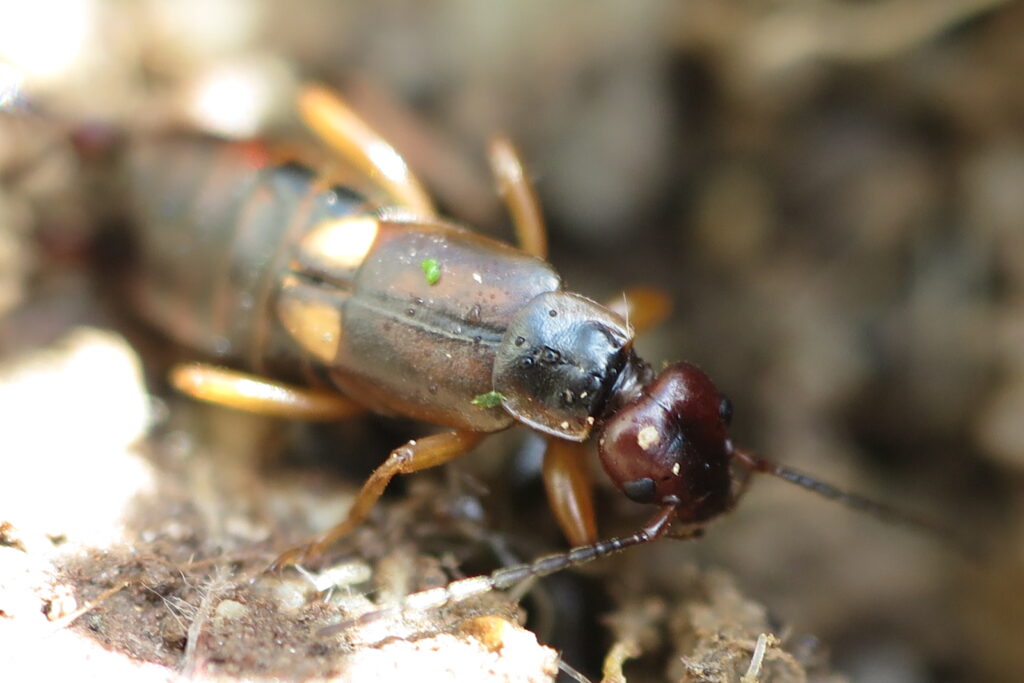
Forests represent one important habitat category for European Earwigs. Leaf litter, fallen branches, loose bark, and decomposing wood provide numerous hiding places. Woodland edges often support especially high numbers because of increased plant diversity and ground cover.
Gardens and landscaped areas have become major habitats throughout much of the species’ introduced range. Flower beds, mulch, compost piles, and decorative stones create abundant shelter. Residential environments frequently provide stable conditions that support local populations.
Agricultural habitats also support earwigs. Orchards, crop fields, and agricultural margins contain plant debris and soil conditions suitable for the species. Some farming environments provide both shelter and feeding opportunities throughout the growing season.
Urban habitats contribute significantly to the species’ modern distribution. Sidewalk cracks, retaining walls, flower planters, and landscaped parks all provide potential habitat. The ability to occupy cities demonstrates the remarkable adaptability of the insect.
Variation occurs even within these habitat types. Some populations prefer shaded woodland interiors, while others concentrate along field edges or garden borders. These differences reflect local conditions and the availability of suitable shelter.
Wetland margins and stream corridors may also support earwigs where stable moisture levels exist. These environments often contain abundant plant material and protected hiding places. However, permanently saturated areas are generally avoided.
European Earwig Environmental Conditions and Climate
Moisture represents one of the most important environmental factors affecting European Earwig distribution. Areas with moderate humidity and damp soil frequently support healthy populations. Excessively dry conditions may reduce activity and survival.
Temperature also influences habitat suitability. Temperate climates with moderate seasonal variation provide ideal conditions for the species. Extremely cold or extremely hot environments may limit population size.
The structure of ground vegetation contributes significantly to habitat quality. Leaves, mulch, grasses, and plant debris create protected spaces that reduce exposure. These materials function much like insulation within the environment.
Seasonal changes influence environmental conditions throughout the year. Spring and early summer often provide favorable temperatures and moisture levels. Hot, dry periods may reduce surface activity, while colder seasons encourage shelter use.
The preferred environment can be compared to the conditions found beneath a damp piece of cardboard left outdoors. Cool temperatures, moderate moisture, and protection from direct sunlight create an ideal microclimate. Many earwigs actively seek these conditions.
Soil composition may also influence habitat quality. Loose soils with organic material provide suitable conditions for shelter and reproduction. Compacted or extremely dry soils generally support fewer individuals.
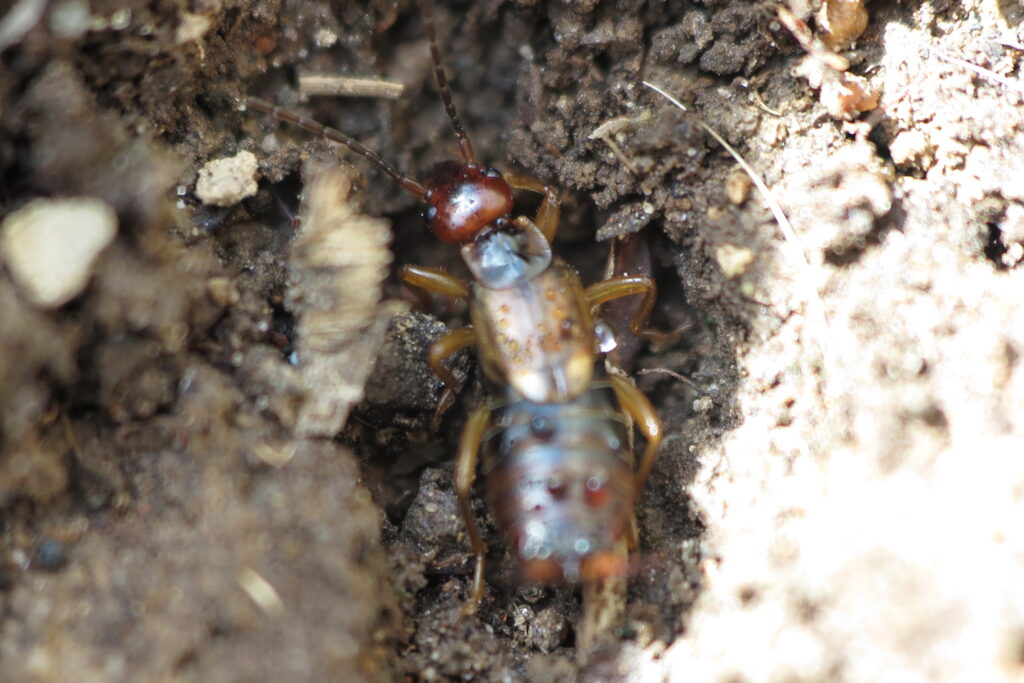
The European Earwig succeeds because it occupies environments that maintain relatively stable conditions close to the ground. Moisture, cover, moderate temperatures, and available shelter combine to create suitable habitats. These environmental requirements explain why the species thrives in gardens, forests, agricultural landscapes, and urban settings throughout much of the world.
Popular Searches About European Earwigs
Explore European Earwig Guide
Explore More Wildlife

Support Encounters World
Help support wildlife photography and get behind the scenes discoveries on Patreon.