
Buffalo Treehopper Habitat: Where Buffalo Treehoppers Live and Their Preferred Environments
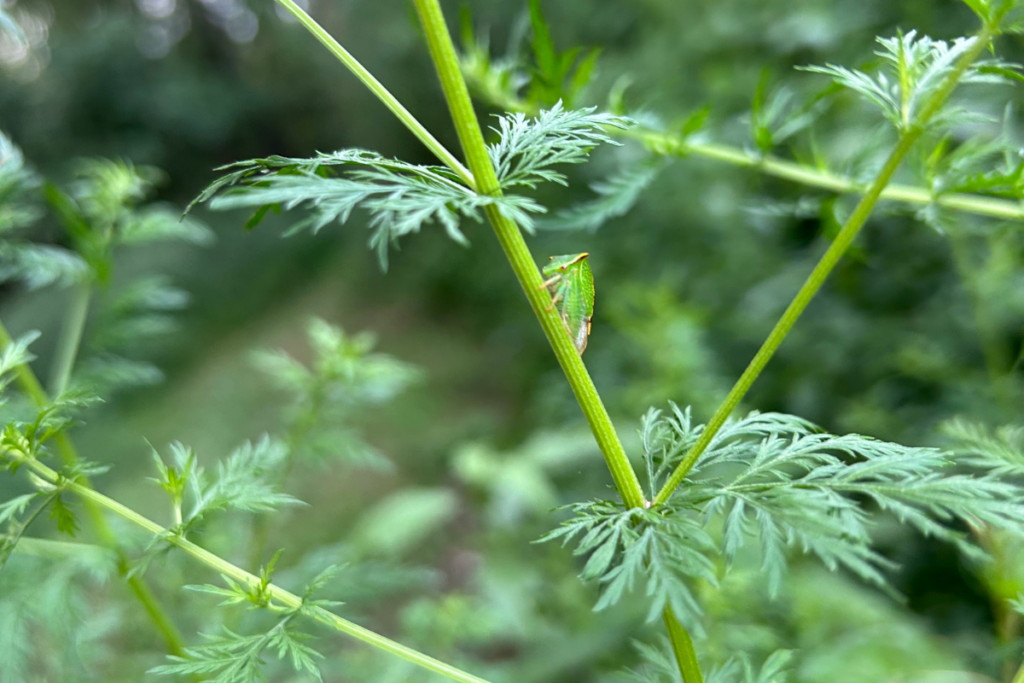
Quick Facts
Primary Habitat: Vegetated fields and shrublands
Secondary Habitat: Orchards, gardens, woodland edges, and agricultural areas
Climate Preference: Temperate and warm seasonal climates
Environment Type: Vegetated terrestrial habitats
Elevation Range: Sea level to approximately 2,000 meters (6,500 feet)
Geographic Distribution: North America and introduced regions of Europe
Buffalo Treehopper Range and Natural Environment
The Buffalo Treehopper (Stictocephala bisonia) occurs across a large portion of North America and has established populations in several European countries. Although small and easily overlooked, this insect occupies a surprisingly broad geographic range. Its ability to use many different plant communities has allowed it to spread across numerous landscapes.
From southern Canada through much of the United States and into portions of Mexico, Buffalo Treehoppers appear in both rural and developed environments. Their presence often goes unnoticed because they blend so effectively with surrounding vegetation. Even areas visited frequently by people may support hidden populations.
Introduced populations in Europe have demonstrated the species’ ability to adapt to new regions. Similar climates and suitable vegetation have allowed these insects to survive outside their native range. Their continued presence shows considerable environmental flexibility.
Unlike some insects that occur only within isolated ecosystems, Buffalo Treehoppers occupy a variety of landscapes across broad geographic areas. Their distribution resembles that of many common songbirds that appear throughout multiple habitat zones rather than being restricted to a single ecosystem.
Throughout their range, these insects remain closely associated with vegetation. Whether encountered in open countryside or near developed areas, Buffalo Treehoppers depend on landscapes that provide abundant plant growth. Their widespread occurrence makes them one of the more adaptable members of the treehopper family.
Buffalo Treehopper Habitat Overview Across Its Range
Buffalo Treehoppers occupy a wide variety of vegetated environments throughout their distribution. They are neither strict habitat specialists nor highly restricted insects. Instead, they thrive in landscapes that contain sufficient plant diversity and suitable vegetation structure.
Many populations occur within transitional environments where different vegetation types meet. These mixed landscapes often support greater plant diversity, creating numerous opportunities for Buffalo Treehoppers to establish themselves. Areas with varied plant communities frequently support larger populations.
Compared to certain treehopper species that occupy only specific host environments, Buffalo Treehoppers demonstrate greater adaptability. Their broad range allows them to inhabit both natural and human-modified landscapes. This flexibility has contributed to their success across multiple regions.
The species often appears in areas containing a mixture of open and partially shaded conditions. Such environments support abundant vegetation while providing diverse growing conditions. Landscapes with numerous plant species typically offer the greatest opportunities for occupancy.
Human activity has not entirely excluded Buffalo Treehoppers from developed environments. Agricultural regions, suburban plantings, and managed landscapes can all support populations when suitable vegetation is present. Their adaptability allows them to persist alongside changing land use patterns.
Although widespread, Buffalo Treehoppers still depend upon healthy plant communities. Areas with extensive vegetation generally support greater numbers than heavily disturbed landscapes. Their presence often reflects the availability of suitable plant growth across an area.
Buffalo Treehopper Habitat Types and Vegetation Zones
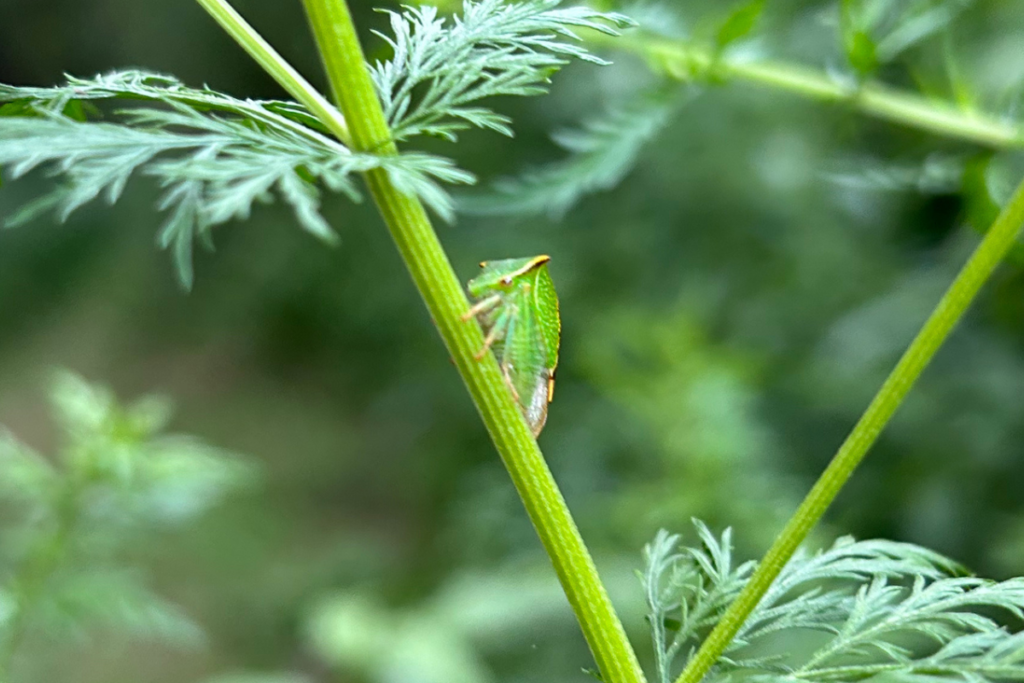
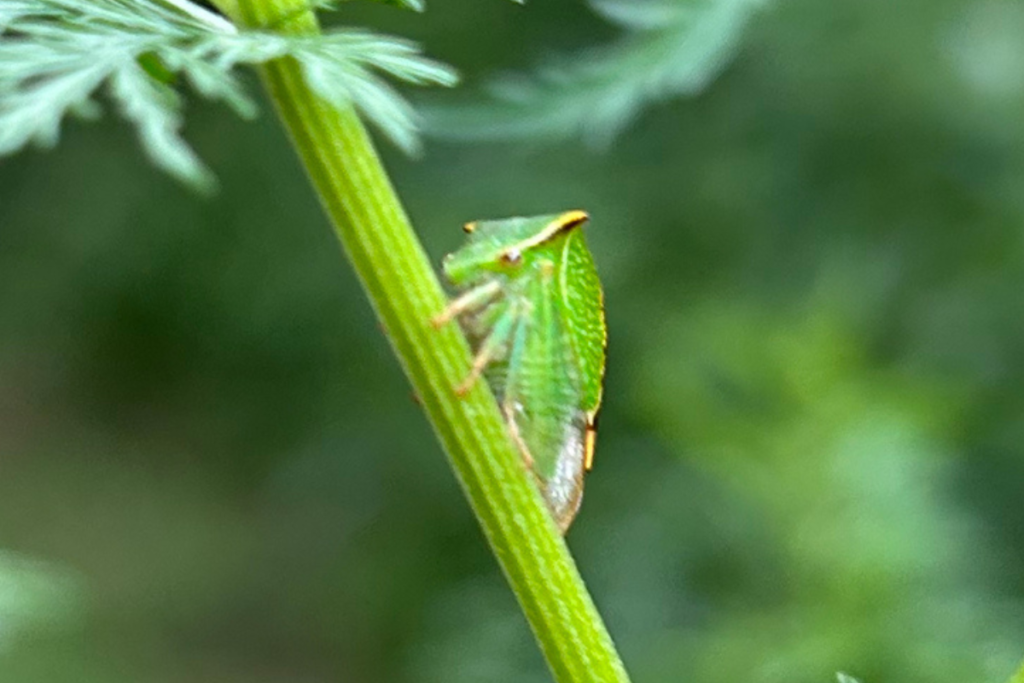
Grasslands represent one of the most common habitat types occupied by Buffalo Treehoppers. Open fields containing grasses, flowering plants, and scattered shrubs provide extensive vegetation that supports populations throughout much of their range. These areas often contain the structural diversity that the species requires.
Woodland edges also provide suitable habitat. Transitional zones between forests and open areas support dense vegetation and numerous plant species. The gradual shift from trees to shrubs and herbaceous plants creates favorable conditions for Buffalo Treehoppers.
Agricultural landscapes frequently contain populations as well. Orchards, vineyards, alfalfa fields, and cultivated areas provide abundant vegetation and suitable growing conditions. Some populations may become locally common in these managed environments.
Gardens and suburban landscapes offer additional habitat opportunities. Ornamental shrubs, flowering plants, and small trees create pockets of suitable vegetation within developed areas. Even relatively small green spaces may support individual insects.
Shrublands and brushy areas also provide excellent habitat. Dense stems, young growth, and mixed vegetation create environments that support both adults and immature stages. These habitats often contain abundant plant structure at multiple heights.
Habitat variation exists even within occupied areas. Buffalo Treehoppers frequently occur along edges, borders, and transitional zones rather than deep within dense forests. Similar to certain butterflies that prefer meadow margins, these insects often benefit from areas where different vegetation communities meet.
Environmental Conditions That Support Buffalo Treehoppers
Buffalo Treehoppers thrive in temperate climates that experience distinct seasonal changes. Warm summers encourage plant growth and support active populations. Moderate spring and autumn conditions also contribute to successful development.
The species tolerates a broad range of temperatures across its distribution. Cold winters in northern regions and warmer climates farther south both support populations. This ability to survive varying seasonal conditions contributes to the insect’s extensive range.
Vegetation structure plays an important role in habitat suitability. Areas with abundant stems, branching plants, and dense foliage provide the physical environment needed by Buffalo Treehoppers. Complex vegetation offers numerous resting sites and protective surfaces.
Moderate moisture levels often benefit the plant communities associated with these insects. Regions with regular rainfall or seasonal humidity frequently support healthy vegetation growth. Productive growing seasons create suitable conditions throughout much of the species’ range.
Terrain appears less important than vegetation itself. Buffalo Treehoppers occur in flat fields, rolling hills, valleys, and gently sloping landscapes. As long as sufficient plant growth exists, elevation and topography often become secondary factors.
Seasonal changes strongly influence environmental conditions. Spring brings new vegetation growth, summer produces dense plant cover, and autumn gradually reduces available foliage. These yearly cycles create changing conditions similar to the shifting appearance of a deciduous forest throughout the seasons.
The species performs best in environments that combine warm growing periods, abundant vegetation, and moderate climatic conditions. Like many insects associated with temperate ecosystems, Buffalo Treehoppers benefit from seasonal cycles that support healthy plant communities year after year.
Popular Searches About Buffalo Treehoppers
Explore Buffalo Treehopper Guide
Explore More Wildlife

Support Encounters World
Help support wildlife photography and get behind the scenes discoveries on Patreon.