White Tail Deer Weight Guide | Average Size, Regional Differences, and Body Growth

Quick Facts
Location: Forests, wetlands, farmland, and woodland edges
Average Weight: 90–300 pounds depending on age, sex, and region
Lifespan: 4–10 years in the wild
Global Range: North America, Central America, and parts of South America
Conservation Status: Least Concern
Notable Feature: Significant body weight differences between northern and southern populations
Understanding White Tail Deer Weight Across North America
White tail deer are among the most recognizable mammals in North America, and their body size varies dramatically across different regions. From lightweight southern deer living in warmer climates to massive northern bucks weighing several hundred pounds, this species displays impressive physical diversity throughout its range. These differences in weight are influenced by genetics, climate, nutrition, and environmental conditions. As a result, white-tailed deer populations can appear surprisingly different depending on where they are encountered.
The species occurs throughout most of North America and extends into parts of Central and South America. In northern forests, mature bucks often develop heavier bodies designed to survive colder winters and harsher seasonal conditions. Farther south, deer generally remain smaller and leaner due to warmer climates and different environmental pressures. This regional variation makes white tail deer one of the most physically adaptable large mammals in the Americas.
When observed in the wild, a mature white-tailed deer often appears larger than many people initially expect. Adult bucks can resemble the size of a medium motorcycle or large dog when standing broadside in open terrain. Their long legs, muscular shoulders, and deep chest contribute to a powerful appearance despite their graceful movement. Even smaller does maintain a sleek but athletic body shape that allows them to move efficiently across changing landscapes.
Body weight also changes noticeably throughout the year as deer respond to seasonal conditions. During late summer and autumn, many deer reach peak body condition after months of feeding and growth. Winter can reduce body mass significantly in colder regions where food becomes less available and survival becomes more demanding. These yearly changes create a constantly shifting cycle of body condition that plays an important role in the species’ overall survival.
White Tail Deer Size and Physical Appearance
The overall appearance of a white-tailed deer is defined by its slim but muscular body structure. Long legs, a narrow waist, and a deep chest create a balanced profile that combines speed with endurance. Bucks are substantially larger than does in most regions and often develop thick necks and heavier shoulders as they mature. This difference becomes especially noticeable during autumn when mature males appear broader and more physically imposing.
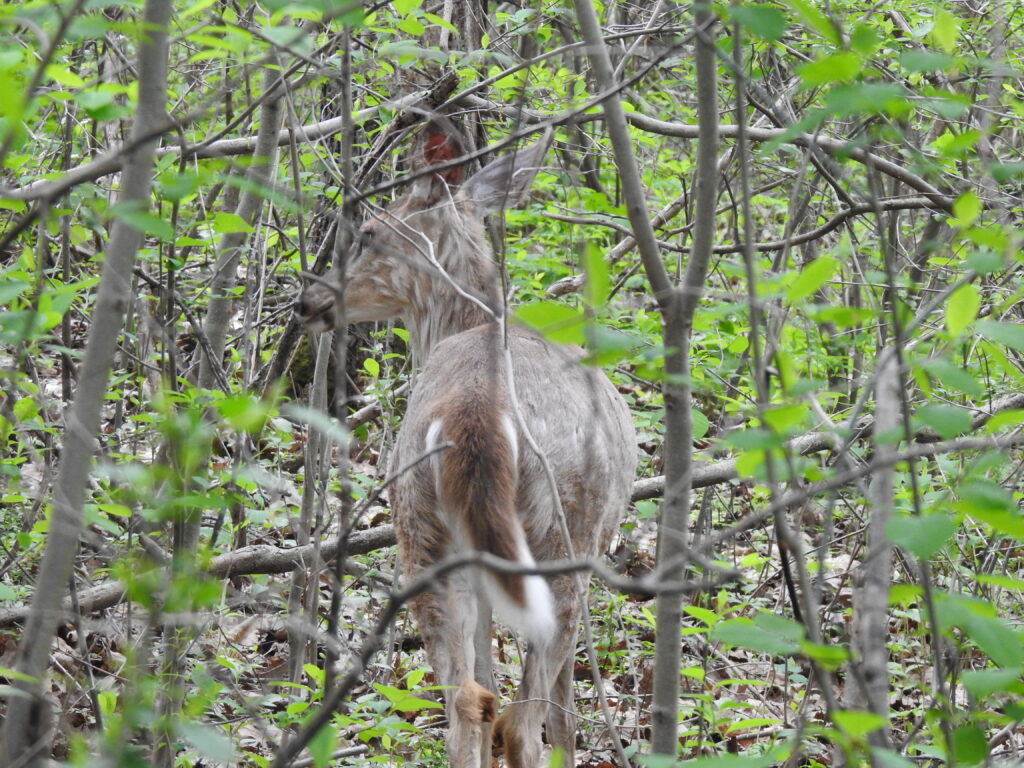
Coloration changes throughout the year and can slightly influence how large or compact a deer appears visually. Summer coats usually display reddish-brown tones with a sleek texture that reflects sunlight softly across the body. Winter fur becomes thicker and grayer, creating a bulkier appearance that helps insulate against colder temperatures. In northern populations, this heavier winter coat can make mature bucks appear almost twice as massive as they do during warmer months.
Weight variation among white-tailed deer is substantial across different geographic regions. Smaller southern deer may weigh less than 120 pounds, while large northern bucks can exceed 300 pounds under ideal conditions. A mature northern buck standing beside a smaller southern deer may resemble the size difference between a German shepherd and a large wolf. These regional changes highlight how strongly environment and nutrition influence body development.
Despite their size differences, most white-tailed deer maintain a similar body shape across their range. Their legs remain proportionally long, their bodies narrow toward the midsection, and their heads feature elongated muzzles with large ears. This consistent body design allows the species to remain highly recognizable regardless of local size variation. Even young deer display the same general silhouette as adults, though with slimmer proportions and lighter frames.
One of the most noticeable visual traits linked to body size is the contrast between bucks and does. Mature males often appear stockier with thicker muscle development around the chest and shoulders. Females usually retain a more delicate appearance with slimmer necks and lighter overall body structure. These differences become especially clear when both sexes are observed together in open environments.


White Tail Deer Weight Differences and Body Characteristics
White tail deer show remarkable variation in body weight depending on age, sex, genetics, and environmental conditions. Bucks generally outweigh does significantly, sometimes by more than 100 pounds in northern populations. Younger deer maintain slimmer frames while older mature bucks develop heavier muscle structure and broader chest proportions. These changes create a gradual progression in body appearance as the animal ages.
One of the most unusual aspects of white-tailed deer size is the dramatic difference between northern and southern populations. Deer living in colder northern regions tend to develop much heavier bodies, an adaptation often linked to surviving harsh winters. Larger body mass helps conserve heat more effectively in cold environments, similar to how larger insulated containers retain temperature better than smaller ones. Southern deer, exposed to warmer climates year-round, usually remain lighter and leaner.
The distribution of weight across the body also contributes heavily to the species’ recognizable appearance. Mature bucks often carry significant muscle development through the neck, shoulders, and upper torso, giving them a powerful front-heavy profile. In comparison, the hindquarters remain streamlined and athletic to support rapid movement. This balance between strength and agility creates one of the most recognizable silhouettes among North American mammals.
Antler size can sometimes create the illusion that a buck is larger than it truly is. A deer carrying a wide, multi-point rack often appears heavier and taller even if body weight remains average. However, large antlers do not always indicate maximum body size, since nutrition and genetics influence antler growth separately from overall mass. This creates considerable variation in how deer appear visually across different populations.
Even within the same region, body condition can fluctuate seasonally. Deer entering winter after strong feeding conditions usually appear thicker and healthier than individuals experiencing poor food availability. During difficult winters, body fat reserves may decline sharply, causing deer to appear noticeably slimmer by spring. These visible changes in body condition demonstrate how closely deer size remains tied to environmental pressures throughout the year.
Ecological Importance of White Tail Deer Body Size
The body size of white-tailed deer plays an important role within ecosystems across their range. Larger deer populations provide substantial biomass within forest and grassland food webs, supporting predators, scavengers, and decomposers alike. Predators such as wolves, mountain lions, and coyotes rely on deer as a major source of energy in many regions. Even after death, deer carcasses contribute nutrients that support insects, birds, and microorganisms throughout surrounding environments.
Regional size differences can also influence ecological interactions within local habitats. Larger northern deer may consume greater amounts of vegetation due to higher energy demands during winter conditions. Smaller southern deer generally require less food overall but may exist at higher population densities in warmer environments. These differences affect how deer interact with plant communities and contribute to environmental balance across different ecosystems.
Body mass also influences how deer move nutrients throughout landscapes. As deer travel across forests, wetlands, and open areas, they contribute to nutrient cycling through waste, decomposition, and vegetation use. Heavier deer populations can significantly influence plant growth patterns in some ecosystems. This ecological impact becomes especially noticeable in regions where natural predators are absent and deer numbers increase substantially.
Seasonal body changes are also connected to broader environmental health. Healthy deer populations with strong body condition often indicate productive vegetation growth and stable environmental conditions. Wildlife biologists frequently monitor deer weight and body fat levels to evaluate habitat quality over time. Declining average body mass in local populations can sometimes signal environmental stress or reduced food availability within ecosystems.
Beyond ecology, white tail deer body size has become culturally important throughout much of North America. Large bucks are often viewed as symbols of healthy wilderness and productive landscapes. Their impressive size and physical appearance make them one of the most recognizable mammals in wildlife photography, conservation imagery, and outdoor traditions. Because of this, deer weight and body growth remain important not only biologically, but also within broader human appreciation of North American wildlife.
Popular Searches About White Tail Deer
Explore White Tail Deer Guide
Explore More Wildlife

Support Encounters World
Help support wildlife photography and get behind the scenes discoveries on Patreon.