Female Northern Cardinal Guide: Identification, Colors, and Male vs Female Differences

Quick Facts
Primary Coloration: Warm brown, tan, and soft reddish highlights
Average Size: 8–9 inches long
Lifespan: 3–15 years
Global Range: Eastern and central North America
Conservation Status: Least Concern
Notable Feature: Soft brown plumage with orange-red accents and a bright crest
Introduction to the Female Northern Cardinal
The Northern Cardinal is one of the most recognizable songbirds in North America, but the female Northern Cardinal is often overlooked beside the brilliant red male. Found across forests, neighborhoods, woodland edges, parks, and suburban backyards, females possess a more subtle appearance that blends naturally into surrounding vegetation. Despite lacking the vivid red coloration of males, female cardinals remain striking birds with their own distinctive beauty.
Female Northern Cardinals are commonly seen perched quietly among shrubs, feeding near the ground, or moving through dense branches where their warm brown plumage provides excellent camouflage. Their softer coloration allows them to disappear surprisingly well into woodland environments, especially during autumn and winter when leaves and bark create similar earthy tones. Even so, their bright crest and orange-red beak make them instantly recognizable once noticed.
Across much of the eastern and central United States, female cardinals remain present year-round rather than migrating long distances. This constant visibility makes them familiar backyard birds in every season, from humid summer mornings to snowy winter landscapes. Their appearance changes subtly depending on lighting conditions, often appearing more reddish or more tan throughout the day.
Although many people focus primarily on the vivid male, female Northern Cardinals play an equally important role within the species’ identity and visual recognition. Their elegant coloration, distinctive crest, and strong facial markings create one of the most recognizable silhouettes among North American songbirds. In many environments, the female’s quieter coloration actually makes close observation more rewarding because subtle details become easier to appreciate over time.
Female Northern Cardinal Appearance and Color Overview
Female Northern Cardinals display warm earthy coloration dominated by soft brown, tan, gray, and muted olive tones across the body. Unlike the bright scarlet male, females possess more subdued plumage that helps them blend naturally into trees, shrubs, and woodland edges. Their coloration often shifts slightly depending on sunlight, appearing warmer and more reddish during golden evening light.
One of the most noticeable features is the bright orange-red beak, which stands out sharply against the softer facial coloration. Even at a distance, the thick triangular beak immediately suggests a cardinal rather than another brown songbird. The contrast between the vivid beak and muted plumage creates a balanced appearance that remains highly distinctive.
Female cardinals also possess red highlights on the wings, tail, and crest that become more visible during movement or direct sunlight. These reddish accents may appear faint at first glance but create beautiful flashes of color against the otherwise earthy body tones. In flight, the red edging along feathers often becomes far more noticeable.
The body shape is compact yet sturdy, with a long tail and prominent upright crest giving the bird an alert silhouette. In size, a female Northern Cardinal is roughly comparable to a small apple or the length of a human hand from wrist to fingertips. Their rounded body and thick neck create a strong, balanced appearance unlike slimmer woodland songbirds.
Compared to the House Finch, female cardinals appear larger, heavier-bodied, and more sharply crested. House Finches possess softer facial structure and slimmer beaks, while female cardinals maintain a bold triangular beak and more dramatic head shape.
Facial markings also help distinguish female cardinals from other brown birds. A dark mask surrounds the beak area, creating contrast against lighter feathers on the face and throat. This mask varies slightly between individuals but consistently contributes to the species’ recognizable appearance.
Seasonal wear and feather condition may subtly affect coloration throughout the year. Fresh plumage after molting often appears richer and cleaner, while worn feathers may look duller toward the end of certain seasons. Even during these changes, however, the female cardinal remains one of the most recognizable birds in eastern North America.

General Characteristics That Make Female Northern Cardinals Unique
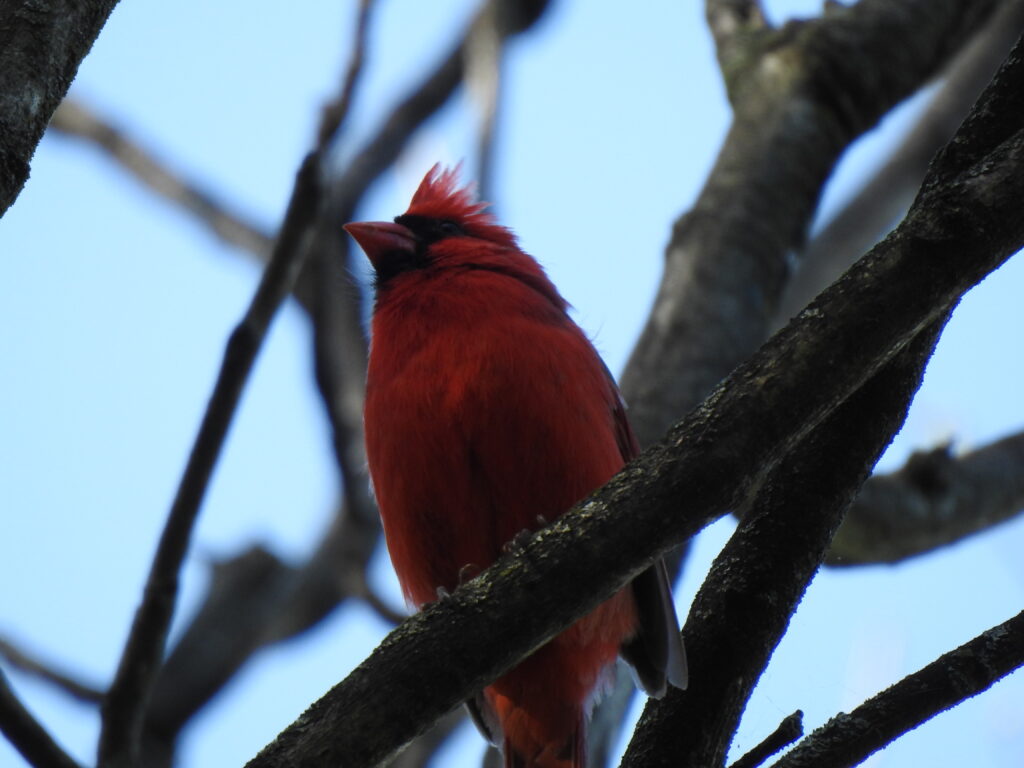
Female Northern Cardinals possess several defining characteristics that separate them from other North American backyard birds. The combination of a pointed crest, thick orange-red beak, and warm brown coloration creates a highly recognizable identity. Even without the brilliant red plumage of males, females remain visually striking birds with elegant proportions and bold structure.
The upright crest is one of the species’ most recognizable features. Depending on mood and alertness, the crest may stand sharply upright or relax backward against the head. This flexible crest gives the bird a constantly expressive appearance that changes throughout the day.
Their beak structure is especially distinctive among songbirds. Thick, triangular, and brightly colored, the beak resembles a small orange seed-cracking tool attached directly to the face. Its size and shape create a stronger facial profile than many softer-featured woodland birds.
Compared to the Tufted Titmouse, female cardinals appear larger and more heavily built overall. Titmice possess smaller delicate beaks and cooler gray coloration, while female cardinals display warmer plumage and a much more powerful facial structure.
Another defining characteristic is the smooth transition between subtle camouflage and bright accent coloration. From a distance, females blend naturally into branches and vegetation, but closer observation reveals flashes of soft red along the wings and tail. This balance between concealment and beauty makes them visually unique.
The tail is relatively long compared to body size and contributes heavily to the bird’s overall silhouette. When perched, the tail often extends downward beneath branches in a straight, balanced line. Combined with the crest, this tail length creates a highly recognizable profile even in silhouette.
Female Northern Cardinals also maintain surprisingly vivid coloration around the face despite their softer body tones. The black mask surrounding the beak creates contrast that helps emphasize facial expression and structure. This feature gives the bird a bold appearance despite its otherwise muted coloration.
Female Northern Cardinals and Their Role in the Ecosystem
Female Northern Cardinals play an important role within North American ecosystems as both seed dispersers and active participants in local bird communities. Across forests, woodland edges, suburban environments, and parks, they contribute to ecological balance through feeding activity and interaction with surrounding vegetation. Their year-round presence makes them consistent members of eastern bird populations.
As cardinals move through shrubs, trees, and feeding areas, they help distribute seeds throughout the environment. Some seeds consumed by the birds later pass through the digestive system and become dispersed into new locations. This natural process contributes to plant spread and ecological diversity across woodland environments.
Female cardinals also occupy an important place within local food webs. Although adult birds remain alert and agile, they still serve as prey for hawks, owls, snakes, and mammals. Their presence supports larger predator populations while also contributing to energy movement through ecosystems.
Because female cardinals remain present throughout winter in many regions, they continue interacting with ecosystems even when migratory birds have left. Snow-covered landscapes often still contain female cardinals moving through shrubs and backyard vegetation. Their year-round activity adds stability to local bird communities.
The species additionally contributes to insect population regulation during warmer months. While seeds form an important part of their feeding habits, female cardinals also consume insects and other small invertebrates. This helps limit certain insect populations while providing nutritional balance within the ecosystem.
Female cardinals also influence broader bird communication networks within natural environments. Their calls and songs contribute to the soundscape of forests and suburban neighborhoods throughout the year. Since females sing as well as males, they participate actively in vocal communication uncommon among many songbird species.
Human communities have developed strong cultural connections to female Northern Cardinals because of their calm appearance and year-round visibility. Their warm earthy tones and soft red highlights are especially striking during winter when snow creates strong visual contrast. Many backyard birdwatchers consider them one of the most beautiful subtle-colored songbirds in North America.
Through seed dispersal, ecological interaction, vocal communication, and participation in food webs, female Northern Cardinals remain important members of eastern North American ecosystems. Their quieter coloration may initially attract less attention than the male’s vivid red plumage, but their ecological role and visual beauty are equally significant.
Popular Searches About Northern Cardinals
Explore Northern Cardinal Guide
Explore More Wildlife

Support Encounters World
Help support wildlife photography and get behind the scenes discoveries on Patreon.