Baby Northern Cardinal Guide: Juvenile Appearance, Growth, and Identification
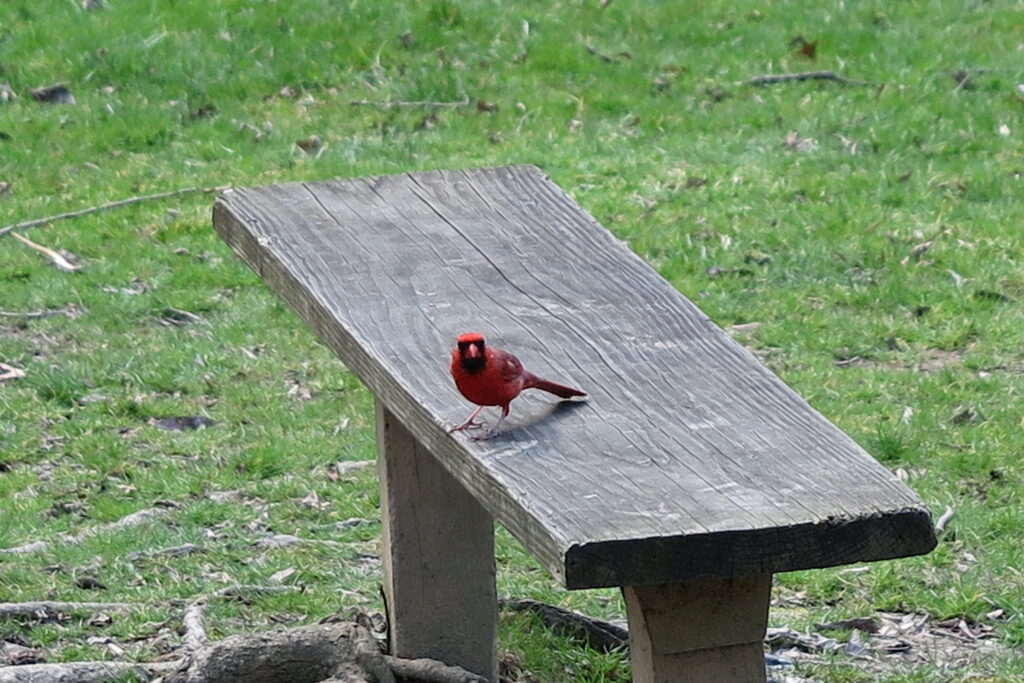
Quick Facts
Juvenile Coloration: Brown, tan, and gray with muted red highlights
Average Size: 3–7 inches during development stages
Time to Leave Nest: Around 9–11 days after hatching
Global Range: Eastern and central North America
Conservation Status: Least Concern
Notable Feature: Dark beak coloration before developing the adult orange-red beak
Introduction to Baby Northern Cardinals
The Northern Cardinal is one of the most recognizable birds in North America, but young Northern Cardinals often look surprisingly different from the bright red adults most people expect. Baby cardinals begin life with soft gray and brown plumage that blends naturally into surrounding vegetation. Their muted coloration and developing features frequently cause confusion among birdwatchers trying to identify juvenile birds for the first time.
Across much of the eastern and central United States, baby Northern Cardinals are commonly seen during spring and summer as young birds leave the nest and begin exploring nearby branches and shrubs. Newly fledged juveniles often remain close to dense vegetation where cover provides protection during early growth stages. Their movements can appear awkward at first compared to the smooth confidence of mature adults.
Unlike fully grown cardinals with vivid red beaks and strong crest definition, juveniles display softer colors and less developed facial features. Young birds often possess dark gray or black beaks before gradually developing the brighter orange-red coloration associated with adults. These changes occur gradually as feathers and body structure mature over time.
Baby Northern Cardinals are especially interesting because they visibly transform throughout development. Early juveniles may barely resemble adult birds, but subtle red highlights and strengthening crest shape slowly begin appearing as they mature. Watching this progression reveals one of the most dramatic visual transitions among common North American backyard birds.
Baby Northern Cardinal Appearance and Juvenile Color Changes
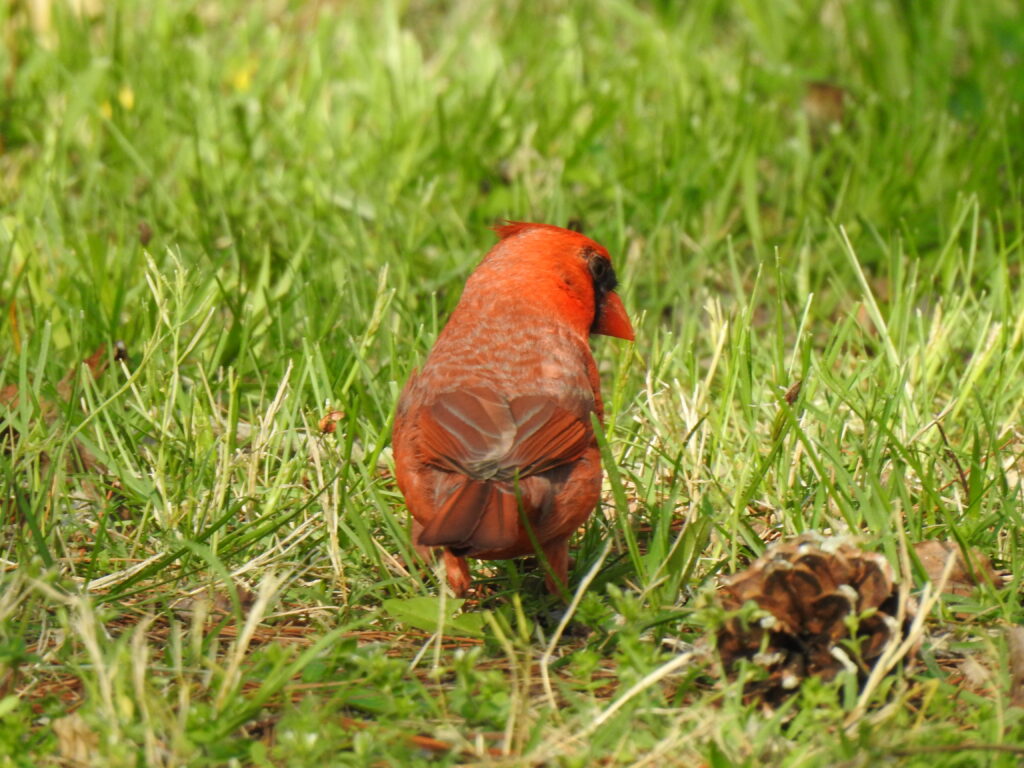
Baby Northern Cardinals display soft earthy coloration designed to blend naturally into shrubs, woodland edges, and dense vegetation. Most juveniles appear brownish-gray with hints of tan, olive, and muted reddish tones across the wings and tail. Their subdued appearance provides camouflage during vulnerable early life stages before full adult coloration develops.
One of the most noticeable differences between juveniles and adults is the beak color. Young cardinals usually possess dark gray or charcoal-colored beaks instead of the vivid orange-red beaks seen in mature birds. As development continues, the beak gradually brightens and transitions toward adult coloration over time.
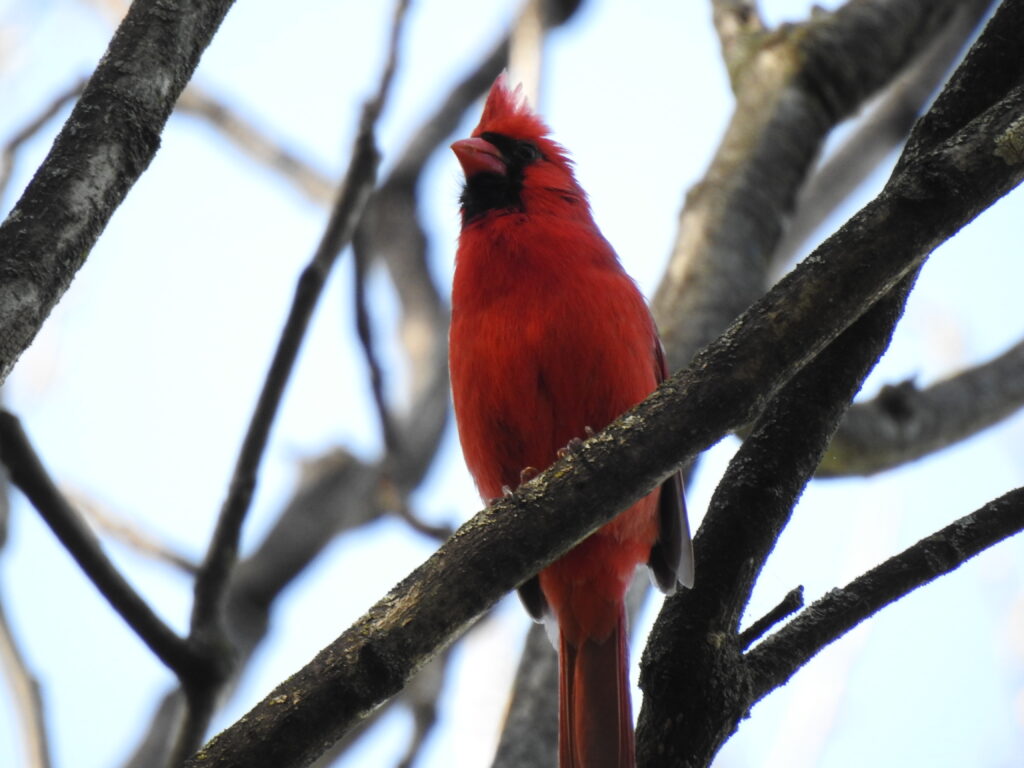
Juveniles also show less developed crest definition compared to adults. The crest remains shorter, softer, and somewhat rounded during early stages, creating a less dramatic head profile overall. As feathers mature, the crest becomes more pronounced and recognizable.
In size, newly fledged baby cardinals may appear roughly comparable to a small lemon or compact handful of feathers perched along a branch. Their bodies often look puffier and less streamlined than adult birds because feathers remain loose and still developing. This fluffy appearance is especially noticeable shortly after leaving the nest.
Compared to the American Robin juvenile, baby Northern Cardinals possess thicker beaks and warmer brown coloration overall. Young robins often display spotted breasts and slimmer facial structure, while juvenile cardinals show stronger triangular beaks and smoother body coloration.
Subtle red highlights begin developing gradually across the wings, tail, and crest as juveniles mature. These reddish accents may remain faint at first but become increasingly visible in sunlight. Even before reaching adulthood, many young cardinals already hint at the brilliant coloration they will later develop.
The tail also changes noticeably during growth stages. Early juveniles often possess shorter tails that appear uneven or less defined while feathers finish developing. Over time, the tail lengthens into the long balanced shape associated with adult Northern Cardinals.
General Characteristics of Juvenile Northern Cardinals
Baby Northern Cardinals possess several physical characteristics that help distinguish them from both adult cardinals and other young songbirds. Their heavy triangular beak remains one of the clearest identifying features even before adult coloration appears. This thick seed-cracking beak gives juvenile cardinals a sturdier facial structure than many similar-sized birds.
The combination of soft brown coloration and developing red accents creates a unique transitional appearance. Juveniles may initially resemble generic brown backyard birds until closer observation reveals the cardinal’s distinct crest shape and body proportions. These subtle identifying traits become easier to recognize with experience.
Young cardinals often appear fluffier and less sleek than adults because their feathers are still developing fully. This loose feather texture gives them a rounded appearance, especially during cooler mornings or rainy conditions. Their posture may also seem less balanced while flight and perching skills improve.
Compared to the House Finch juvenile, baby cardinals appear bulkier with much thicker beaks and stronger head shape. House Finches possess slimmer facial structure and finer body proportions, while juvenile cardinals maintain a more powerful overall appearance.
Another defining characteristic is the gradual color transition that occurs throughout development. Instead of changing suddenly, juvenile cardinals slowly gain stronger red highlights and brighter beak coloration over time. This creates multiple intermediate stages where birds appear partly juvenile and partly adult.
The eyes of young cardinals also contribute to their recognizable appearance. Large dark eyes combined with softer facial feathering often give juveniles a more rounded, youthful expression compared to mature adults. Their facial contrast becomes stronger as the mask around the beak develops further.
Wing and tail feathers may initially look slightly uneven because growth occurs gradually during fledgling stages. Young birds continue refining feather structure and body proportions for weeks after leaving the nest. This developing appearance helps separate juveniles from fully mature adult cardinals.
Baby Northern Cardinals and Their Role in the Ecosystem
Baby Northern Cardinals play an important role within North American ecosystems as the next generation of one of the region’s most widespread songbirds. Their survival contributes directly to maintaining healthy cardinal populations across forests, suburban neighborhoods, parks, and woodland edges. Juvenile development is a critical stage supporting long-term population stability.
Young cardinals also become an important food source for predators during early life stages. Hawks, snakes, raccoons, domestic cats, and other animals may prey upon eggs, nestlings, or fledglings. Although this creates vulnerability, it also supports broader food web balance throughout ecosystems.
As juveniles grow, they begin participating in seed dispersal and insect consumption that contribute to ecological interaction within their environment. Even at young ages, feeding activity influences local vegetation and insect populations. These ecological roles strengthen as the birds mature into adults.
Baby Northern Cardinals also contribute to biodiversity within woodland and suburban bird communities. Their presence increases species richness while supporting predator-prey relationships across multiple environmental layers. Seasonal fledgling activity becomes a visible sign of successful breeding populations within healthy habitats.
The species’ year-round presence throughout much of its range means young birds often remain within the same general environment where they hatch. This creates stable local populations and long-term ecological continuity. Juveniles gradually become integrated into surrounding bird communities as they mature.
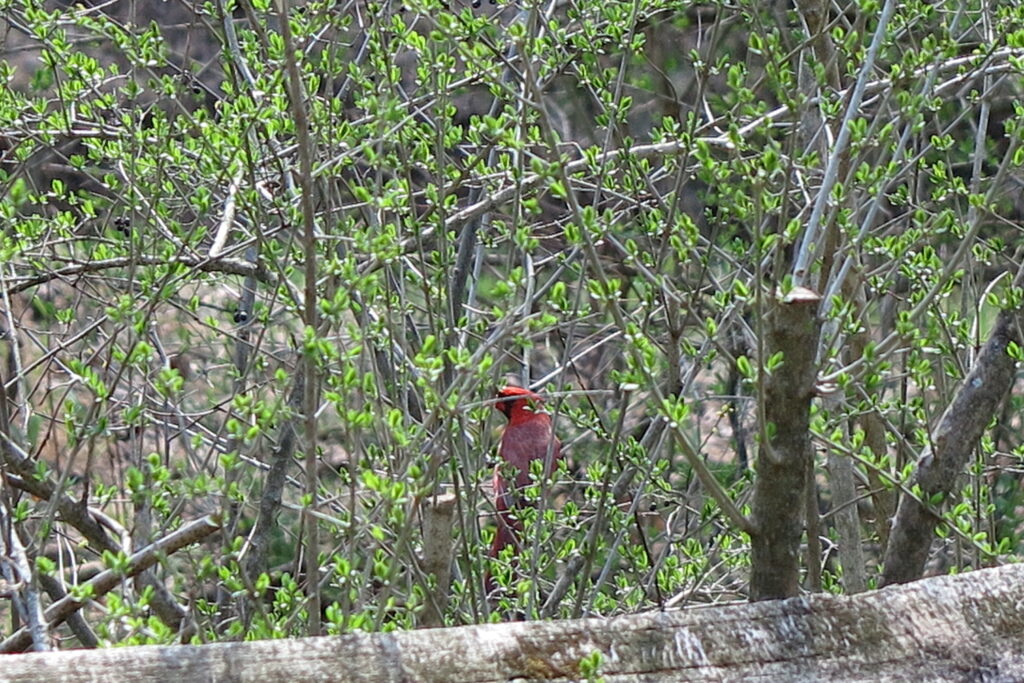
Their development also highlights the importance of dense vegetation and natural cover within ecosystems. Shrubs, trees, and woodland understory provide essential protection during vulnerable early stages. Environments lacking cover often reduce fledgling survival significantly.
Human communities frequently develop strong connections to juvenile cardinals because young birds are commonly observed near feeders, gardens, and backyard shrubs. Watching fledglings learn to perch and move through vegetation provides many people with their first close observations of bird development. These encounters often encourage greater appreciation for local wildlife.
Through predator-prey relationships, seed dispersal, population growth, and ecological interaction, baby Northern Cardinals remain an important part of eastern North American ecosystems. Their gradual transformation from soft brown fledglings into vibrant adult songbirds represents one of the most recognizable developmental journeys among North American backyard birds.
Popular Searches About Northern Cardinals
Explore Northern Cardinal Guide
Explore More Wildlife

Support Encounters World
Help support wildlife photography and get behind the scenes discoveries on Patreon.