Northern Cardinal Meaning Guide: Symbolism, Spiritual Meaning, and Cultural Beliefs

Quick Facts
Common Symbolism: Hope, remembrance, love, and spiritual connection
Most Recognized Color: Bright red with black facial markings
Cultural Associations: Renewal, loyalty, guidance, and winter symbolism
Global Range: Eastern and central North America
Conservation Status: Least Concern
Notable Feature: Bright red plumage often linked to emotional and spiritual interpretations
Introduction to Northern Cardinal Meaning and Symbolism
The Northern Cardinal has become one of the most symbolically recognized birds in North America, admired not only for its vivid appearance but also for the emotional meaning many people attach to sightings of the species. Across forests, neighborhoods, parks, and winter landscapes, the bright red coloration of a cardinal often creates a powerful visual moment that stands out strongly against natural surroundings. Because of this striking presence, cardinals have become deeply connected to cultural beliefs, spirituality, and personal symbolism.
Throughout much of the eastern and central United States, Northern Cardinals remain visible year-round rather than migrating long distances. Their continued presence during snowy winters has strengthened associations with endurance, hope, and comfort during difficult seasons. Many people describe cardinal sightings as feeling unusually memorable because of the bird’s vivid contrast against bare trees or snow-covered landscapes.
The symbolic meaning of Northern Cardinals varies widely depending on culture, personal belief, and regional tradition. Some interpret the bird as a sign of remembrance connected to loved ones, while others associate it with renewal, loyalty, passion, or spiritual guidance. These interpretations have spread widely through folklore, social traditions, and modern storytelling.
Unlike purely mythical symbolic animals, Northern Cardinals remain highly visible everyday birds that people regularly encounter in real environments. This combination of accessibility and striking appearance has helped the species become one of the most emotionally recognized birds in North America. For many individuals, even a brief sighting of a cardinal carries personal significance beyond simple bird identification.
Northern Cardinal Symbolism and Visual Meaning Overview
The bright red coloration of the Northern Cardinal plays a major role in the symbolic meaning associated with the species. Red is often connected with passion, warmth, vitality, strength, and emotional intensity across many cultures. Because cardinals display such vivid red plumage, they naturally attract symbolic interpretations tied to energy and strong emotion.
Winter landscapes have especially strengthened the bird’s symbolic presence. A bright red cardinal perched among snow-covered branches creates an image that feels visually dramatic and emotionally memorable. This striking contrast has contributed heavily to associations with hope, resilience, and guidance during difficult times.
Many people also associate Northern Cardinals with remembrance and spiritual connection. A widespread modern belief suggests that seeing a cardinal may symbolize the presence or memory of a loved one who has passed away. While this interpretation is rooted more in personal spirituality than scientific fact, it has become one of the most recognized symbolic meanings linked to the species.
Compared to the Blue Jay, which is often associated with boldness and intelligence because of its loud behavior and bright blue coloration, the Northern Cardinal tends to symbolize warmth, emotional connection, and quiet presence. The calmer visual impression of the cardinal contributes to softer symbolic interpretations overall.
The bird’s year-round visibility also affects its symbolic identity. Unlike migratory species that disappear seasonally, cardinals remain present throughout changing weather and environmental conditions. This constant presence has encouraged associations with loyalty, endurance, and stability.
Cardinals are also strongly tied to romantic symbolism because of their tendency to appear in visible pairs. A male and female cardinal perched together often creates imagery connected with partnership, devotion, and companionship. Their recognizable pairing behavior has made them common symbols in artwork and seasonal decorations.
The crest, bright coloration, and strong silhouette further contribute to the bird’s symbolic impact. Even individuals unfamiliar with birdwatching often recognize a Northern Cardinal immediately because of its dramatic appearance. This instant visual recognition strengthens emotional connection and cultural significance across many communities.
General Characteristics That Influence Northern Cardinal Meaning
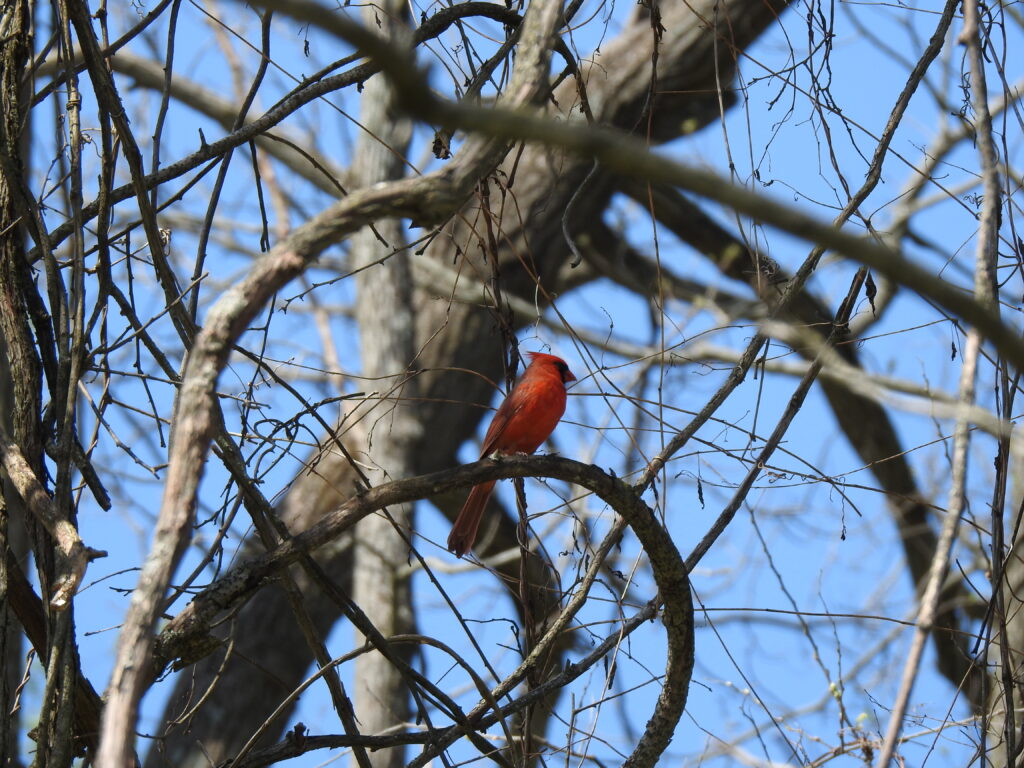
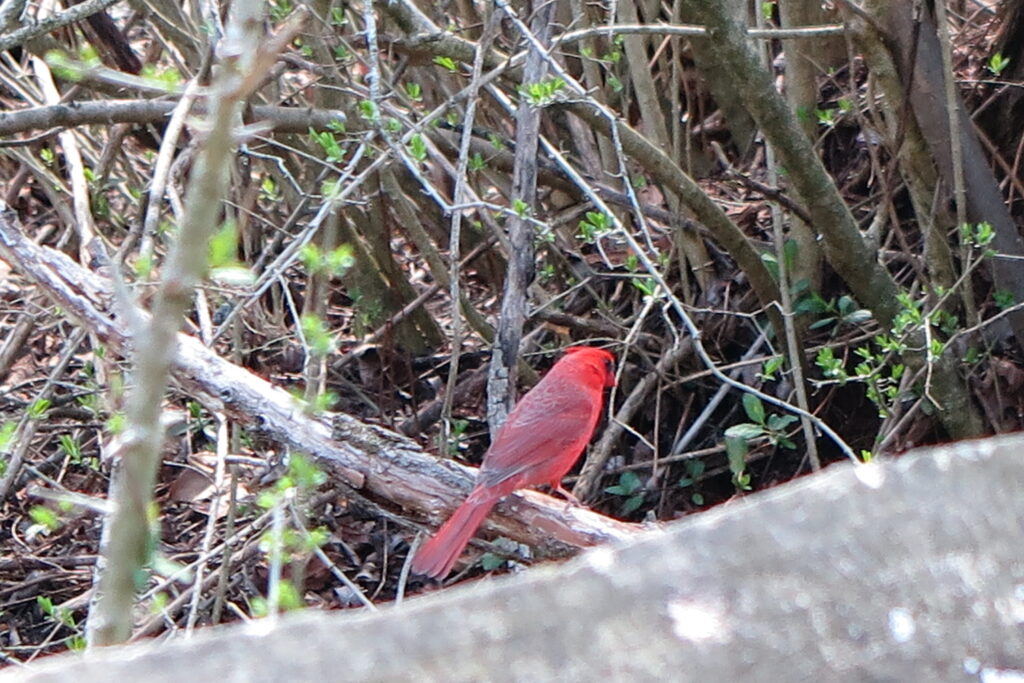
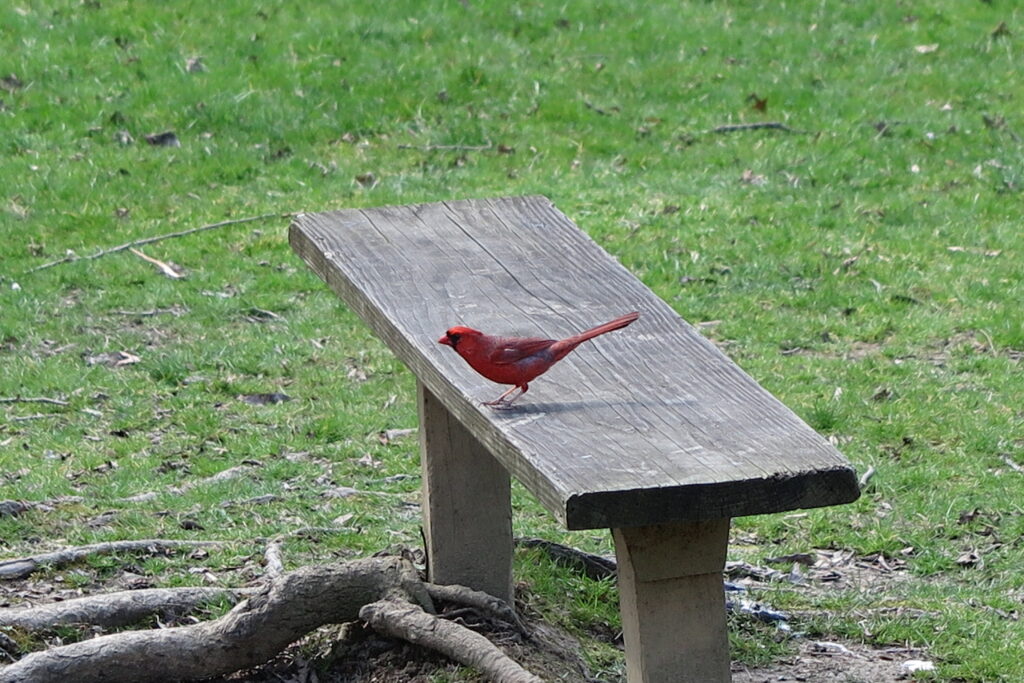
Several physical characteristics of the Northern Cardinal help explain why the species carries such strong symbolic meaning. The most obvious is the brilliant red plumage of the male, which immediately draws attention even from long distances. In natural environments dominated by greens, browns, and grays, the bird’s bright coloration creates a visual intensity that feels almost unreal at times.
The pointed crest also contributes heavily to the bird’s recognizable identity. Depending on posture and mood, the crest may stand sharply upright or soften backward against the head. This expressive feature gives the bird a highly alert and emotional appearance compared to smoother-headed songbirds.
Another defining trait is the bird’s bold black facial mask surrounding the beak. This contrast creates a strong facial expression that feels focused and memorable. Combined with the thick orange-red beak, the facial structure gives cardinals a powerful visual identity uncommon among backyard birds.
Compared to the American Goldfinch, which symbolizes brightness and seasonal change because of its yellow coloration, Northern Cardinals appear more emotionally intense and visually dramatic. Goldfinches create lighter energetic symbolism, while cardinals often feel deeper and more emotionally connected in cultural interpretation.
The bird’s visibility during winter months also influences symbolic meaning significantly. Many birds become quieter or less noticeable during cold weather, but cardinals remain highly visible among bare trees and snow-covered landscapes. This persistent presence strengthens ideas connected with perseverance and emotional endurance.
Female Northern Cardinals contribute to symbolism as well, though in a quieter visual way. Their warm brown and reddish coloration often represents balance, subtle beauty, and calm companionship beside the brighter male. Together, the pair creates one of the most recognizable symbolic bird combinations in North America.
Their clear whistling songs also strengthen emotional connection with people. Morning cardinal songs are commonly associated with peaceful environments, changing seasons, and quiet natural moments. These repeated sensory experiences help reinforce symbolic meaning over time.
Northern Cardinals and Their Cultural Role in Nature
Northern Cardinals hold an important place not only within ecosystems but also within human culture, seasonal tradition, and emotional storytelling. Their strong symbolic identity has made them one of the most widely recognized birds in North America beyond scientific or ecological interest alone. Few backyard birds carry such consistent emotional association across different communities.
In natural ecosystems, cardinals contribute through seed dispersal, insect consumption, and participation in local food webs. Their ecological role helps support balanced woodland and suburban bird communities throughout their range. While symbolism often dominates public perception, the species remains an important functioning part of eastern North American ecosystems.
Culturally, cardinals appear heavily in artwork, holiday decorations, greeting cards, memorial pieces, and seasonal photography. Their bright red coloration makes them especially popular during winter imagery and holiday symbolism. Snow-covered cardinal scenes have become deeply tied to North American winter aesthetics.
The species also influences emotional connection to nature itself. Many people who do not actively follow birdwatching still feel excitement when seeing a cardinal unexpectedly appear nearby. This emotional response helps strengthen appreciation for local wildlife and natural environments.
Northern Cardinals additionally serve as state birds in several U.S. states, increasing their cultural visibility and recognition. Their familiar appearance and year-round presence make them ideal symbols of regional identity and natural beauty. This official recognition further strengthens public connection to the species.
The widespread belief connecting cardinals with loved ones or spiritual messages also shapes how people experience encounters with the bird. Even brief sightings may feel meaningful because of the emotional symbolism attached to the species. These interpretations often become deeply personal and memorable.
Unlike rare exotic birds seen only occasionally, Northern Cardinals remain accessible to millions of people through everyday encounters. This constant visibility allows symbolic meaning to develop naturally through repeated observation rather than distant mythology alone. Their symbolism feels grounded in real environments people experience regularly.
Through visual symbolism, emotional association, cultural tradition, and ecological importance, Northern Cardinals have become one of the most meaningful birds in North America. Their vivid appearance and year-round presence continue shaping how people connect with nature, memory, and the changing seasons across countless landscapes.
Popular Searches About Northern Cardinals
Explore Northern Cardinal Guide
Explore More Wildlife

Support Encounters World
Help support wildlife photography and get behind the scenes discoveries on Patreon.