Northern Cardinal Lifespan Guide: How Long Northern Cardinals Live
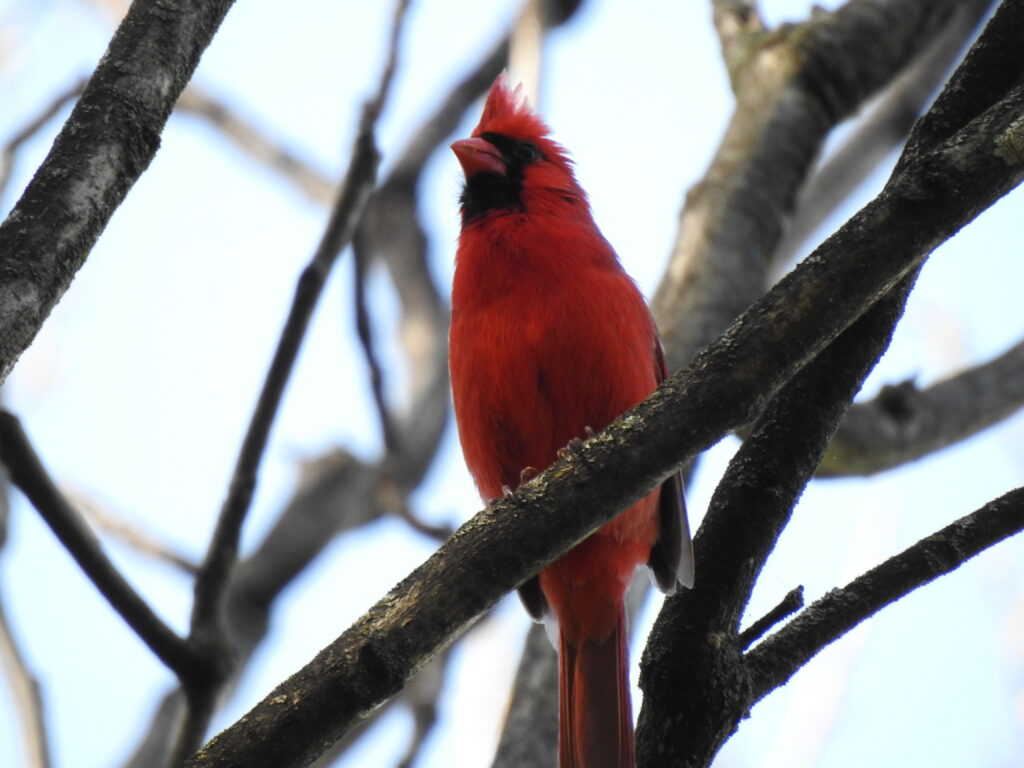
Quick Facts
Average Wild Lifespan: 3–5 years
Maximum Recorded Lifespan: Up to 15 years in the wild
Global Range: Eastern and central North America
Conservation Status: Least Concern
Main Survival Threats: Predators, harsh weather, window strikes, and habitat loss
Notable Feature: Year-round adaptability helps support long-term survival across changing seasons
Introduction to the Northern Cardinal Lifespan
The Northern Cardinal is one of the most familiar year-round songbirds across North America, known for its vivid coloration, strong vocal presence, and ability to survive through changing seasonal conditions. Found throughout forests, suburban neighborhoods, woodland edges, parks, and backyard feeding areas, Northern Cardinals have adapted remarkably well to a wide variety of environments. Their survival success has helped make them one of the most widespread and recognizable birds in the eastern United States.
Although many Northern Cardinals only survive a few years in the wild, some individuals live surprisingly long lives when environmental conditions remain favorable. Weather, predators, food availability, disease, and human-related dangers all influence lifespan from year to year. Like many small songbirds, early life stages are especially dangerous before young birds fully mature.
Northern Cardinals remain active throughout the year rather than migrating long distances, meaning they must survive freezing winters, storms, and seasonal food shortages within the same general territory. This year-round exposure creates both challenges and advantages for long-term survival. Birds familiar with stable local food sources and shelter often improve their chances of surviving multiple seasons.
Their lifespan also varies greatly depending on whether they live in wild natural environments or protected human-managed conditions. Backyard feeding stations, dense shrubs, and protected nesting areas may increase survival opportunities in some locations. Even so, the natural lifespan of a Northern Cardinal remains shaped by constant environmental pressure and competition.
Northern Cardinal Lifespan Overview and Survival Rates
Northern Cardinals generally live between 3 and 5 years in the wild, although many individuals do not survive through their first year of life. Young birds face intense environmental pressure from predators, weather exposure, and limited experience during early development stages. Because of this, survival rates increase significantly after maturity.
Under favorable conditions, some cardinals survive much longer than average. The oldest recorded wild Northern Cardinal lived more than 15 years, demonstrating the species’ ability to survive for extended periods when threats are minimized. These longer lifespans, however, are uncommon compared to average wild survival rates.
Seasonal conditions strongly influence survival across different years. Harsh winters with prolonged snow cover or freezing temperatures may reduce food access and increase stress. Milder winters often improve survival by allowing easier access to seeds, berries, and shelter throughout colder months.
Compared to the American Goldfinch, Northern Cardinals often benefit from remaining year-round residents within familiar territory. Goldfinches may shift more frequently in response to seasonal food changes, while cardinals maintain stable local territories and shelter locations throughout the year.
Predation remains one of the largest influences on lifespan. Hawks, owls, snakes, raccoons, cats, and other predators target both juvenile and adult cardinals. Nestlings and fledglings are especially vulnerable because they lack the flight strength and awareness of mature birds.
Human-related hazards also affect lifespan significantly. Window collisions, vehicle strikes, pesticides, and habitat fragmentation all contribute to mortality in suburban and urban areas. Even outdoor domestic cats create substantial pressure on local songbird populations in many environments.
Despite these challenges, Northern Cardinals remain highly successful because of their adaptability and broad environmental tolerance. Their ability to survive across forests, suburbs, farmland, and residential neighborhoods helps maintain stable populations throughout much of their range.
General Characteristics That Influence Northern Cardinal Lifespan
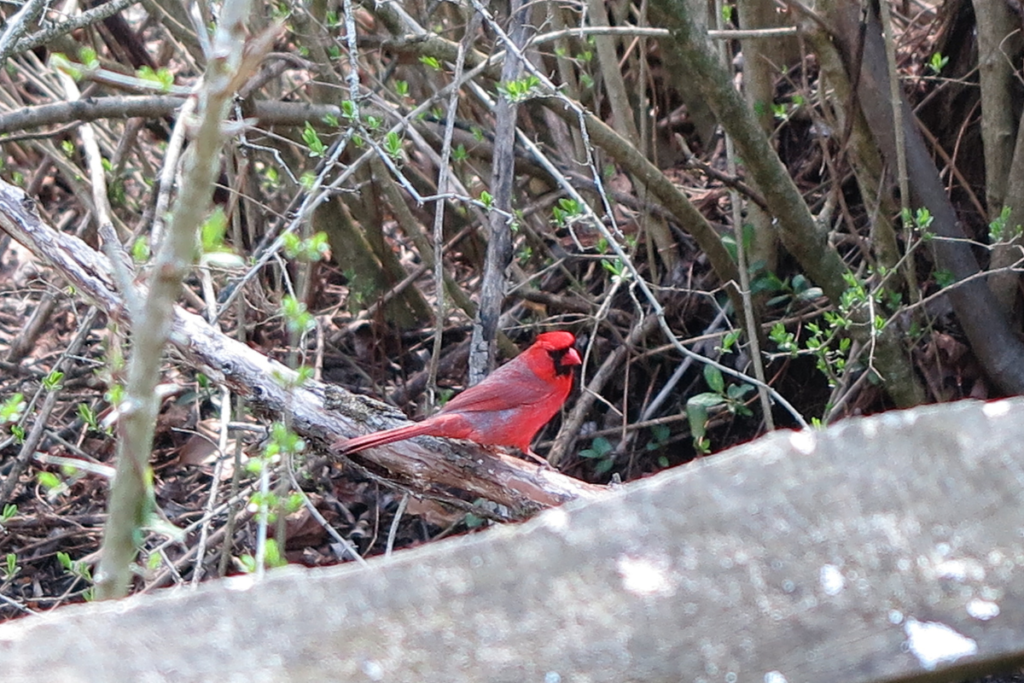
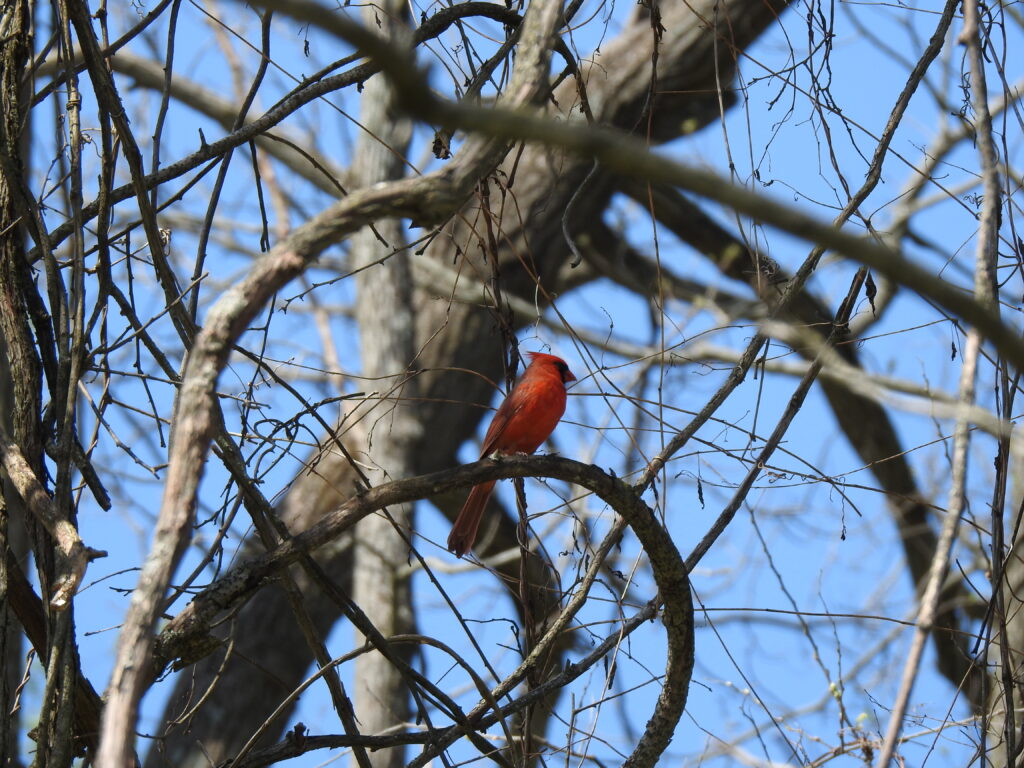
Several physical and environmental characteristics help Northern Cardinals survive across a wide range of conditions. One of the most important is their year-round adaptability. Unlike migratory birds that depend on long-distance travel, cardinals remain within relatively stable home territories where they learn shelter locations, food sources, and safe movement routes.
Their thick triangular beak also contributes heavily to survival success. The powerful beak allows cardinals to crack seeds and consume a broad variety of food resources throughout changing seasons. During winter, this feeding flexibility becomes especially valuable when softer food sources become less available.
Dense plumage helps Northern Cardinals tolerate cold winter conditions more effectively than some smaller delicate songbirds. Feathers trap insulating air close to the body, helping reduce heat loss during freezing temperatures. On especially cold mornings, cardinals often appear puffed up as they conserve warmth.
Compared to the House Finch, Northern Cardinals generally possess a sturdier body structure and stronger winter tolerance. House Finches often gather in larger flocks for survival advantages, while cardinals frequently rely more on territorial familiarity and sheltered vegetation.
The species’ strong awareness and alert behavior also improve survival chances. Cardinals remain highly attentive to surrounding movement and sounds, quickly reacting to predators or environmental disturbances. This constant vigilance reduces vulnerability during feeding and movement.
Bright coloration may seem disadvantageous because it increases visibility, especially in males, but strong territorial awareness and dense vegetation use help offset this risk. Females possess softer brown coloration that provides stronger camouflage during nesting periods. Together, these adaptations improve survival across different stages of life.
Territory familiarity additionally helps experienced adults survive longer. Older birds often learn where reliable food, water, and shelter remain available during seasonal extremes. This environmental knowledge becomes increasingly important during difficult winters or periods of resource scarcity.
Northern Cardinals and Their Role in Ecosystem Stability
Northern Cardinals contribute significantly to ecosystem balance throughout their range, and their survival directly influences the health of many bird communities. As seed dispersers, they help move plant material throughout forests, shrubs, and woodland edges. Seeds consumed by cardinals may later be distributed into new environments, supporting plant growth and ecological diversity.
The species also contributes to insect population regulation, especially during warmer months. Although seeds form a major part of their feeding habits, cardinals consume insects and other small invertebrates that might otherwise increase unchecked. This feeding behavior supports ecological balance within woodland and suburban ecosystems.
Northern Cardinals additionally function as prey for larger predators including hawks, owls, snakes, and mammals. Their presence supports energy transfer throughout food webs and contributes to predator population stability. Even common songbirds play essential ecological roles within broader environmental systems.
Because Northern Cardinals remain year-round residents, they provide ecological continuity across seasons when many migratory birds are absent. Winter forests and suburban environments often still contain active cardinal populations despite reduced activity from other songbirds. Their continued presence supports stable ecological interaction throughout colder months.
Longer-lived adult cardinals may also contribute to more stable breeding success within local populations. Experienced adults often establish reliable nesting territories and adapt more effectively to changing environmental conditions. These mature birds help maintain population consistency across generations.
Human communities benefit from Northern Cardinal survival as well. Cardinals are among the most popular backyard birds in North America and frequently encourage interest in birdwatching, conservation, and native landscaping. Their visibility helps strengthen public appreciation for local wildlife and habitat protection.
The species’ adaptability also demonstrates the importance of maintaining connected green spaces within developed environments. Dense shrubs, native vegetation, woodland edges, and backyard cover all support longer-term survival opportunities for cardinals and many other songbirds. Habitat preservation directly influences lifespan and reproductive success.
Through seed dispersal, predator-prey relationships, insect control, and year-round ecological interaction, Northern Cardinals remain important members of eastern North American ecosystems. Their lifespan reflects a constant balance between environmental challenge and remarkable adaptability, allowing this iconic songbird to remain widespread across forests, suburbs, and natural landscapes year after year.

Popular Searches About Northern Cardinals
Explore Northern Cardinal Guide
Explore More Wildlife

Support Encounters World
Help support wildlife photography and get behind the scenes discoveries on Patreon.