
Blacklet Fly Range and Distribution Guide: Where Are Blacklet Flies Found?
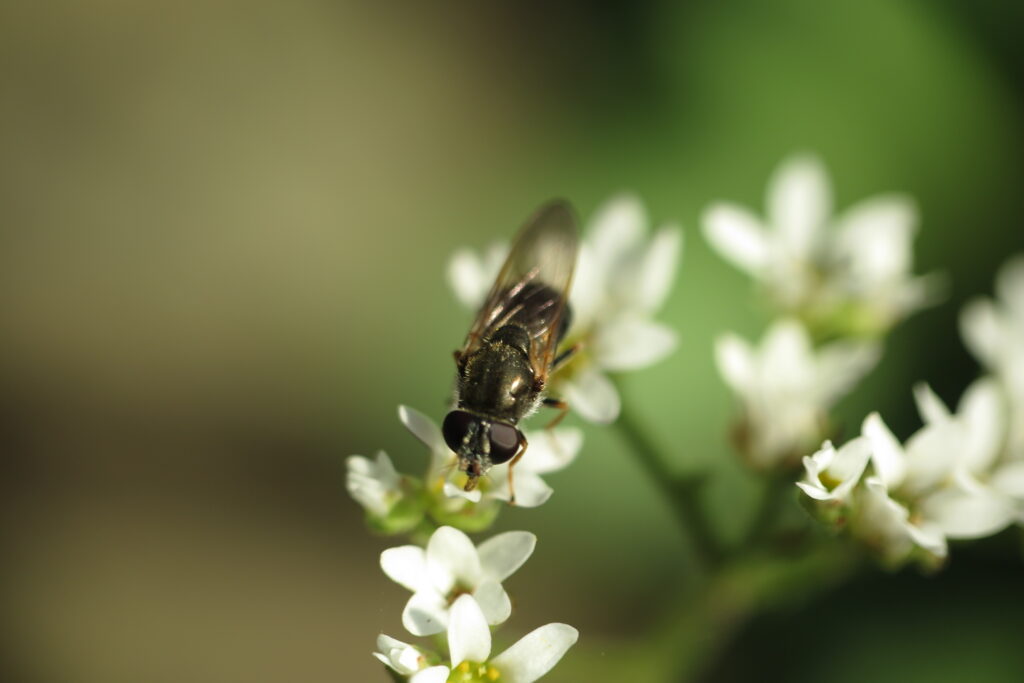
Quick Facts
Native Range: Multiple Continents Worldwide
Current Distribution: North America, Europe, Asia, Africa, South America, and Oceania
Climate Zones: Temperate, Subtropical, and Some Tropical Regions
Elevation Range: Sea Level to Over 8,000 Feet (2,400 m) Depending on Species
Distribution Pattern: Widespread but Variable by Species
Notable Range Feature: One of the most geographically diverse fly families
Understanding the Global Distribution of Blacklet Flies
Blacklet flies belong to the family Heleomyzidae, a large and diverse group of true flies distributed throughout much of the world. Unlike some insects that occur only within a limited geographic region, members of this family have successfully established populations across multiple continents. Their broad distribution makes them one of the more widespread fly groups encountered by naturalists and insect enthusiasts.
Because the family contains hundreds of species, no single distribution map can accurately represent every blacklet fly. Individual species often occupy different regions, climates, and environmental zones. Collectively, however, the family demonstrates an impressive global presence.
Observers may encounter blacklet flies in North America, Europe, Asia, South America, Africa, and Oceania. This extensive range reflects a long evolutionary history and a remarkable ability to adapt to different environmental conditions. Few people realize that such small insects occur across such a large portion of the planet.
Although blacklet flies rarely attract public attention, they form a consistent component of insect communities in many regions. Their widespread occurrence means that they are often present even when unnoticed. Learning where they are found provides valuable context for understanding their ecological importance.
Blacklet Fly Worldwide Range and Geographic Presence
The geographic range of the Heleomyzidae family extends across nearly every major landmass except Antarctica. Species occur throughout both the Northern and Southern Hemispheres, occupying environments that differ dramatically in climate and geography. This broad distribution highlights the family’s adaptability.
North America supports numerous blacklet fly species. Populations occur throughout Canada, the United States, and portions of Mexico, where different species occupy a variety of environmental regions. From northern forests to more temperate landscapes, members of the family can be found across much of the continent.
Europe represents another major center of distribution. Blacklet flies occur throughout many European countries and have been documented across a wide range of environmental settings. Their presence extends from northern regions with cooler climates to more moderate southern areas.
Asian populations contribute significantly to the family’s overall diversity. Species occur across large portions of the continent, including temperate and subtropical regions. Given Asia’s immense geographic size, distribution patterns vary considerably between locations.
South America contains numerous species as well. Although some areas remain less studied than regions in North America and Europe, blacklet flies are known to occur throughout portions of the continent. Their presence contributes to the rich insect diversity found across South American ecosystems.
African and Oceanian records further expand the family’s range. Species occur in multiple regions of Africa and throughout parts of Australia and neighboring areas. These populations demonstrate the ability of blacklet flies to occupy environments separated by vast geographic distances.
Compared with insects restricted to a single continent, blacklet flies display a far broader distribution pattern. Their range resembles that of highly successful wildlife groups capable of adapting to numerous conditions. This widespread occurrence remains one of the defining characteristics of the family.
Taken as a whole, the family’s distribution illustrates an extraordinary geographic reach. Few casual observers realize that insects they encounter locally belong to a group with representatives scattered across much of the globe.
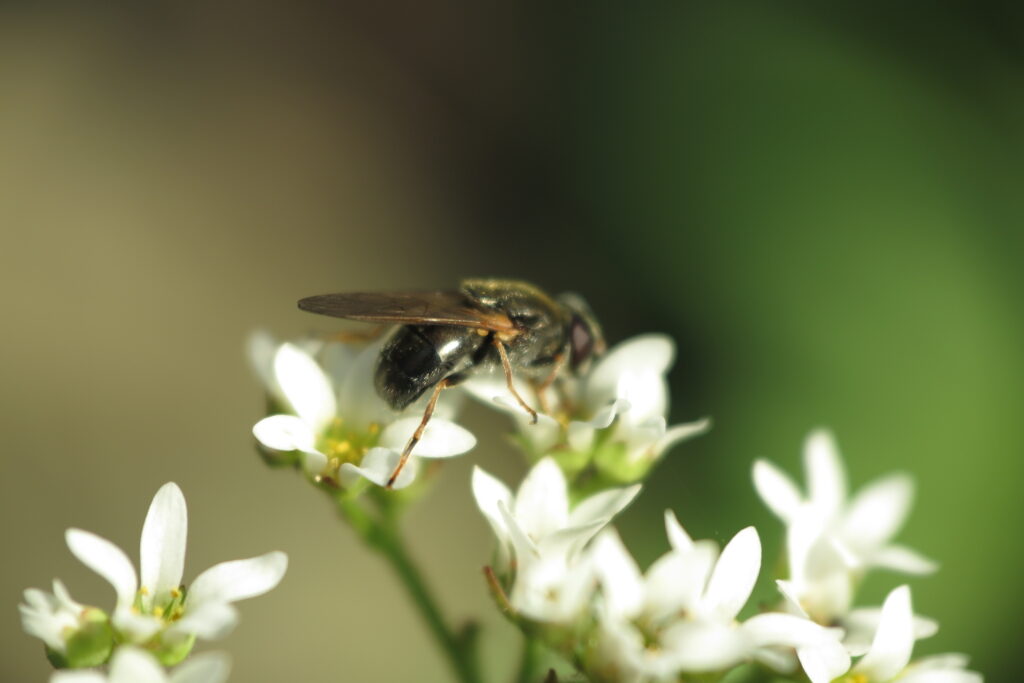
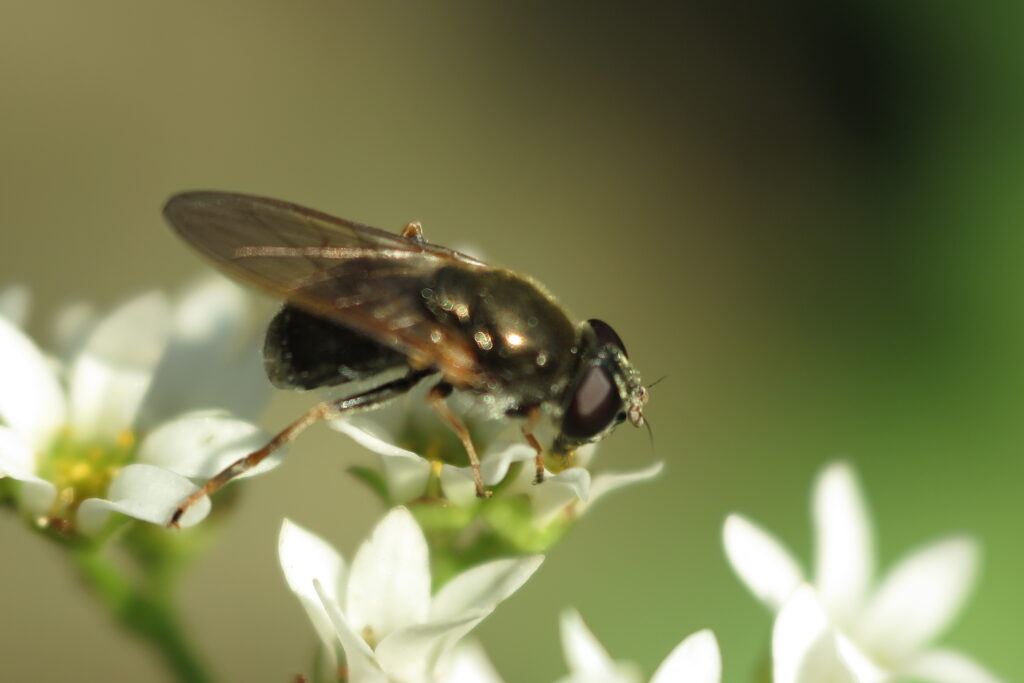
Blacklet Fly Regional Distribution Patterns and Range Variation
Although the family is globally distributed, blacklet flies are not evenly distributed across all regions. Some species possess extensive ranges spanning multiple countries, while others occur only within relatively limited geographic areas. This variation creates a complex pattern of distribution within the family.
Northern temperate regions support many well-documented species. Areas with distinct seasonal cycles often provide conditions suitable for long-term population stability. As a result, blacklet flies are frequently recorded in these parts of the world.
In contrast, certain species occur only within localized regions where specific environmental conditions exist. These restricted distributions are common throughout the insect world and contribute to overall biodiversity. Such species may be abundant locally while remaining absent elsewhere.
Elevation also influences distribution. Some blacklet flies occur primarily in lowland environments, while others are capable of inhabiting mountainous regions. This flexibility allows the family to occupy landscapes ranging from coastal plains to elevated terrain.
Distribution can vary even within a single country. For example, populations may be common in one region but relatively uncommon in another. Factors such as climate, vegetation, and local environmental conditions contribute to these differences.
Historical events have shaped current distribution patterns as well. Geological changes, climatic shifts, and long-term environmental processes influenced where species were able to establish populations. Modern distributions reflect thousands or even millions of years of ecological change.
A useful comparison can be made to bird species with different migration ranges. Some birds occur across entire continents, while others occupy only small geographic areas. Blacklet flies exhibit a similar spectrum of distribution patterns within their family.
Understanding these regional differences helps explain why one observer may encounter blacklet flies frequently while another rarely sees them. Distribution is influenced by a combination of geography, climate, and species-specific requirements.
Factors Influencing Blacklet Fly Range Expansion and Distribution
Climate is one of the most important factors affecting blacklet fly distribution. Temperature, seasonal variation, and moisture levels all influence where populations can survive. Regions with suitable environmental conditions are far more likely to support established populations.
Geographic barriers can also shape distribution. Mountain ranges, deserts, oceans, and other large-scale landscape features may limit movement between regions. These barriers contribute to the development of distinct populations and species over time.
Vegetation structure plays an important role in determining where blacklet flies occur. Areas with diverse plant communities often support a wider variety of insect species. Greater ecological complexity frequently results in more opportunities for population establishment.
Elevation influences distribution as well. Conditions at sea level differ significantly from those found in mountainous regions. Some blacklet flies tolerate a broad elevation range, while others are more restricted in their occurrence.
Seasonal environmental stability can affect long-term population success. Regions experiencing favorable conditions for extended periods may support larger and more consistent populations. Areas with extreme environmental fluctuations often present additional challenges.
Human activity has influenced distribution in certain regions. Urban development, agriculture, transportation networks, and landscape modification can alter where insects occur. While some species decline under these changes, others successfully adapt to modified environments.
A practical comparison can be made to plant species that spread successfully across multiple climates. Just as adaptable plants often occupy broad geographic ranges, blacklet flies benefit from characteristics that allow them to persist under diverse conditions. Flexibility contributes significantly to their success.
Ultimately, the extensive distribution of blacklet flies results from a combination of environmental tolerance, evolutionary history, and ecological adaptability. These factors have allowed members of the Heleomyzidae family to establish populations across much of the world, making them one of the most geographically widespread groups of flies known today.

Popular Searches About Blacklet Flies
Explore Blacklet Fly Guide
Explore More Wildlife

Support Encounters World
Help support wildlife photography and get behind the scenes discoveries on Patreon.