
Blacklet Fly Pollination Role Guide: Do Blacklet Flies Pollinate Flowers?

Quick Facts
Pollination Status: Occasional Pollinator
Primary Pollination Method: Incidental Pollen Transfer During Flower Visits
Flower Visitation Frequency: Moderate to Frequent in Some Species
Pollination Importance: Minor but Ecologically Valuable
Main Plant Interaction: Nectar and Pollen Collection
Ecosystem Contribution: Supports Plant Reproduction and Biodiversity
Understanding the Pollination Role of Blacklet Flies
Blacklet flies belong to the family Heleomyzidae, a widespread group of true flies found across North America, Europe, Asia, Africa, South America, and Oceania. While they are not as famous as bees, butterflies, or hummingbirds, they still participate in important ecological processes. One of these contributions involves their interactions with flowering plants.
Many people automatically associate pollination with bees, yet numerous insects assist in moving pollen between flowers. Flies represent one of the most overlooked pollinator groups in the natural world. Blacklet flies are among the many species that may contribute to this process during routine flower visits.
Pollination occurs when pollen is transferred from one flower to another, allowing plants to reproduce successfully. While blacklet flies are generally considered secondary pollinators rather than primary pollinators, their visits can still have ecological value. Even small amounts of pollen movement can benefit plant populations.
Because these insects are widespread and often active around flowering vegetation, their cumulative contribution may be greater than many people realize. Individual flies may move only small amounts of pollen, but large numbers of insects visiting flowers throughout a season can collectively influence plant reproduction.
Blacklet Fly Flower Visits and Pollination Potential
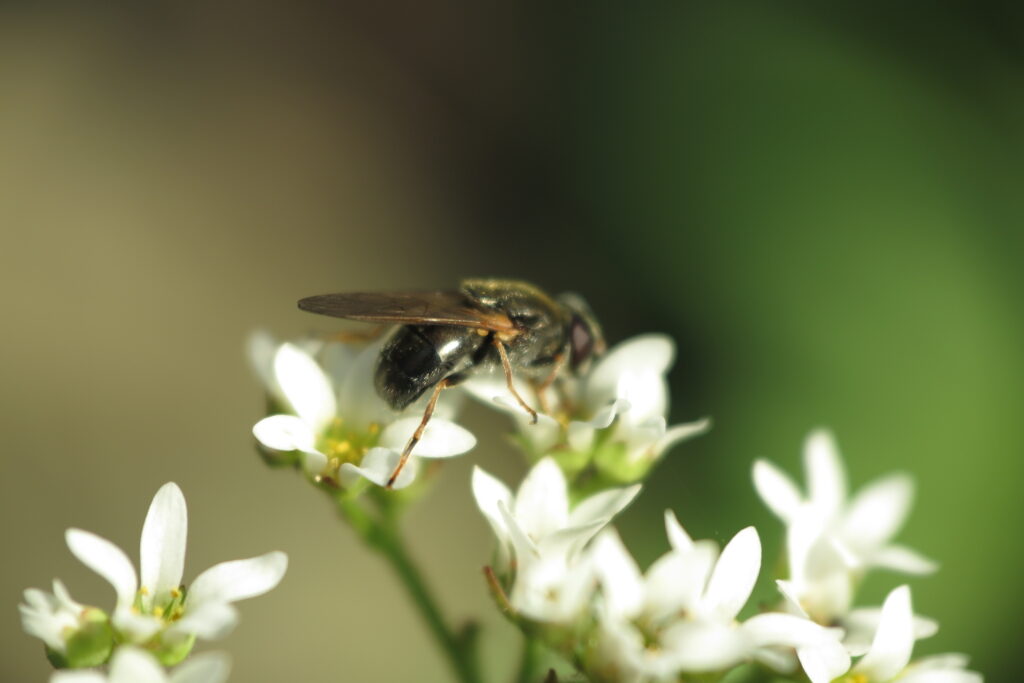
Blacklet flies frequently visit flowers while searching for food resources. During these visits, they come into direct contact with pollen-producing structures. This contact creates opportunities for pollen grains to adhere to their bodies and be transported elsewhere.
Unlike bees, blacklet flies do not possess specialized pollen-carrying structures. Bees often have dense hairs and pollen baskets designed specifically for collecting pollen. Blacklet flies rely instead on incidental contact, meaning pollen attaches accidentally while they move across floral surfaces.
The effectiveness of blacklet flies as pollinators varies among plant species. Some flowers are structured in ways that encourage contact with pollen-producing organs, increasing the chances of successful transfer. Others may receive fewer benefits from fly visitation.
Compared with honey bees, blacklet flies are generally less efficient pollinators on an individual basis. However, efficiency is not the only factor that matters in pollination. Frequency of visits, abundance, and geographic distribution also influence overall ecological impact.
Many flowering plants are visited by a wide variety of insects rather than relying on a single pollinator species. In these diverse pollination systems, blacklet flies become one of many contributors supporting reproductive success. Their role may be modest, but it remains meaningful.
A useful comparison can be made to a sports team. Star players often receive the most attention, yet supporting players still contribute to the final outcome. Bees may be the star pollinators, but blacklet flies and other insects help support the broader pollination network.
Because they are found across much of the world, blacklet flies have opportunities to interact with numerous flowering plant species. These repeated interactions create countless chances for pollen transfer throughout their range.
Although pollination is not the primary reason blacklet flies visit flowers, it frequently occurs as a byproduct of their normal activities. This accidental contribution helps connect insects and plants within larger ecological systems.

How Blacklet Flies Transfer Pollen Between Flowers
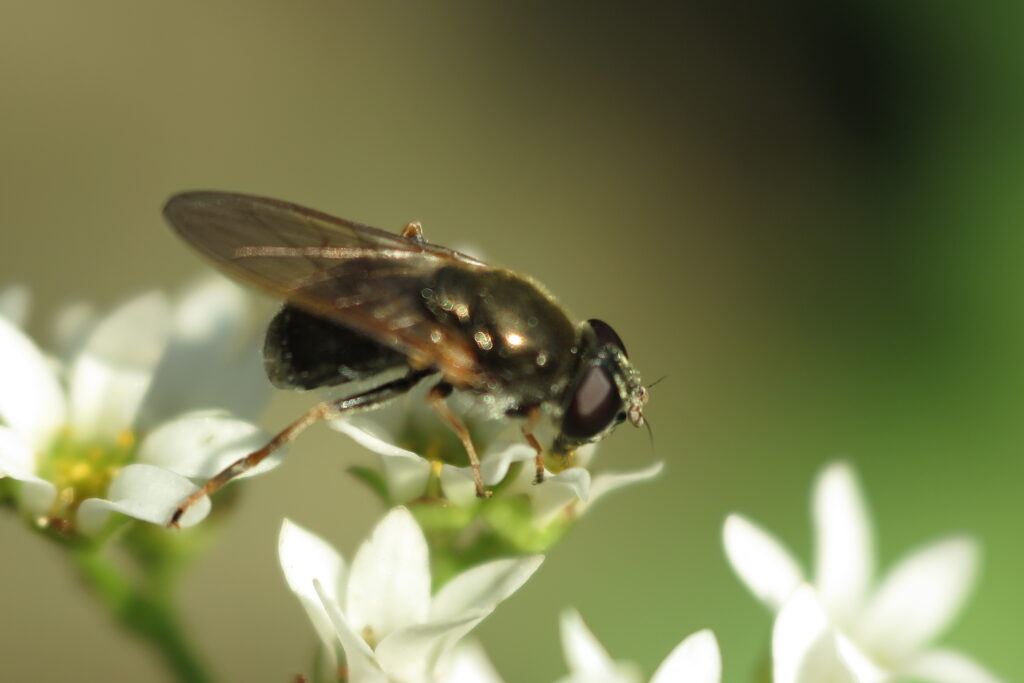
Pollen transfer begins when a blacklet fly lands on a flower and moves across its surface. As the insect contacts reproductive structures, pollen grains may attach to the legs, thorax, abdomen, wings, or body hairs. These particles remain attached until the fly visits another flower.
The process is largely passive rather than deliberate. Blacklet flies do not intentionally collect pollen for transport in the same way that some bees do. Instead, pollen transfer occurs naturally as a consequence of feeding and movement among blossoms.
Body structure plays an important role in this process. Even though blacklet flies lack dense pollen-collecting hairs, their bodies still provide numerous surfaces where pollen can accumulate. Microscopic pollen grains readily adhere during flower visits.
Repeated movement between flowers increases pollination opportunities. A single flower visit may result in little pollen transfer, but multiple visits across a patch of vegetation significantly increase the chances of successful pollination. Over time, these interactions can contribute meaningfully to plant reproduction.
Certain flower shapes may be particularly suitable for fly-mediated pollination. Blossoms with exposed reproductive structures often increase the likelihood of contact. In such cases, blacklet flies may become more effective pollinators than many observers would expect.
For example, a fly moving from one wildflower to another while collecting nectar may unknowingly transport pollen between plants. This process resembles a person carrying traces of sand on their shoes while walking from one beach area to another. The transport is accidental but still occurs.
Environmental conditions also influence pollination opportunities. During seasons with abundant blooms, blacklet flies encounter flowers more frequently, increasing the likelihood of pollen movement. Flower-rich landscapes therefore provide greater potential for pollination contributions.
The cumulative effect of thousands of small pollen transfers can become ecologically important. While individual events may seem insignificant, together they support the reproductive success of many flowering plants.
Importance of Blacklet Flies in Pollination Networks
Pollination networks consist of interconnected relationships between plants and pollinating animals. These networks are often more complex than they appear because many different species contribute to the movement of pollen. Blacklet flies form one small but valuable part of this larger system.
Ecologists increasingly recognize the importance of non-bee pollinators. Flies, beetles, moths, butterflies, and numerous other insects help maintain pollination services across ecosystems. Blacklet flies contribute to this diversity by providing additional pathways for pollen transfer.
One advantage of having multiple pollinator groups is resilience. If a particular pollinator declines or becomes less active, other species may continue supporting plant reproduction. Blacklet flies help strengthen these ecological safety nets through their participation in flower visitation.
Flowering plants benefit from a diverse pollinator community. Different insects visit flowers at varying times, under different weather conditions, and in different regions. This diversity increases the likelihood that pollination will occur consistently throughout a growing season.
A practical comparison can be made to a transportation network. Major highways handle large volumes of traffic, but smaller roads remain important for connecting communities. Bees may function as the highways of pollination, while blacklet flies represent smaller yet still valuable routes within the system.
Their widespread distribution further increases ecological significance. Because blacklet flies occur across multiple continents, their pollination contributions extend far beyond any single ecosystem. Countless plant-insect interactions occur every year across their global range.
Although they rarely receive recognition as pollinators, blacklet flies demonstrate that effective pollination does not always require specialized adaptations. Simple, repeated interactions between insects and flowers can still support plant reproduction and biodiversity.
Ultimately, blacklet flies should be viewed as supporting pollinators within broader ecological networks. While they may not rival bees in pollination efficiency, their flower visits contribute to the interconnected relationships that help sustain healthy ecosystems around the world.
Popular Searches About Blacklet Flies
Explore Blacklet Fly Guide
Explore More Wildlife

Support Encounters World
Help support wildlife photography and get behind the scenes discoveries on Patreon.