
White-Tailed Deer Scapula Anatomy Guide: Bone Structure and Anatomical Landmarks
Quick Facts
Bone Type: Scapula (Shoulder Blade)
Likely Animal: White-Tailed Deer
Common Name: White-Tailed Deer Scapula
Scientific Name: Odocoileus virginianus
Bone Category: Shoulder Girdle Bone
Primary Anatomical Regions: Blade, Neck, Glenoid Cavity
Major Joint Surface: Glenoid Cavity (Shoulder Socket)
Muscle Attachment Areas: Extensive
Symmetry: Left and Right Paired Bones
White-Tailed Deer Scapula Anatomical Structure Guide
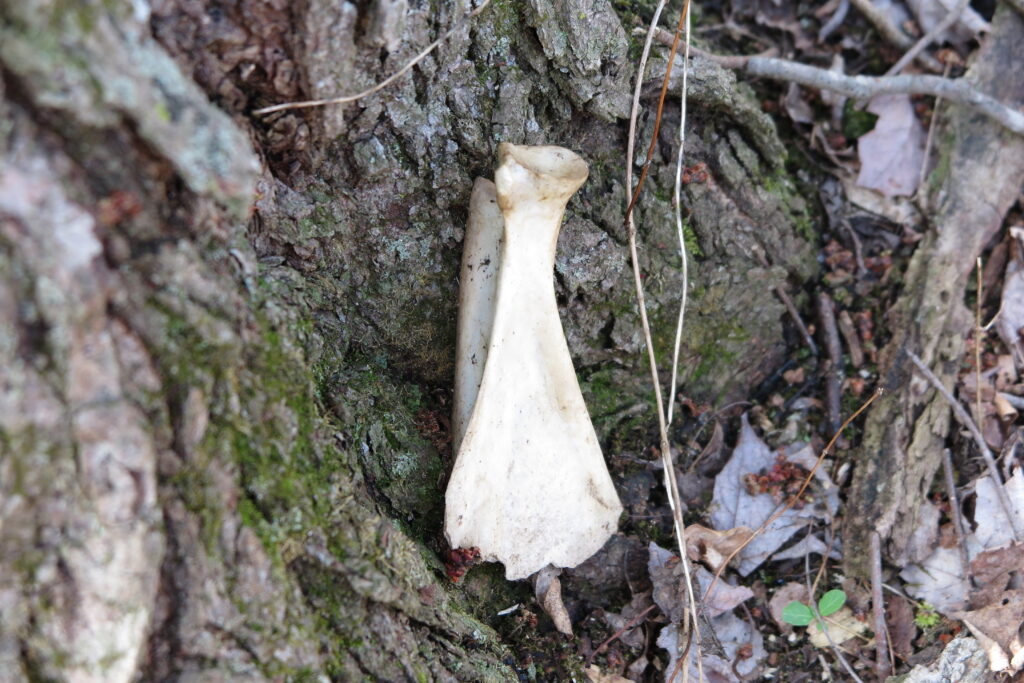
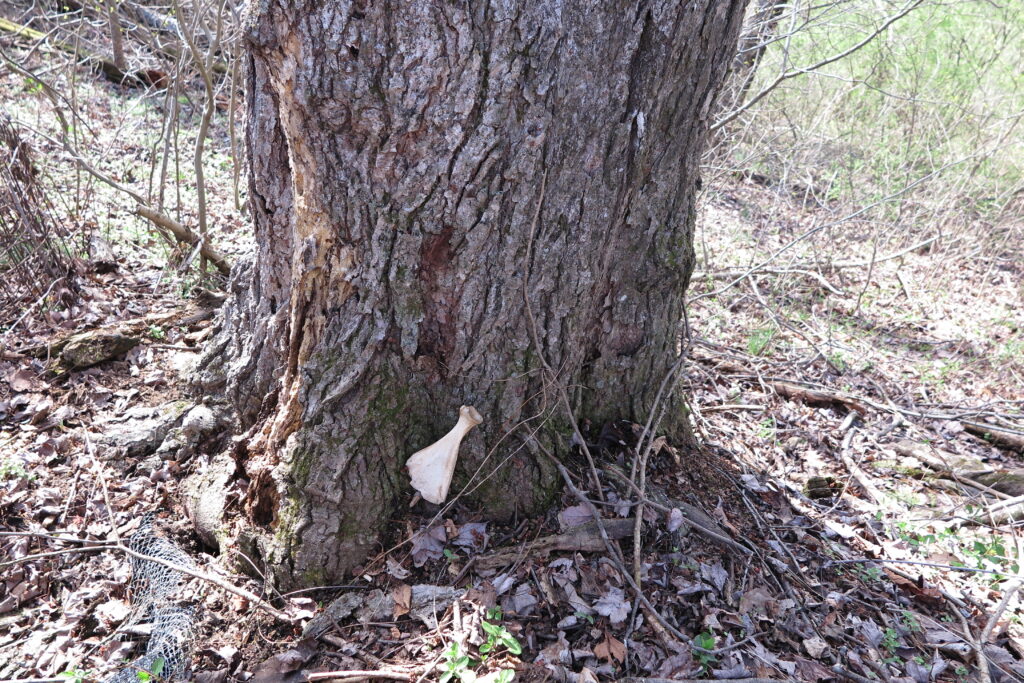
The white-tailed deer scapula is the primary shoulder blade bone within the front limb assembly. Positioned between the body and upper front leg, it forms an important anatomical connection that helps define the shoulder region. Even when discovered as a fragment, portions of the scapula often preserve recognizable anatomical features.
White-tailed deer inhabit forests, agricultural landscapes, wetlands, and other habitats throughout much of North America. Across this extensive range, the basic anatomy of the scapula remains remarkably consistent. While individual size and proportions may vary slightly, the major anatomical regions are shared among healthy adults.
Unlike long bones such as the femur or humerus, the scapula belongs to a group of broad, flattened skeletal elements. Its anatomy is organized around a large blade-like body and a specialized shoulder joint region. These areas work together to create the overall structure of the bone.
Understanding scapula anatomy is useful for bone identification because specific landmarks remain visible even on incomplete specimens. Features such as the blade, neck, and shoulder socket often survive weathering and breakage. These structures provide valuable clues when examining skeletal remains in the field.
White-Tailed Deer Scapula Blade and Main Bone Regions
The largest anatomical portion of the scapula is the blade. This broad, flattened region forms the majority of the bone’s surface area and gives the scapula its familiar shoulder-blade appearance. On complete specimens, the blade creates a wide triangular profile that gradually narrows toward the shoulder region.
The blade consists of two major surfaces separated by subtle contours and ridges. These surfaces provide space for numerous muscles and connective tissues during life. Even after weathering, portions of these broad surfaces often remain visible and help distinguish the scapula from other skeletal elements.
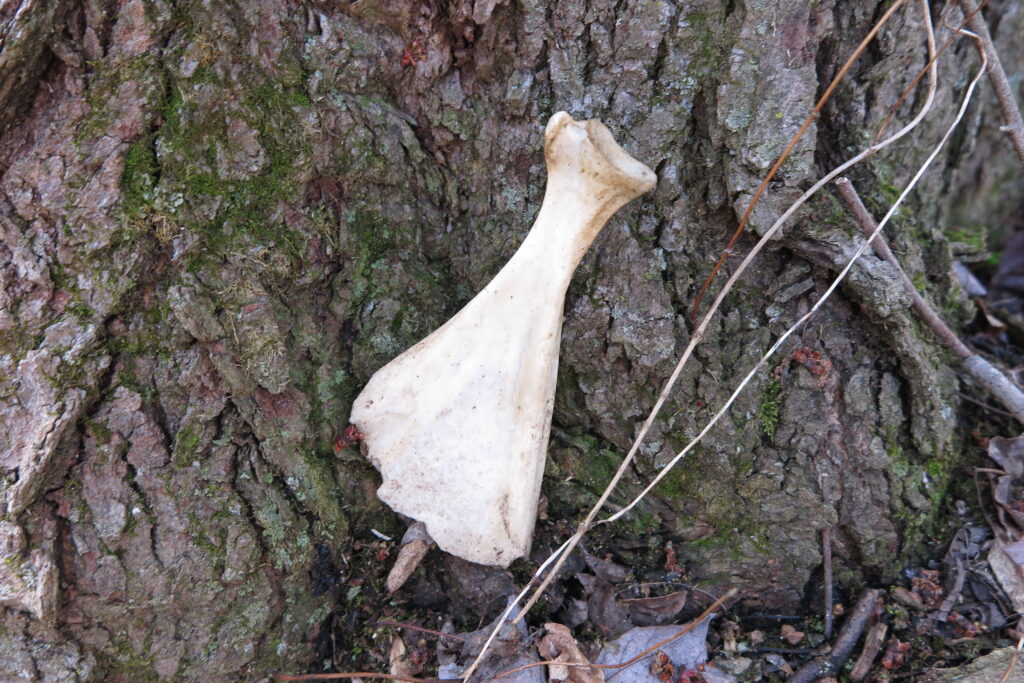
Toward one end of the blade, the bone narrows into a more compact section known as the scapular neck. This transitional area serves as a bridge between the broad body of the scapula and the shoulder joint. The neck creates a noticeable change in width that is frequently preserved on fragmented specimens.
The neck is often one of the easiest anatomical regions to identify. It appears as a constricted area between the larger blade and the expanded joint region. This narrowing effect helps define the overall shape of the scapula and contributes to its recognizable profile.
The borders of the blade also represent important anatomical features. These edges outline the perimeter of the bone and vary in thickness depending on location. Some margins appear relatively thin, while others become more reinforced as they approach the shoulder region.
At the upper portions of the blade, gentle curves contribute to the overall contour of the scapula. These curves create a structure that is neither completely flat nor heavily rounded. The resulting shape provides both strength and surface area without excessive weight.
Compared to a rib, which forms a long narrow arch, the scapular blade appears much broader and more plate-like. Compared to the pelvis, however, the blade lacks large openings and complex projections. These distinctions help define the anatomy of the shoulder blade.
Together, the blade, borders, and neck form the foundational regions of the scapula. These anatomical components create the framework upon which the remaining landmarks are organized.
White-Tailed Deer Scapula Joint Anatomy and Glenoid Cavity
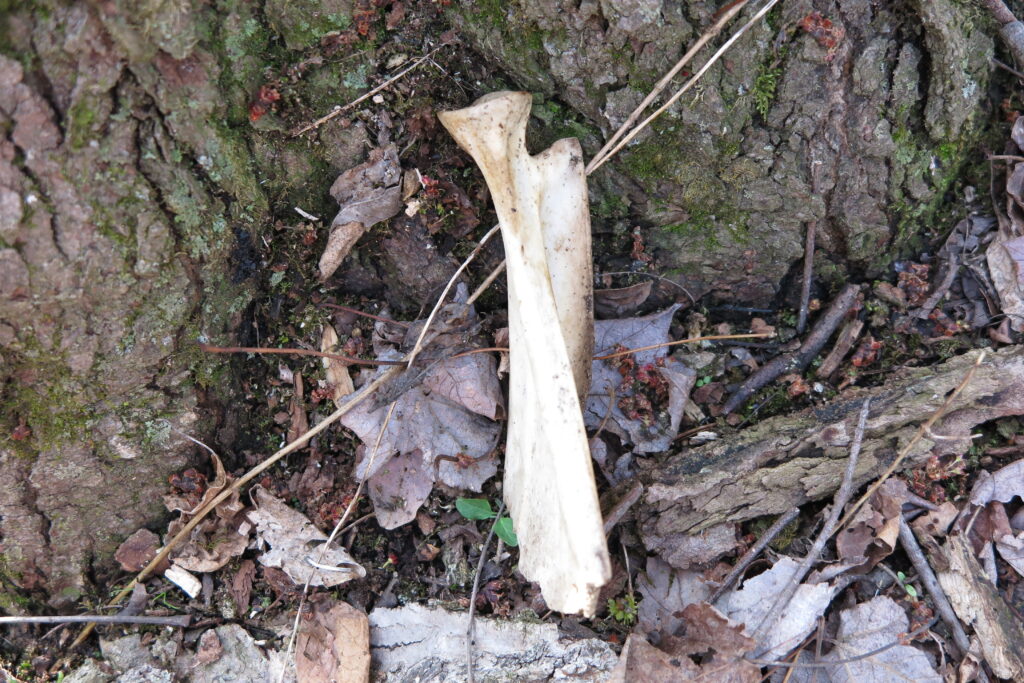
The most important anatomical landmark on the scapula is the glenoid cavity. This structure forms the shoulder socket and represents the point where the scapula articulates with the humerus. Its smooth surface distinguishes it from much of the surrounding bone.
Located at the lower end of the scapular neck, the glenoid cavity appears as a shallow, rounded depression. The shape allows it to accommodate the rounded head of the humerus while maintaining stability. Even on weathered specimens, this feature frequently remains recognizable.
The region surrounding the glenoid cavity is generally thicker and more robust than the broad blade. This reinforcement reflects the importance of the shoulder joint within the skeletal system. As a result, the joint area often survives even when other portions of the scapula have broken away.
Adjacent to the socket are smaller anatomical features that help define the shoulder region. These include raised surfaces and subtle projections that contribute to the overall shape of the joint complex. While not always preserved on fragmented specimens, traces may still be visible.
The glenoid cavity serves as one of the most valuable identification landmarks available on a scapula. Because relatively few bones contain a similar structure in the same location, the socket helps distinguish shoulder blade fragments from other skeletal remains.
A useful comparison is to imagine the glenoid cavity as a shallow cup positioned at the end of a broad plate. This visual model accurately reflects the relationship between the shoulder socket and the larger blade of the scapula. The contrast between the rounded socket and flat blade is a defining anatomical characteristic.
When viewed from different angles, the glenoid cavity often appears smoother and more refined than surrounding surfaces. This difference results from its role as a joint surface. The contrast in texture can help locate the landmark during examination.
Because the shoulder socket is concentrated within a relatively small area, fragments preserving this region remain highly diagnostic. Even when much of the blade is missing, the glenoid cavity often provides sufficient evidence for identification.
White-Tailed Deer Scapula Landmarks and Anatomical Identification Features
Beyond the blade and glenoid cavity, several additional landmarks contribute to the anatomy of the scapula. These structures create the unique appearance that allows the bone to be recognized among other skeletal elements. Together, they form a pattern rarely duplicated elsewhere in the skeleton.
Subtle ridges extend across portions of the scapular surface. These raised areas create variation in texture and help define anatomical regions. Although weathering may soften their appearance, traces frequently remain visible on preserved specimens.
The scapular borders provide another useful anatomical reference. These margins frame the blade and establish the overall outline of the bone. Their gradual expansion toward the wider portions of the blade contributes to the characteristic shoulder-blade shape.
The transition between the blade and neck represents an especially important identification feature. This narrowing zone creates a distinctive profile that is often preserved even on incomplete specimens. The change in width helps orient the observer when examining an isolated fragment.
A practical field example involves a scapula fragment retaining only the neck and shoulder socket. Even without the complete blade, the preserved narrowing pattern and glenoid cavity immediately suggest a shoulder blade. This demonstrates how anatomical landmarks remain useful despite damage.
Compared to vertebrae, the scapula lacks a central spinal canal and projecting processes. Compared to ribs, it possesses a much broader surface area and more complex joint region. These differences help eliminate alternative identifications.
The combination of flat surfaces, expanding blade margins, narrowed neck, ridges, and shoulder socket creates a distinctive anatomical arrangement. No single feature alone defines the bone, but the collection of landmarks forms a reliable identification pattern.
Understanding these anatomical features transforms a simple bone fragment into a recognizable part of the deer skeleton. By learning the blade, neck, glenoid cavity, borders, and surface landmarks, observers can identify scapula specimens with greater confidence and accuracy.
Popular Searches About Deer Scapula
Explore Deer Scapula Guide
Explore More Bones

Support Encounters World
Help support wildlife photography and get behind the scenes discoveries on Patreon.