
White-Tailed Deer Scapula Function, Movement, and Skeletal Role Guide
Quick Facts
Skeletal Role: Movement and Support
Body Region: Front Limb / Shoulder Region
Primary Function: Front Limb Attachment and Movement Coordination
Muscle Attachment: Yes – Extensive and Strong
Mobility Role: Flexible and Movement-Oriented
Protection Level: Low
Joint Connection: Yes – Ball-and-Socket Style Shoulder Joint (Glenoid Cavity)
Load Bearing: Yes
Biological Importance: Essential for Locomotion, Balance, and Limb Control
White-Tailed Deer Scapula Function and Movement Guide
The white-tailed deer scapula is a large shoulder blade positioned along the upper portion of the front limb. It forms part of the shoulder assembly and serves as a major connection point between the body and front leg. Although often overlooked compared to antlers or skulls, the scapula plays a critical role in how a deer moves through its environment.
White-tailed deer inhabit a broad geographic range extending across most of North America and into portions of Central America. Throughout this range, individuals rely on speed, agility, and endurance to navigate forests, grasslands, wetlands, and agricultural landscapes. The shoulder region contributes significantly to these abilities.
Unlike bones associated primarily with protection, the scapula is closely linked to movement. It works alongside muscles, tendons, and neighboring skeletal elements to create a highly mobile front limb system. This arrangement allows deer to respond quickly to obstacles and threats.
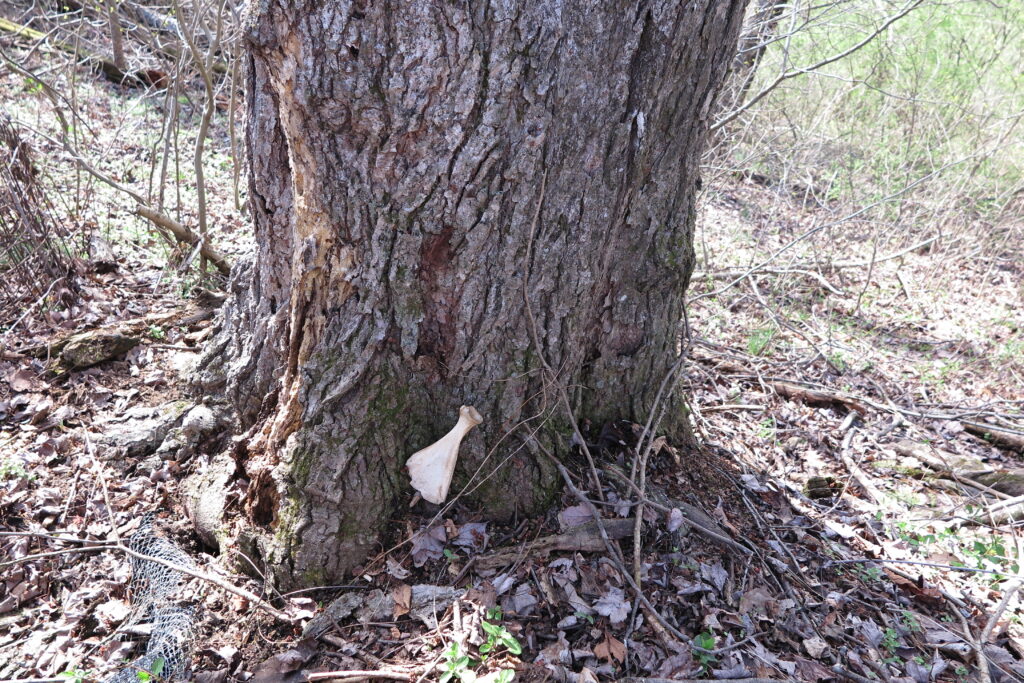
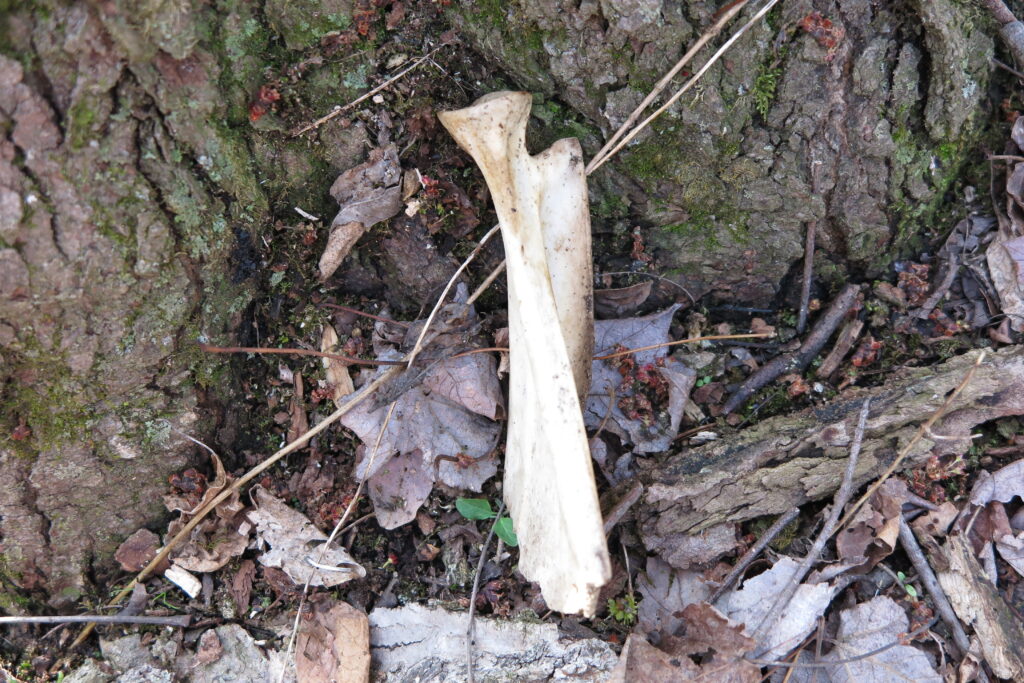
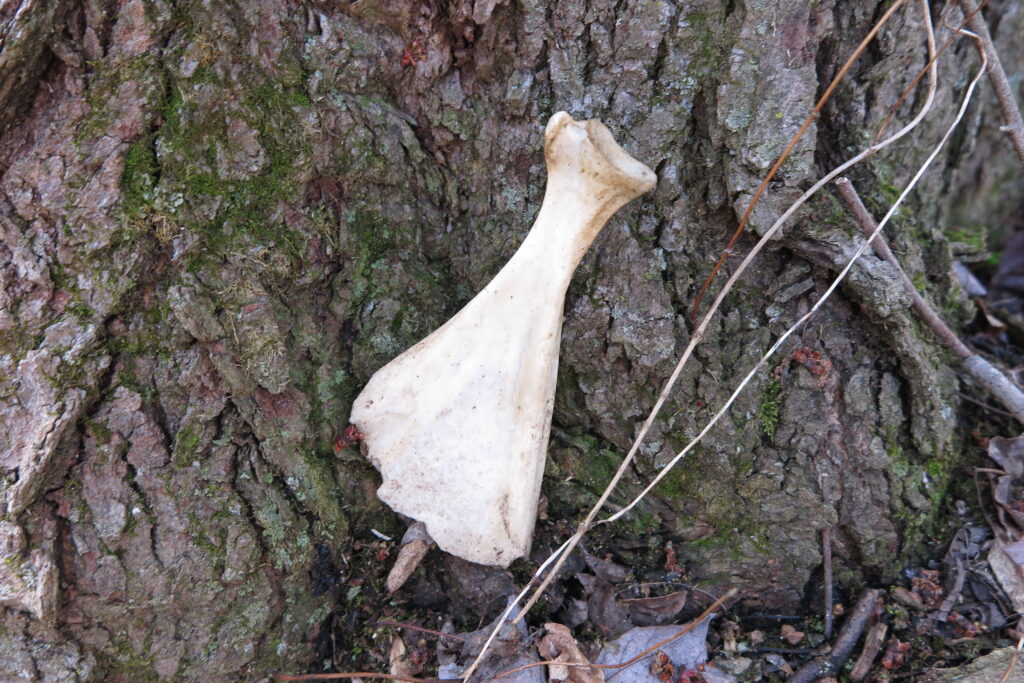
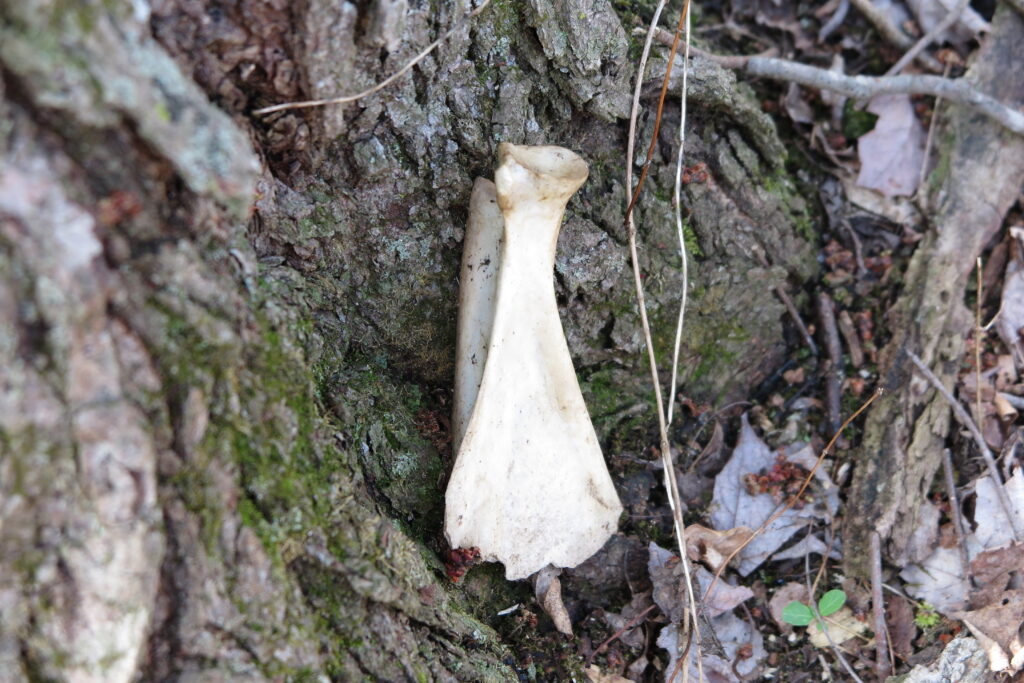
The specimen represented here is a partial scapula fragment, but even an incomplete bone reveals its importance within the skeleton. The preserved shoulder region highlights the connection point that once linked the front leg to the body. Understanding this role provides valuable insight into how deer maintain their remarkable mobility.
White-Tailed Deer Scapula Role Within the Skeleton
The scapula serves as one of the primary structural components of the shoulder region. Rather than acting as an isolated bone, it functions as part of a coordinated system involving muscles, joints, and front limb bones. Together, these structures create a highly adaptable movement platform.
Within the skeleton, the scapula occupies a position between the body and the upper front leg. This location allows it to act as an intermediary structure that helps transfer forces generated during movement. Every step taken by a deer involves interactions between the shoulder blade and surrounding skeletal elements.
Unlike the skull or rib cage, which primarily provide protection, the scapula contributes directly to locomotion. Its placement allows the front limbs to move through a broad range of positions without sacrificing stability. This balance between flexibility and support is essential for an animal that frequently encounters uneven terrain.
The bone also provides a substantial surface area for muscle attachment. Large muscle groups associated with the neck, chest, and upper limb anchor to the scapula, creating a network capable of generating significant force. Without these attachment sites, efficient limb movement would be impossible.
Because deer rely heavily on rapid acceleration, the shoulder region must respond instantly to changing conditions. The scapula helps coordinate these movements by providing a stable platform from which muscles can operate. This arrangement contributes to the fluid motion commonly observed when deer run or leap.
The shoulder blade also assists with balance and body control. As a deer changes direction or adjusts its footing, forces travel through the shoulder region and into the scapula. The bone helps distribute these forces across a larger area, reducing stress on individual structures.
Compared to highly rigid skeletal components, the scapula functions within a more dynamic region of the body. It participates in movement rather than simply resisting it. This distinction separates the shoulder blade from many bones whose primary role is structural protection.
Viewed as part of the complete skeleton, the scapula represents a key component of the front limb system. Its contribution extends beyond simple support and influences nearly every aspect of deer locomotion.
White-Tailed Deer Scapula Function and Biological Purpose
The primary function of the scapula is to provide attachment and support for the front limb. Through its connection with the upper leg bone, it forms part of the shoulder joint that allows the leg to move freely while remaining securely attached to the body. This relationship forms the foundation of front-limb mobility.
Large muscles originating from the neck, chest, and back attach to the scapula. These muscles generate the forces required for walking, running, climbing slopes, and jumping obstacles. The broad shoulder blade acts as a mounting surface that allows these muscles to operate efficiently.
One useful comparison is to think of the scapula as a structural mounting plate within a machine. Rather than producing movement itself, it provides a location where multiple moving parts connect and function together. The effectiveness of the entire system depends on the stability of this foundation.
The shoulder blade also assists with posture and body positioning. Even while standing still, numerous muscles attached to the scapula remain active. These muscles help maintain alignment between the body and front limbs.
As deer move across rough terrain, the scapula contributes to smooth motion by coordinating muscular forces. Small adjustments occur continuously as the animal navigates rocks, roots, fallen logs, and uneven ground. The shoulder region plays a major role in maintaining stability during these adjustments.
The connection between the scapula and humerus creates a highly mobile joint capable of supporting a wide range of movements. This flexibility allows deer to extend their stride during running and reposition their limbs when changing direction. Such versatility is essential for survival in complex natural environments.
Although the scapula is not typically associated with protection, it indirectly contributes to survival through mobility. The ability to accelerate rapidly and maneuver efficiently often determines whether a deer escapes danger. In this sense, the shoulder blade supports one of the species’ most important defensive strategies.
Taken together, the scapula’s functions include muscle attachment, joint support, limb coordination, and movement control. These responsibilities make it one of the most important bones involved in deer locomotion.
White-Tailed Deer Scapula Biomechanics and Movement Dynamics
The scapula experiences substantial forces during everyday activity. Every step generates pressure that travels through the front limbs and into the shoulder region. Rather than concentrating these forces at a single point, the scapula helps distribute them across a broader area.
When a deer walks, the shoulder blade participates in a controlled cycle of loading and unloading. Weight shifts onto the front limb as the foot contacts the ground, then transfers away as the stride continues. This repeated process occurs thousands of times throughout the animal’s life.
During running, the demands placed on the scapula increase dramatically. Powerful muscle contractions pull against the bone while impact forces travel upward from the ground. The shoulder blade must remain stable while accommodating these rapidly changing loads.
A useful comparison is to think of the scapula as a suspension component within a vehicle. Just as a suspension system manages forces generated by movement, the shoulder region helps absorb and redirect stresses produced during locomotion. This capability contributes to efficient and controlled motion.
The scapula also plays a role in stride length. Because the shoulder assembly possesses considerable flexibility, the front limb can extend farther forward and backward during movement. This increased range contributes to the long, efficient strides characteristic of deer.
When a deer jumps over an obstacle, the shoulder region encounters forces far greater than those experienced during walking. The scapula helps transmit muscular power while simultaneously managing impact upon landing. This dual role requires both strength and adaptability.
Rapid changes in direction place additional demands on the shoulder assembly. A deer fleeing a predator may pivot suddenly while maintaining speed. The scapula assists in controlling these directional shifts by providing a stable yet responsive platform for muscle action.
The combination of force distribution, flexibility, and muscular coordination makes the scapula a vital component of deer biomechanics. Although often discovered as a simple fragment in the field, the bone once participated in a remarkably sophisticated movement system capable of supporting speed, agility, and endurance throughout the animal’s life.
Popular Searches About Deer Scapula
Explore Deer Scapula Guide
Explore More Bones

Support Encounters World
Help support wildlife photography and get behind the scenes discoveries on Patreon.