Red-Bellied Piranha Breeding Guide: Reproduction, Spawning Season, and Life Cycle
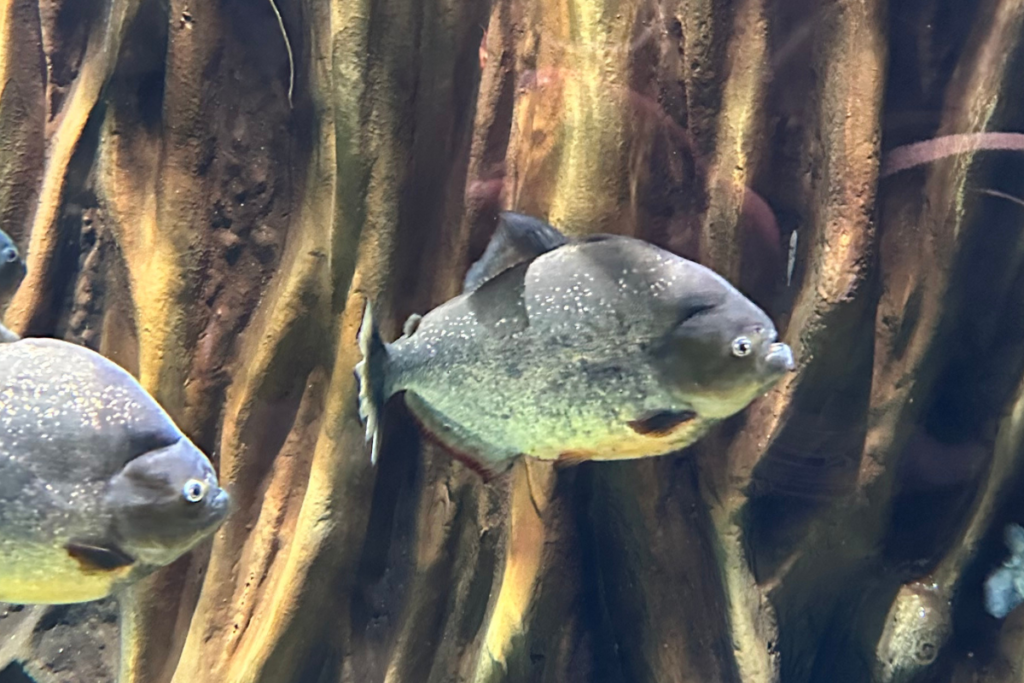
Quick Facts
Breeding Season: Primarily During Rainy and Flooding Seasons
Reproductive Method: Egg-Laying (Oviparous)
Egg Count: Hundreds to Several Thousand Eggs per Spawning Event
Sexual Maturity: Approximately 1–2 Years
Global Range: South America
Notable Feature: Seasonal Breeding Linked to Rising Water Levels
Red-Bellied Piranha Reproduction in South American Rivers
The red-bellied piranha reproduces within some of the largest freshwater ecosystems on Earth. Native to the Amazon Basin, Orinoco watershed, and Paraguay-Paraná river system, this species relies on seasonal environmental cycles that have shaped its breeding patterns for countless generations. Reproduction is closely tied to changing river conditions, making timing one of the most important factors in successful spawning.
Across much of South America, annual rainfall dramatically alters freshwater environments. Rivers expand beyond their banks, flood surrounding landscapes, and create vast temporary aquatic habitats. These seasonal changes influence countless species, including red-bellied piranhas, whose breeding activity often coincides with these environmental transformations.
The reproductive cycle plays a crucial role in maintaining healthy populations. Each generation must successfully produce offspring capable of surviving within highly competitive freshwater ecosystems. The species’ breeding strategy reflects a balance between producing large numbers of young and maximizing opportunities for survival.
Although many people associate piranhas primarily with their famous teeth, reproduction represents an equally important aspect of their biology. The continuation of the species depends upon successful spawning, egg development, and juvenile growth. These processes have allowed red-bellied piranhas to remain widespread throughout South America’s river systems.
Red-Bellied Piranha Breeding Season and Spawning Overview
Breeding activity is generally linked to seasonal flooding patterns. Rising water levels create expanded aquatic environments that provide suitable conditions for reproduction. These environmental cues act as natural signals that help synchronize spawning among populations.
During breeding periods, mature individuals become more focused on reproductive activities than at other times of the year. Environmental conditions such as temperature, rainfall, and water levels all contribute to the timing of these events. Successful reproduction often depends on breeding occurring when conditions are most favorable for developing offspring.
Unlike species that reproduce continuously throughout the year, red-bellied piranhas typically concentrate breeding efforts within particular seasons. This timing increases the likelihood that eggs and young fish will encounter suitable environmental conditions. Seasonal reproduction is a common strategy among tropical freshwater species influenced by predictable annual flooding cycles.
Females are capable of producing substantial numbers of eggs during spawning events. Large egg production helps offset the challenges faced by developing offspring in natural environments. Many aquatic species use a similar strategy, producing numerous young because only a portion will survive to adulthood.
The breeding cycle demonstrates how closely the species is connected to South America’s freshwater systems. Rather than occurring randomly, reproduction follows environmental rhythms that have remained important throughout the species’ evolutionary history. This relationship between life cycle and habitat helps explain the long-term success of red-bellied piranha populations.
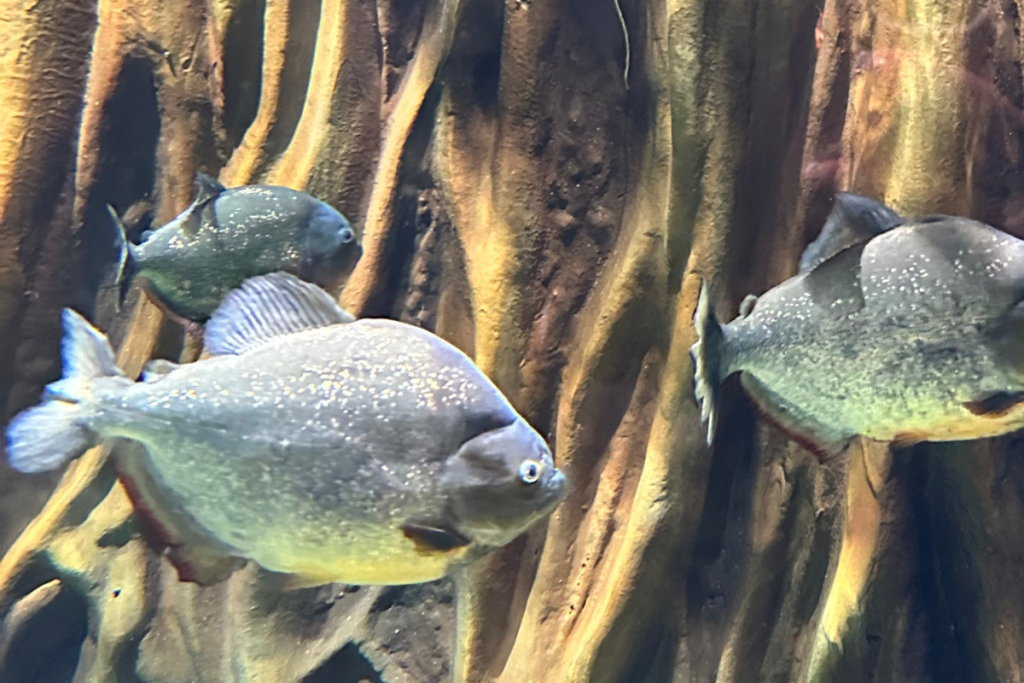
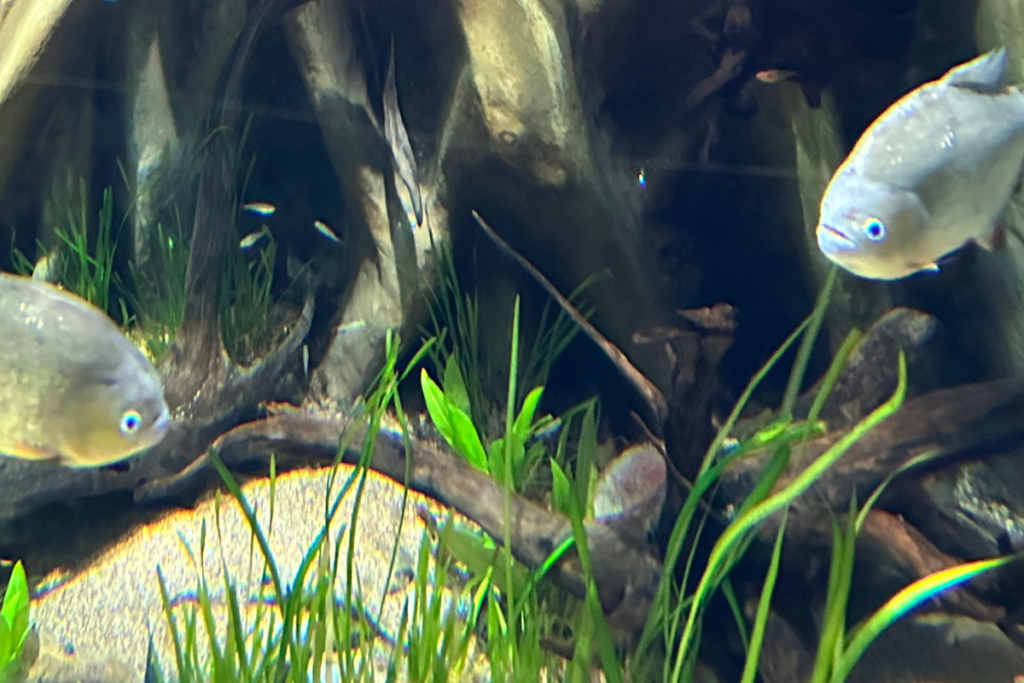
Red-Bellied Piranha Eggs and Early Development
After spawning occurs, eggs begin a critical stage of development. These eggs are typically deposited in suitable aquatic locations where environmental conditions support growth. Successful incubation depends on factors such as water quality, temperature, and protection from disturbance.
Compared with bird eggs that develop in nests above ground, piranha eggs remain entirely within aquatic environments. Their development occurs beneath the water’s surface, where conditions differ dramatically from those experienced by terrestrial species. This underwater development represents a fundamental adaptation to freshwater life.
Embryonic growth progresses rapidly under favorable conditions. Within a relatively short period, developing young begin emerging from their eggs and entering the next stage of life. At this point, survival becomes increasingly dependent on growth, environmental conditions, and the ability to avoid numerous dangers present within freshwater ecosystems.
Newly hatched piranhas bear little resemblance to the powerful adults that often capture public attention. Juveniles begin life as tiny fish with much of their development still ahead of them. Over time, they gradually acquire the body shape, coloration, and physical characteristics associated with mature individuals.
Growth during early life stages can be remarkably fast. Young fish must increase in size quickly to improve survival prospects and reduce vulnerability. This rapid development helps transform fragile hatchlings into increasingly capable juveniles prepared for the challenges of life within tropical river systems.
Red-Bellied Piranha Breeding and Ecosystem Importance
Reproduction is one of the most important processes supporting freshwater biodiversity. Every successful breeding season contributes new individuals to aquatic ecosystems, helping maintain stable populations over time. Without reproduction, even the most successful species would eventually disappear from their environment.
The offspring produced by red-bellied piranhas become part of a much larger ecological network. Young fish interact with countless other organisms as they grow and develop. These connections contribute to the overall complexity of South America’s freshwater ecosystems.
Breeding cycles also help synchronize biological activity across entire river systems. Seasonal flooding influences fish, plants, invertebrates, reptiles, birds, and mammals simultaneously. The reproductive timing of red-bellied piranhas reflects this broader environmental coordination that characterizes many tropical waterways.
One example of ecological significance can be seen during annual flood events. Expanding aquatic habitats provide opportunities for reproduction across numerous species at the same time. These synchronized cycles support biodiversity by creating conditions favorable for growth and development throughout the ecosystem.
The red-bellied piranha’s breeding strategy demonstrates the remarkable connection between life cycles and environmental conditions. Seasonal spawning, large egg production, rapid juvenile growth, and synchronization with flooding patterns have all contributed to the species’ long-term success. Through reproduction, each generation ensures that one of South America’s most recognizable freshwater fish continues to thrive across its vast natural range.
Popular Searches About Red-Bellied Piranha
Explore Red-Bellied Piranha Guide
Explore More Exhibits

Support Encounters World
Help support wildlife photography and get behind the scenes discoveries on Patreon.