Red-Bellied Piranha Predators Guide: What Eats Red-Bellied Piranhas in the Wild?
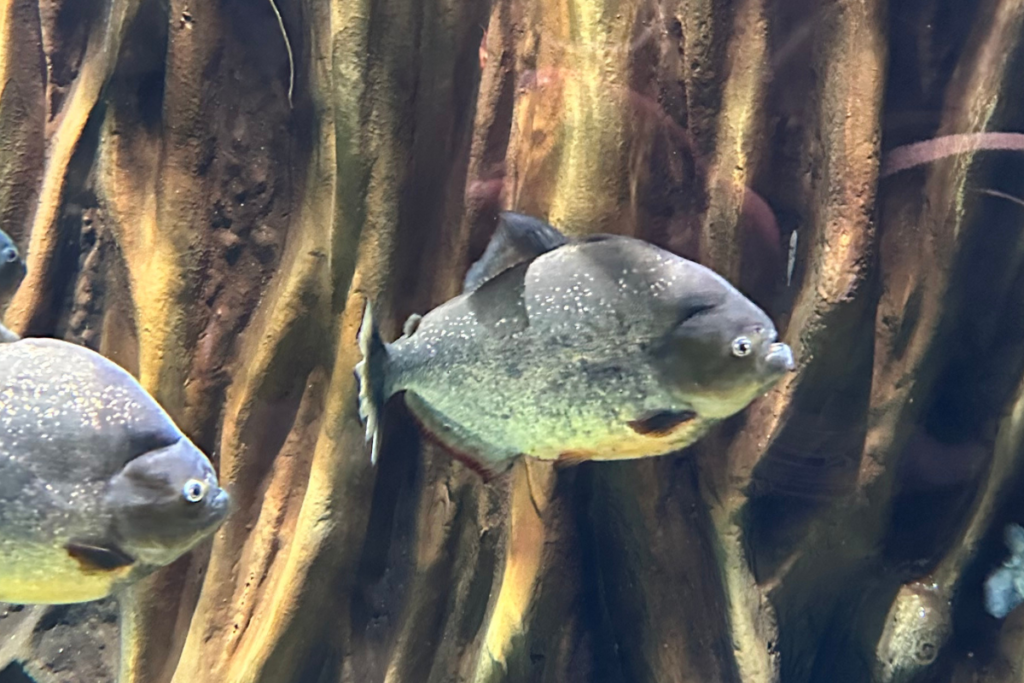
Quick Facts
Primary Predators: Caimans, River Dolphins, Giant Otters, Large Catfish, and Predatory Birds
Most Vulnerable Life Stage: Eggs and Juveniles
Defense Method: Schooling and Rapid Escape Responses
Global Range: South America
Conservation Status: Least Concern
Notable Predator Relationship: Both Predator and Prey Within Freshwater Food Webs
Red-Bellied Piranha Predators Across South America
The red-bellied piranha is often portrayed as one of the most feared fish in South America, yet it faces numerous predators throughout its natural range. Found across the Amazon Basin, Orinoco watershed, and Paraguay-Paraná river system, this species exists within ecosystems filled with larger animals capable of hunting it. Despite its powerful reputation, the red-bellied piranha is far from the top predator in every situation.
South America’s freshwater environments contain some of the world’s most impressive aquatic hunters. Massive reptiles, predatory mammals, large fish, and specialized birds all share waterways with piranhas. These animals create a complex ecological network in which even well-equipped species must remain aware of potential threats.
Predation pressure varies depending on the age and size of the piranha. Young individuals face danger from a wide variety of predators, while large adults have fewer natural enemies. Even so, mature fish remain vulnerable to some of the most powerful predators inhabiting tropical river systems.
This balance helps maintain healthy freshwater ecosystems. Without predators controlling populations, many aquatic communities would become unstable over time. The red-bellied piranha therefore occupies an interesting position in nature, functioning as both a predator and prey depending on the circumstances.
Major Predators of the Red-Bellied Piranha
Among the most significant predators of red-bellied piranhas are caimans. These crocodilian reptiles patrol rivers, lagoons, and floodplains throughout much of the species’ range. With powerful jaws and ambush-hunting abilities, caimans can capture piranhas that venture within striking distance.
River dolphins also prey upon piranhas in many South American waterways. Species such as the Amazon river dolphin possess excellent maneuverability and can hunt effectively in complex aquatic environments. Their intelligence and adaptability allow them to exploit a variety of prey species, including piranhas.
Giant otters represent another formidable predator. Growing over five feet long, these social mammals are among the most successful hunters in tropical freshwater ecosystems. Their speed, agility, and cooperative nature make them highly effective at catching fish throughout river systems.
Large predatory fish contribute additional pressure. Massive catfish species capable of reaching extraordinary sizes often consume smaller fish whenever opportunities arise. A mature catfish can easily overpower a piranha, demonstrating that size frequently determines which species holds the advantage.
Predatory birds also take advantage of piranhas when conditions allow. Herons, kingfishers, storks, and other fish-eating birds may capture smaller individuals near the water’s surface. Although birds typically target juveniles more often than adults, they remain an important source of predation throughout the species’ range.
Red-Bellied Piranha Vulnerability Throughout Life Stages
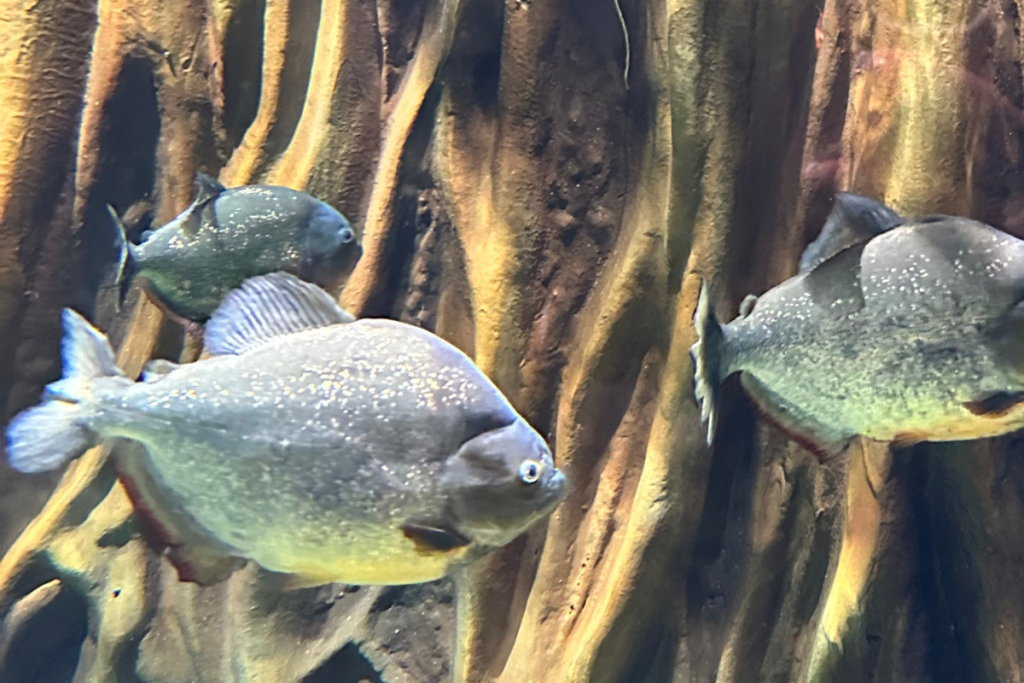
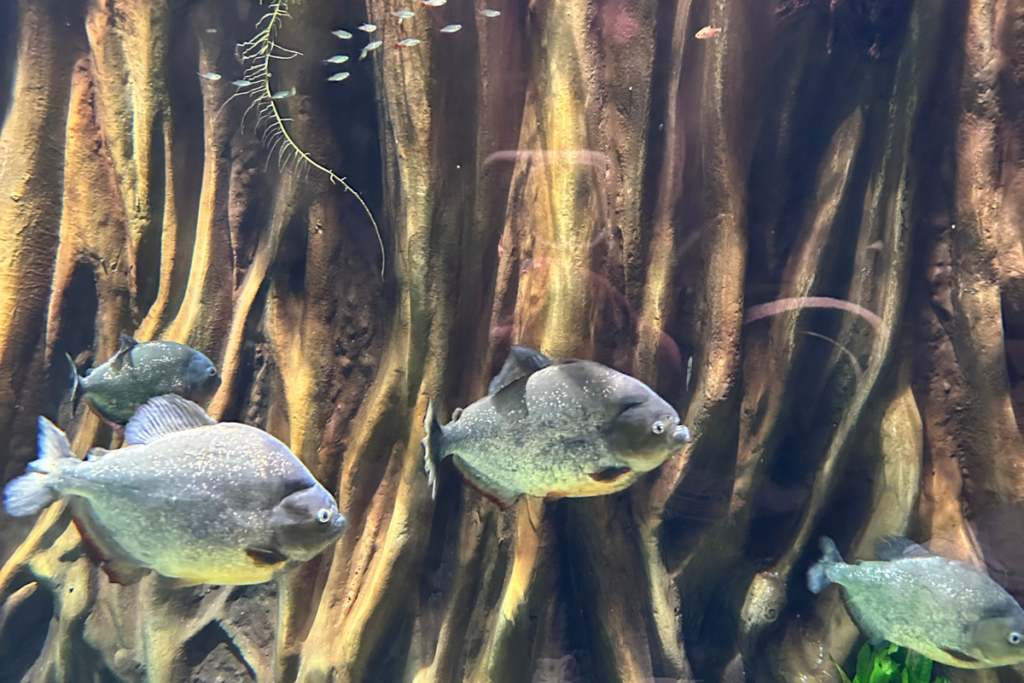
The earliest stages of life are by far the most dangerous for red-bellied piranhas. Eggs face constant threats from fish, aquatic insects, and numerous opportunistic predators. Many eggs never survive long enough to hatch due to the intense competition and predation present within tropical freshwater environments.
Newly hatched juveniles encounter an even greater number of dangers. Small fish often become targets for virtually anything capable of swallowing them. In many ways, a young piranha resembles a small songbird chick in a forest, surrounded by potential threats and dependent on rapid growth for survival.
As individuals increase in size, the number of predators capable of consuming them gradually decreases. Larger body size provides protection simply because fewer animals can successfully capture and handle a mature fish. This shift is common throughout nature and can be seen in many aquatic species.
Adult red-bellied piranhas still face risks from major predators, but they are no longer vulnerable to the enormous variety of threats encountered during youth. Their increased size, physical development, and defensive adaptations improve survival prospects considerably compared with juvenile stages.
Even the largest individuals are not completely safe. Giant otters, large caimans, river dolphins, and enormous catfish remain capable of preying upon mature fish. This reality highlights the competitive nature of South America’s freshwater ecosystems, where few species are entirely free from predation.
Red-Bellied Piranha Survival and Ecological Balance
Predators play a critical role in maintaining balance within aquatic ecosystems. By removing weaker, younger, or less successful individuals, they help support healthier populations over time. This process influences population size, genetic diversity, and the overall stability of freshwater communities.
The red-bellied piranha contributes to this balance by occupying a middle position within the food web. It interacts with smaller organisms below it while simultaneously serving as a food source for larger predators above it. Such connections help move energy throughout the ecosystem and support biodiversity.
One example of ecological balance can be seen in waterways where giant otters and piranhas coexist. The presence of top predators helps prevent any single species from becoming overly dominant. This regulation benefits the broader ecosystem by promoting diversity and preventing population imbalances.
Predatory relationships also encourage adaptation. Species exposed to long-term predation pressure often develop physical and behavioral traits that improve survival. Over countless generations, these pressures have helped shape the characteristics that make red-bellied piranhas successful within their environment.
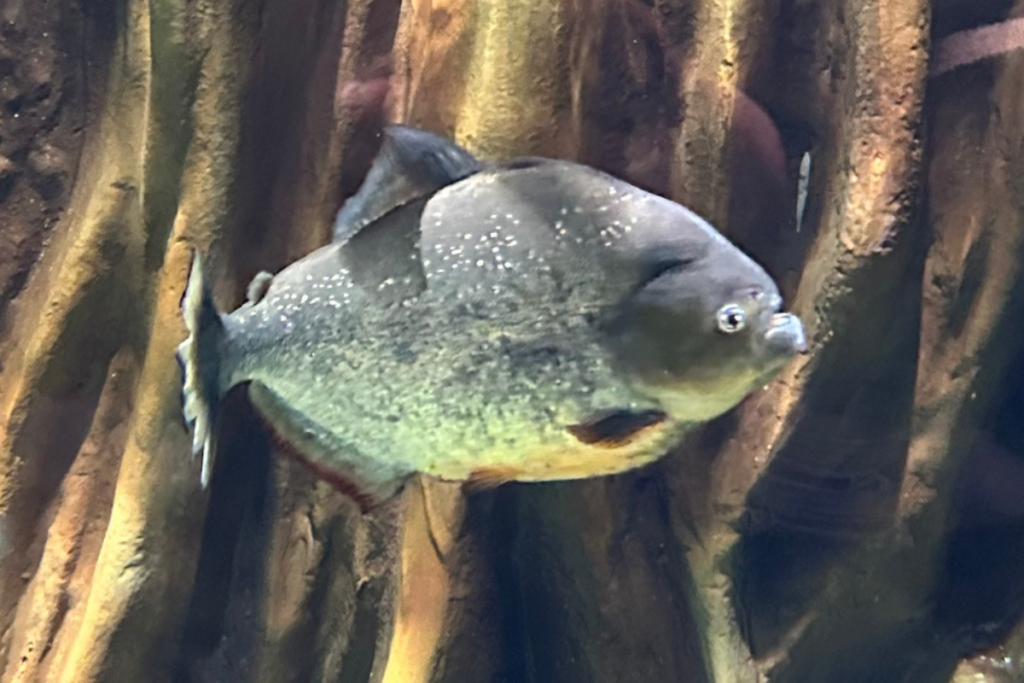
Although the red-bellied piranha is frequently portrayed as a fearsome predator, it remains an important prey species for many larger animals. Caimans, river dolphins, giant otters, catfish, and fish-eating birds all help regulate populations across South America’s waterways. Together, these relationships demonstrate that even one of the world’s most famous freshwater fish remains part of a much larger ecological system where every species plays a role.
Popular Searches About Red-Bellied Piranha
Explore Red-Bellied Piranha Guide
Explore More Exhibits

Support Encounters World
Help support wildlife photography and get behind the scenes discoveries on Patreon.