Red Ant (Myrmica Ant) Diet – What Myrmica Ants Eat and How They Feed
Quick Facts
Diet Type: Omnivorous
Main Food Sources: Insects, small invertebrates, sugary liquids, plant-derived substances
Feeding Time: Primarily daytime, with peaks during warm conditions
Foraging Method: Surface foraging, trail-following, and opportunistic scavenging
Seasonal Diet Changes: More protein-focused during growth periods; more sugars during high activity
Predatory Adaptations: Strong mandibles, coordinated group foraging, chemical communication
Introduction to Red Ant (Myrmica Ant) Feeding Habits in Nature
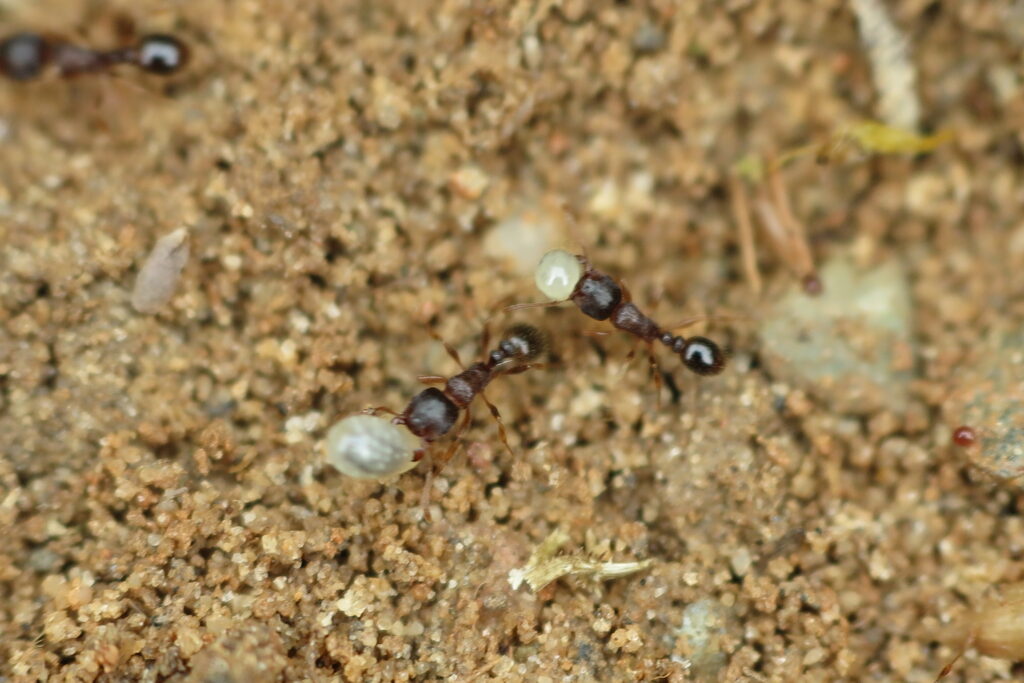
Red ants in the genus Myrmica are widely distributed across temperate regions of North America, Europe, and Asia, where they play an active role in the movement of energy through ecosystems. Their presence is often most noticeable when they are actively searching the ground or interacting with organic material on the surface. These ants are not passive inhabitants of their environment; instead, they are constantly engaged in locating and handling food resources.
Across their range, Myrmica ants are commonly found in environments where food availability shifts with the seasons. From open grassy areas to the edges of wooded landscapes, they navigate spaces where both plant and animal matter contribute to their nutritional needs. This variety of environments exposes them to a wide range of potential food sources, shaping how they approach feeding.
When observed in the wild, their feeding activity may not always be immediately obvious. Rather than remaining in one place, they move across the ground in search of opportunities, often pausing briefly before continuing onward. This pattern gives the impression of constant searching, even when no visible food source is present.
Moments of feeding become more apparent when a resource is discovered. In these situations, individual ants may gather around a single point, creating a small cluster that contrasts with their otherwise scattered movement. These interactions offer a glimpse into how their feeding behavior shifts from exploration to focused activity.
Red Ant (Myrmica Ant) Diet Overview and Feeding Flexibility
Myrmica ants are omnivorous, meaning they consume a mixture of both plant-derived and animal-based materials. This flexible diet allows them to take advantage of whatever resources are available within their environment, rather than relying on a single type of food. Their feeding habits are shaped by opportunity, making them adaptable to a wide range of conditions.
Unlike highly specialized species that depend on one primary food source, Myrmica ants adjust their diet based on availability. This adaptability can be compared to a generalist feeder, similar to animals that consume a variety of foods rather than focusing on one specific type. As a result, they are able to maintain consistent energy intake even when certain resources become scarce.
Their diet remains relatively consistent in structure across different regions, but the specific items consumed may vary depending on local conditions. In one area, they may rely more heavily on available plant-based materials, while in another, animal-derived sources may be more common. This variation reflects their ability to respond to differences in their surroundings.
Overall, their feeding tendencies are balanced rather than extreme. They do not exhibit the narrow focus seen in some insect species, nor do they rely entirely on random feeding. Instead, their diet represents a stable combination of available resources, allowing them to thrive in environments where conditions can change over time.
Natural Food Sources of Myrmica Ants in the Wild
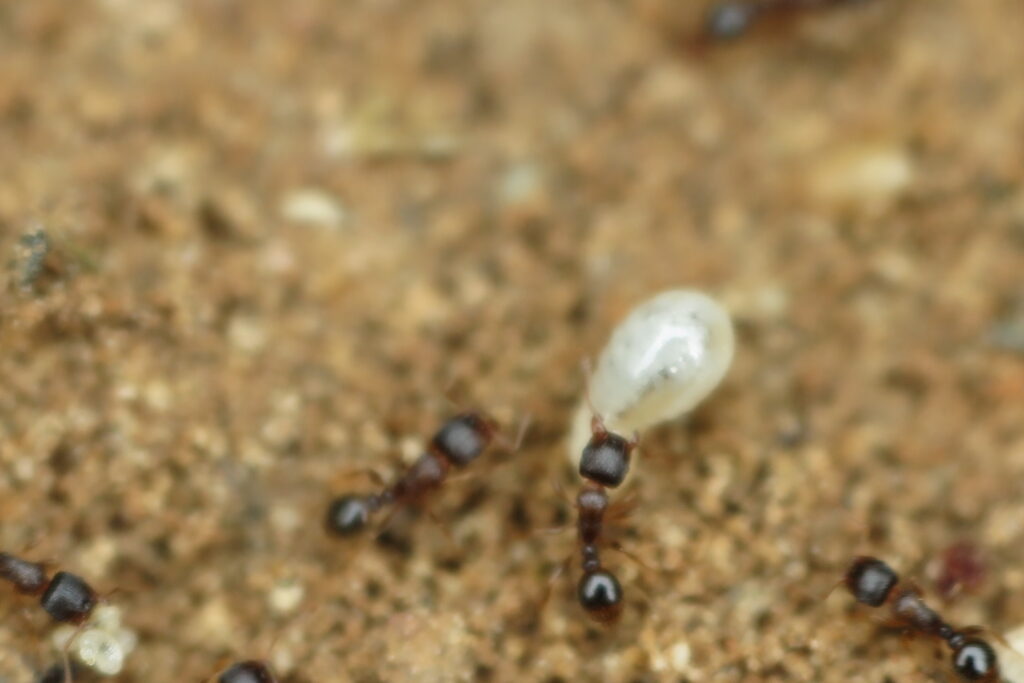
In natural settings, Myrmica ants consume a wide range of food items that support their energy needs and colony development. One of their primary sources of nutrition comes from small insects and other invertebrates. These may include soft-bodied organisms or weakened individuals that are easier to handle and transport.
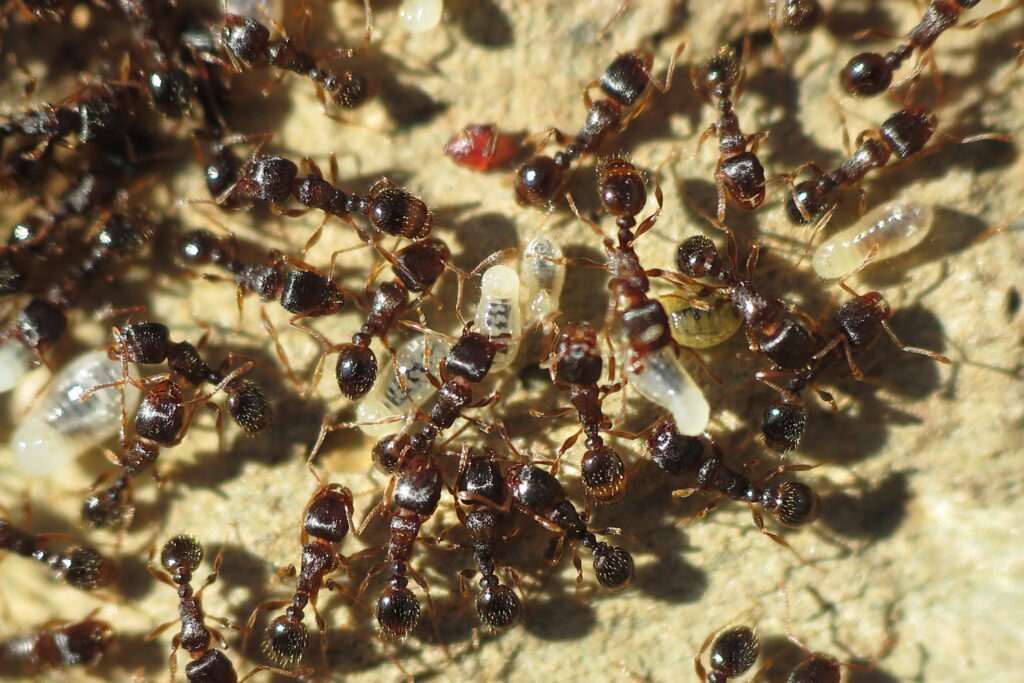
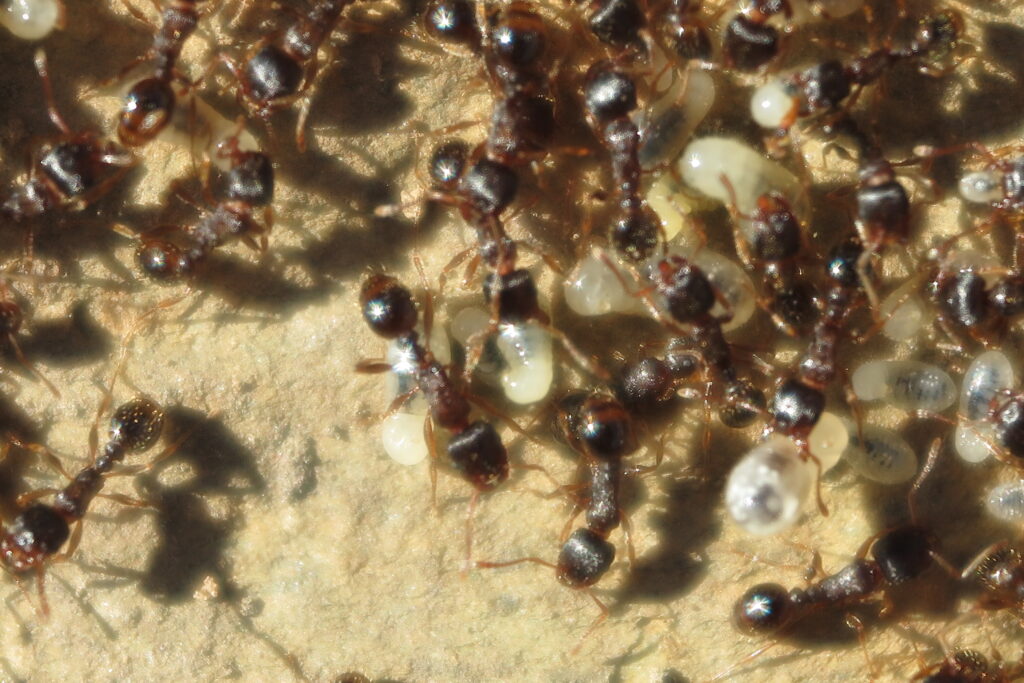
Sugary substances also play an important role in their diet. These can come from plant secretions or other natural sources that provide quick energy. When available, these sugars are often collected and shared among members of the colony, supporting overall activity levels.
Another component of their diet includes organic material found on the ground. This may involve small fragments of plant matter or decomposing material that still contains usable nutrients. While not as energy-rich as other sources, these materials contribute to a more complete diet.
The balance between these food sources can shift depending on conditions. During periods of growth or increased colony activity, protein-rich foods become more important, while energy-focused foods may dominate during times of sustained movement. This combination allows Myrmica ants to meet both immediate and long-term nutritional needs.
Feeding Behavior and Survival Strategies of Red Ant (Myrmica Ant)
Myrmica ants locate food through active searching and the use of chemical signals left by other ants. When an individual discovers a resource, it may return to the colony while leaving a trail that others can follow. This system allows multiple ants to reach the same location efficiently, increasing the speed at which food is collected.
Their feeding behavior often involves cooperation. While a single ant may find a food source, others quickly join, forming a small group that works together to break down or transport the material. This coordinated effort makes it possible for them to handle items that would be difficult for one individual alone.
When resources are limited, Myrmica ants adapt by expanding their search area. Individuals may travel farther from the colony, increasing the likelihood of encountering new food sources. This expansion is not random; it follows patterns shaped by previous successful discoveries.
A clear example of their feeding strategy can be seen when a food item is encountered on open ground. An initial ant may pause briefly before moving on, but once the resource is confirmed, activity increases rapidly as more ants arrive. This shift from exploration to focused collection highlights their ability to respond quickly and efficiently, ensuring that available resources are used effectively for colony survival.