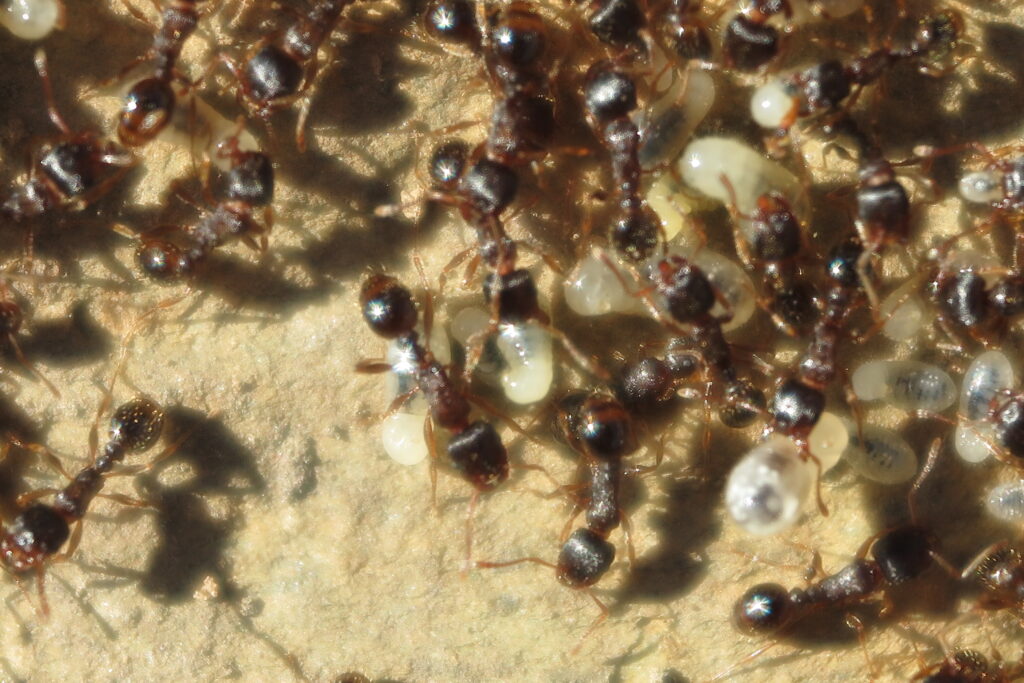
Red Ant (Myrmica Ant) Habitat – Where Myrmica Ants Live and Thrive
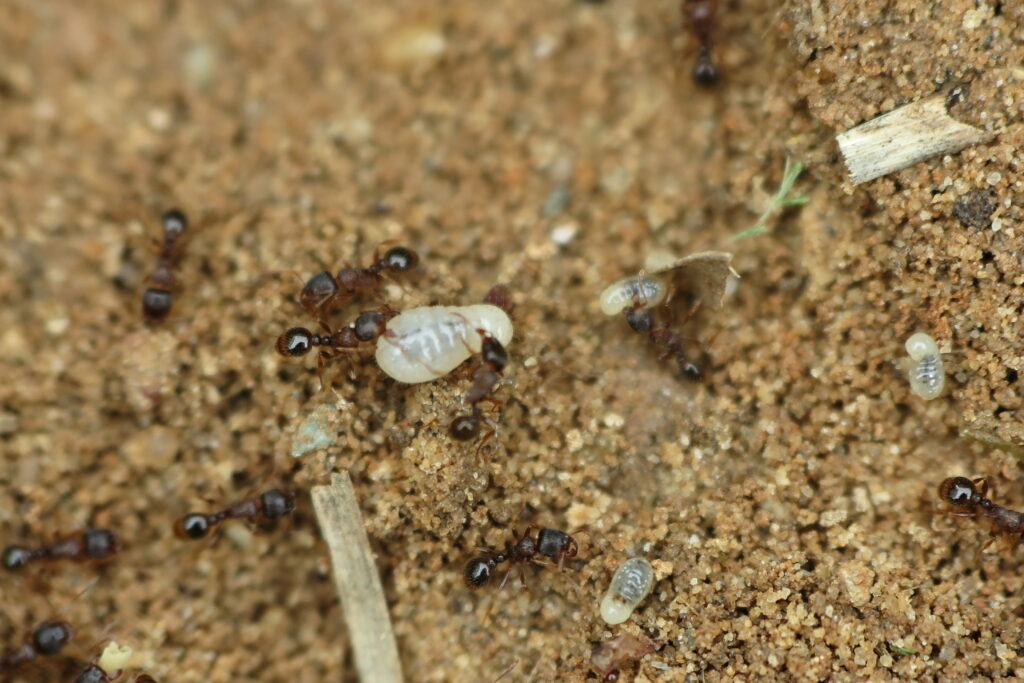
Quick Facts
Primary Habitat: Soil-based environments with vegetation cover
Secondary Habitat: Lawns, gardens, forest edges, and disturbed ground
Climate Preference: Temperate climates with moderate moisture
Environment Type: Terrestrial, ground-dwelling
Elevation / Depth Range: Ground level to shallow underground nesting systems
Geographic Distribution: North America, Europe, and parts of Asia
Introduction to Red Ant (Myrmica Ant) Habitat and Range
Red ants of the genus Myrmica are widely distributed across temperate regions of the world, where they occupy a variety of landscapes shaped by seasonal changes and moderate climates. Their presence is often subtle, hidden just beneath the surface, yet they are consistently found in environments that support stable ground conditions and vegetation. These ants are not limited to a single type of setting, allowing them to appear in both natural and human-influenced areas.
Across North America, Europe, and parts of Asia, Myrmica ants are commonly encountered in regions where the climate supports a balance of warmth and moisture. Their distribution overlaps with many familiar outdoor environments, making them one of the more frequently observed ant groups in these regions. Whether in rural or suburban spaces, their colonies are often present even when they go unnoticed.
From a surface perspective, their habitat may appear unremarkable—patches of soil, grass, or scattered leaf litter. However, beneath this layer lies a network of tunnels and chambers that support the colony. These hidden structures allow the ants to remain protected while still interacting with the surface environment.
Encounters typically occur when the ground is disturbed, revealing the colony below. In these moments, their habitat becomes briefly visible, offering insight into how they occupy and utilize the space around them. What appears to be simple ground cover is, in reality, an active and structured living environment.
Red Ant (Myrmica Ant) Habitat Overview Across Its Range
Myrmica ants are broadly distributed and demonstrate a strong ability to exist across multiple types of landscapes. Rather than being confined to a narrow ecological niche, they occupy a range of environments that share certain foundational characteristics, such as stable soil and access to surface cover. This flexibility allows them to maintain a presence across diverse regions.
Compared to more specialized ant species that require very specific conditions, Myrmica ants are relatively adaptable. They can be found in both shaded and partially open areas, as long as the ground remains suitable for nesting. This adaptability gives them an advantage in environments that experience moderate disturbance, such as areas with seasonal changes or occasional human activity.
Their distribution is often concentrated in transitional zones where different types of environments meet. These edge areas provide a mix of conditions that support their needs, allowing them to establish colonies in locations that offer both protection and access to the surface. This pattern makes them more likely to be encountered in areas that blend natural and developed spaces.
While they are widespread, their presence is not entirely random. They tend to favor regions where the environment remains relatively consistent over time, avoiding extremes that could disrupt their underground systems. This balance between adaptability and preference allows them to thrive across a broad but suitable range.
Habitat Types Where Myrmica Ants Are Commonly Found
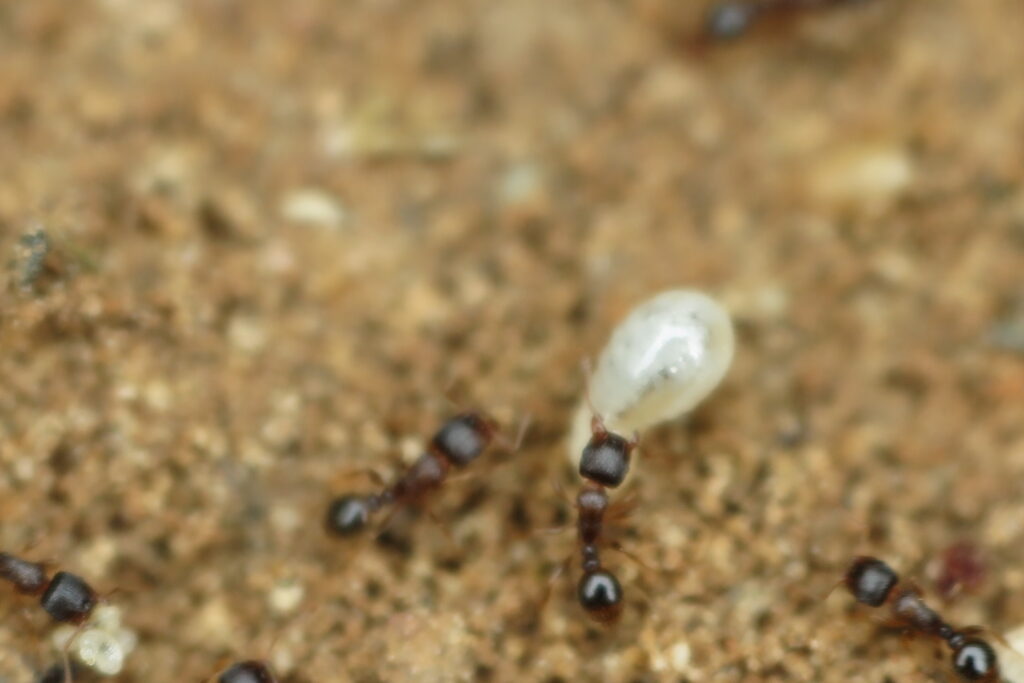
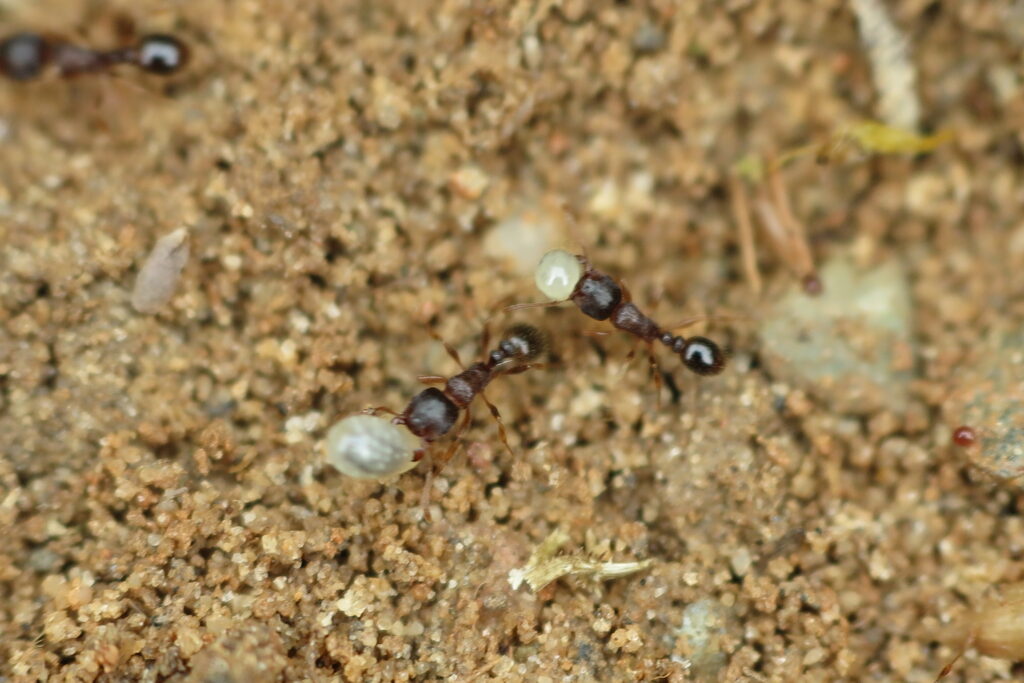
Myrmica ants are frequently associated with forest edges, where the transition between wooded areas and open land creates a favorable environment. These locations provide a mix of shade and light, along with organic material such as leaves and decaying plant matter. The ground in these areas is often loose and easy to work with, making it ideal for underground nesting.
Open grasslands and meadows are another common habitat type for these ants. In these environments, they establish colonies beneath the soil, often near the base of plants or within slightly raised patches of ground. The presence of vegetation helps stabilize the soil while also offering surface cover that reduces exposure.
They are also found in human-altered environments such as lawns, gardens, and landscaped areas. These settings may not appear natural, but they often provide similar conditions to wild habitats, including soil structure and plant cover. As a result, Myrmica ants are able to integrate into these spaces without difficulty.
Variation exists within these habitat types, particularly in how close the ants are to surface features. Some colonies are located directly beneath objects like stones or logs, while others are fully underground with minimal visible signs. This flexibility allows them to occupy both exposed and concealed positions within the same general environment.
Environmental Conditions Supporting Red Ant (Myrmica Ant) Habitat
The presence of Myrmica ants is closely tied to environmental conditions that support stable soil and moderate moisture levels. These ants tend to thrive in areas where the ground is neither too dry nor overly saturated, allowing their underground structures to remain intact. Soil that is loose but cohesive provides the ideal balance for constructing and maintaining their nests.
Temperature also plays a significant role in determining suitable habitat conditions. Myrmica ants are commonly found in regions with temperate climates, where seasonal changes occur but do not reach extreme levels. Warm summers and cooler winters create a predictable cycle that supports long-term colony stability.
Vegetation structure contributes to the suitability of their environment as well. Areas with grasses, low plants, or scattered leaf litter help regulate ground temperature and moisture, creating a more consistent microenvironment. This layer of cover acts much like insulation, protecting the soil from rapid changes.
Seasonal variation influences these conditions throughout the year. During warmer months, the ground may become more active with surface interaction, while colder periods shift activity deeper underground. This pattern is similar to how a basement maintains a more stable temperature compared to the outside air, providing a reliable environment regardless of external changes.