
Are Canada Geese Dangerous? Aggression, Attacks, and Human Safety Guide
Quick Facts
Danger Level: Low to Moderate
Can They Attack Humans?: Yes, during nesting season
Aggression Level: Seasonal and Defensive
Most Dangerous Period: Spring and Early Summer
Primary Defense: Hissing, Wing Strikes, and Charges
Risk to Pets: Low but Possible Near Nests
Canada Goose Safety Overview and Human Encounters
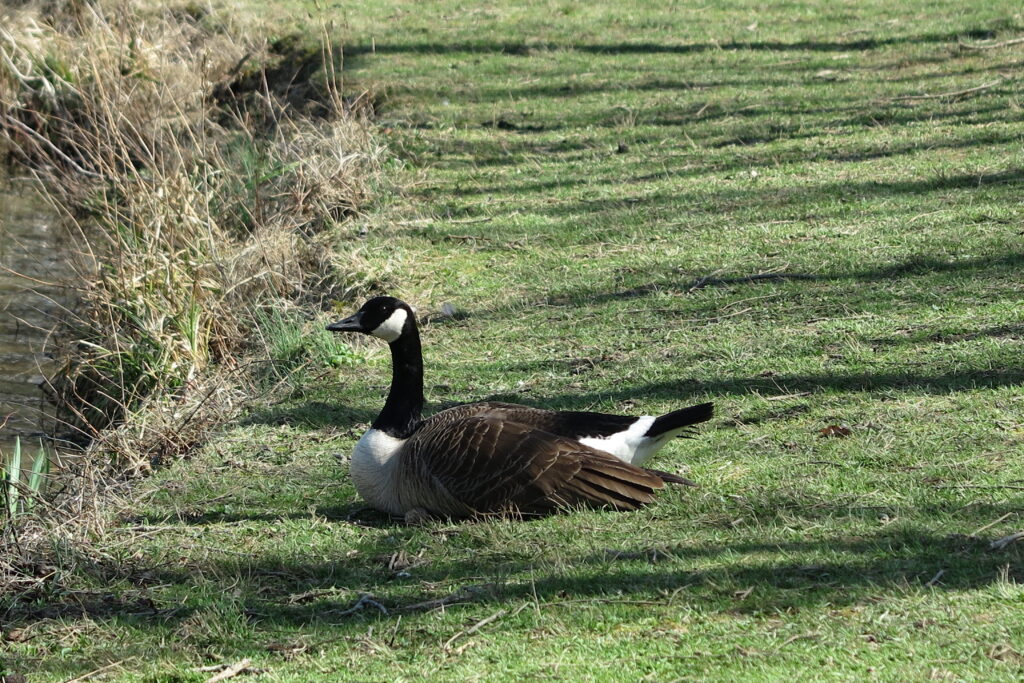
The Canada Goose (Branta canadensis) is one of the most familiar birds in North America, yet it is also one of the most commonly misunderstood. Large flocks gather around lakes, ponds, parks, and rivers where people regularly encounter them. Their size, loud calls, and defensive displays often lead people to question whether these birds are dangerous.
Most Canada Geese spend their lives avoiding direct contact with humans. They typically feed, rest, and travel while maintaining awareness of nearby disturbances. In many situations, geese simply walk or swim away when people approach.
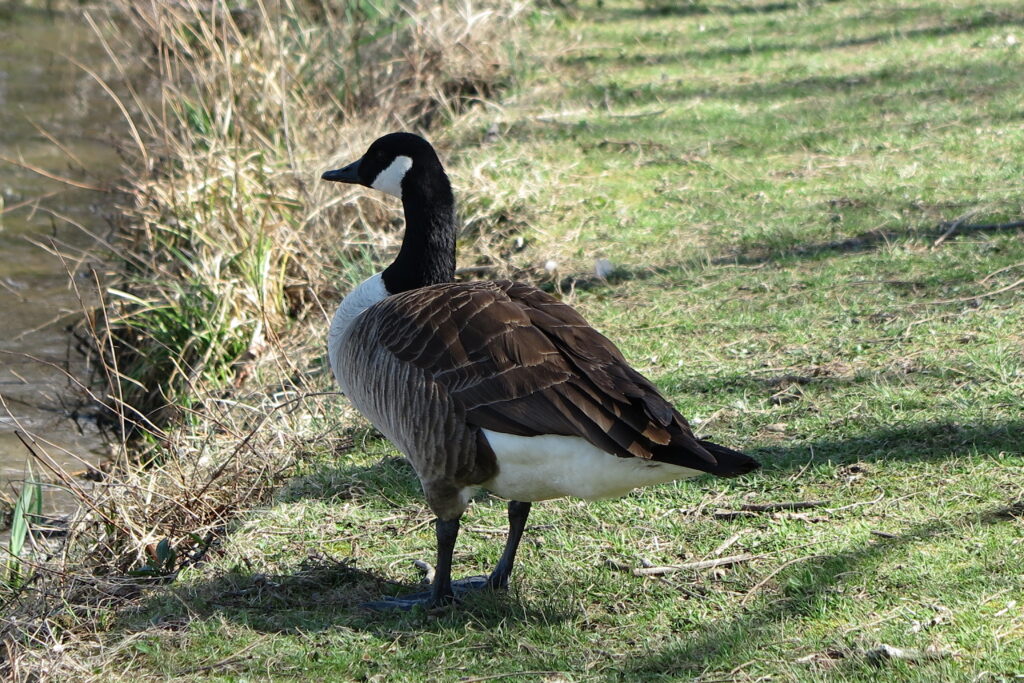
Their large body size contributes to their intimidating reputation. Adult birds may weigh over ten pounds and possess wingspans exceeding five feet. When standing upright with their neck extended, they appear much larger than many people expect.
Observing a flock from a distance often reveals calm and organized birds rather than aggressive animals. Most geese remain focused on their surroundings and flock members. Their reputation for aggression generally develops during very specific situations rather than everyday encounters.
Canada Goose Aggression and Threat Assessment
The overall danger level of Canada Geese is relatively low. They do not possess venom, sharp talons like birds of prey, or powerful beaks designed to injure large animals. Most interactions with humans end without physical contact.
Aggression usually occurs during the breeding season. Adult geese become highly protective of nests, eggs, and young goslings. During this period, they may display defensive behaviors toward people, pets, or other animals that approach too closely.
The species can be compared to a parent defending children rather than an aggressive predator seeking confrontation. Their actions are intended to discourage perceived threats rather than cause injury. Once the threat moves away, the defensive behavior typically ends.
Many aggressive encounters involve warning displays rather than physical contact. Hissing, stretching the neck, lowering the head, and spreading the wings serve as signals intended to increase distance. These behaviors often succeed without requiring further action.
In public parks and urban areas, repeated exposure to people may reduce fear responses. Some birds become accustomed to human presence, while others remain highly defensive. Individual temperament and local conditions can influence how geese respond to people.

Canada Goose Attacks and Defensive Behavior
When a Canada Goose feels threatened, it usually begins with visual warnings. The bird may raise its neck, stare directly at the threat, and emit loud hissing sounds. These displays provide clear signals that the goose wants additional space.
If the threat continues approaching, the goose may walk directly toward the person or animal. Wing spreading makes the bird appear larger, while lowered head posture signals increasing aggression. These behaviors often discourage further approach.
Physical contact occasionally occurs. Wing strikes, pecking, and short chases represent the most common defensive actions. Although these encounters can be startling, serious injuries are uncommon.
The force of a wing strike can feel similar to being hit with a padded object. The bird uses its wings more as a defensive tool than a weapon. Most incidents result in minor bruises, scratches, or temporary discomfort.
Dogs often trigger defensive responses because they resemble natural predators. Adult geese may chase dogs away from nests or goslings. Owners walking pets near nesting areas should remain especially cautious during spring.
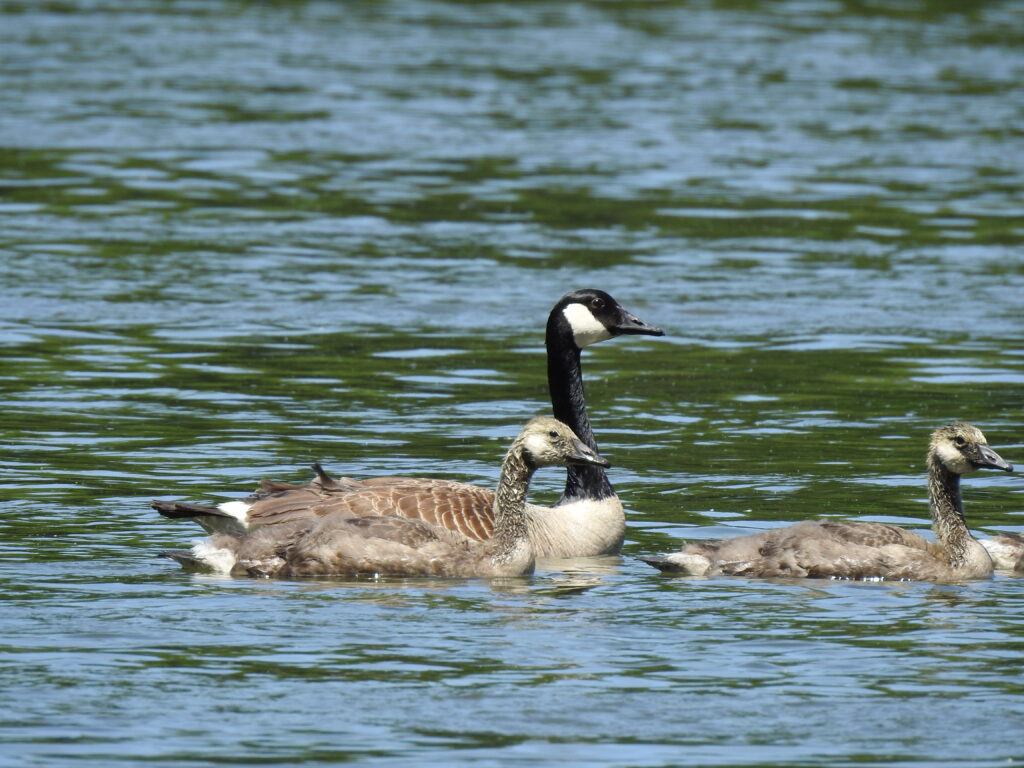
A common example occurs near ponds containing young goslings. Adult birds position themselves between the young and approaching people, sometimes hissing or advancing. Once sufficient distance is established, the birds usually return to normal behavior.
Canada Goose Safety Tips and Survival Responses
Maintaining distance remains the most effective way to avoid problems with Canada Geese. Birds that are given adequate space rarely display aggressive behavior. Respecting nesting areas significantly reduces the likelihood of conflict.
If a goose approaches, slowly backing away is often the best response. Sudden movements or attempts to strike the bird may increase defensive behavior. Calmly creating additional distance allows the goose to feel secure.
Parents with goslings deserve particular attention. Adult birds remain highly protective during this period and may respond more aggressively than at other times of year. Observing family groups from a respectful distance helps prevent unnecessary encounters.
The species relies heavily on defensive displays because it lacks the physical tools possessed by many predators. Hissing, wing spreading, and charging function primarily as warnings. These behaviors help the goose avoid physical conflict whenever possible.
A useful comparison can be made to a homeowner protecting their property. The goal is not to injure visitors but to establish boundaries and maintain safety. Canada Geese respond similarly when they believe important areas or young birds are threatened.
Despite their reputation, Canada Geese are not dangerous animals under normal circumstances. Most individuals avoid confrontation and rely on warning displays rather than physical attacks. Understanding their seasonal behavior, respecting nesting areas, and allowing sufficient space ensures that encounters remain safe for both people and birds.
Popular Searches About Canada Goose
Explore Canada Goose Guide
Explore More Wildlife

Support Encounters World
Help support wildlife photography and get behind the scenes discoveries on Patreon.