
Canada Goose Life Cycle: Growth Stages From Gosling to Adult
Quick Facts
Life Cycle Stages: Egg, Gosling, Juvenile, Adult
Incubation Period: 25–30 Days
Fledging Age: 6–9 Weeks
Sexual Maturity: 2–3 Years
Average Lifespan: 10–25 Years
Parental Care Duration: Several Months
Canada Goose Life Cycle Overview
The Canada Goose (Branta canadensis) experiences a life cycle that spans multiple developmental stages, beginning inside an egg and continuing through adulthood. Each stage introduces new physical changes, increasing independence, and improved survival abilities. These transitions allow young birds to gradually become mature members of the population.
Across North America, the timing of development generally follows seasonal changes. Eggs hatch during spring, young birds grow throughout summer, and juveniles prepare for autumn movements before winter arrives. This schedule provides favorable conditions during the most vulnerable periods of life.
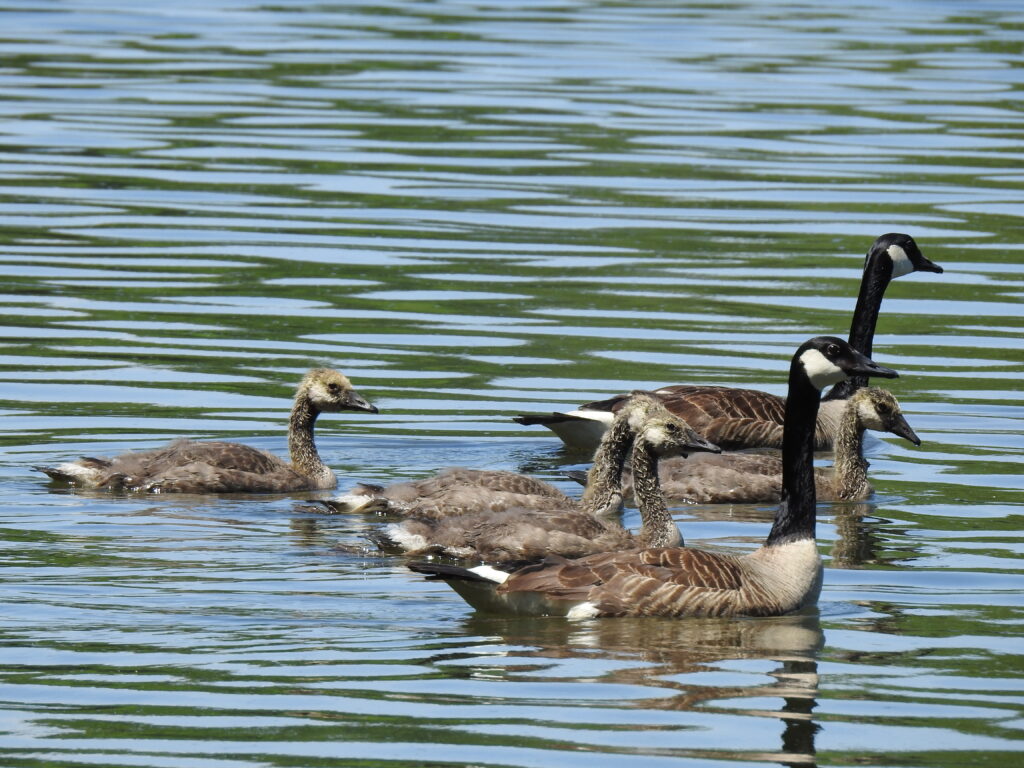
Large family groups often reveal multiple life stages simultaneously. Adult birds guide recently hatched goslings, while older juveniles continue developing nearby. These family units allow observers to witness several stages of the life cycle at the same time.
The development of a Canada Goose can be compared to the growth of a person from infancy to adulthood. Each stage introduces new abilities and responsibilities. Over time, the bird transforms from a small down-covered gosling into a fully mature adult capable of reproduction.
Canada Goose Egg and Gosling Development
The life cycle begins inside the egg during the nesting season. Embryos develop over approximately four weeks while protected by the warmth provided by the incubating female. During this period, the young birds undergo rapid internal growth before hatching.
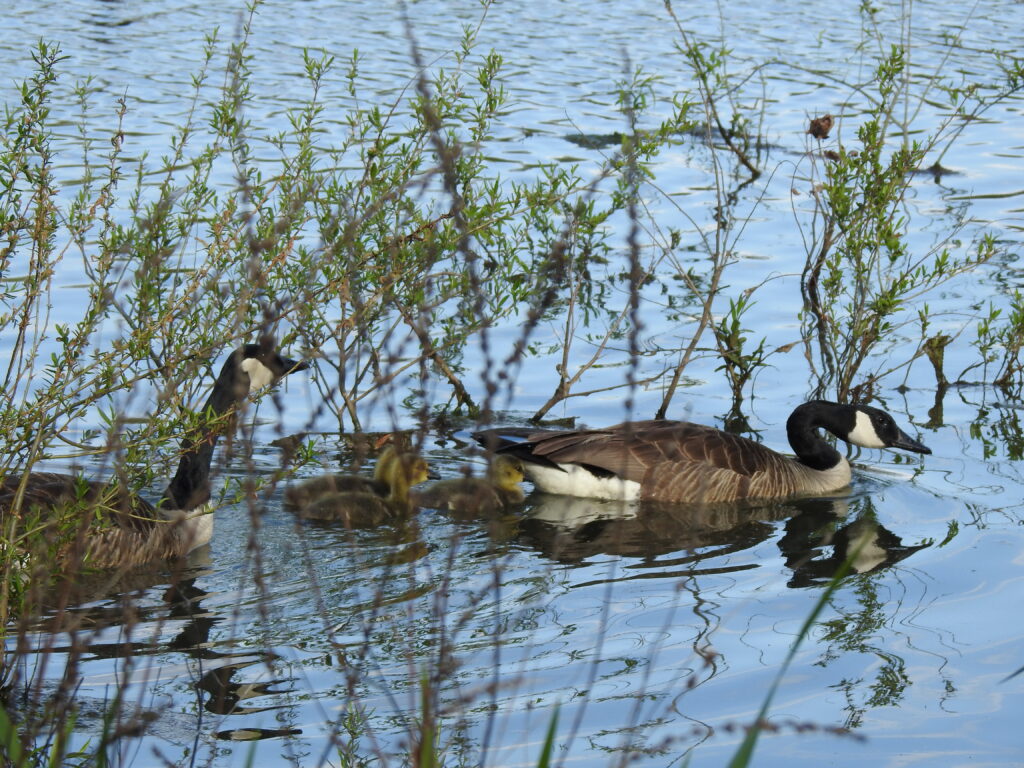
Newly hatched goslings emerge covered in soft yellow and gray down. Their bodies are lightweight, and their feathers provide insulation during the early days of life. Unlike many young birds that remain in nests, goslings quickly become mobile.
Within a day after hatching, young birds are capable of walking and swimming. Their legs and feet are already well developed, allowing them to follow their parents immediately. This early mobility improves survival by reducing time spent at the nest.
The appearance of goslings differs dramatically from adult birds. Their bodies are rounder, their necks are shorter, and their coloration appears much lighter. These features make them easily recognizable during spring and early summer.
A newly hatched gosling can be compared to a child learning to walk shortly after birth. Although physically small, it already possesses many of the abilities needed to survive. This rapid development represents one of the most remarkable aspects of the Canada Goose life cycle.
Juvenile Growth and Development
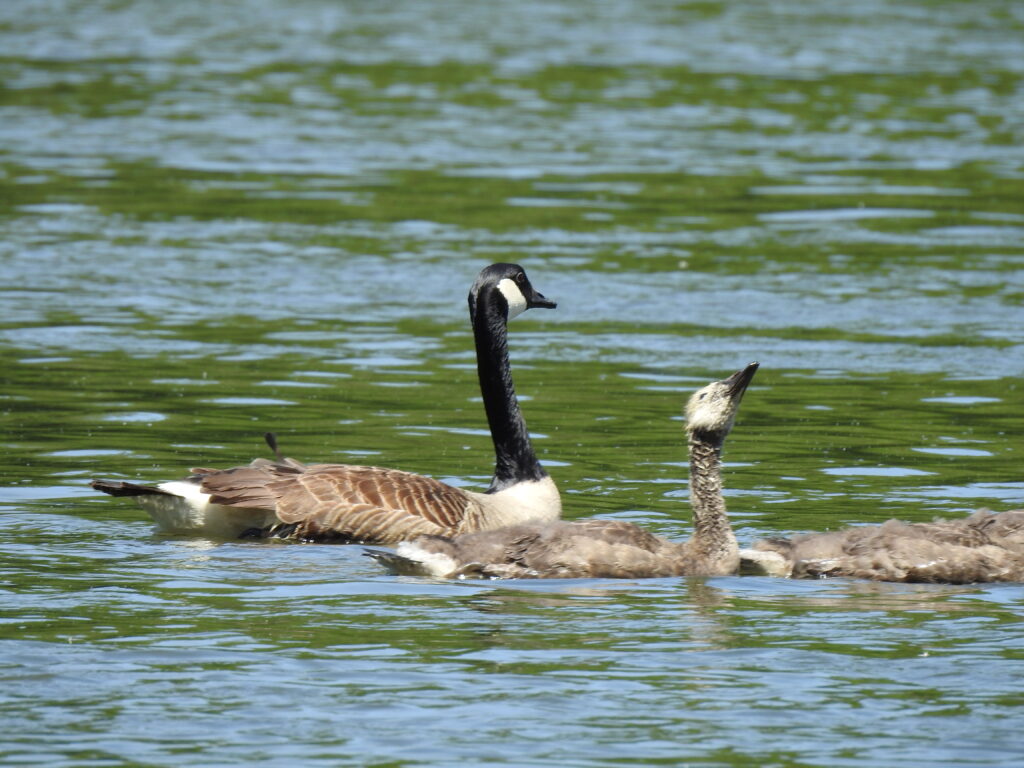
As summer progresses, goslings enter the juvenile stage. Their soft down gradually gives way to juvenile feathers that provide improved insulation and weather protection. During this period, body size increases rapidly.
Young geese spend several weeks developing flight feathers. The wings lengthen and strengthen as muscles continue to grow. Eventually, the birds become capable of short flights before achieving full flight ability.
Juveniles display coloration that differs slightly from adults. Their plumage often appears duller, and the white cheek patch may be less sharply defined. These features gradually become more distinct as maturity approaches.
Body proportions also change during this stage. The neck lengthens, the chest broadens, and the overall silhouette begins to resemble that of an adult goose. Growth occurs steadily throughout the summer months.
The transition from gosling to juvenile can be compared to adolescence in mammals. Rapid physical development occurs within a relatively short period. These changes prepare the young birds for independence and future reproduction.
Family groups remain important throughout this stage. Young birds continue learning from adults while gaining experience with seasonal movements and social interactions. This period helps establish behaviors that persist into adulthood.
Adult Life and Reproductive Maturity
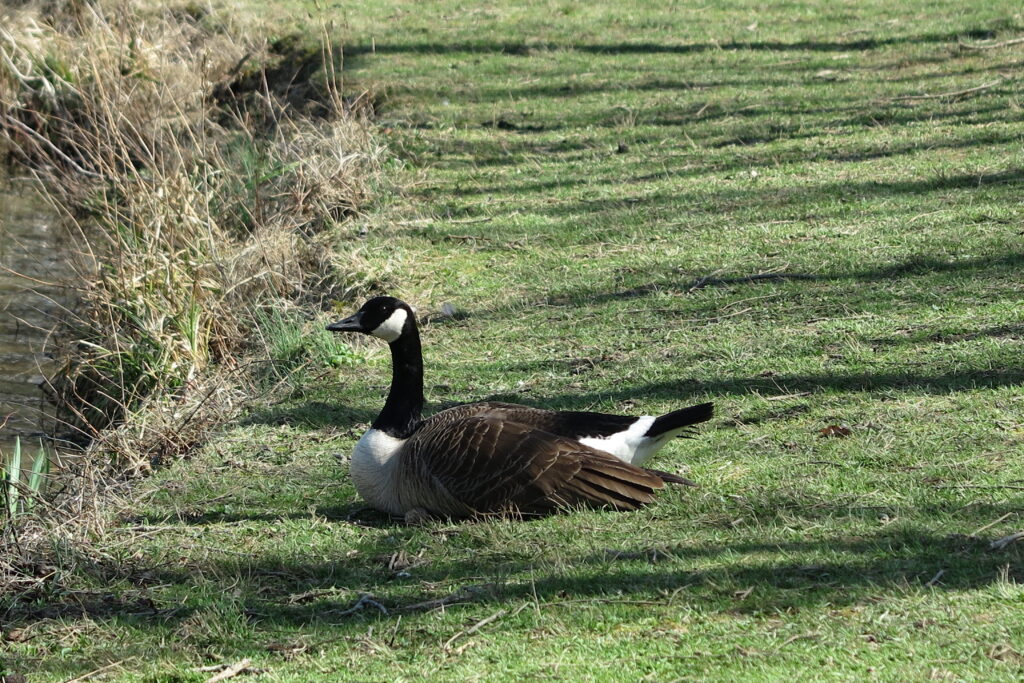
Canada Geese generally reach sexual maturity between two and three years of age. At this point, they become capable of forming pair bonds and participating in reproduction. Adult plumage is fully developed, and body growth has largely ended.
Mature birds often establish long-term partnerships that may last many years. These pair bonds contribute to reproductive success and allow experienced adults to raise offspring together. Strong social relationships become an important component of adult life.
The adult stage represents the longest portion of the life cycle. Wild individuals commonly live between ten and twenty-five years, although some birds survive even longer. Their large size and adaptability contribute to relatively high survival rates.
Older adults frequently become experienced parents. Repeated breeding seasons improve nesting success and the ability to raise young. These experienced birds often return to familiar areas year after year.
The adult phase can be compared to the mature years of long-lived mammals. The focus shifts from growth to reproduction, survival, and raising offspring. Over time, adults contribute to the continuation of future generations.
The complete life cycle of the Canada Goose demonstrates a gradual progression from vulnerable gosling to experienced adult. Each stage introduces new physical abilities, increased independence, and greater responsibilities. Through these developmental changes, Canada Geese have become one of the most successful and recognizable waterfowl species in North America.
Popular Searches About Canada Goose
Explore Canada Goose Guide
Explore More Wildlife

Support Encounters World
Help support wildlife photography and get behind the scenes discoveries on Patreon.