
Canada Goose vs Snow Goose: Differences, Identification, and Comparison Guide
Quick Facts
Canada Goose Size: 30–43 inches
Snow Goose Size: 25–33 inches
Primary Color Difference: Brown and Black vs White
Neck Length: Long vs Moderate
Migration Style: Both Form Large Flocks
Best Identification Feature: White Cheek Patch vs White Plumage
Canada Goose and Snow Goose Comparison Overview
The Canada Goose (Branta canadensis) and Snow Goose (Anser caerulescens) are two of North America’s most recognizable geese. Both species migrate across large portions of the continent and often appear in wetlands, agricultural fields, and open landscapes. Their seasonal movements frequently bring them into similar regions, causing many observers to compare the two birds.
Large flocks moving overhead during autumn and spring migrations may contain one species or occasionally both. Their similar body shapes and group behavior can create confusion, particularly at long distances. Closer observation reveals several important differences.
The Canada Goose belongs to the genus Branta, while the Snow Goose belongs to the genus Anser. These separate evolutionary lineages have produced differences in size, coloration, body proportions, and overall appearance. Although both are geese, they display distinct characteristics.
Watching these birds together can resemble comparing a brown horse and a white horse grazing in the same field. Both animals share a similar shape and lifestyle, yet their appearances immediately distinguish them. The same principle applies to these two goose species.
Canada Goose vs Snow Goose Appearance Differences
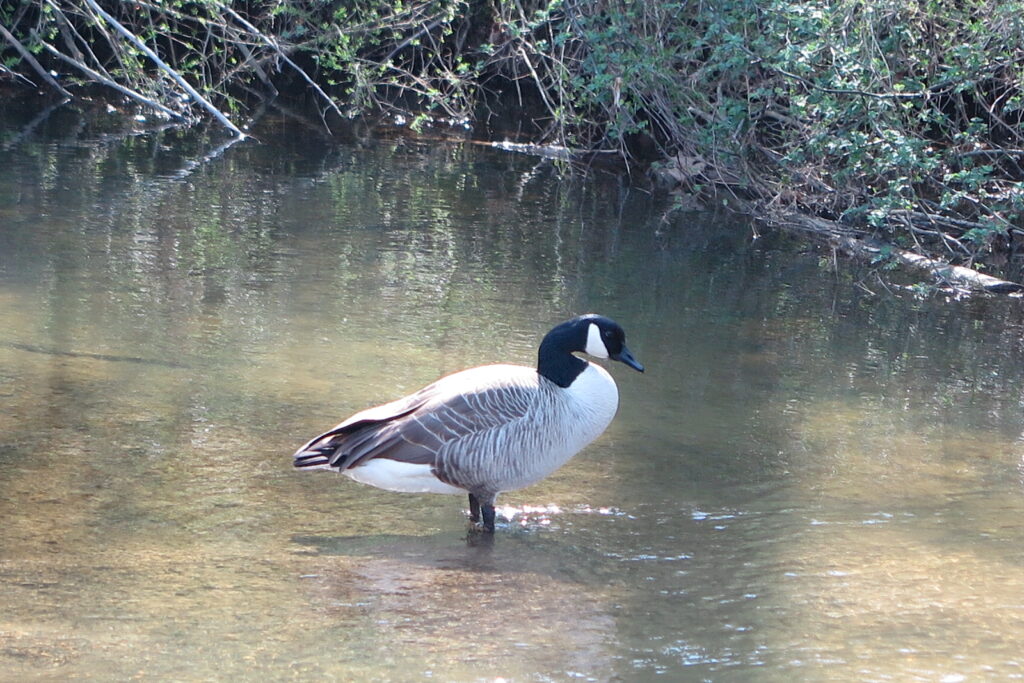
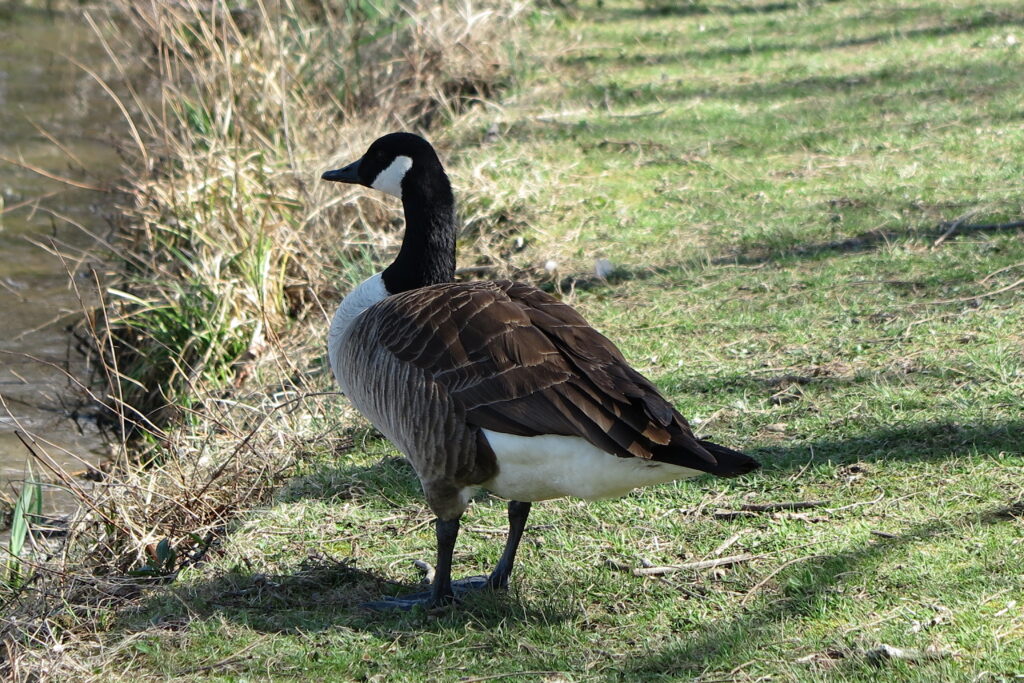
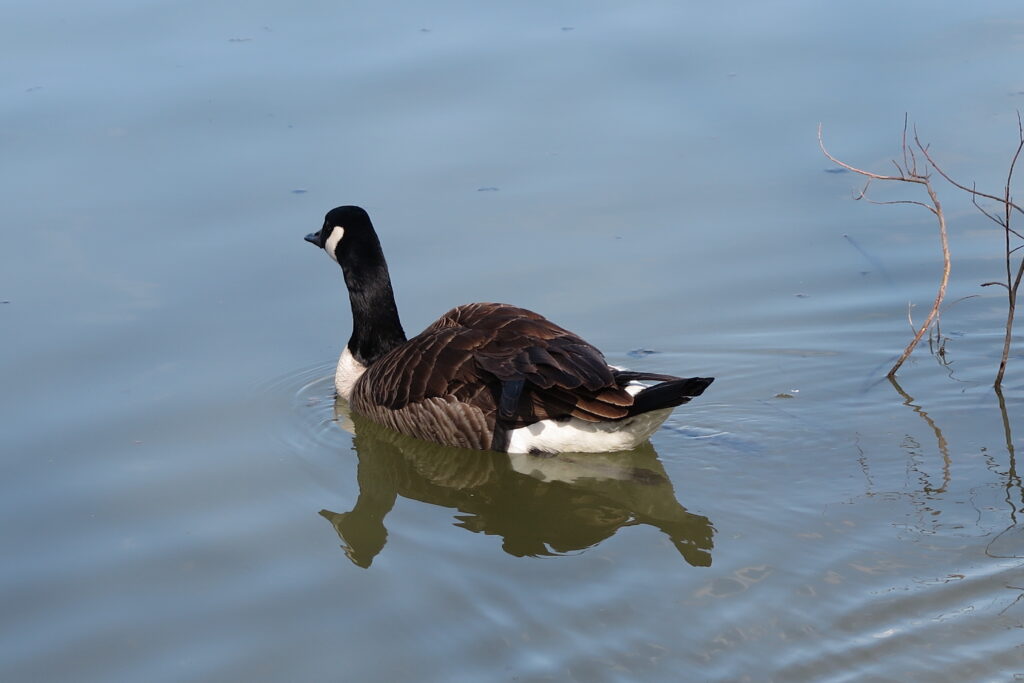
The most obvious difference between the species involves plumage coloration. Canada Geese possess brown bodies, black necks, and black heads with a white cheek patch. Snow Geese are primarily white with black wing tips that become visible during flight.
The neck of the Canada Goose appears considerably longer. This extended neck gives the bird a tall and upright profile. Snow Geese possess shorter necks that create a more compact appearance.
Body size also differs. Canada Geese generally weigh more and appear larger than Snow Geese. Their heavier build creates a bulkier silhouette when viewed on land or water.
Bills provide another important clue. Snow Geese possess a pink bill that often shows a dark “grinning patch” along the edges. Canada Geese have an entirely black bill without this distinctive feature.
The two species can be compared to different types of swans or ducks that share habitats but possess separate appearances. Even when feeding together, the strong contrast between white and brown plumage allows most observers to separate them quickly.
Young birds also display differences. Juvenile Canada Geese retain darker tones, while young Snow Geese often appear grayish before acquiring adult plumage. These age-related variations remain useful for identification.
Canada Goose and Snow Goose Behavior and Movement
Both species are highly social and frequently travel in large flocks. Their migrations produce some of the largest bird gatherings in North America. Despite these similarities, their flock structures often differ.
Canada Geese commonly travel in organized V formations. Smaller family groups frequently remain together during migration and throughout the year. These family bonds often persist for extended periods.
Snow Geese usually gather in extremely large, dense flocks. Thousands of birds may move together during migration, creating enormous concentrations in fields and wetlands. Their movements often appear more tightly packed than those of Canada Geese.
The sound of each species also differs. Canada Geese produce deep, familiar honking calls. Snow Geese emit higher-pitched vocalizations that create a noticeably different sound.
A migrating flock of Snow Geese can resemble a moving snowstorm against the sky because of the tremendous number of white birds. Canada Goose flocks generally appear darker and more organized in their flight formations.
Seasonal movements overlap in many regions, especially during migration periods. Wetlands and agricultural areas may support both species simultaneously. Careful observation of body shape, coloration, and vocalizations helps distinguish them.
How to Identify Canada Goose vs Snow Goose
Color remains the simplest identification feature. A white goose with black wing tips is almost certainly a Snow Goose. A brown goose with a black neck and white cheek patch identifies a Canada Goose.
The face provides another reliable clue. Canada Geese possess the famous white cheek patch, while Snow Geese have a mostly white head with a pink bill. These facial differences remain visible even at considerable distances.
Body proportions also assist identification. Canada Geese appear taller, longer-necked, and heavier. Snow Geese display a more compact shape with a shorter neck and slightly smaller body.
During flight, wing patterns become particularly useful. Snow Geese show bright white wings with dark black tips. Canada Geese display brown wings that blend with the body coloration.
A useful field comparison is to imagine one bird wearing a black hood and the other wearing a white coat. Canada Geese immediately stand out because of their dark head and neck, while Snow Geese appear bright against most backgrounds.
Although both species share migration routes and wetland environments, their physical appearance makes identification relatively straightforward. The white body of the Snow Goose and the black-necked profile of the Canada Goose remain among the easiest differences to recognize among North American waterfowl.

Popular Searches About Canada Goose
Explore Canada Goose Guide
Explore More Wildlife

Support Encounters World
Help support wildlife photography and get behind the scenes discoveries on Patreon.