
Canada Goose Habitat: Range, Wetlands, and Natural Environment Guide
Quick Facts
Primary Habitat: Wetlands and Freshwater Shorelines
Secondary Habitat: Grasslands, Parks, Agricultural Fields, and Urban Waterways
Climate Preference: Temperate to Subarctic Climates
Environment Type: Freshwater and Open Terrestrial Landscapes
Elevation / Depth Range: Sea Level to Over 8,000 Feet
Geographic Distribution: North America, Europe, and Parts of Asia
Canada Goose Environmental Range and Habitat Introduction
The Canada Goose (Branta canadensis) occupies one of the broadest geographic ranges of any North American waterfowl. From Arctic tundra to suburban ponds, the species occurs across a tremendous variety of landscapes and climates. This extensive distribution has allowed the bird to become familiar to people living in both remote wilderness areas and large cities.
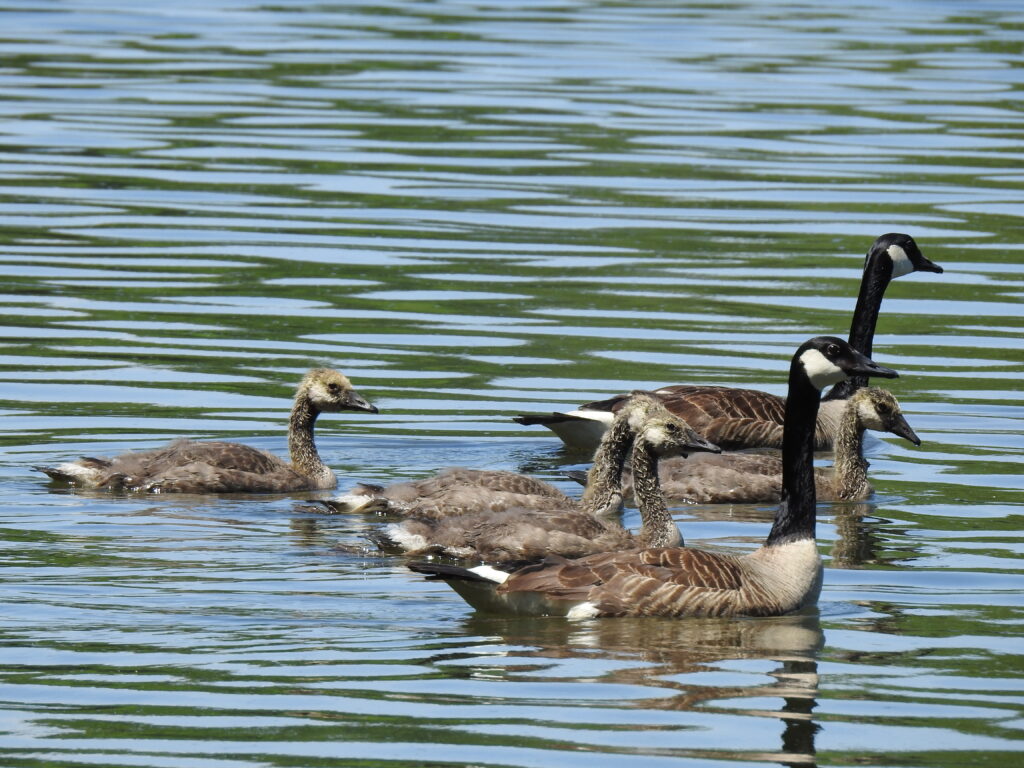
Large bodies of water often provide the setting most people associate with Canada Geese. Their presence along shorelines, open water, and grassy landscapes creates one of the most recognizable scenes in North America. Even in areas far from wilderness, these birds continue to establish populations where suitable environmental conditions exist.
Throughout Canada, the United States, and portions of Mexico, the species occupies environments that provide access to water and open space. Introduced populations have also become established in Europe and New Zealand. This broad distribution demonstrates the remarkable environmental flexibility of the species.
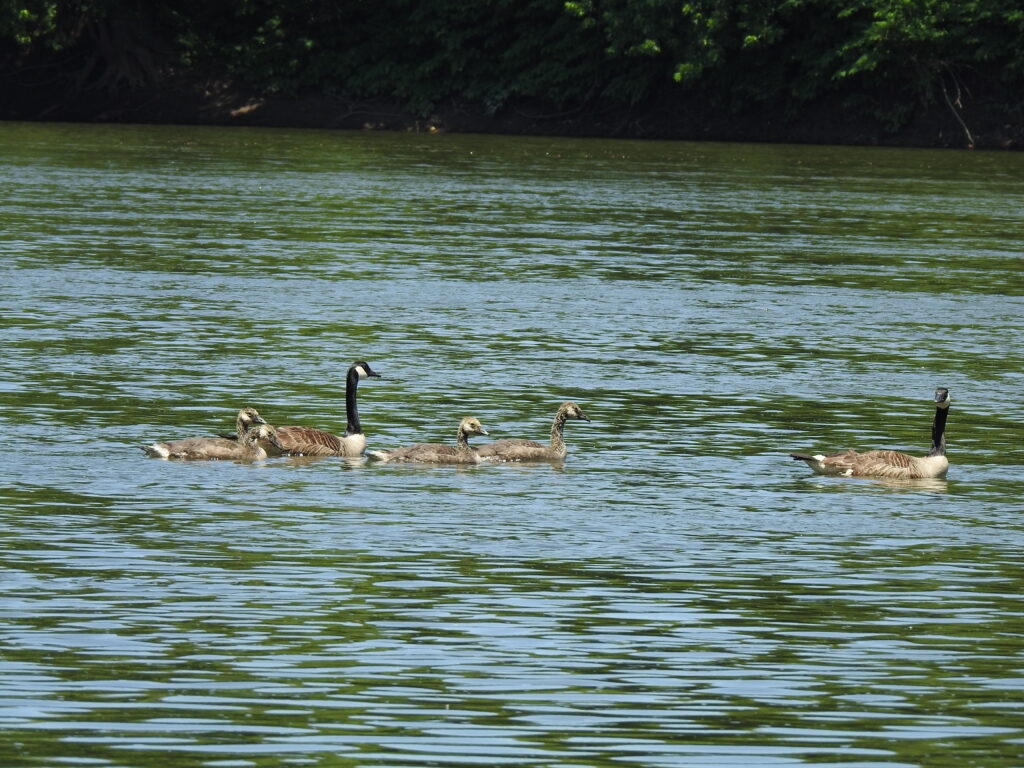
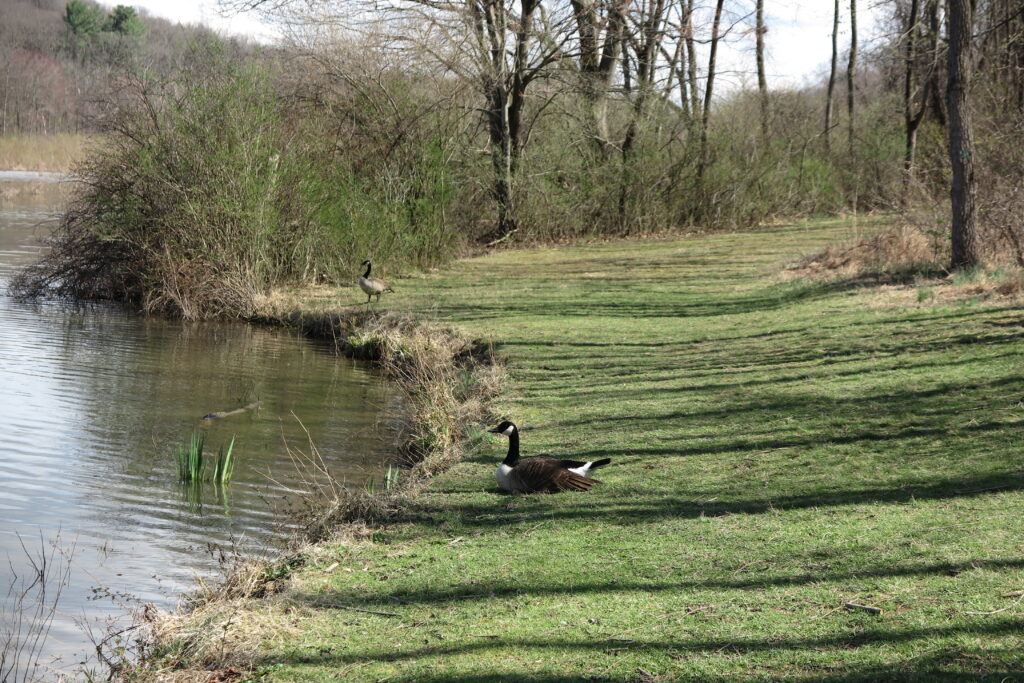
A calm lake bordered by grass, trees, and open sky often captures the environmental setting associated with Canada Geese. Their large bodies stand prominently against shoreline landscapes while nearby water provides both security and access to resources. These scenes occur across thousands of miles of their global range.
Canada Goose Habitat Overview Across Its Range
Canada Geese inhabit a wide variety of environmental categories throughout their distribution. Freshwater systems, open landscapes, grass-dominated areas, and mixed environments all support populations. This adaptability has contributed greatly to the species’ success.
Compared to certain waterfowl that require very specific habitat conditions, Canada Geese demonstrate exceptional flexibility. They occupy natural wetlands, human-created ponds, reservoirs, and urban waterways with similar success. Few large birds display such broad environmental tolerance.
Open landscapes remain an important component of their range. Areas that combine visibility, water access, and open ground frequently support populations. These environments provide both safety and suitable space for daily activities.
The species can be compared to white-tailed deer in terms of adaptability. Both animals occupy a wide range of environments and readily utilize landscapes influenced by people. This flexibility has allowed both species to expand into areas that many wildlife species avoid.
Despite their adaptability, Canada Geese maintain a strong association with environments that contain water. Rivers, lakes, marshes, ponds, and wetlands remain important components of their distribution. Water serves as a central feature throughout much of their range.
Canada Goose Habitat Types and Landscape Use
Wetlands represent one of the most important habitat types for Canada Geese. Marshes, swamps, shallow ponds, and wet meadows provide conditions that support both resident and migratory populations. These environments often contain a mixture of water, vegetation, and open space.
Lakes and reservoirs support large numbers of geese throughout North America. Natural lakes, artificial reservoirs, and recreational water bodies frequently attract flocks. Their large open surfaces provide visibility and security for resting birds.
Grasslands and agricultural fields serve as additional habitat types. Open fields adjacent to water often support feeding and resting geese. Crop fields, pastures, and meadows may all become important components of local habitat use.
Urban environments have become increasingly important. Golf courses, city parks, retention ponds, and suburban lakes often support resident populations. Human-created landscapes sometimes provide conditions similar to natural habitats.
Variation occurs within these habitat types. Some populations occupy remote northern wetlands, while others spend their entire lives within developed areas. This range of habitat use demonstrates the species’ ability to utilize both natural and altered landscapes.
Coastal habitats also support certain populations. Estuaries, bays, and sheltered coastal environments provide seasonal habitat in some regions. These areas expand the environmental diversity occupied by the species.
Canada Goose Environmental Conditions and Climate
Canada Geese occur across an impressive range of climatic conditions. Northern breeding populations occupy subarctic environments, while southern resident populations may experience relatively mild winters. Few waterfowl successfully inhabit such a broad climatic range.
Temperature tolerance contributes significantly to their distribution. Dense feathers and insulating down allow the birds to survive cold winters, snow, and freezing temperatures. During warmer months, they also tolerate hot summers throughout much of their range.
Water availability remains one of the most important environmental factors. Lakes, rivers, wetlands, and ponds provide stable habitat conditions throughout the year. Even small bodies of water can support local populations if other environmental features are suitable.
Vegetation structure also influences habitat quality. Open shorelines, grassy areas, and low vegetation provide visibility and easy access to surrounding environments. Dense forests and heavily enclosed landscapes generally support fewer geese.
Seasonal changes influence environmental conditions throughout the year. Northern habitats experience long winters and short summers, while southern regions maintain milder conditions. The species adjusts to these variations across its extensive range.
A useful comparison can be made to a traveler who can comfortably live in many different climates. Canada Geese thrive in environments ranging from frozen northern wetlands to warm southern reservoirs. This remarkable environmental flexibility helps explain why the species has become one of the most successful waterfowl in the world.
The combination of water, open space, moderate vegetation, and broad climate tolerance allows Canada Geese to occupy landscapes across much of the Northern Hemisphere. Their ability to utilize both natural and human-altered environments ensures that they remain one of the most familiar birds throughout North America.
Popular Searches About Canada Goose
Explore Canada Goose Guide
Explore More Wildlife

Support Encounters World
Help support wildlife photography and get behind the scenes discoveries on Patreon.