
Canada Goose Predators and Threats: Natural Enemies, Survival Challenges, and Population Risks
Quick Facts
Primary Predators: Foxes, Coyotes, Eagles, and Raccoons
Greatest Threat to Goslings: Mammalian Predators
Main Egg Predators: Raccoons, Skunks, and Crows
Human Threats: Habitat Loss and Vehicle Collisions
Primary Defense: Vigilance and Group Protection
Population Status: Stable
Canada Goose Predators and Threats Overview
The Canada Goose (Branta canadensis) occupies a wide range across North America and encounters numerous predators throughout its life. Although adult birds are large and capable of defending themselves, eggs, goslings, juveniles, and even mature geese face dangers from various animals and environmental pressures. These threats influence survival rates and population dynamics.
The risks faced by Canada Geese change throughout different stages of life. Eggs and young goslings remain particularly vulnerable because of their small size and limited ability to escape danger. Adult birds possess greater size and strength, allowing them to survive encounters that younger individuals cannot.
Predators occur in nearly every environment occupied by Canada Geese. Wetlands, grasslands, shorelines, and open landscapes all support animals capable of preying upon geese or their offspring. These interactions form an important component of natural ecosystems.
The relationship between geese and predators can be compared to the challenges faced by many large herbivores. Adults possess defenses and experience, while younger individuals require protection. Survival often depends upon awareness, family cooperation, and environmental conditions.
Although the species remains abundant throughout much of its range, numerous threats continue to influence local populations. Understanding these pressures provides insight into the ecological relationships that shape Canada Goose survival.
Predators of Canada Goose Eggs and Goslings
The earliest stages of the life cycle experience the greatest risk from predators. Eggs left within ground nests attract numerous animals that search for food during spring. Many predators locate nests by scent, movement, or visual cues.
Raccoons represent one of the most important nest predators. These adaptable mammals frequently search shorelines and wetlands where nests occur. Their climbing ability, intelligence, and excellent sense of smell make them effective nest raiders.
Skunks, foxes, crows, gulls, and opossums may also consume eggs. These animals take advantage of opportunities when nests become exposed or temporarily unattended. Egg loss can significantly reduce reproductive success during some years.
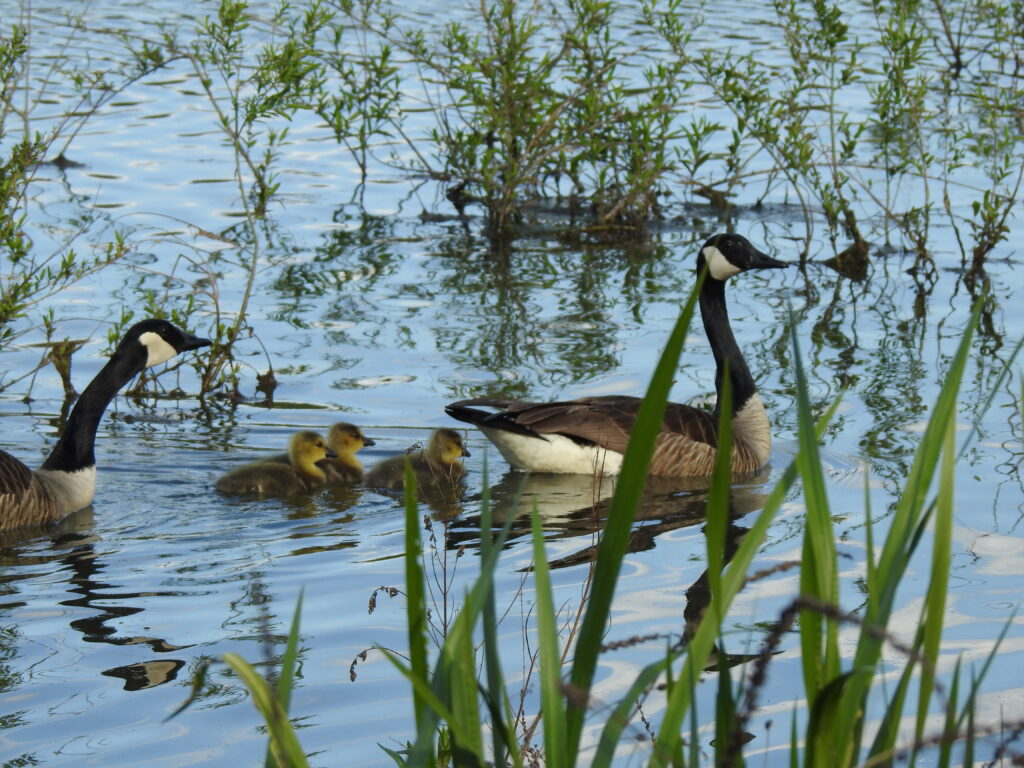
Newly hatched goslings face additional dangers. Their small size makes them vulnerable to snapping turtles, large fish, foxes, coyotes, and birds of prey. The first several weeks of life often represent the most dangerous period.
The vulnerability of goslings can be compared to young deer or rabbits entering the world. Although they develop quickly, they remain exposed to numerous predators. This risk explains the strong protective behavior displayed by adult geese.
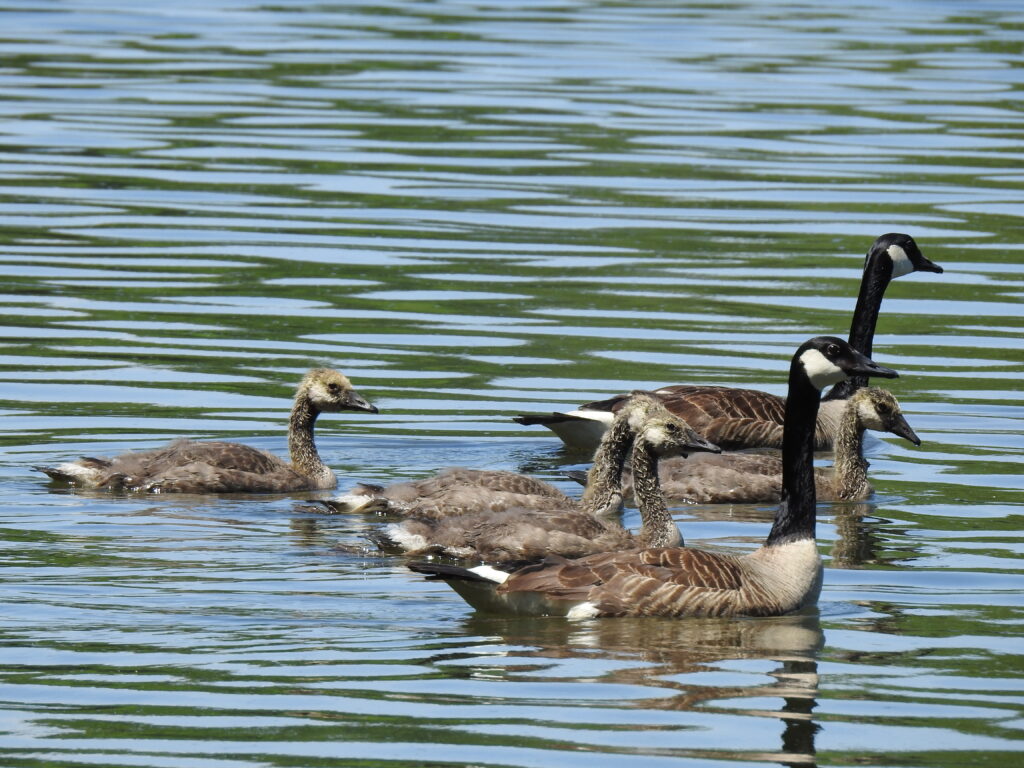
Despite these threats, family groups often successfully raise young through vigilance and cooperation. Adults remain nearby and react quickly to approaching predators. Their protective behavior improves the survival chances of goslings.
Predators of Adult Canada Geese
Adult Canada Geese experience fewer predators because of their large size. Fully grown birds can weigh more than ten pounds and possess strong wings and defensive behaviors. Nevertheless, several predators remain capable of killing adults.
Coyotes occasionally prey upon adult geese, particularly when birds are molting or otherwise vulnerable. These adaptable predators hunt in a wide range of habitats and sometimes target weakened individuals. Foxes may also take adults under certain circumstances.
Birds of prey such as Bald Eagles occasionally capture adult geese. Eagles possess the strength necessary to attack large waterfowl and sometimes target geese during winter or migration. These encounters are relatively uncommon but well documented.
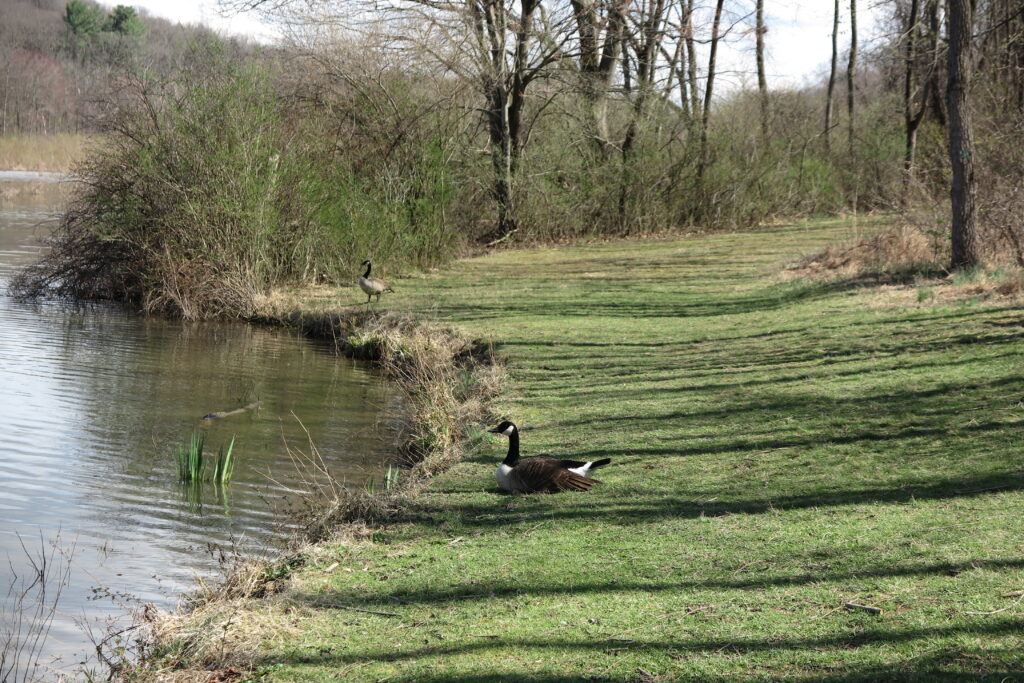
Bobcats and large carnivorous mammals may also prey upon adult birds. Most attacks occur when geese are surprised on land or separated from the safety of water. Adult geese attempt to escape through flight or defensive displays.
The relationship between adult geese and their predators resembles that of many medium-sized mammals. Size provides protection, but it does not eliminate danger completely. Predators often target vulnerable individuals or exploit specific opportunities.
Although predation of adults occurs less frequently than predation of eggs or goslings, it remains an important ecological interaction. Large predators help regulate populations and contribute to the balance of natural ecosystems.
Human Threats and Environmental Challenges
Human activity creates several modern threats for Canada Geese. Urban development, wetland drainage, and habitat alteration may reduce suitable nesting and resting areas. Loss of natural landscapes can affect local populations.
Vehicle collisions represent another important risk. Roads near ponds, parks, and wetlands frequently result in accidents involving geese. Families crossing roads during spring are especially vulnerable.
Pollution also affects some populations. Contaminated water, discarded fishing line, and environmental debris may injure birds or reduce habitat quality. Plastic waste and human litter sometimes create additional hazards.
Climate change may influence future populations by altering migration timing, water availability, and breeding conditions. Changes in weather patterns could affect food resources and nesting success in some regions. These long-term environmental shifts continue to be studied.
A practical example occurs in urban parks where geese must navigate roads, pedestrians, and human activity while raising young. These environments provide resources but also introduce new risks. Birds must adapt to conditions that differ greatly from natural wetlands.
Despite these challenges, Canada Geese remain one of North America’s most successful waterfowl species. Their adaptability, strong family bonds, and protective behaviors help them survive numerous threats throughout their lives. Predators, environmental pressures, and human influences all contribute to the complex challenges faced by this familiar bird.
Popular Searches About Canada Goose
Explore Canada Goose Guide
Explore More Wildlife

Support Encounters World
Help support wildlife photography and get behind the scenes discoveries on Patreon.