
Land Planarian Behavior: Activity Patterns, Movement, and Survival Strategies
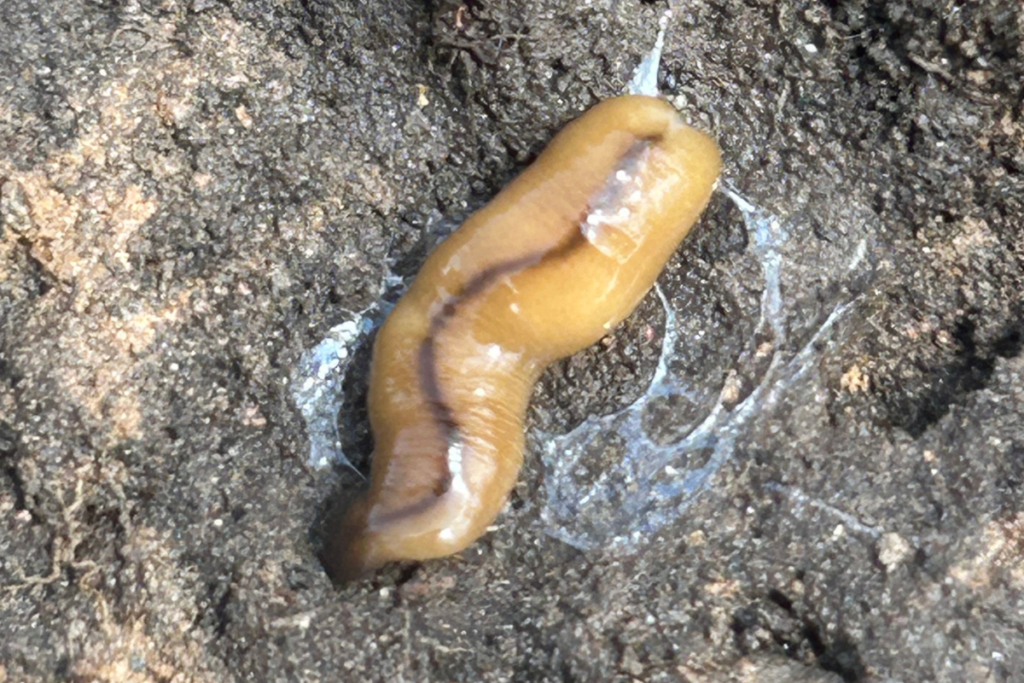
Quick Facts
Activity Type: Primarily nocturnal and moisture-dependent
Social Structure: Solitary
Territorial Behavior: Generally non-territorial
Movement Style: Slow gliding motion using mucus and muscular contractions
Communication Method: Chemical signals and environmental cues
Defense Strategy: Mucus production, concealment, and body regeneration
Observing Land Planarian Behavior in the Natural World
The land planarian, also known as a terrestrial flatworm, is one of the more unusual invertebrates encountered in soil-level ecosystems. Found on multiple continents around the world, these flat-bodied animals often remain hidden from casual observation. Most sightings occur when natural cover objects are lifted or when damp conditions bring them into more visible locations.
Unlike many insects that actively move through open spaces, land planarians are generally encountered in quiet, sheltered settings. Their appearance often creates an impression of stillness, as though they are part of the ground itself. This subtle presence allows them to remain unnoticed by many people despite existing in areas that are frequently visited.
Watching a terrestrial flatworm can feel very different from observing more familiar animals. There are no sudden bursts of speed, dramatic displays, or rapid changes in direction. Instead, their behavior unfolds gradually, rewarding patient observation rather than quick glances.
Naturalists who spend time examining logs, rocks, and leaf-covered surfaces are often more likely to encounter them. Their activity is tied closely to environmental conditions, making some days far better for observation than others. A damp morning after rainfall may reveal animals that remain hidden during drier periods.
Although simple in appearance, land planarians display a surprising level of responsiveness to their surroundings. They continually interact with environmental cues, adjusting their position and movements based on changing conditions. These subtle reactions become more noticeable the longer an individual is observed.
From a documentary perspective, terrestrial flatworms represent a quieter side of wildlife behavior. Rather than relying on speed or strength, they demonstrate how patience, efficiency, and environmental awareness can support survival in complex ecosystems.
Land Planarian Behavioral Tendencies and Daily Activity
Land planarians generally display a calm and deliberate behavioral style. When undisturbed, they spend long periods engaged in slow, purposeful activity without appearing hurried. Their actions often seem measured and efficient rather than energetic or unpredictable.
Compared to insects such as beetles or ants that frequently change direction and move rapidly, terrestrial flatworms appear almost methodical. Their behavior resembles a slow-moving conveyor belt, steadily progressing without abrupt interruptions. This consistent pace is one of the most recognizable aspects of their activity.
When environmental conditions are favorable, land planarians may remain active for extended periods. They do not typically exhibit dramatic bursts of energy followed by long periods of inactivity. Instead, they often maintain a relatively steady level of movement and environmental exploration.
Responsiveness to surroundings is another important characteristic. Although they may appear passive at first glance, they continuously gather information from their environment. Changes in moisture, temperature, light exposure, or physical disturbance can influence their immediate actions.
Adaptability contributes significantly to their success. Different species occur across a variety of regions, and their behavior allows them to function effectively under changing conditions. This flexibility helps explain how terrestrial flatworms have established populations across much of the world.
When left alone, a land planarian often appears focused on its immediate surroundings rather than engaging in obvious interactions with other animals. The overall impression is one of quiet persistence. Their behavior may seem simple compared to more active wildlife, but it reflects a highly effective strategy refined over millions of years.
Land Planarian Movement and Activity Patterns
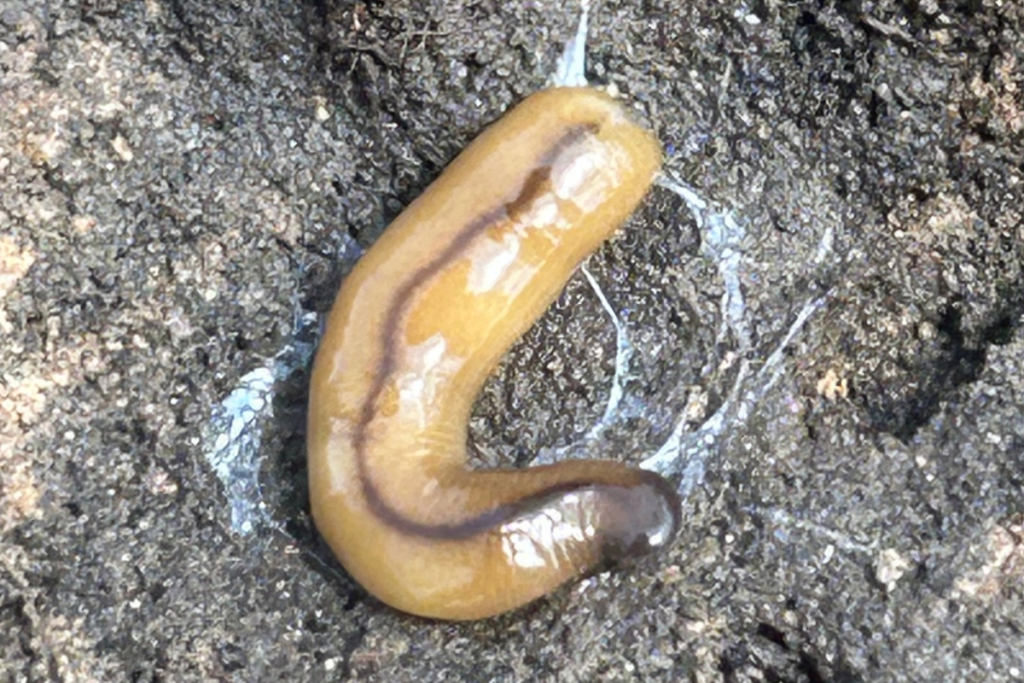
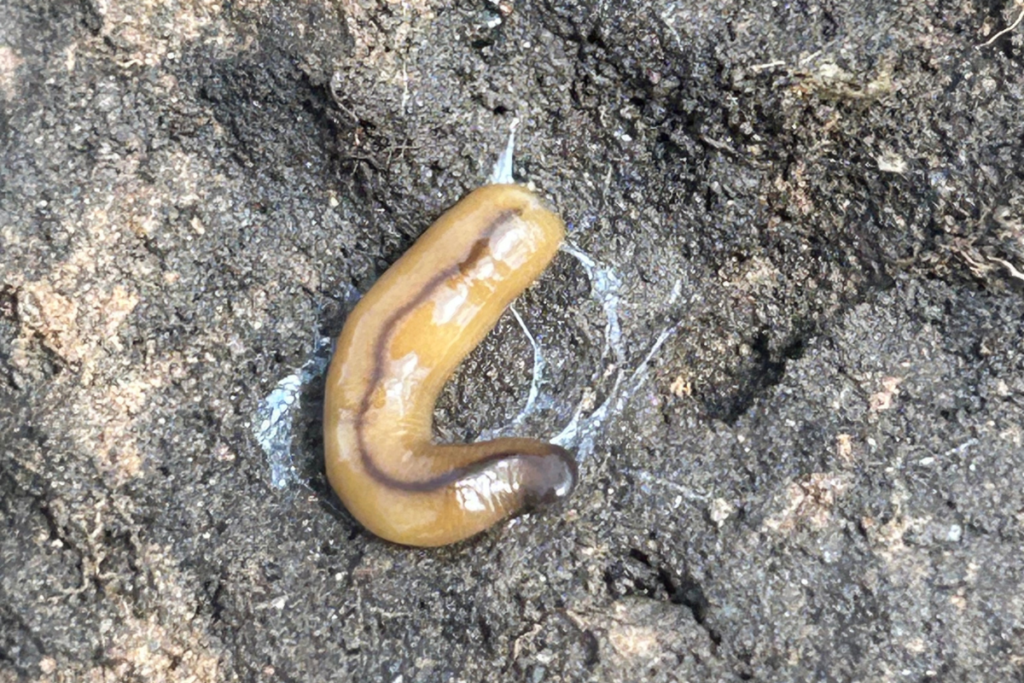
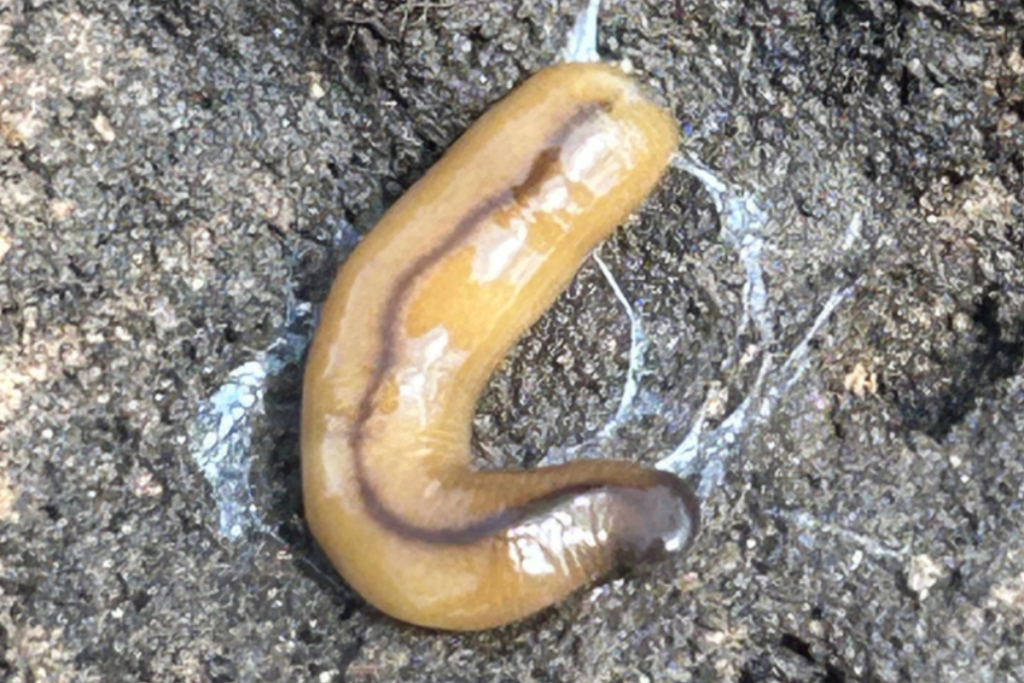
Movement in land planarians is unlike that of most animals commonly encountered outdoors. Instead of walking, crawling, or hopping, they glide across surfaces using muscular contractions and a layer of mucus. This creates a smooth, continuous motion that appears almost effortless.
The gliding movement is often compared to a conveyor belt or a moving escalator. Progress occurs gradually, yet the animal continues advancing without obvious pauses between steps. To an observer, the motion can appear almost fluid rather than mechanical.
Most species are more active during nighttime hours or periods of reduced sunlight. Darkness often provides conditions that favor movement and exploration. This nocturnal tendency reduces exposure to environmental stress and helps maintain the moisture required for normal activity.
Seasonal patterns also influence activity levels. Wet periods often support increased visibility, while prolonged dry conditions may reduce observable movement. During favorable seasons, terrestrial flatworms may remain active for longer portions of the day and night.
Energy conservation is achieved through efficiency rather than complete inactivity. Instead of expending energy on rapid movement, the flatworm progresses steadily while minimizing unnecessary effort. This approach allows it to travel without the high energy demands associated with faster animals.
A useful comparison is the movement of a slowly advancing drop of thick liquid across a smooth surface. Although the flatworm is actively moving, the process appears gradual and controlled. This distinctive locomotion is one of the defining behavioral characteristics of terrestrial flatworms and immediately separates them from earthworms, slugs, and insects.
Land Planarian Interaction and Survival Behavior
Land planarians are primarily solitary animals and rarely display social behavior. Individuals generally operate independently, with little evidence of long-term group associations. Encounters between members of the same species are usually brief and related to immediate biological needs rather than social organization.
When confronted with potential danger, avoidance is often the preferred response. Rather than engaging with threats directly, a terrestrial flatworm typically relies on concealment or withdrawal. Its body design and low-profile appearance make disappearing beneath cover an effective survival strategy.
Mucus production serves several important functions, including protection. The slippery coating can make handling more difficult for certain predators and helps maintain the animal’s physical condition. This mucus layer acts as a valuable component of the flatworm’s defensive toolkit.
Another remarkable survival trait is regeneration. If portions of the body are damaged, many land planarian species possess the ability to replace lost tissue. This capability is among the most famous characteristics of flatworms and provides an additional layer of resilience against injury.
A specific example of survival behavior can occur when a rock covering a flatworm is suddenly lifted. The animal often responds by moving toward nearby shelter or reducing exposure as quickly as possible. This reaction demonstrates an instinctive preference for protected conditions.
Taken together, concealment, mucus production, environmental awareness, and regenerative abilities create an effective survival strategy. Although land planarians lack speed, armor, or powerful defensive weapons, they compensate through specialized behaviors that have allowed them to persist successfully across diverse ecosystems around the world.
Popular Searches About Land Planarians
Explore Land Planarian Guide
Explore More Wildlife

Support Encounters World
Help support wildlife photography and get behind the scenes discoveries on Patreon.