
Land Planarian Diet: What Do Terrestrial Flatworms Eat?
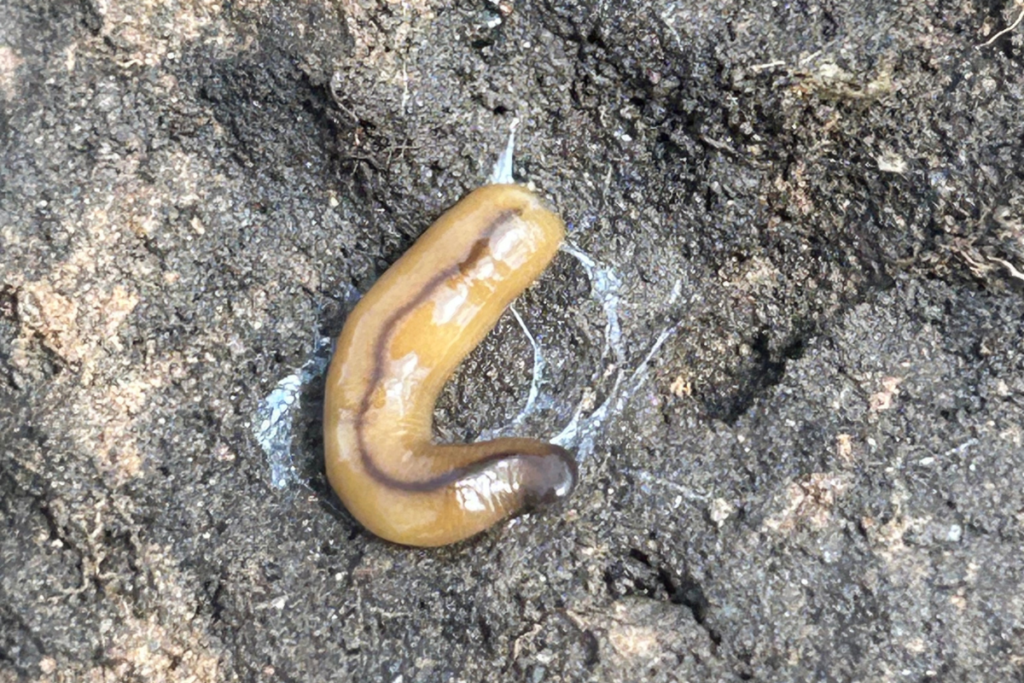
Quick Facts
Diet Type: Carnivore
Main Food Sources: Earthworms, slugs, snails, insect larvae, and other soil invertebrates
Feeding Time: Primarily nighttime and during damp conditions
Foraging Method: Chemical tracking and direct predation
Seasonal Diet Changes: Influenced by prey availability and environmental conditions
Predatory Adaptations: Sensitive chemical detection, extendable feeding structures, and regenerative abilities
Understanding the Feeding Ecology of Land Planarians
Land planarians, commonly known as terrestrial flatworms, are unusual predators that occupy an important position within ground-level ecosystems. Unlike many soft-bodied invertebrates that feed on decaying material or vegetation, most terrestrial flatworms survive by hunting other animals. This predatory lifestyle sets them apart from many of the organisms they share the environment with.
Species occur throughout much of the world, including North America, Europe, Asia, Australia, and South America. Across these regions, land planarians have developed feeding strategies that allow them to exploit food resources hidden beneath logs, stones, leaf litter, and other ground-level cover. Their success is closely connected to their ability to locate prey that remains concealed from many other predators.
To casual observers, a terrestrial flatworm may appear too simple to function as an effective hunter. Its slow movement and lack of obvious weapons create the impression of a harmless organism. Closer examination, however, reveals a specialized predator equipped with unique biological tools.
Food acquisition plays a central role in every stage of a land planarian’s life. Nutrients obtained from prey support growth, tissue maintenance, regeneration, and reproduction. Without consistent access to suitable food sources, populations would struggle to survive.
The feeding ecology of terrestrial flatworms has attracted scientific attention because of their influence on soil communities. In some regions, introduced species have affected populations of native invertebrates through predation. These interactions demonstrate how a seemingly simple animal can have meaningful ecological effects.
Understanding the diet of land planarians provides insight into their broader ecological role. Their feeding habits connect them directly to the health, structure, and balance of ground-dwelling invertebrate communities throughout their range.
Land Planarian Diet Overview and Feeding Specialization
Most land planarians are carnivores, meaning they obtain nutrition primarily from other animals. Unlike herbivores that consume plant material or omnivores that utilize a mixture of foods, terrestrial flatworms depend heavily on animal prey. This specialization influences nearly every aspect of their ecological role.
Compared to earthworms, which process organic material within the soil, land planarians occupy a higher position in the food web. They function more like miniature predators than decomposers. This distinction separates them from many other soft-bodied organisms commonly found beneath logs and stones.
Dietary flexibility varies among species. Some terrestrial flatworms consume a relatively broad range of invertebrate prey, while others exhibit stronger preferences for particular groups. These differences allow multiple species to coexist by focusing on slightly different food resources.
Geographic location can influence feeding opportunities. A terrestrial flatworm in a temperate forest may encounter different prey communities than one living in a tropical region. Despite these differences, the overall carnivorous feeding strategy remains remarkably consistent.
In terms of specialization, land planarians occupy an interesting middle ground. They are more specialized than many generalist predators that consume almost anything available, yet often less restricted than species dependent on a single prey type. This balance contributes to their ecological success.
A useful comparison is to think of terrestrial flatworms as specialized hunters within the hidden world beneath our feet. While larger predators dominate above-ground food webs, land planarians fill a similar role on a much smaller scale. Their feeding habits help regulate populations of numerous soil-dwelling organisms.
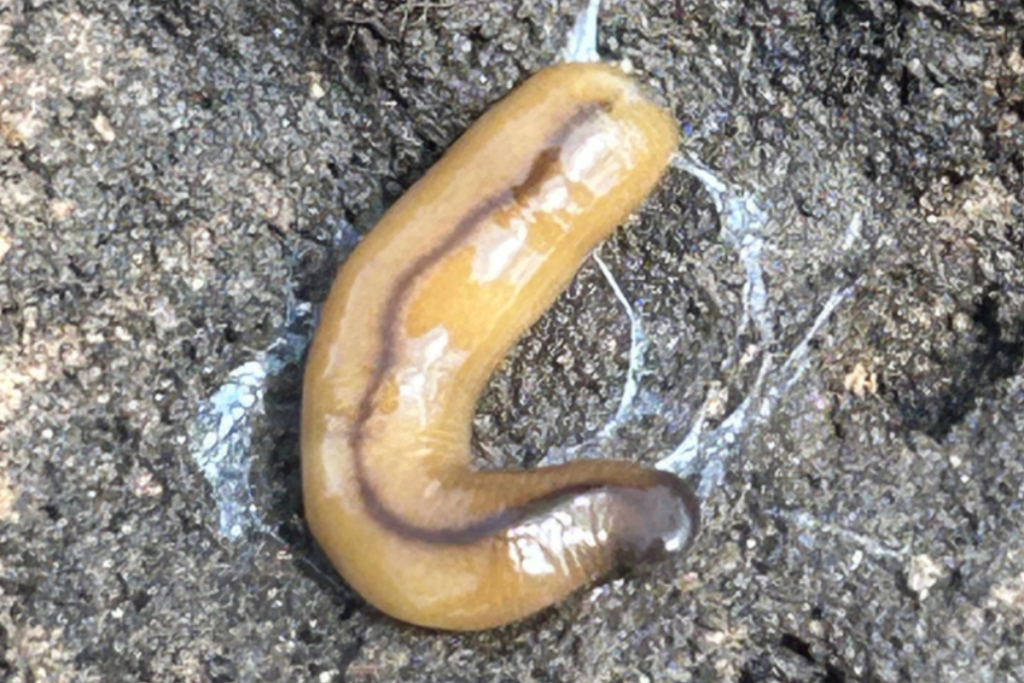
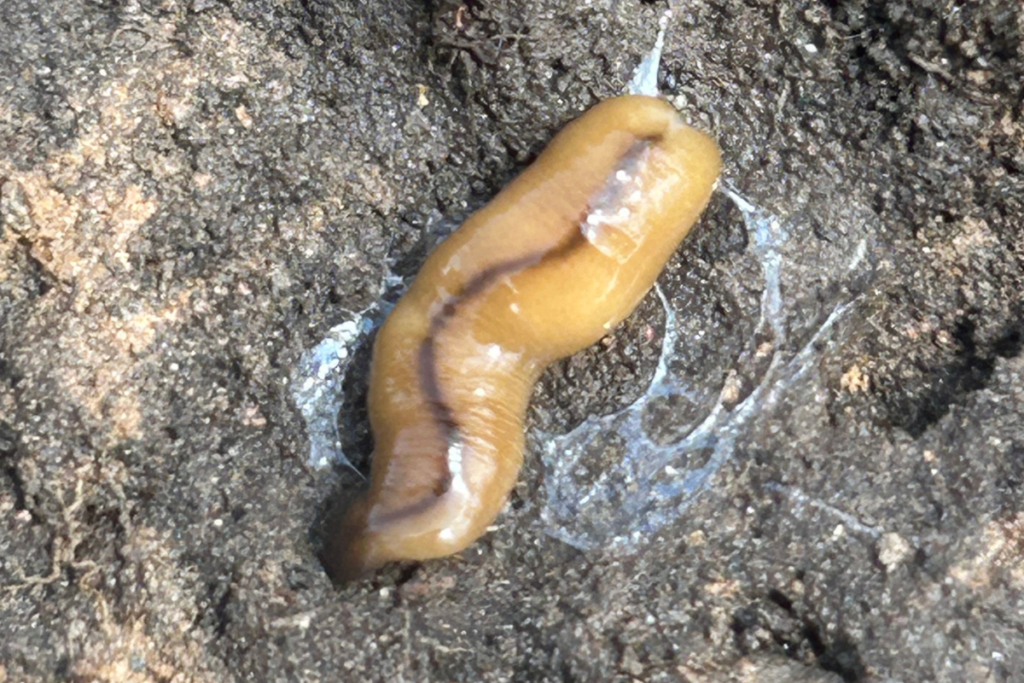
Natural Food Sources Consumed by Terrestrial Flatworms
Earthworms are among the most well-known prey items consumed by many land planarian species. Their abundance, soft bodies, and nutritional value make them an important food source in numerous ecosystems. In some regions, predation on earthworms has become a significant ecological concern.
Slugs also represent a common food source. These slow-moving invertebrates share similar environments with terrestrial flatworms, increasing opportunities for encounters. The soft tissues of slugs provide a rich source of nutrients that supports growth and survival.
Snails may also be consumed, particularly smaller species that are easier to subdue. While the shell provides some protection, certain land planarians have evolved methods for feeding on these animals. This ability expands the range of prey available within a given ecosystem.
Additional prey can include insect larvae, small arthropods, and other soft-bodied invertebrates. Diet composition often depends on local availability and the species present within a particular area. This variation allows terrestrial flatworms to exploit a range of feeding opportunities.
Life stage may influence food requirements as well. Juvenile flatworms often target smaller prey that can be captured and consumed more efficiently. Larger adults are capable of handling a broader range of prey sizes and types.
Earthworms provide a useful example of how prey contributes to survival. They supply energy, protein, and other nutrients necessary for tissue maintenance and regeneration. The ability to utilize such a widespread food source helps support terrestrial flatworm populations across diverse regions.
Feeding Behavior and Predatory Survival Strategies
Land planarians locate prey primarily through chemical detection. Rather than relying on vision, they interpret chemical traces left behind by potential food sources. This ability allows them to follow invisible trails that lead directly to prey.
The process resembles tracking a scent trail. Chemical signals guide the flatworm across the substrate, helping it narrow the distance between itself and a potential meal. This strategy is particularly effective in dark environments where visual cues are limited.
Once prey is located, the flatworm uses specialized feeding structures to consume it. These anatomical adaptations allow nutrients to be extracted efficiently from captured prey. Despite their simple appearance, terrestrial flatworms possess feeding mechanisms that are highly effective for their ecological role.
Competition for food can occur when multiple predators occupy the same area. Terrestrial flatworms often reduce direct competition by exploiting hidden prey resources that larger predators overlook. Their ability to access confined spaces provides a significant advantage.
Resource shortages may require greater foraging effort. During periods when prey becomes less abundant, flatworms may spend more time searching for food or expand the range of prey they target. Such flexibility improves survival during challenging conditions.
A practical example occurs when a flatworm encounters the chemical trail of an earthworm. Rather than moving randomly, it follows the trail until contact is made. This efficient hunting strategy minimizes wasted energy and increases the likelihood of a successful feeding event, helping sustain the flatworm in environments where prey may be patchily distributed.
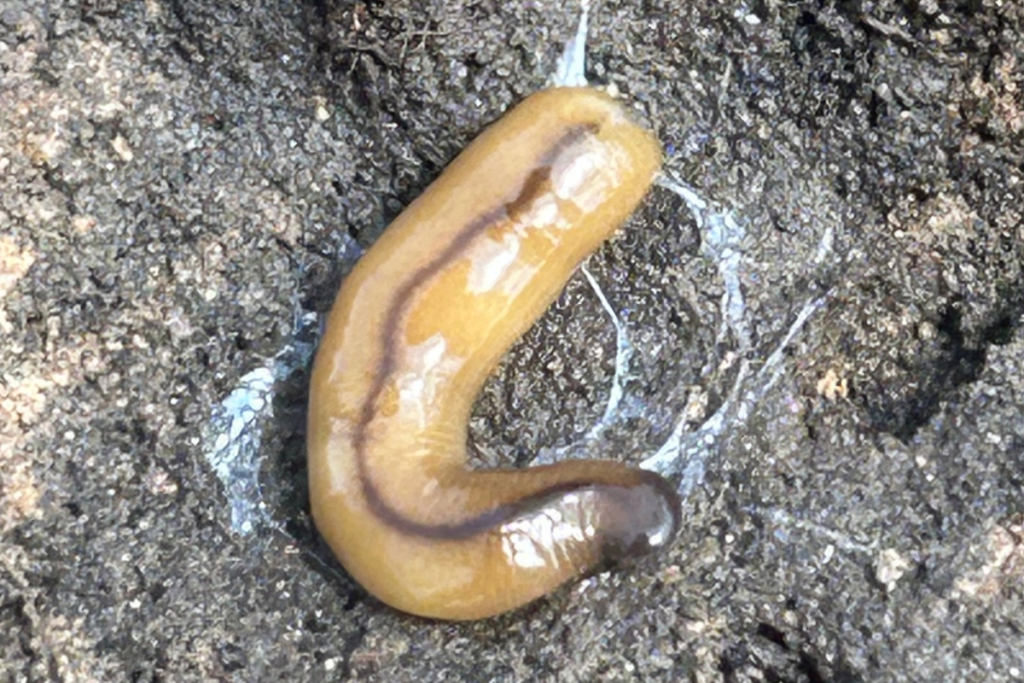
Popular Searches About Land Planarians
Explore Land Planarian Guide
Explore More Wildlife

Support Encounters World
Help support wildlife photography and get behind the scenes discoveries on Patreon.