Black Rat Snake Diet Guide: What Black Rat Snakes Eat in the Wild
Quick Facts
Diet Type: Carnivore
Main Food Sources: Rodents, birds, eggs, and small mammals
Feeding Time: Primarily daytime and warm evening hours
Foraging Method: Active searching, climbing, and ambush predation
Seasonal Diet Changes: Increased feeding during warmer months with reduced winter feeding
Predatory Adaptations: Strong constriction, climbing ability, and scent tracking
Introduction to the Black Rat Snake’s Feeding Habits
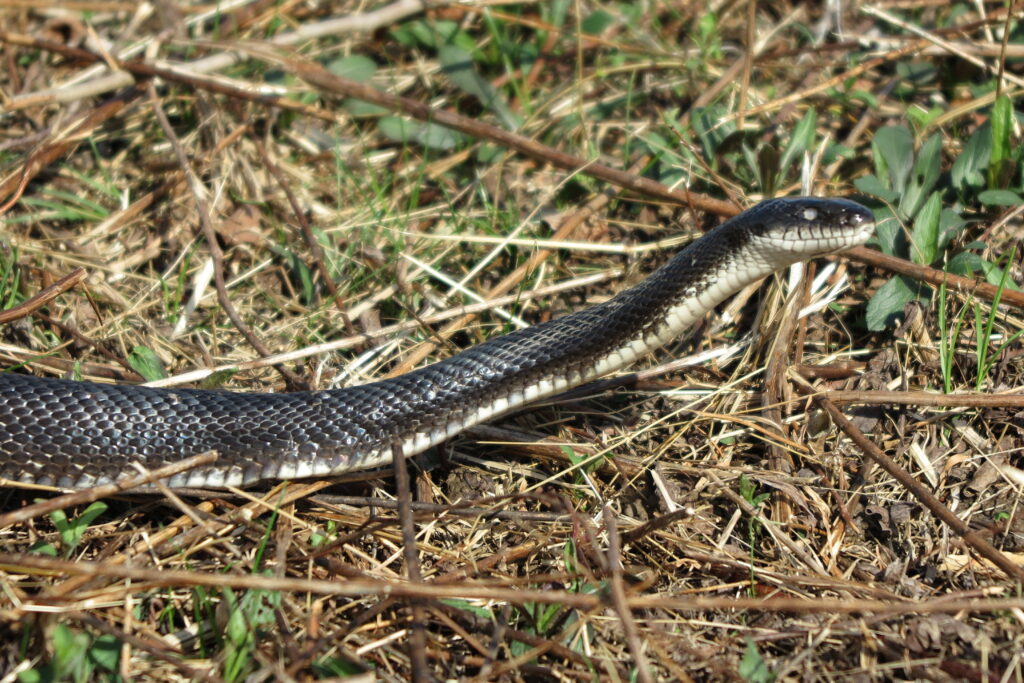
The Black Rat Snake is one of the largest nonvenomous predators in eastern North America and plays a major role in controlling populations of small animals throughout its range. Found across forests, farmland, rocky hillsides, and rural environments, this species relies on a flexible carnivorous diet to survive in many different landscapes. Its ability to hunt both on the ground and above it allows access to a wide variety of prey sources.
Black Rat Snakes are often associated with barns, woodland edges, and areas where rodent populations remain active. Their strong climbing ability also separates them from many other snakes, allowing them to move into trees and elevated structures while searching for food. Because of this versatility, they can exploit prey sources unavailable to strictly ground-dwelling species.
Unlike venomous snakes that rely heavily on toxic bites, Black Rat Snakes depend primarily on constriction and physical control when feeding. Their muscular bodies allow them to overpower prey efficiently once captured. This feeding strategy has helped make them one of the most successful large snake species across eastern North America.
Feeding activity changes seasonally as temperatures and prey availability fluctuate throughout the year. Warm months support higher hunting activity, while colder seasons reduce feeding opportunities dramatically. Across all environments, however, the Black Rat Snake remains an adaptable predator capable of exploiting many different food sources.
Black Rat Snake Diet Overview and Feeding Adaptability
Black Rat Snakes are strict carnivores that consume a wide range of vertebrate prey throughout their lives. Their diet includes mammals, birds, eggs, and other small animals depending on size and environmental availability. This flexibility allows them to survive across forests, agricultural areas, and mixed rural landscapes.
The species is considered an opportunistic predator rather than a highly specialized feeder. Instead of depending on one narrow food source, Black Rat Snakes adapt their feeding habits according to what is most available within their environment. This broad dietary range contributes heavily to their widespread success.
Compared to the Eastern Hognose Snake, which feeds heavily on amphibians such as toads, Black Rat Snakes possess a much more generalized diet. Hognose snakes often rely on specialized prey preferences, while Black Rat Snakes can exploit a far wider variety of animals throughout different environments.
Diet also changes noticeably with age and body size. Juvenile snakes typically consume smaller prey items because their jaws and body mass remain limited during early development. As the snake matures, its prey range expands significantly to include larger mammals and birds.
Regional conditions can influence feeding patterns as well. Forest populations may rely more heavily on woodland rodents and nesting birds, while agricultural populations encounter prey associated with barns, grain storage, and open farmland. This environmental flexibility allows Black Rat Snakes to remain successful across highly varied landscapes.
The species feeds less frequently than many smaller predators because large meals provide substantial energy reserves. A successful feeding event may sustain an adult snake for extended periods. This slower feeding cycle helps conserve energy and reduces unnecessary exposure during hunting activity.
Overall, the Black Rat Snake’s diet resembles that of a highly adaptable general predator capable of adjusting to changing conditions. Much like a fox capable of hunting across multiple environments, the species survives by remaining flexible rather than dependent on one specific prey source.
Natural Food Sources Black Rat Snakes Consume in the Wild
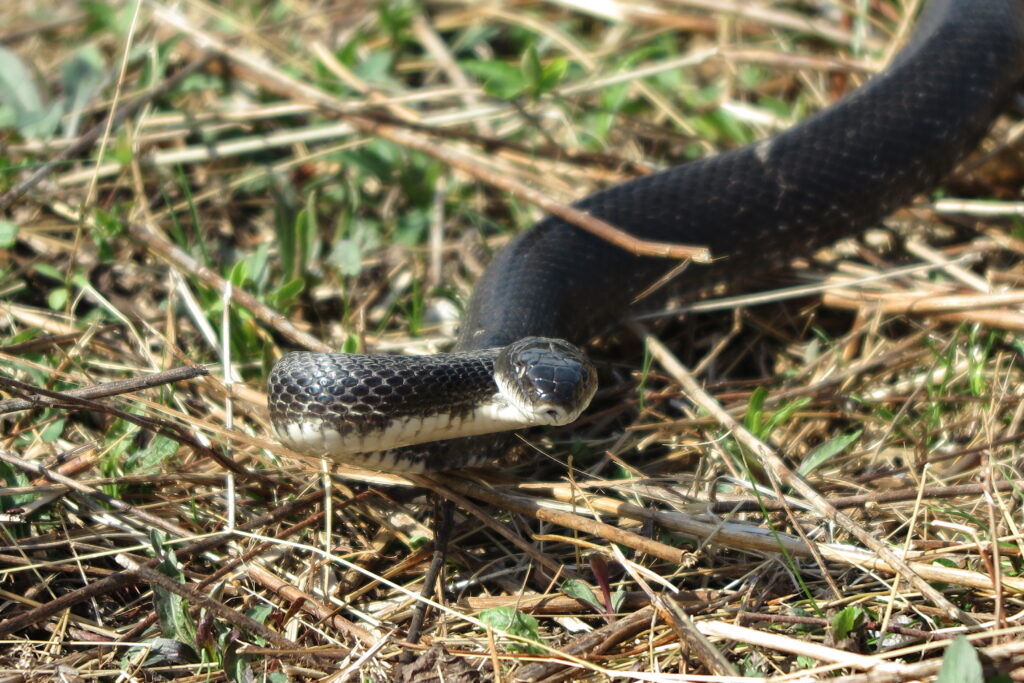
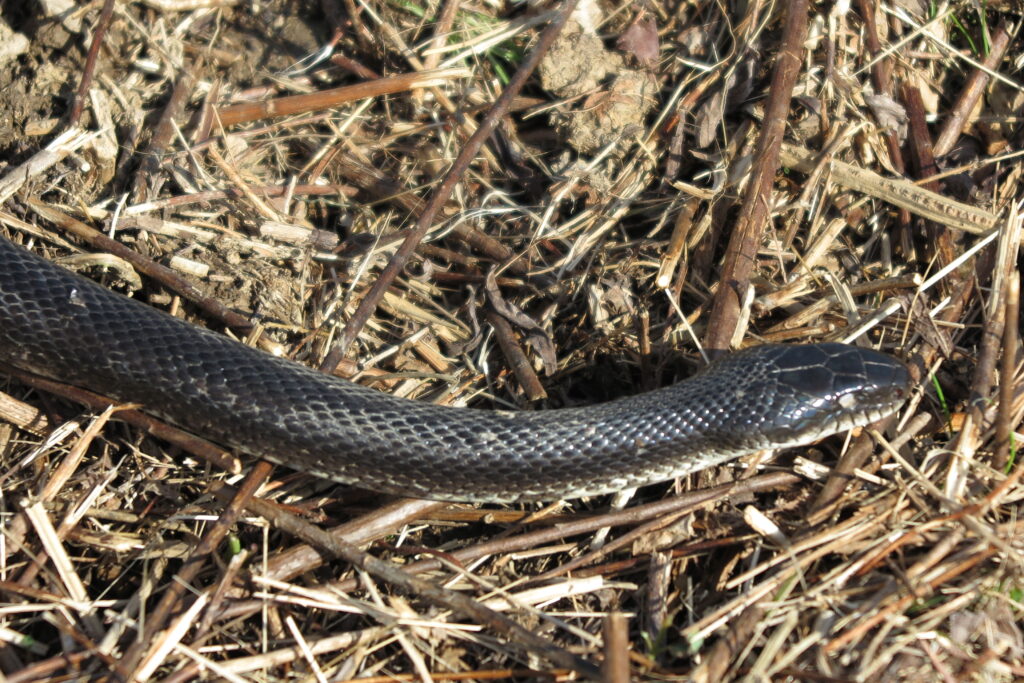
Rodents form one of the most important food sources for Black Rat Snakes throughout much of their range. Mice, rats, voles, and young squirrels are commonly targeted because they provide high nutritional value relative to their size. Rural barns and woodland edges often support especially strong rodent populations that attract these snakes.
Birds and bird eggs are another major part of the species’ natural diet. Their climbing ability allows Black Rat Snakes to access nests hidden within trees, shrubs, barns, and elevated cavities. Eggs provide concentrated nutrients while requiring less physical struggle compared to active prey.
Juvenile Black Rat Snakes consume smaller prey than adults due to body size limitations. Young snakes commonly feed on small rodents, nestling birds, lizards, frogs, and other manageable vertebrates. This gradual prey progression allows the snake’s feeding capabilities to expand naturally as it grows.
Adult Black Rat Snakes may occasionally consume surprisingly large prey relative to their body width. Flexible jaws and expandable throat structures allow them to swallow prey much wider than the head itself. This feeding adaptation enables efficient use of larger food opportunities when available.
Bird nests often become important seasonal feeding targets. Nestlings and eggs are vulnerable during breeding seasons, especially in low branches or cavities accessible to climbing snakes. A single successful nest raid can provide significant nutritional value for an adult Black Rat Snake.
Compared to the Corn Snake, Black Rat Snakes generally consume larger prey because of their greater body size and stronger musculature. Corn snakes often focus on smaller rodents and lizards, while Black Rat Snakes can overpower larger mammals and birds.
One especially important prey source is the common mouse, which supports Black Rat Snake populations across both forests and agricultural environments. Rodents reproduce rapidly and remain active throughout many habitats, providing a dependable food source. This strong rodent connection is one reason Black Rat Snakes are considered highly beneficial around farms and rural properties.
Black Rat Snake Feeding Behavior and Survival Hunting Strategies
Black Rat Snakes rely heavily on scent detection and environmental awareness while hunting. Flicking tongues collect airborne chemical particles that are analyzed through the Jacobson’s organ inside the mouth. This allows the snake to follow prey trails and identify nearby food sources with remarkable precision.
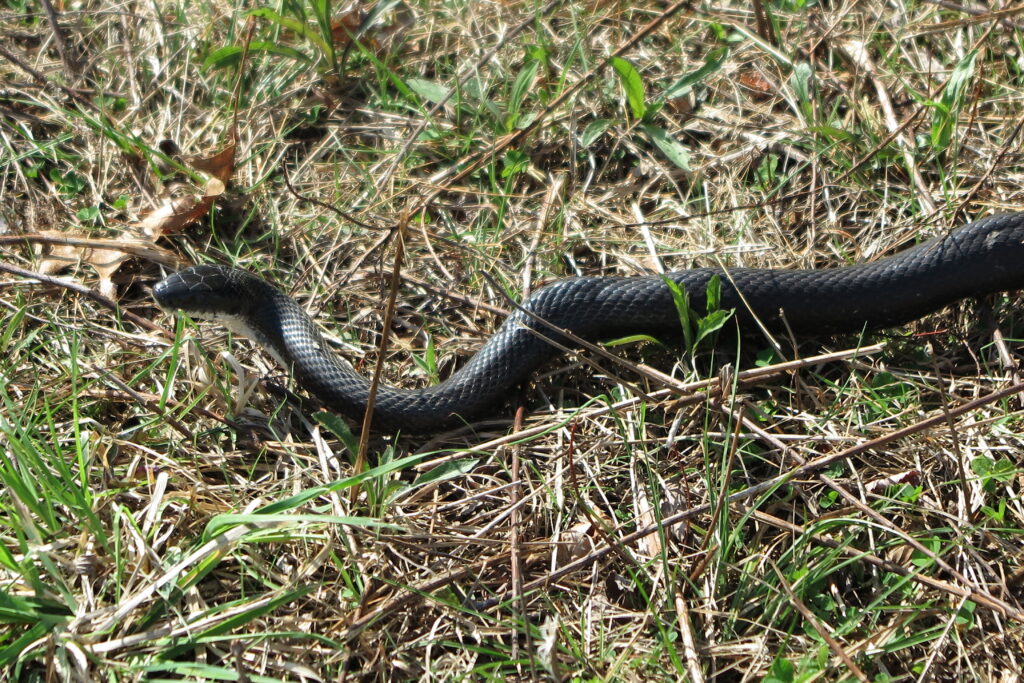
Unlike ambush specialists that remain motionless for long periods, Black Rat Snakes actively search through their environment while hunting. They move steadily through vegetation, rocky terrain, barns, and tree branches while investigating possible prey locations. Their movement style reflects patience and persistence rather than explosive speed.
Climbing ability plays a major role in feeding success. Strong muscles and textured scales allow the snake to move into elevated branches and structures where birds or nests may be located. Seeing a large snake extended through tree limbs often surprises observers unfamiliar with the species’ climbing skill.
Once prey is located, the snake captures it using rapid strikes followed by constriction. The body coils tightly around the prey, restricting breathing and movement until the animal becomes subdued. This method allows the snake to overpower prey without relying on venom.
Feeding behavior also changes according to prey type. Rodents are usually subdued quickly through constriction, while eggs are swallowed whole and processed internally. Birds and nestlings may require climbing access before capture becomes possible.
During periods of reduced prey availability, Black Rat Snakes conserve energy by lowering feeding frequency and reducing unnecessary movement. Their slow metabolism allows survival during extended periods without food. This adaptation is especially important during colder months when prey activity decreases significantly.
Compared to the Copperhead, which depends heavily on venom and ambush positioning, Black Rat Snakes behave more like active searching predators. Copperheads often wait concealed for prey to approach, while Black Rat Snakes frequently patrol through environments while investigating scent trails and movement.
The Black Rat Snake’s feeding strategy combines patience, physical strength, climbing ability, and sensory precision. These adaptations allow the species to function as one of the most effective nonvenomous predators in eastern North America, helping maintain ecological balance across forests, farmland, and rural ecosystems.
Popular Searches About Black Rat Snakes
Explore Black Rat Snake Guide
Explore More Wildlife

Support Encounters World
Help support wildlife photography and get behind the scenes discoveries on Patreon.