Black Rat Snake Eggs Guide: Egg Appearance, Nesting, and Hatching Facts
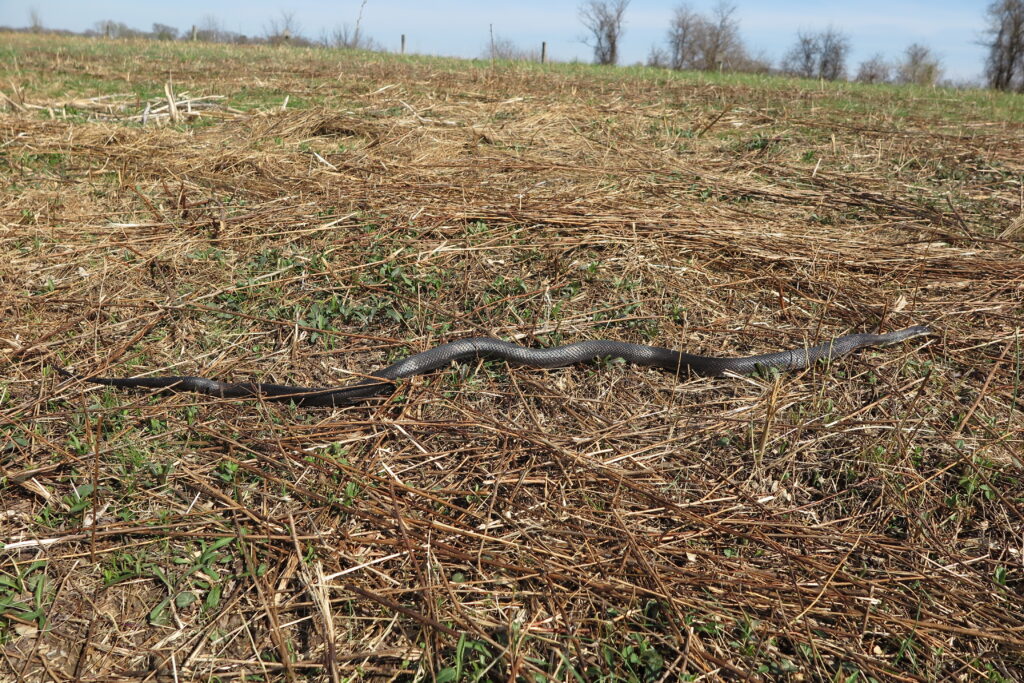
Quick Facts
Egg Appearance: White to cream-colored with soft leathery shells
Average Egg Size: Around 1.5–2 inches long
Typical Clutch Size: 5–30 eggs
Incubation Period: Approximately 55–75 days
Nesting Season: Late spring through summer
Global Range: Eastern North America, primarily the eastern United States
Conservation Status: Least Concern
Notable Feature: Flexible leathery eggs hidden in warm protected nesting sites
Introduction to Black Rat Snake Eggs and Reproduction
The Black Rat Snake is one of the largest and most widespread nonvenomous snakes in eastern North America, and its reproductive cycle plays an important role in maintaining healthy snake populations across forests and rural landscapes. During warmer months, female Black Rat Snakes deposit clusters of soft-shelled eggs in protected locations where environmental conditions remain stable. These hidden nesting sites are often concealed so effectively that people rarely encounter them in the wild.
Black Rat Snake eggs differ noticeably from bird eggs because they possess flexible, leathery shells rather than rigid brittle surfaces. Their softer texture helps protect developing embryos while allowing moisture exchange within humid nesting environments. This structure is common among many snake species and reflects adaptation to underground or sheltered incubation conditions.
Egg clusters are commonly hidden beneath logs, rotting wood, compost piles, rocky crevices, or deep leaf litter. Warmth and moisture are critical for proper development, making insulated environments especially important during incubation. Females typically leave the eggs after laying them, allowing environmental heat to support development naturally.
The eggs themselves represent one of the most hidden stages in the Black Rat Snake’s life cycle. Although adult snakes are occasionally visible crossing trails or climbing trees, their eggs remain concealed within dark protected spaces for much of the incubation period. These carefully hidden eggs eventually hatch into patterned juvenile snakes that look dramatically different from mature adults.
Black Rat Snake Egg Overview and Physical Appearance
Black Rat Snake eggs are elongated and oval-shaped with flexible outer shells that feel leathery rather than hard. Most eggs appear white, off-white, or cream-colored, though slight yellow or pale tan shading sometimes develops during incubation. Their surface usually looks smooth but slightly textured under close inspection.
Each egg typically measures around 1.5 to 2 inches long, making them roughly comparable in size to a large olive or small chicken egg. The eggs are often clustered tightly together within protected nesting sites, forming compact groups hidden beneath debris or inside cavities. Their soft shells allow them to fit closely against one another without cracking.
Unlike rigid bird eggs that break easily under pressure, Black Rat Snake eggs compress slightly when handled gently. This flexibility helps protect developing embryos in environments where shifting soil, rotting wood, or surrounding debris may create pressure. The shell also allows moisture movement, which is essential during development.
Freshly laid eggs often appear slightly glossy because of surface moisture and soft shell texture. As incubation progresses, the eggs may become duller and more expanded as embryos develop inside. Healthy eggs usually remain plump and rounded throughout much of the incubation process.
Compared to the Eastern Box Turtle, which lays harder brittle eggs with a more rigid shell structure, Black Rat Snake eggs remain noticeably softer and more flexible. Turtle eggs often resemble delicate ping-pong balls, while snake eggs feel more like thick leather pouches filled with fluid.
The eggs are usually deposited in hidden environments where darkness and insulation remain consistent. Rotting logs and composting vegetation create natural heat sources that help support development. Because of this, eggs are rarely visible in exposed open areas.
As hatching approaches, the eggs often appear slightly collapsed or dented as moisture balance changes and hatchlings prepare to emerge. Small slits eventually develop where young snakes cut through the shell using a specialized egg tooth. These openings gradually widen until hatchlings leave the nest chamber completely.
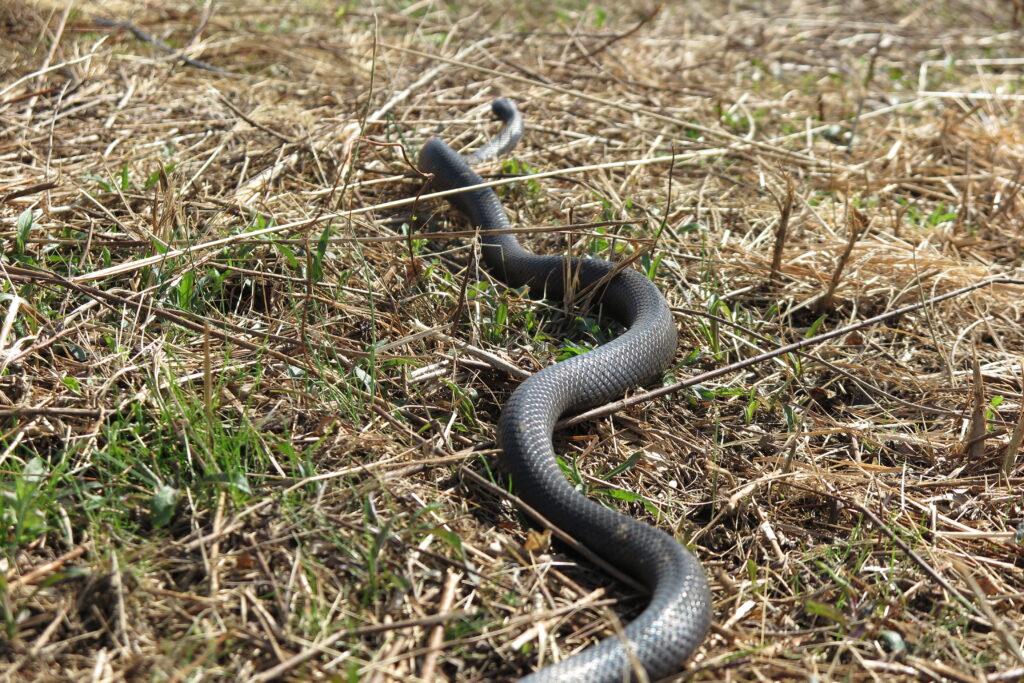
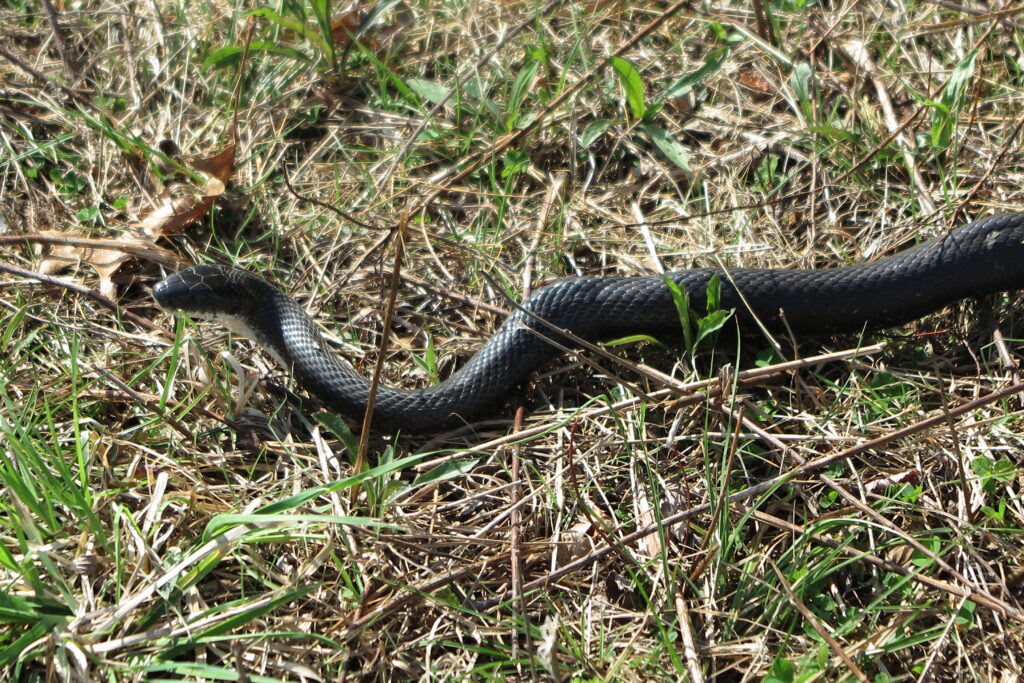
General Characteristics of Black Rat Snake Eggs and Clutches
Black Rat Snake eggs possess several defining characteristics that separate them from the eggs of birds and many other reptiles. Their leathery shells create a flexible outer layer capable of absorbing slight environmental pressure without shattering. This adaptation is especially useful in underground or debris-filled nesting environments.
Clutch size varies significantly depending on the age and size of the female. Smaller females may produce only a handful of eggs, while large healthy adults can lay more than twenty in a single nesting season. Dense egg clusters may resemble a pile of connected pale capsules hidden within dark organic material.
The eggs are strongly dependent on stable environmental warmth and moisture throughout incubation. Too much dryness can damage embryos, while excessive cold may slow or halt development entirely. Natural nesting sites help regulate these conditions by providing insulation and humidity.
Unlike species that guard eggs aggressively, Black Rat Snakes typically leave the clutch after laying. The surrounding environment becomes responsible for maintaining suitable incubation conditions. This reproductive strategy depends heavily on choosing hidden nesting locations with naturally stable temperatures.
Compared to the Corn Snake, Black Rat Snake eggs are generally larger and often produced in greater clutch sizes because of the species’ larger adult body size. Corn Snake eggs share similar leathery texture but usually remain smaller overall.
Another defining characteristic is the appearance of hatchlings emerging from the eggs. Young Black Rat Snakes display gray or tan bodies with dark blotches rather than the glossy black coloration of adults. This dramatic difference often surprises people expecting miniature versions of mature snakes.
Egg placement within the nest chamber also affects development. Eggs resting too close to overly wet surfaces may experience problems, while those positioned in stable insulated areas typically develop more successfully. Natural debris and decaying vegetation help maintain balanced conditions throughout incubation.
Black Rat Snake Eggs and Their Role in the Ecosystem
Black Rat Snake eggs play an important ecological role by supporting future populations of one of eastern North America’s most beneficial nonvenomous predators. Successful hatching contributes directly to maintaining balanced ecosystems where snakes help regulate rodent populations naturally. Each clutch represents a critical stage in sustaining long-term population stability.
The eggs themselves also form part of broader food web relationships within natural environments. Mammals, reptiles, birds, and scavengers may prey upon exposed or poorly hidden eggs when nests are discovered. Although this creates vulnerability, it also supports energy transfer throughout ecosystems.
Nesting sites contribute to environmental interactions beyond the eggs alone. Rotting logs, compost piles, and decaying vegetation used for incubation also support insects, fungi, amphibians, and microorganisms. These overlapping ecological systems create biologically rich microhabitats within forests and rural landscapes.
Black Rat Snake hatchlings emerging from eggs become important predators early in life despite their smaller size. Young snakes help control populations of tiny rodents, lizards, and other small prey while also serving as food for hawks, mammals, and larger reptiles. This dual ecological role begins immediately after hatching.
The species’ reproductive cycle also strengthens genetic diversity throughout its range. Large clutch sizes increase the likelihood that some juveniles survive environmental pressures and predation. This reproductive strategy helps maintain stable populations across changing environmental conditions.
Eggs hidden within rotting logs and decomposing vegetation indirectly contribute to nutrient cycling as well. Organic nesting materials break down gradually while supporting humidity and insulation for incubation. These nesting sites eventually return nutrients back into surrounding ecosystems after use.
Black Rat Snake eggs additionally help highlight the importance of preserving natural debris and woodland structure. Fallen logs, leaf litter, and undisturbed ground cover provide essential nesting conditions for many reptiles and amphibians. Removing these natural features can reduce successful reproduction opportunities across entire ecosystems.
Although rarely seen in the wild, Black Rat Snake eggs represent one of the most important stages in the species’ life cycle. Their development supports future generations of predators that help regulate prey populations, maintain ecological balance, and contribute to biodiversity throughout eastern North America.
Popular Searches About Black Rat Snakes
Explore Black Rat Snake Guide
Explore More Wildlife

Support Encounters World
Help support wildlife photography and get behind the scenes discoveries on Patreon.