Woodlouse (Armadillidium vulgare) Overview | Identification, Features, and Ecological Importance
Quick Facts
Scientific Name: Armadillidium vulgare
Common Name: Woodlouse
Location: Forest floors, gardens, woodlands, stone piles, and damp ground cover
Average Size: 0.5–0.7 inches (1.2–1.8 cm)
Lifespan: 2–3 years
Global Range: Europe, North America, parts of Asia, Australia, and other temperate regions
Conservation Status: Not Evaluated
Notable Feature: Ability to roll into a tight armored ball for protection
Location Observed: Pennsylvania, USA
Field Observation
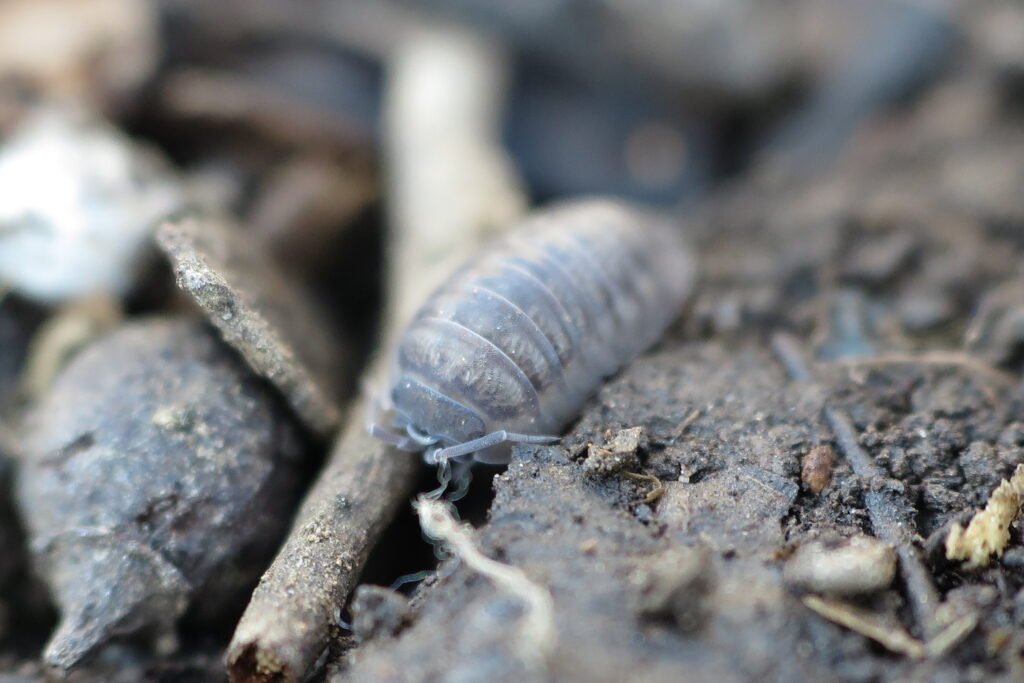
While lifting a rock, I observed this woodlouse slowly roaming across the damp ground as it searched through the forest floor. It carefully navigated around soil, small debris, and leaf fragments while continuously exploring its surroundings in search of organic material to scavenge.
Introduction to the Woodlouse and Its Worldwide Presence
The woodlouse (Armadillidium vulgare) is one of the most recognizable small invertebrates found beneath rocks, logs, and damp debris. Known by names such as roly-poly or pillbug, this species is commonly encountered in gardens, forests, and shaded outdoor spaces where moisture remains trapped close to the ground. Despite its insect-like appearance, the woodlouse is actually a terrestrial crustacean related more closely to crabs and shrimp than beetles or ants.
Originally native to Europe and surrounding regions, the species has spread across much of the world through soil movement, landscaping materials, and human activity. It is now widespread throughout North America and thrives in many temperate environments where humidity and shelter are available. Because of this adaptability, woodlice are often among the first invertebrates people notice while turning over stones or fallen branches outdoors.
The name “pillbug” comes from the animal’s famous defense mechanism of curling into a compact ball when disturbed. This rounded shape gives it the appearance of a tiny gray pebble resting against the soil. In natural settings, dozens may gather together beneath a single piece of wood, creating clusters that blend almost perfectly with dirt, bark, and decomposing leaves.
Although commonly overlooked because of their small size, woodlice are an important part of many ecosystems. Their armored appearance, slow movement, and unusual crustacean ancestry make them stand out among familiar backyard species. For many people, observing a woodlouse is an early introduction to the hidden world of invertebrates living beneath the forest floor.
Woodlouse Appearance and Distinctive Physical Features
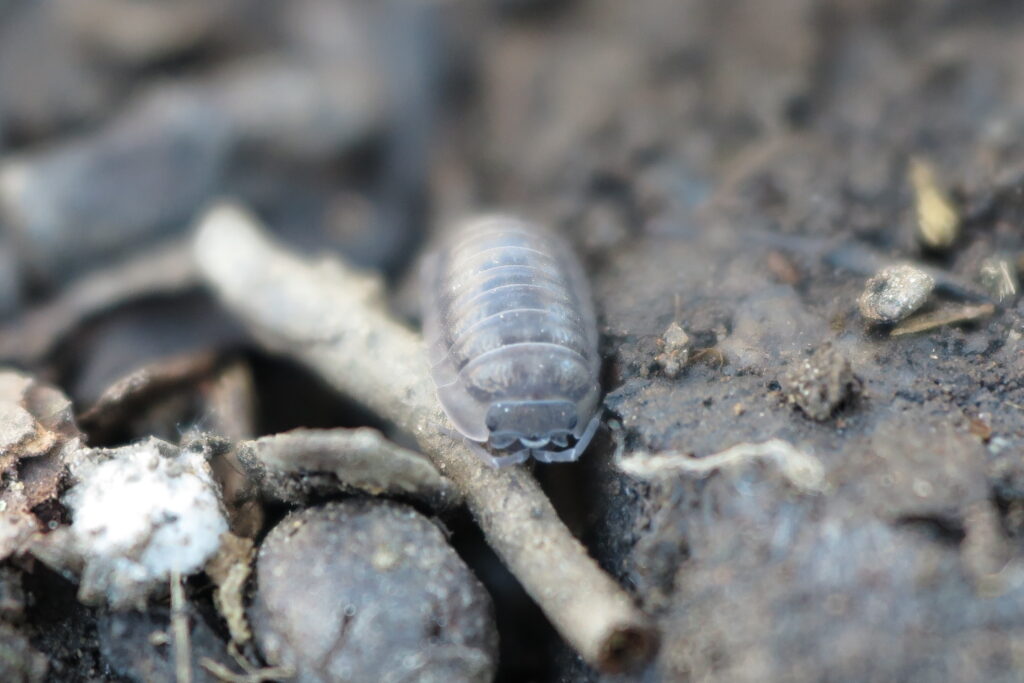
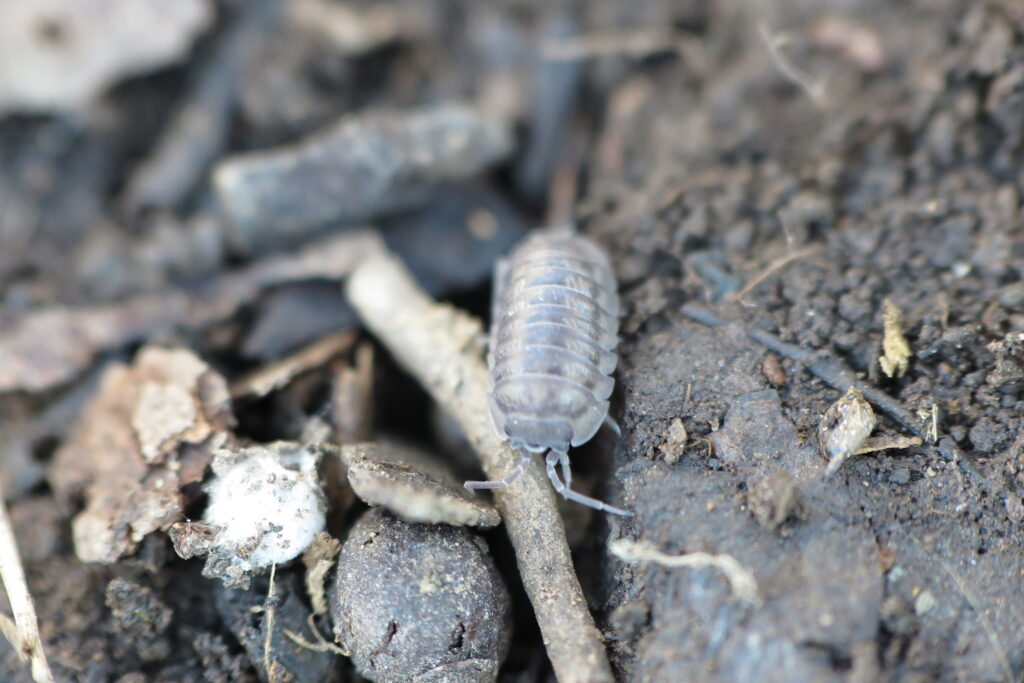
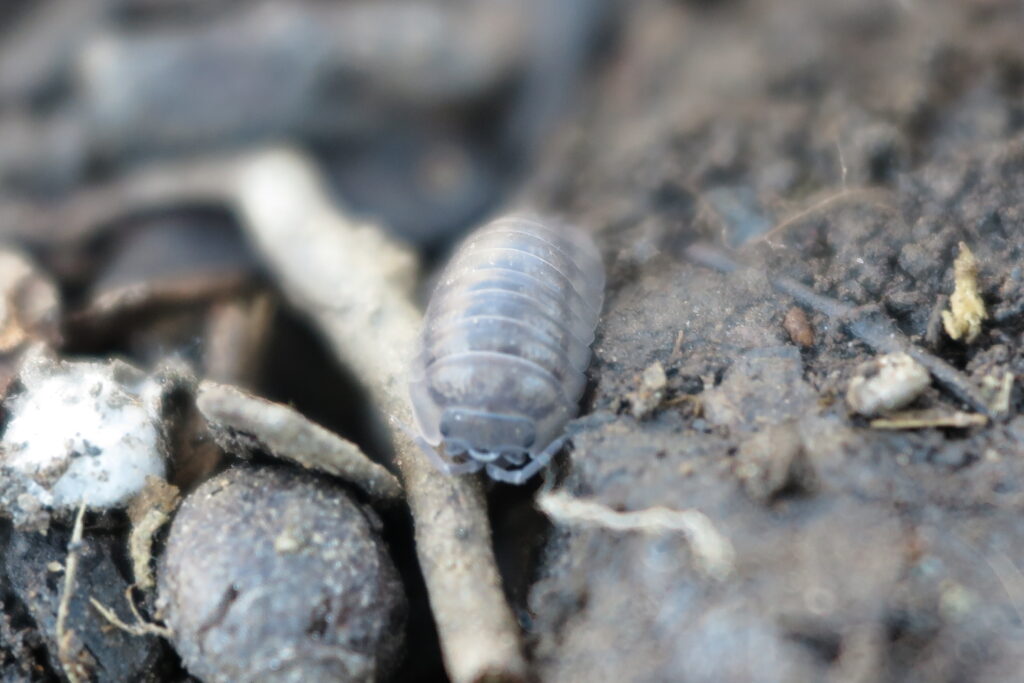
The body of a woodlouse is divided into a series of hard overlapping segments that resemble tiny plates of armor. These plates create a rounded shell-like appearance that helps protect the animal from pressure and minor threats. In most individuals, the coloration ranges from slate gray to bluish-gray, though some may appear brownish depending on age, moisture, and surrounding soil conditions.
Most adult woodlice are roughly the size of a fingernail, making them easy to overlook unless viewed up close. When crawling slowly across damp ground, their segmented bodies create a mechanical, almost prehistoric appearance. The smooth curve of the back combined with the evenly spaced plates gives the animal a shape similar to a miniature armadillo, which is reflected in its scientific name Armadillidium.
The underside of the body contains numerous small legs that move in a coordinated wave-like pattern. Unlike insects, which have six legs, woodlice possess many pairs that allow them to navigate rough terrain and narrow crevices with surprising stability. Two short antennae extend from the front of the head and constantly move as the animal explores its surroundings.
One of the most recognizable visual traits of Armadillidium vulgare is its ability to curl into a complete sphere. When threatened, the plates lock tightly together to shield the softer underside. In this defensive position, the woodlouse resembles a tiny smooth stone or seed resting on the soil surface, helping it avoid attention from predators and curious animals alike.
Recognizing the Unique Characteristics of Armadillidium vulgare
Among the many species of land-dwelling crustaceans, Armadillidium vulgare stands out because of its compact rounded structure and heavily armored appearance. Some related woodlice species can flatten themselves against surfaces but cannot fully roll into a ball. The complete curling ability of the pillbug makes it one of the easiest species to identify in gardens and woodland habitats.
The segmented plates covering the back are both flexible and durable, allowing the body to bend inward without exposing vulnerable areas. Each section fits neatly against the next, similar to the overlapping plates of medieval armor. This natural design provides protection while still allowing the animal to move through tight spaces beneath bark, stones, and decomposing debris.
Woodlice also possess a textured exoskeleton that may appear dusty or slightly reflective depending on lighting and moisture levels. Under close observation, the shell often shows tiny bumps and subtle ridges across the surface. These details become especially visible in macro photography, where the body resembles the plated surface of a miniature tank or ancient fossilized creature.
Another defining feature is the species’ crustacean ancestry. Unlike insects that breathe entirely through tracheal systems, woodlice retain specialized structures adapted from aquatic ancestors. Because of this connection to moisture, their bodies maintain a slightly damp appearance in healthy conditions. This unusual blend of terrestrial survival and aquatic heritage gives the woodlouse a unique identity among common backyard invertebrates.
The Woodlouse’s Role in Forest and Garden Ecosystems
Woodlice play an essential part in breaking down organic material within forests, gardens, and natural landscapes. Fallen leaves, decaying bark, and old plant matter gradually accumulate on the ground, and organisms like Armadillidium vulgare help process this material into smaller particles. This natural recycling contributes to healthier soil and supports the continual renewal of nutrients within ecosystems.
As organic matter is broken apart, moisture and nutrients become more accessible to microorganisms, fungi, and plant roots. In this way, woodlice contribute indirectly to plant growth and overall soil quality. Areas with healthy decomposer populations often develop richer, darker soil layers capable of supporting a wider variety of vegetation and small organisms.
The woodlouse also occupies an important position within the food web. Many animals, including birds, amphibians, spiders, beetles, and small mammals, may feed on them when opportunities arise. Their presence provides a dependable source of energy for numerous predators living close to the forest floor, helping maintain ecological balance across multiple trophic levels.
Beyond their environmental role, woodlice are valuable indicators of moisture-rich habitats and healthy decomposition cycles. Their presence beneath logs or stones often signals an ecosystem where organic material is actively being recycled. Although small and frequently ignored, these armored crustaceans quietly contribute to the stability and productivity of the environments they inhabit, making them far more important than their size might suggest.
Observation Location
Observed in William H. Kain County Park, Pennsylvania, USA
Popular Searches About Woodlouse
Explore Woodlouse Guide
Explore More Wildlife

Support Encounters World
Help support wildlife photography and get behind the scenes discoveries on Patreon.