Can Rolly Polly Swim? | Understanding Woodlouse Water Survival and Adaptations
Quick Facts
Location: Gardens, forests, damp ground cover, compost piles, and shaded outdoor spaces
Average Size: 0.5–0.7 inches (1.2–1.8 cm)
Lifespan: 2–3 years
Global Range: Europe, North America, Asia, Australia, and other temperate regions
Conservation Status: Not Evaluated
Notable Feature: A land-dwelling crustacean that still retains traits connected to aquatic ancestors
Introduction to Rolly Pollies and Their Connection to Water
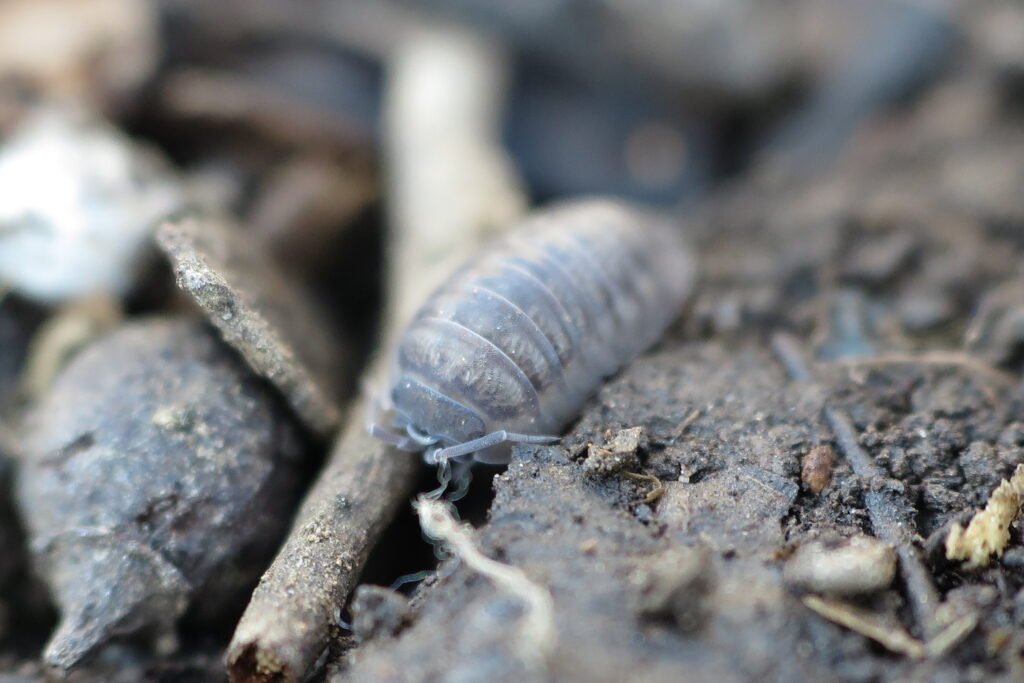
Rolly pollies, also known as woodlice or pillbugs, are among the most recognizable small invertebrates found beneath rocks, logs, and damp debris. Their rounded armored bodies and ability to curl into a tight ball make them easy to identify in gardens and woodland environments. Although they resemble insects at first glance, rolly pollies are actually terrestrial crustaceans more closely related to crabs, shrimp, and lobsters.
The species Armadillidium vulgare has spread across much of the world and now occurs throughout Europe, North America, parts of Asia, and Australia. Because they depend heavily on moisture, rolly pollies are commonly associated with damp outdoor environments where humidity remains stable near the ground. Many people discover them after rainfall or while lifting objects resting on moist soil.
One question frequently asked about these unusual creatures is whether they can swim. Their crustacean ancestry and preference for moisture naturally lead many people to assume they are fully aquatic or capable swimmers. However, the answer is more complicated than a simple yes or no because rolly pollies occupy a unique position between aquatic ancestry and terrestrial survival.
Although adapted for life on land, rolly pollies still retain biological traits connected to their ancient marine relatives. Their need for moisture, their body structure, and even parts of their respiratory system reveal this connection. Understanding how they interact with water helps explain why they are so strongly tied to damp environments despite spending their lives on land.
Can Rolly Pollies Actually Swim in Water?
Rolly pollies are not true swimmers in the same way aquatic crustaceans such as shrimp or crabs are. They do not possess specialized swimming legs, paddle-like appendages, or streamlined bodies designed for moving efficiently through water. If placed in deep water, most individuals struggle rather than actively swim in a controlled manner.
Their movement in water is often limited to floating, drifting, or attempting to crawl toward nearby surfaces. The many small legs beneath the body are adapted primarily for walking across soil, bark, and decomposing material rather than propelling the animal through liquid. Compared to aquatic crustaceans that glide smoothly through water, a rolly polly in water appears slow and awkward.
However, rolly pollies can survive short-term exposure to moisture far better than many land insects. Their crustacean ancestry gives them a stronger tolerance for damp conditions and temporary contact with water. Small puddles, wet surfaces, or rain-soaked environments usually do not harm them as long as they are not submerged for extended periods.
Many people confuse water tolerance with swimming ability. A rolly polly may survive brief immersion and continue moving afterward, but this does not mean it can truly swim or live underwater permanently. In most situations, prolonged submersion eventually becomes dangerous because the species remains fundamentally adapted for life on land despite its aquatic evolutionary origins.
Why Rolly Pollies Depend on Moisture to Survive
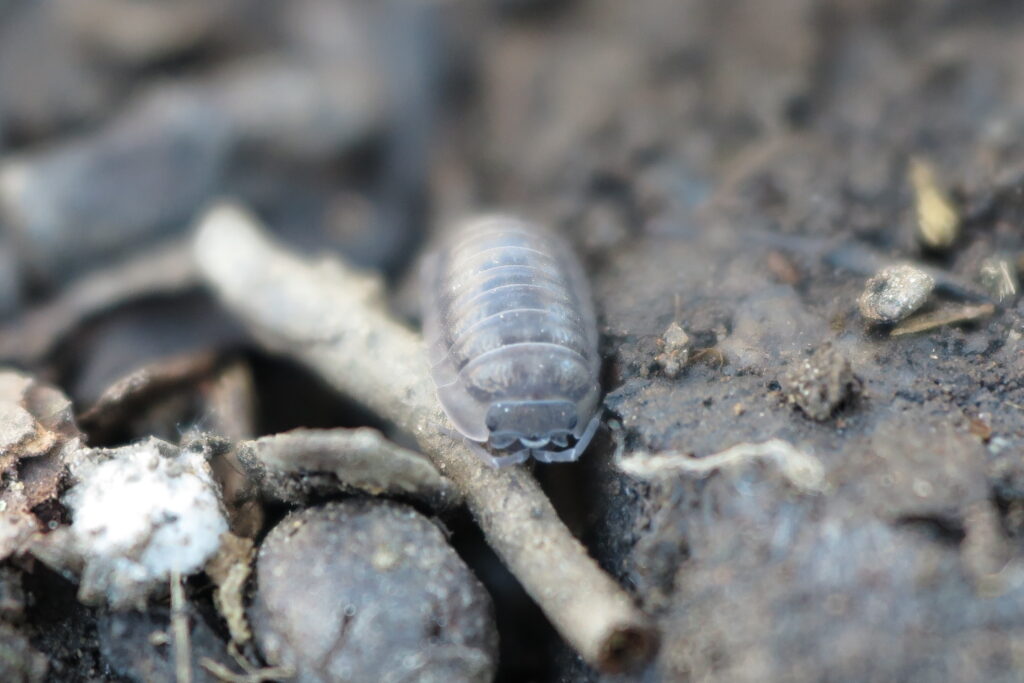
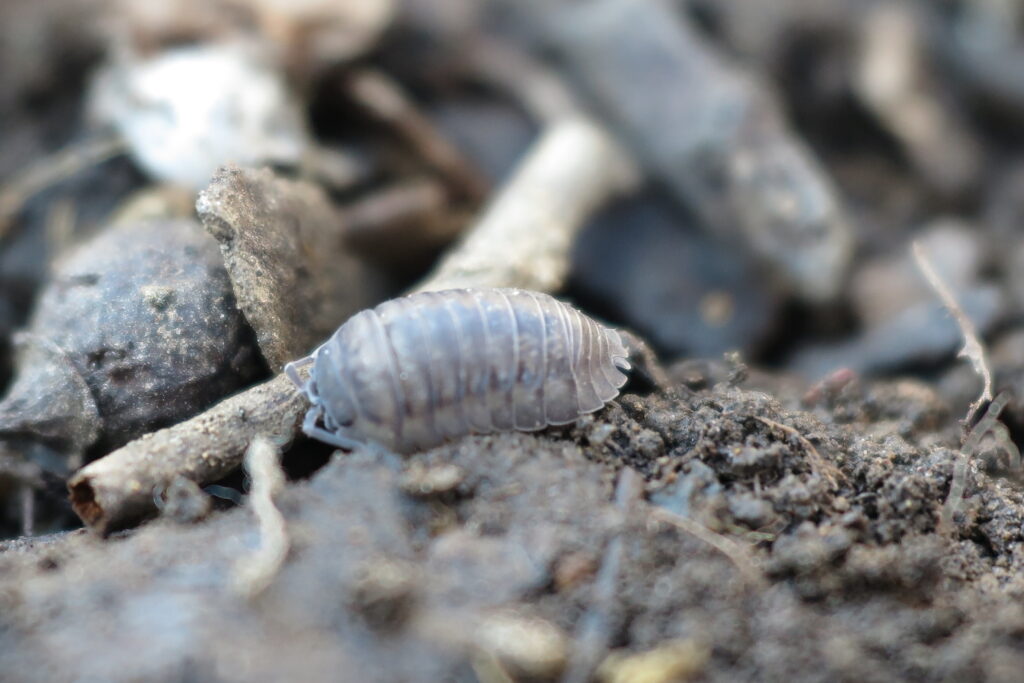
Although rolly pollies cannot truly swim, they remain closely connected to moisture because of the way their bodies function. Unlike many insects with highly efficient waterproof exoskeletons, woodlice lose moisture more easily and must remain in humid conditions to avoid drying out. Their dependence on damp environments explains why they are rarely found in exposed sunlit areas for long periods.
Part of this moisture dependence comes from specialized respiratory structures inherited from aquatic ancestors. Rolly pollies breathe using gill-like organs located beneath the body that function best in humid conditions. These structures are not designed for underwater breathing like the gills of fish, but they still require moisture to operate effectively.
This biological connection to water influences nearly every aspect of their survival. Damp soil, wet leaf litter, and shaded ground cover help maintain the humidity needed for healthy respiration. After rainfall, rolly pollies often become more active because environmental moisture temporarily creates ideal conditions for movement and exploration.
Compared to fully aquatic animals, rolly pollies occupy an unusual middle ground between land and water adaptation. They cannot thrive underwater like crayfish or shrimp, yet they remain far more moisture-dependent than many terrestrial insects. This balance allows them to survive successfully on land while still carrying visible reminders of their crustacean ancestry.
How Water Exposure Affects Rolly Polly Survival
Short-term water exposure is usually tolerated well by rolly pollies, especially in shallow moisture-rich environments. Rainfall, dew-covered surfaces, and wet soil layers often benefit the species by increasing humidity and reducing the risk of dehydration. In many outdoor environments, periods of rain actually improve overall conditions for surface activity.
Problems arise when rolly pollies become trapped in standing water without access to dry surfaces or air circulation. Because they are not built for aquatic movement, individuals may struggle to escape containers, deep puddles, or flooded areas. Their armored bodies can sometimes trap small air pockets temporarily, but this offers only limited protection.
Young rolly pollies are especially vulnerable to prolonged immersion because of their smaller size and softer developing exoskeletons. Adults generally tolerate brief moisture exposure more effectively, though neither life stage is capable of sustained underwater survival. A shallow puddle may pose little danger, while deeper stagnant water can become fatal over time.
Despite these limitations, the species has evolved impressive resilience in humid terrestrial environments. Their relationship with water reflects millions of years of gradual adaptation from aquatic crustacean ancestors to land-dwelling scavengers. While rolly pollies cannot truly swim, their strong connection to moisture remains one of the defining characteristics that makes them so unique among familiar backyard invertebrates.
Popular Searches About Woodlouse
Explore Woodlouse Guide
Explore More Wildlife

Support Encounters World
Help support wildlife photography and get behind the scenes discoveries on Patreon.