Woodlouse Habitat Guide | Armadillidium vulgare Range, Environments, and Living Conditions
Quick Facts
Primary Habitat: Moist woodland floors and shaded ground cover
Secondary Habitat: Gardens, stone piles, compost areas, and urban green spaces
Climate Preference: Temperate and humid environments
Environment Type: Terrestrial ground-dwelling invertebrate
Elevation / Depth Range: Sea level to moderate upland elevations
Geographic Distribution: Europe, North America, parts of Asia, Australia, and other temperate regions
Introduction to the Woodlouse and Its Natural Environment
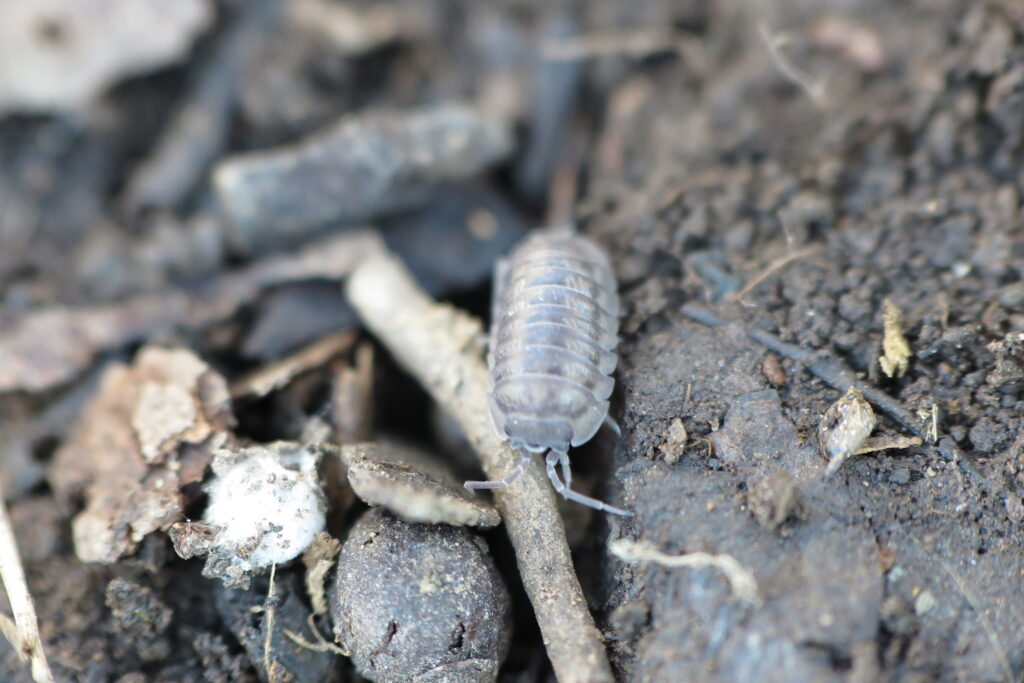
The woodlouse (Armadillidium vulgare) is a small terrestrial crustacean commonly encountered in shaded outdoor environments across much of the world. Often called a roly-poly or pillbug, this species has become closely associated with damp ground surfaces, decomposing organic material, and hidden spaces beneath natural debris. Although small in size, woodlice are among the most widespread and recognizable invertebrates living close to the soil surface.
Originally native to Europe and nearby regions, Armadillidium vulgare has expanded far beyond its historic range through human activity and landscape alteration. It is now well established across North America and many other temperate regions where suitable environmental conditions exist. Because of this broad distribution, woodlice can be found in both natural ecosystems and highly developed urban areas.
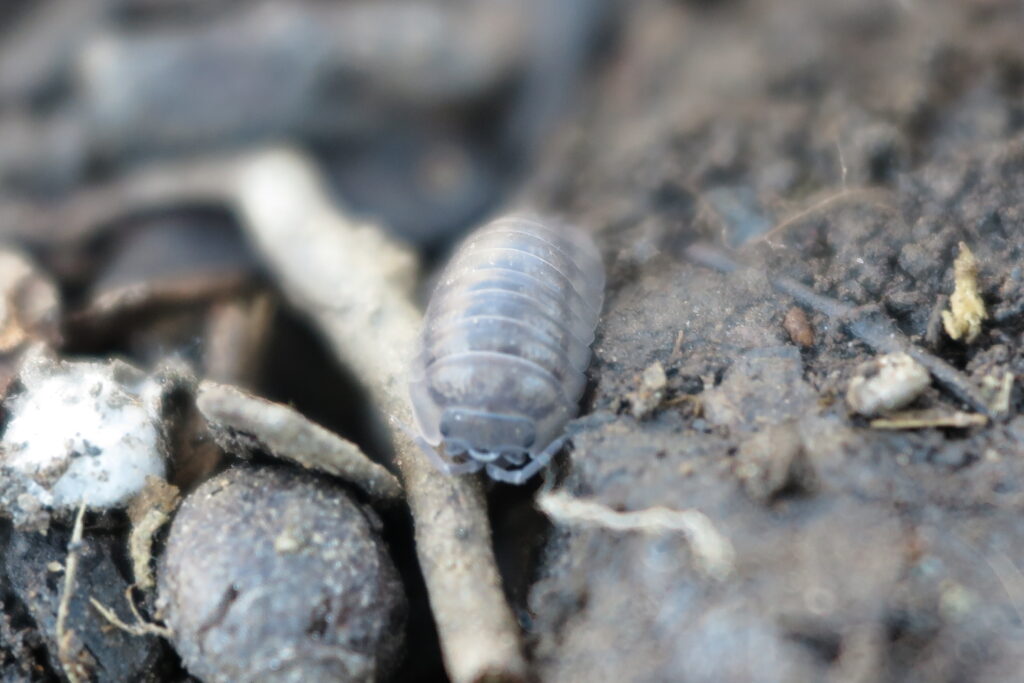
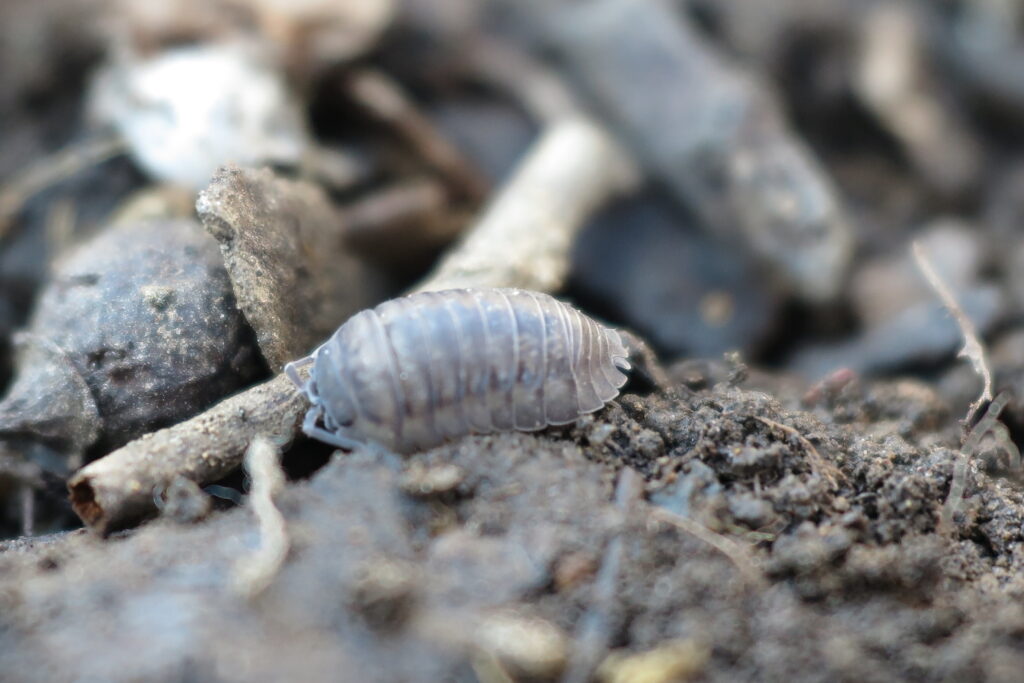
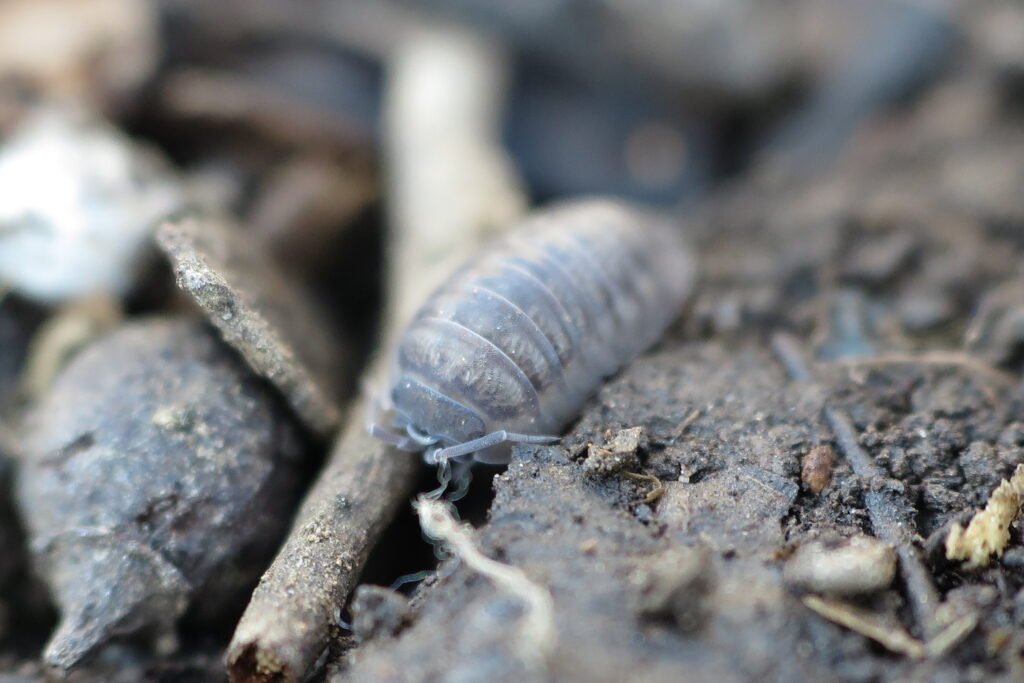
In many outdoor settings, woodlice remain concealed from view until rocks, logs, or leaf litter are lifted from the ground. Their muted gray coloration blends naturally with bark fragments, soil, and decaying vegetation, allowing them to disappear into the environment almost instantly. During humid weather or after rainfall, they may become more visible as moisture spreads across the ground surface.
Despite their crustacean ancestry, woodlice have adapted successfully to life on land for millions of years. Their survival depends heavily on stable environmental conditions that prevent excessive drying. As a result, their habitats often share a common feature of retained moisture and protective ground cover, even when found in very different geographic regions around the world.
Woodlouse Habitat Overview Across Global Regions
The woodlouse occupies an unusually broad range of environments compared to many small invertebrates. While some species remain restricted to highly specialized ecosystems, Armadillidium vulgare has demonstrated remarkable adaptability across forests, suburban landscapes, agricultural areas, and managed gardens. This flexibility has helped the species establish populations far beyond its original native range.
Across Europe and North America, woodlice are commonly associated with shaded landscapes containing dense ground cover and organic debris. However, they are not limited strictly to untouched natural areas. Many populations thrive in human-altered environments where artificial structures create stable shelter and moisture retention similar to natural conditions. Retaining walls, stacked firewood, mulch beds, and stone pathways often support thriving local populations.
Compared to some related crustacean species that require very narrow environmental conditions, Armadillidium vulgare tolerates a wider variety of landscapes and seasonal patterns. This adaptability makes the species far more widespread than many smaller soil invertebrates that disappear outside specific climate zones. In some regions, woodlice are so common that they become a familiar part of everyday backyard ecosystems.
Although broadly distributed, the species still depends on environments that provide protection from excessive dryness and prolonged exposure. Open barren ground with little shelter rarely supports stable populations for long periods. Instead, woodlice are most successful in landscapes where surface cover, vegetation, and moisture create stable microhabitats close to the ground. This balance allows them to persist across both wild and developed regions with surprising consistency.
Habitat Types Occupied by Armadillidium vulgare
Woodlice are especially common within woodland environments where fallen leaves, bark, and decomposing wood accumulate across the forest floor. In these habitats, the shaded canopy helps retain humidity while organic debris creates countless hiding places beneath the surface. Rotting logs and damp soil layers provide ideal shelter throughout much of the year.
Grasslands and open edge habitats may also support woodlice when sufficient cover is available. Areas containing rocks, thick vegetation, or accumulated plant debris can create small pockets of moisture even within more exposed landscapes. In transitional zones between forests and open ground, woodlice often gather beneath objects that shield the soil from direct sunlight and drying winds.
Human-altered habitats have become equally important for the species. Gardens, compost piles, mulch beds, retaining walls, and paved walkways frequently provide stable shelter conditions. Urban and suburban environments often mimic natural hiding spaces through landscaping materials and irrigation, allowing woodlice to remain abundant even in heavily developed areas.
Woodlice also occur around wetlands, stream edges, and damp drainage zones where moisture remains available near the surface. In these locations, they are often found beneath stones, branches, or dense vegetation along the edges of saturated ground. Some individuals may occupy relatively exposed edge habitats, while others remain deeper within sheltered debris layers where environmental conditions fluctuate less dramatically throughout the day.
Environmental Conditions Supporting Woodlouse Populations
Stable humidity is one of the most important environmental conditions supporting Armadillidium vulgare. Because woodlice retain traits inherited from aquatic crustacean ancestors, dry conditions can quickly become dangerous if moisture levels drop too far. Environments with damp soil, shaded cover, and reduced airflow help maintain the humidity needed for long-term survival.
Temperate climates with moderate rainfall tend to support the highest concentrations of woodlice. Regions with humid summers and cool transitional seasons often provide excellent conditions throughout much of the year. During especially dry periods, populations may retreat deeper beneath soil, bark, or stone layers where moisture remains trapped beneath the surface.
Terrain structure also plays a major role in habitat suitability. Uneven ground covered with logs, rocks, roots, and dense leaf litter creates countless protected spaces that stabilize temperature and humidity. These hidden microhabitats function almost like insulated chambers, buffering woodlice from sudden environmental changes above ground.
Seasonal weather shifts strongly influence environmental quality for the species. Cold winters are tolerated when individuals can remain insulated beneath debris or soil layers, while prolonged heat and drought place greater stress on exposed populations. Woodlice thrive best in conditions similar to a damp forest floor after rainfall, where cool air, shaded vegetation, and moisture-rich surfaces create a stable environment close to the ground.
Popular Searches About Woodlouse
Explore Woodlouse Guide
Explore More Wildlife

Support Encounters World
Help support wildlife photography and get behind the scenes discoveries on Patreon.