Woodlouse Diet Guide | Armadillidium vulgare Feeding Habits and Natural Food Sources
Quick Facts
Diet Type: Detritivore and scavenger
Main Food Sources: Decaying plant material, decomposing wood, fungi, and organic debris
Feeding Time: Primarily nocturnal
Foraging Method: Slow surface scavenging and organic matter grazing
Seasonal Diet Changes: Increased feeding during warm and humid periods
Predatory Adaptations: None; relies on scavenging rather than hunting
Introduction to the Woodlouse and Its Feeding Lifestyle
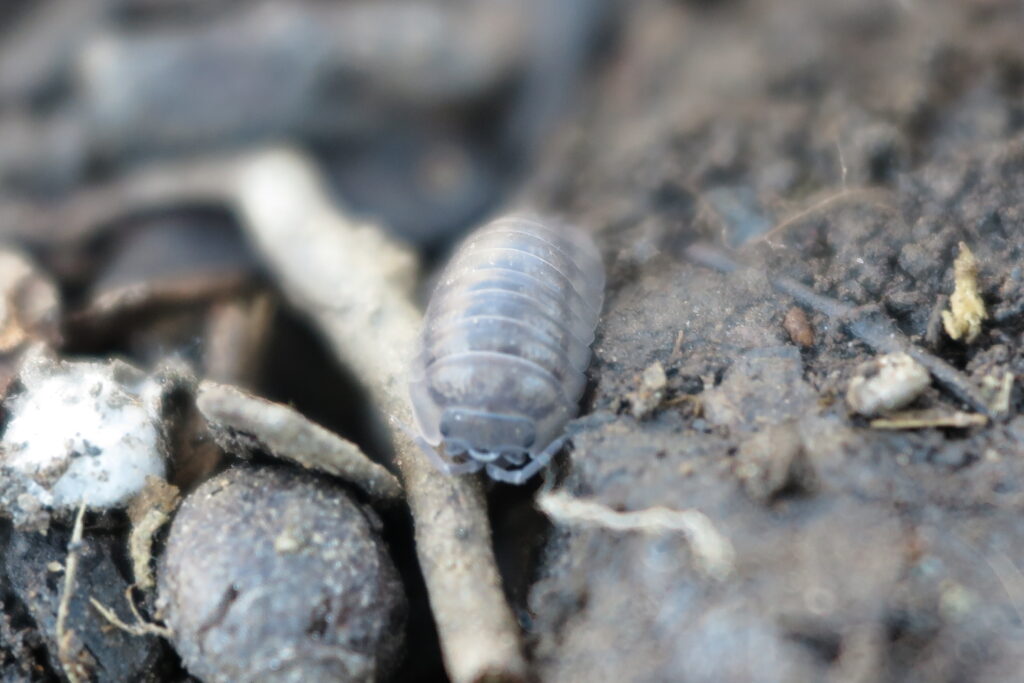
The woodlouse (Armadillidium vulgare) is a small terrestrial crustacean known for its slow-moving scavenging lifestyle and important role in natural decomposition cycles. Commonly referred to as a roly-poly or pillbug, this species is found throughout much of Europe, North America, and other temperate regions where moisture and organic material remain available near the ground surface. Although often overlooked because of its size, the woodlouse performs an essential ecological role through its feeding habits.
Most encounters with woodlice occur beneath rocks, logs, leaf litter, or garden debris where decomposing material collects over time. In these sheltered spaces, individuals slowly roam across the ground while investigating surfaces with their antennae. Their feeding activity is subtle and rarely noticed directly, yet large numbers may work continuously within a small area beneath the forest floor.
Unlike predators that actively pursue prey, woodlice survive by processing organic material already present within their environment. This scavenging lifestyle allows them to thrive in places rich with decomposition and natural decay. Their feeding habits help recycle nutrients back into the soil while supporting broader ecological processes occurring at ground level.
Across different regions, the species demonstrates considerable flexibility in its food choices depending on local conditions and seasonal availability. While the specific materials consumed may vary from one environment to another, the overall feeding strategy remains centered around breaking down organic matter. This consistent ecological role has helped woodlice become one of the most widespread and recognizable decomposer species in many terrestrial ecosystems.
Woodlouse Diet Overview and Feeding Adaptability
The woodlouse is best described as a detritivore, meaning it feeds primarily on decaying organic material rather than hunting live prey. Instead of relying on a narrow or specialized diet, Armadillidium vulgare consumes a wide range of decomposing matter found close to the soil surface. This adaptability allows the species to survive in many different environments where organic debris accumulates naturally.
Compared to highly specialized invertebrates that depend on only one or two food sources, woodlice are remarkably flexible feeders. Their diet can shift depending on climate, region, seasonal changes, and local availability of organic material. In forested areas they may encounter different food sources than those living in gardens or urban landscapes, yet both populations remain capable of thriving successfully.
Although often associated strictly with decaying leaves, woodlice consume a broader assortment of organic matter than many people realize. Their feeding activity contributes to the gradual breakdown of plant debris, softened wood, fungal growth, and other decomposing materials. In this sense, they function more like natural recycling organisms than traditional herbivores or scavengers.
The species’ dietary flexibility has likely contributed to its widespread success across multiple continents. Many small invertebrates struggle outside highly specific ecological conditions, but woodlice can continue feeding in a variety of environments as long as sufficient organic matter remains available. This broad feeding strategy makes them more adaptable than many soil-dwelling species that rely on narrower food preferences or specialized ecological niches.
Natural Food Sources Consumed by Armadillidium vulgare
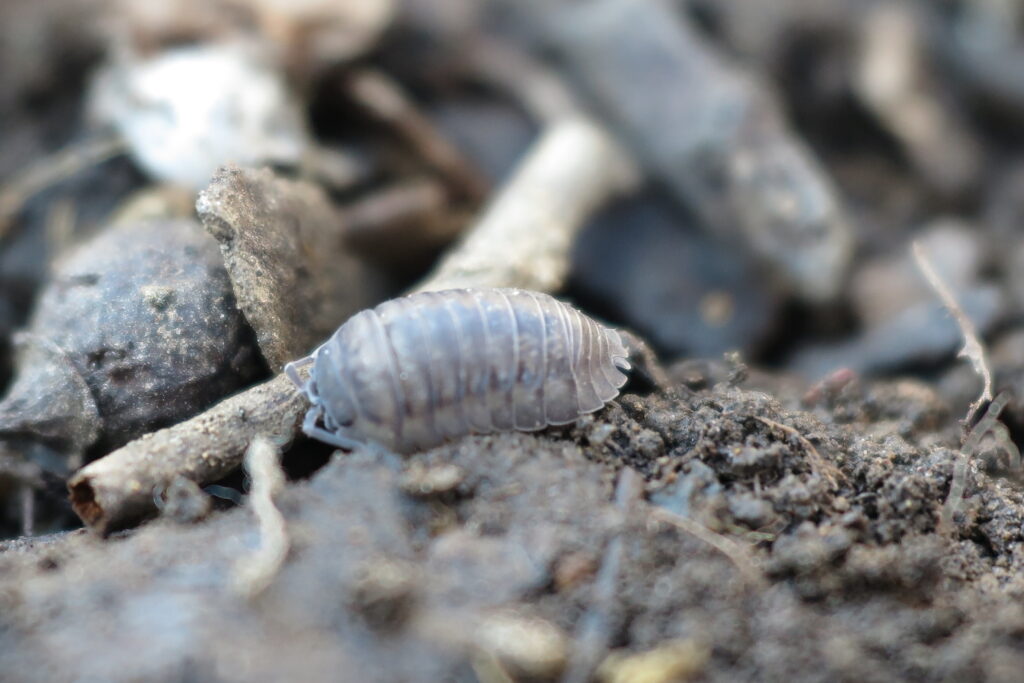
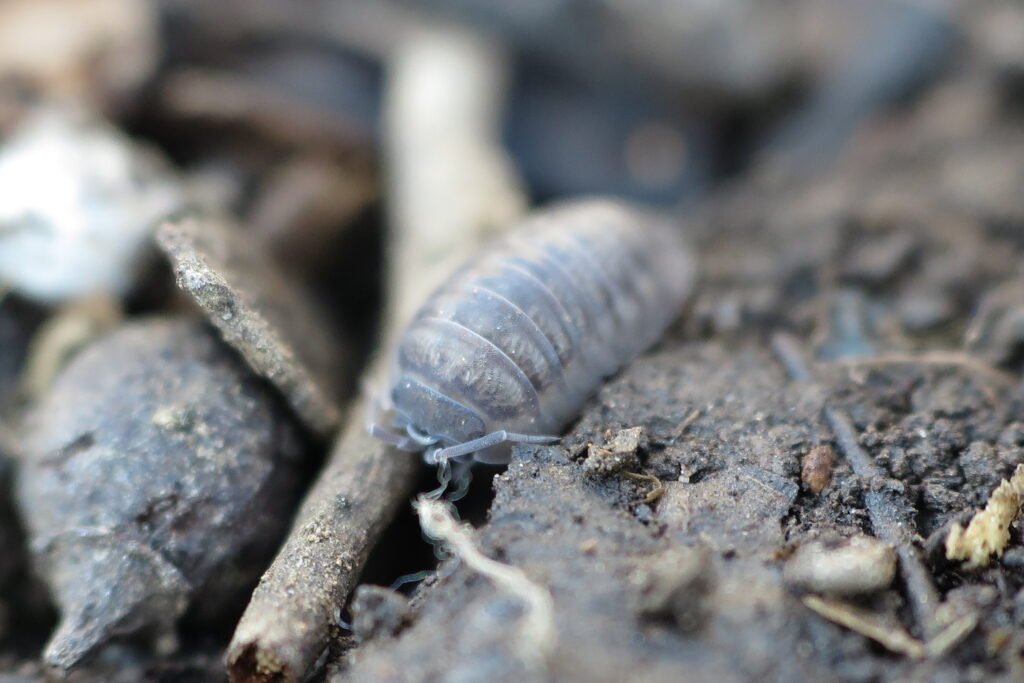
Decaying leaves form one of the primary food sources for Armadillidium vulgare throughout much of its range. Fallen leaf litter softens gradually as moisture and microbial activity begin breaking down plant tissue, creating material that woodlice can process more easily. Forest floors rich with decomposing leaves often support especially dense populations because food remains available across large areas.
Rotting wood and bark fragments are also commonly consumed, particularly in woodland environments where fallen logs remain damp for long periods. As wood begins decomposing, fungal growth and microbial activity soften the material and increase its nutritional value. Woodlice may slowly graze across these surfaces while removing tiny particles from the decaying layers beneath the bark.
Fungi and other decomposing organic growths contribute additional nutrients within the diet. In moist environments, fungal patches developing on leaves, wood, or soil surfaces may become feeding sites for multiple individuals at once. These softer materials are often easier to process than tougher plant structures and can provide important nutrients during active feeding periods.
Food availability may shift throughout the year depending on seasonal conditions and the amount of decomposing material present. During autumn, fresh accumulations of fallen leaves create abundant feeding opportunities, while warmer humid periods may accelerate fungal growth and decomposition rates. Younger individuals often feed on softer organic matter that is easier to process, while adults can consume tougher decomposing material as their exoskeleton and feeding structures fully develop.
Woodlouse Feeding Behavior and Survival Strategies
Woodlice forage slowly and methodically across surfaces while using their antennae to investigate nearby material. Their feeding style is based on constant surface exploration rather than rapid searching or aggressive competition. Individuals may spend long periods moving gradually through leaf litter or beneath logs while locating softened organic matter suitable for consumption.
Most feeding activity occurs during nighttime or humid conditions when moisture levels reduce the risk of drying out. During these periods, woodlice become more active along the ground surface and may travel farther from shelter while scavenging. Their slow pace resembles a tiny armored machine carefully inspecting every surface before continuing forward.
Competition for food is generally low because decomposing organic material is often widespread within suitable environments. Multiple individuals may feed within the same small area without displaying territorial aggression. Beneath a damp log, dozens of woodlice can sometimes be observed grazing quietly across the same decomposing material while rarely interacting directly with one another.
When resources become limited, woodlice survive by broadening the range of organic matter they consume. Individuals may shift toward older plant debris, heavily decomposed bark, or less nutritious organic material during drier or colder periods. This flexibility helps maintain survival even when preferred food sources decline temporarily. Rather than depending on speed, strength, or predatory instincts, woodlice succeed through persistence, efficient scavenging, and the ability to process a wide variety of decomposing material within their environment.
Popular Searches About Woodlouse
Explore Woodlouse Guide
Explore More Wildlife

Support Encounters World
Help support wildlife photography and get behind the scenes discoveries on Patreon.