
Land Planarian Predators Guide: What Eats Terrestrial Flatworms?
Quick Facts
Primary Predators: Birds, amphibians, reptiles, beetles, and small mammals
Most Vulnerable Life Stage: Eggs and juveniles
Defense Strategy: Mucus production, chemical defenses, and concealment
Predator Avoidance Method: Camouflage and sheltered locations
Food Web Role: Predator and prey species
Understanding Predators of the Land Planarian
Land planarians occupy a unique position within terrestrial ecosystems. While they are predators themselves, they also serve as prey for a variety of larger animals. This dual role places them within multiple levels of the food web and contributes to the balance of natural ecosystems.
These terrestrial flatworms occur throughout much of the world and encounter different predator communities depending on their location. A species living in a temperate forest may face different threats than one inhabiting a tropical environment. Despite these differences, many predator-prey relationships remain surprisingly similar across regions.
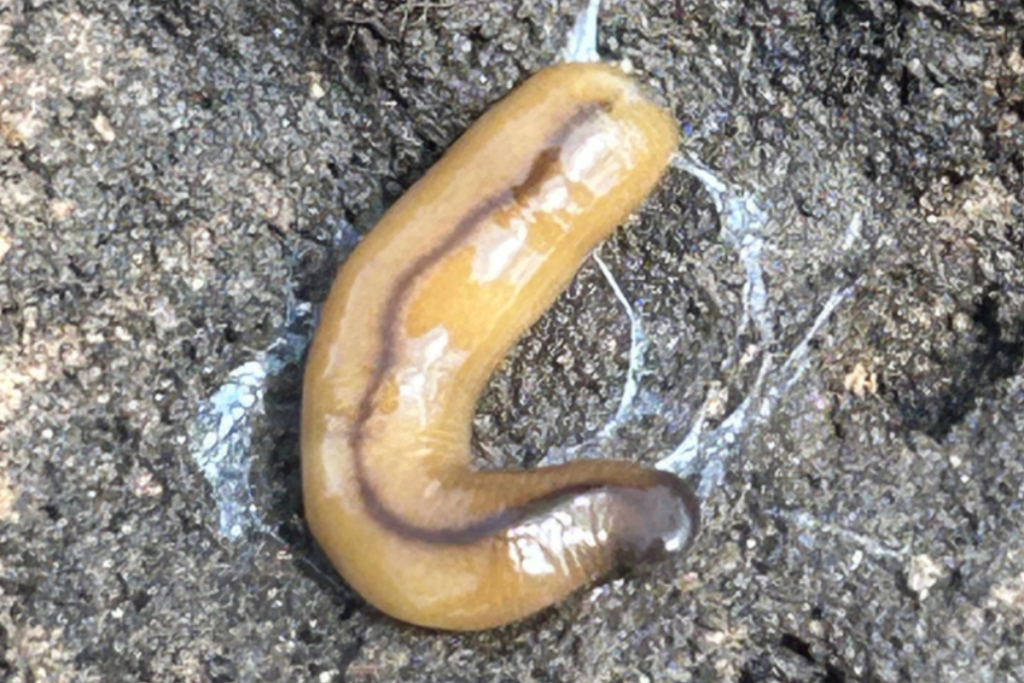
At first glance, a land planarian may seem like an easy target. Its soft body, slow movement, and lack of obvious defensive structures could suggest vulnerability. However, terrestrial flatworms possess several adaptations that help reduce predation and improve survival.
Predators play an important role in regulating populations of terrestrial flatworms. Without natural enemies, certain species could potentially become far more abundant than ecological conditions would normally allow. Predation helps maintain balance within soil and ground-level communities.
The relationship between predators and land planarians is not always straightforward. Some animals readily consume flatworms, while others avoid them because of chemical defenses or unfamiliar characteristics. These interactions influence how populations develop over time.
Understanding what eats terrestrial flatworms provides valuable insight into their ecological role. It also highlights the complexity of the hidden world beneath logs, stones, leaf litter, and other ground-level habitats where these interactions frequently occur.
Birds, Amphibians, and Vertebrate Predators
Birds are among the most common vertebrate predators capable of consuming terrestrial flatworms. Ground-foraging species often search beneath leaves, logs, and debris for invertebrates. During these searches, a land planarian may become an opportunistic food source.
Thrushes, robins, wrens, and other insect-eating birds occasionally encounter flatworms while investigating the forest floor. Their sharp vision and quick reactions allow them to locate prey that might otherwise remain hidden. However, not all birds readily consume terrestrial flatworms due to their defensive chemicals.
Amphibians also contribute to predation pressure. Frogs, toads, and salamanders frequently feed on soft-bodied invertebrates found in damp environments. Because these animals occupy similar areas, encounters with terrestrial flatworms occur naturally.
Small reptiles such as lizards may also prey upon land planarians when opportunities arise. Their diets often include a wide range of invertebrates, making terrestrial flatworms a potential food source. In warmer regions, reptile predation may represent an important ecological interaction.
Certain small mammals occasionally consume flatworms as well. Shrews, for example, actively hunt invertebrates and may encounter terrestrial flatworms while searching through leaf litter and soil. Their varied diet allows them to take advantage of numerous prey types.
Compared to larger prey animals, terrestrial flatworms provide only a modest food reward. Nevertheless, they remain part of the diet of several vertebrate groups and contribute to the transfer of energy through terrestrial food webs.
Invertebrate Predators That Hunt Land Planarians
Many of the most important predators of terrestrial flatworms are other invertebrates. Predatory beetles, centipedes, and certain spiders regularly hunt small animals living at ground level. These predators often share the same microhabitats as land planarians.
Ground beetles are particularly effective hunters. Their speed and powerful jaws allow them to capture a variety of prey. Juvenile flatworms may be especially vulnerable because of their smaller size and limited ability to escape.
Centipedes represent another significant threat. Equipped with venomous claws and fast-moving bodies, they are among the most formidable invertebrate predators found beneath logs and stones. A terrestrial flatworm encountered by a hunting centipede may have little opportunity to avoid capture.
Spiders also contribute to predation. Wandering species that actively patrol the ground surface occasionally encounter flatworms during their searches. Although some spiders may avoid chemically protected prey, others are capable of consuming terrestrial flatworms successfully.
Predatory mites and other small arthropods can affect eggs and newly emerged juveniles. These early life stages often lack the size and resilience of adults, making them more susceptible to attack. Predation during development can significantly influence survival rates.
The variety of invertebrate predators highlights the challenges faced by terrestrial flatworms throughout their lives. Even in seemingly protected environments, numerous hunters remain active and capable of exploiting opportunities when they arise.
Land Planarian Defenses Against Predators
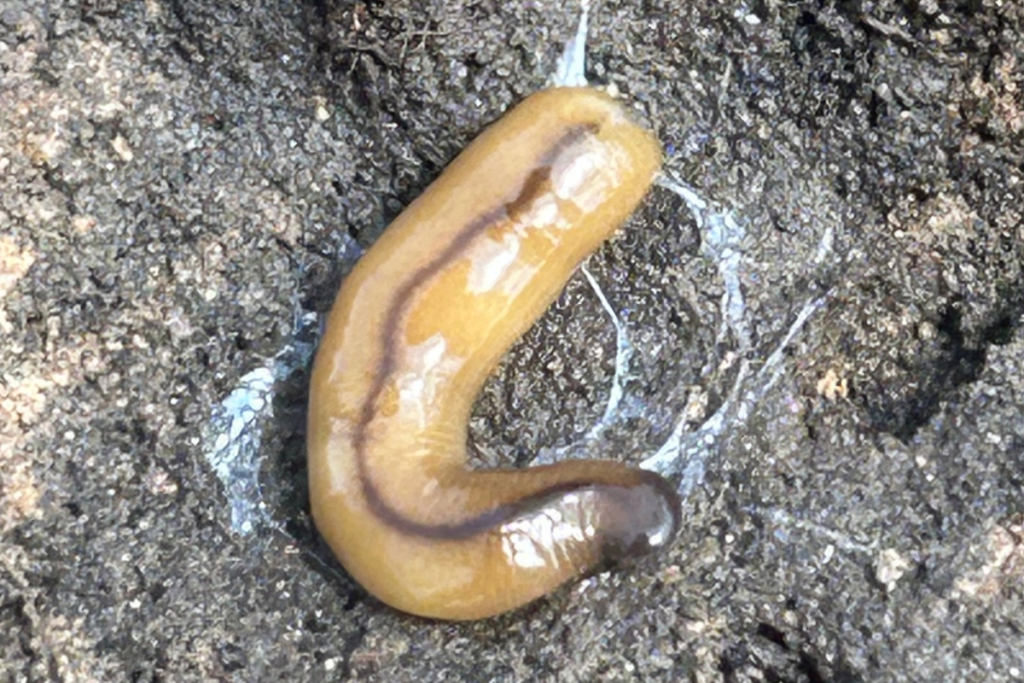
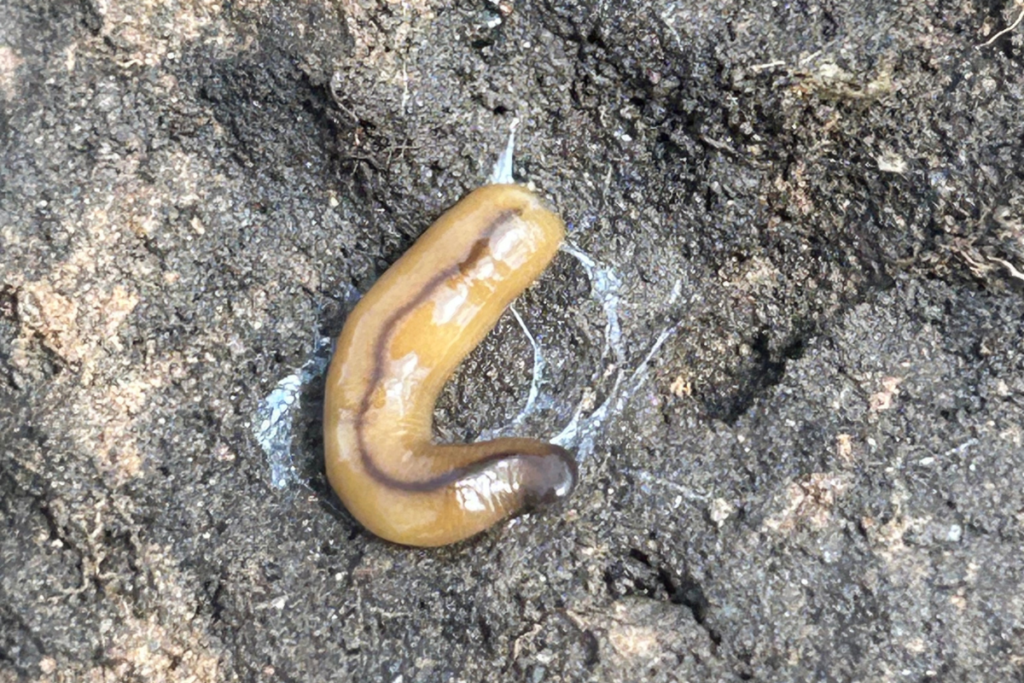
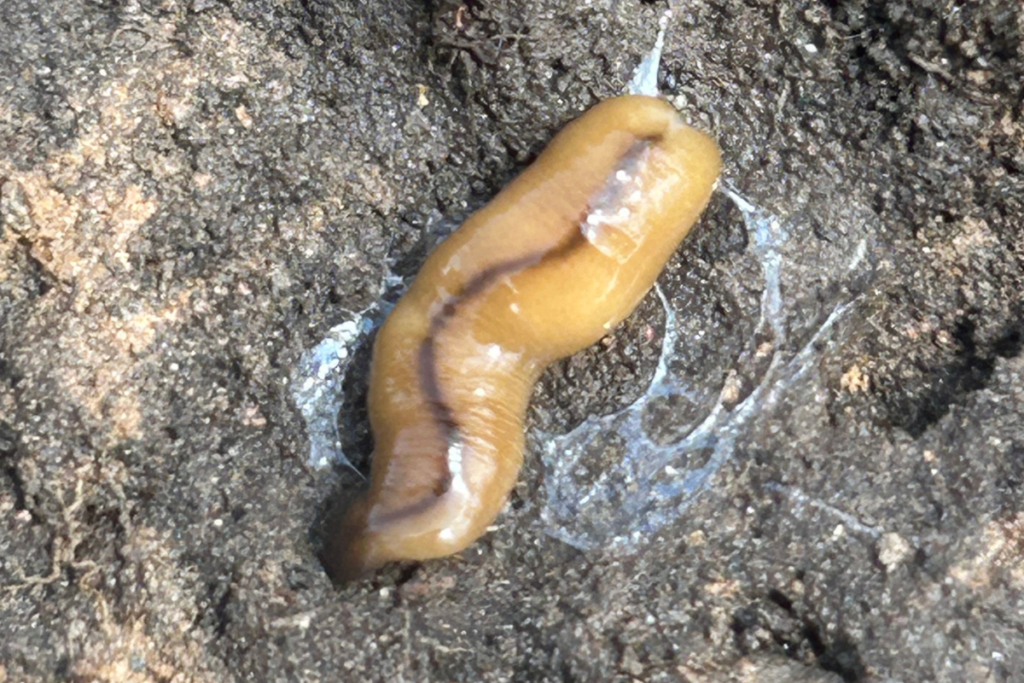
Despite facing many predators, terrestrial flatworms possess several adaptations that improve their chances of survival. One of the most important is mucus production. The slippery coating covering the body can make handling more difficult and may discourage some predators from consuming them.
Chemical defenses provide an additional layer of protection. Certain species produce compounds that make them less appealing or more difficult to eat. These chemicals do not make the flatworms invincible, but they can reduce predation from animals that learn to avoid them.
Camouflage also plays an important role. Many terrestrial flatworms display colors that blend naturally with soil, bark, leaves, and decaying organic material. This concealment reduces the likelihood of detection before a predator gets close.
The flattened body shape contributes to survival as well. By remaining close to surfaces and occupying narrow spaces, flatworms can access refuges unavailable to many predators. Cracks, crevices, and tight spaces often provide valuable protection.
Regeneration offers another remarkable advantage. Some species can recover from injuries that would be fatal to many other animals. Although regeneration does not prevent predation, it can improve survival following non-lethal attacks.
A useful comparison is to think of terrestrial flatworms as relying on multiple layers of defense rather than a single protective feature. Instead of armor or speed, they combine camouflage, chemical protection, mucus production, and regenerative abilities. Together, these adaptations help explain how such soft-bodied animals continue to survive despite facing numerous predators throughout their range.
Popular Searches About Land Planarians
Explore Land Planarian Guide
Explore More Wildlife

Support Encounters World
Help support wildlife photography and get behind the scenes discoveries on Patreon.