
Land Planarian Facts Guide: Fascinating Facts About Terrestrial Flatworms
Quick Facts
Animal Type: Flatworm
Average Size: 1–12 inches (2.5–30 cm) depending on species
Global Range: Worldwide
Body Shape: Flattened and ribbon-like
Most Famous Trait: Regenerative abilities
Surprising Facts About Land Planarians
Land planarians are among the most unusual animals that many people have never heard of. Although they are commonly called terrestrial flatworms, they belong to an ancient group of animals that evolved long before many modern vertebrates appeared. Their simple appearance often hides a surprisingly complex biology.
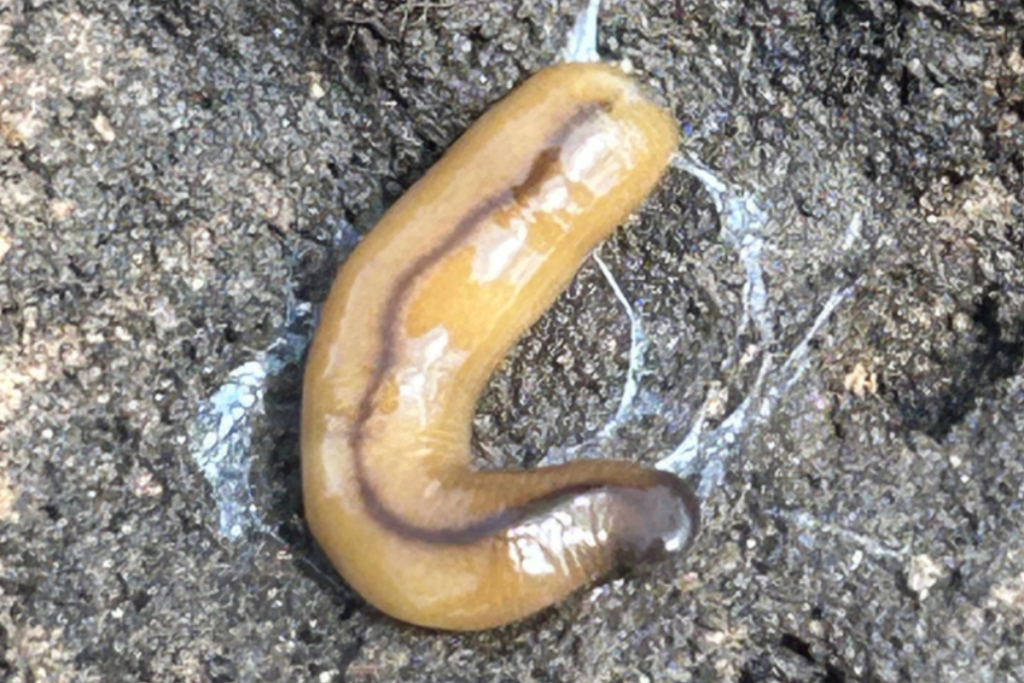
Unlike earthworms, land planarians are not segmented. Their bodies remain smooth and flattened from head to tail, creating a ribbon-like appearance that immediately distinguishes them from many other worm-shaped animals. This unique structure is one of the easiest ways to identify them.
Species of terrestrial flatworms occur on nearly every continent. Some inhabit tropical forests, while others survive in temperate regions with seasonal changes. Their worldwide distribution demonstrates an impressive ability to adapt to different environmental conditions.
Many people first encounter a land planarian while lifting a rock, moving a log, or working in a garden. Because they spend much of their lives hidden from view, sightings often feel unexpected. This secretive lifestyle contributes to the mystery surrounding these unusual animals.
Despite their simple body design, land planarians have attracted scientific attention for decades. Researchers continue studying them to better understand regeneration, development, and adaptation. Few invertebrates have contributed as much to regeneration research.
Their appearance often creates confusion as well. New observers frequently mistake them for slugs, leeches, or earthworms. Once their flattened shape is recognized, however, they become much easier to identify.
Incredible Physical Facts About Terrestrial Flatworms
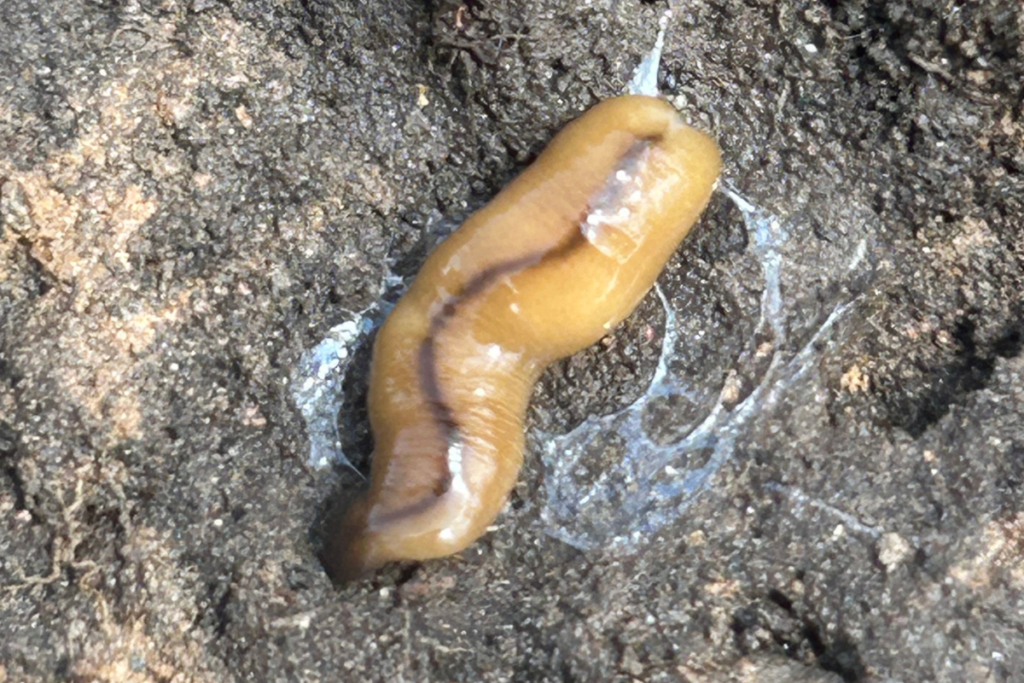
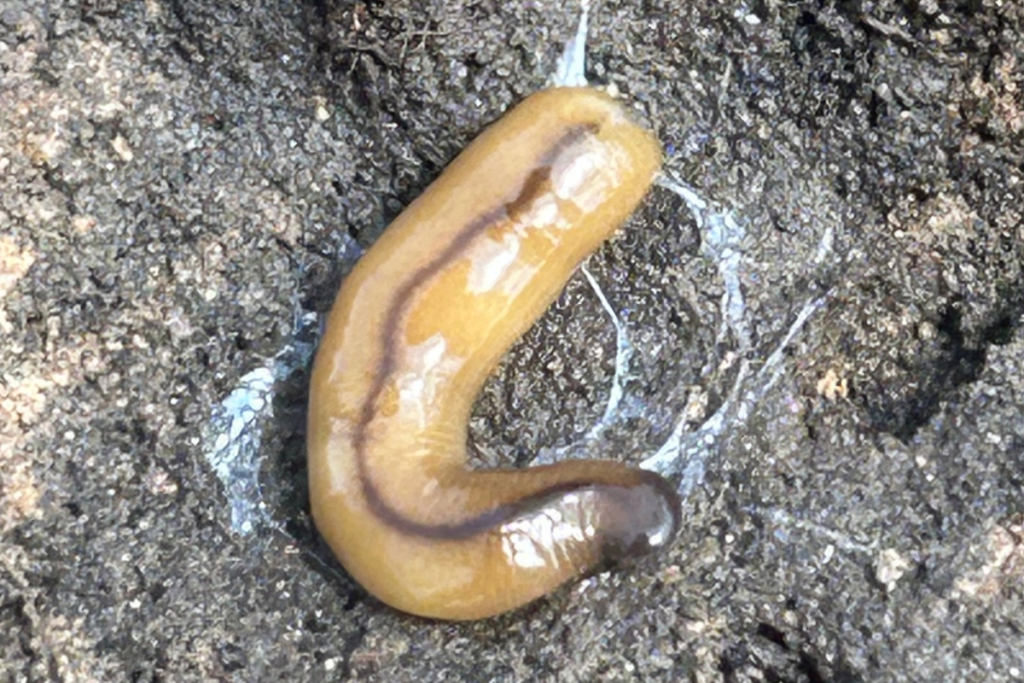
One of the most remarkable facts about land planarians is that they lack a rigid skeleton. Their bodies are entirely soft and supported by internal tissues rather than bones or hard external coverings. This design allows them to move through spaces inaccessible to many other animals.
The flattened body shape is more than just a visual characteristic. It increases surface area and contributes to the unique appearance that gives flatworms their name. Viewed from above, many species resemble a living ribbon stretched across the ground.
Coloration varies dramatically among species. Some are dark brown or black, while others display stripes, bands, or contrasting patterns. Certain species even possess markings that make them appear surprisingly decorative for soil-dwelling animals.
The body surface is coated in mucus, giving many individuals a glossy appearance. In sunlight, this moisture can create a reflective sheen that makes the animal stand out against surrounding leaves or soil. This glossy texture is one of the most recognizable features of terrestrial flatworms.
Head shape also differs between species. Some possess rounded front ends, while others have widened or shovel-like heads. Hammerhead worms represent one of the most famous examples of specialized head structure within the group.
A useful comparison is to think of a land planarian as a living strip of soft rubber. Its body remains flexible, smooth, and highly adaptable to uneven terrain. This combination of characteristics helps explain why terrestrial flatworms look unlike almost any other animal encountered outdoors.
Amazing Biological Facts About Land Planarians
Perhaps the most famous fact about land planarians involves regeneration. Certain species can replace damaged tissues and recover from injuries that would be fatal to many animals. This ability has fascinated scientists for generations and continues to be an active area of research.
Unlike butterflies or flies, terrestrial flatworms do not undergo complete metamorphosis. Young individuals emerge as miniature versions of adults and gradually increase in size as they mature. This direct development creates a life cycle very different from many familiar invertebrates.
Most land planarians are hermaphroditic. This means each individual possesses both male and female reproductive structures. Such flexibility improves reproductive opportunities and contributes to population success.
Their nervous systems are relatively simple compared to vertebrates, yet they remain highly effective. Land planarians can respond to environmental changes, locate resources, and navigate their surroundings using specialized sensory abilities. Simplicity does not prevent them from functioning successfully within complex ecosystems.
Many species are surprisingly long-lived for invertebrates of their size. Depending on environmental conditions and species, individuals may survive for several years. This longevity provides multiple opportunities for reproduction throughout their lives.
Scientists often use flatworms in biological studies because of their regenerative abilities. Research involving these animals has improved understanding of tissue growth, cellular repair, and developmental processes. Their contributions extend far beyond the ecosystems where they naturally occur.
Ecological and Wildlife Facts About Land Planarians
Land planarians occupy an important position within terrestrial food webs. They interact with numerous other invertebrates and contribute to the complexity of soil-level ecosystems. Even though they are rarely noticed, their ecological influence can be significant.
Unlike earthworms, which primarily function as decomposers, many terrestrial flatworms act as predators. This places them at a different trophic level and gives them a distinct ecological role. Their presence influences the populations of various ground-dwelling organisms.
At the same time, land planarians are prey for a variety of larger animals. Birds, amphibians, reptiles, and predatory invertebrates may consume them under suitable conditions. This makes them an important link in the transfer of energy through ecosystems.
Some species have become well known because they spread beyond their native range. Introduced terrestrial flatworms have established populations in several parts of the world. These expansions have increased scientific interest in their ecological effects.
A fascinating fact is that many people unknowingly share their gardens and parks with terrestrial flatworms. Because the animals remain hidden beneath cover objects, they often go unnoticed despite being present. Careful observation is usually required to find them.
Perhaps the most surprising fact of all is that such a simple-looking animal possesses so many unusual biological traits. Regeneration, hermaphroditism, a flattened body design, and worldwide distribution combine to make land planarians some of the most fascinating invertebrates found in terrestrial ecosystems.
Popular Searches About Land Planarians
Explore Land Planarian Guide
Explore More Wildlife

Support Encounters World
Help support wildlife photography and get behind the scenes discoveries on Patreon.