
Canada Goose Migration Guide: Routes, Seasons, and Long-Distance Travel
Quick Facts
Migration Type: Partial Migrant
Migration Season: Fall and Spring
Travel Method: Sustained Flight
Typical Formation: V Formation
Migration Distance: Several Hundred to Thousands of Miles
Navigation Method: Landmarks, Sun, and Magnetic Cues
Canada Goose Migration Overview
The Canada Goose (Branta canadensis) is one of North America’s most recognizable migratory birds. Large flocks traveling overhead during autumn and spring have become one of the strongest visual signs of changing seasons. Their loud calls and organized flight formations make migration one of the species’ most fascinating behaviors.
Migration occurs throughout much of the species’ range, particularly among northern populations that experience severe winters. Birds breeding in Canada and northern states often travel south as temperatures decline. Southern populations may remain in the same areas year-round and migrate very little.
A clear autumn sky frequently provides the setting for migration observations. Long lines of geese moving overhead create scenes that have inspired people for generations. Their calls often reach observers long before the birds themselves become visible.
Migration can be compared to an annual journey that repeats throughout the bird’s lifetime. The same populations often travel similar routes each year, moving between breeding and wintering grounds. These seasonal movements allow geese to take advantage of favorable conditions throughout the year.
Canada Goose Migration Patterns and Seasonal Movement
Canada Goose migration varies considerably across North America. Northern populations typically travel the greatest distances because winter conditions make food and open water difficult to find. Birds from southern regions may migrate shorter distances or remain resident throughout the year.
Autumn migration generally begins as temperatures cool and daylight decreases. Flocks gradually move southward, stopping along lakes, rivers, and agricultural areas. These resting areas provide opportunities to feed and regain energy before continuing the journey.
Spring migration follows a different pattern. Birds return north as temperatures increase and breeding areas become accessible. The timing of these movements often depends upon weather conditions and the availability of open water.
Compared to species that undertake nonstop migrations, Canada Geese frequently travel in stages. Resting and feeding areas along migration routes allow birds to conserve energy. This strategy reduces the physical demands associated with long-distance travel.
Some populations have become year-round residents in urban areas where food and open water remain available. These nonmigratory geese demonstrate the flexibility of the species. Migration therefore varies considerably depending upon local conditions and geographic location.
Canada Goose Flight and Migration Behavior
One of the most recognizable aspects of migration is the V-shaped flight formation. Birds position themselves behind one another to reduce air resistance and conserve energy. This arrangement allows the flock to travel more efficiently during long flights.
Leadership within the formation frequently changes. The bird at the front experiences the greatest resistance and eventually falls back while another goose assumes the leading position. This rotation distributes energy demands among flock members.
Flight speed during migration often ranges between 40 and 60 miles per hour. Favorable winds may increase travel speed, while poor weather can slow movement. Large flocks may cover hundreds of miles in a single day under suitable conditions.
The formation can be compared to cyclists riding in a line to reduce wind resistance. Each bird benefits from the movement of the individual ahead. This cooperative flight strategy contributes greatly to migration efficiency.
Vocal communication remains important during travel. Honking helps maintain flock cohesion and allows birds to coordinate movement. These calls also assist individuals in maintaining their position within the formation.
Weather strongly influences migration activity. Favorable winds, clear skies, and stable conditions often encourage movement, while storms may delay flights. Birds frequently wait for suitable conditions before continuing their journey.
Canada Goose Navigation and Survival During Migration
Canada Geese rely upon several methods to navigate during migration. Landmarks such as rivers, coastlines, and mountain ranges help guide movement. Familiar routes often become established over generations.
The position of the sun and internal biological rhythms may also contribute to navigation. Research suggests that many migratory birds use multiple environmental cues to determine direction. These mechanisms help maintain accurate travel routes.
Earth’s magnetic field is believed to play a role as well. Specialized sensory abilities may allow birds to detect magnetic information during migration. This natural guidance system assists navigation even when visual landmarks are unavailable.
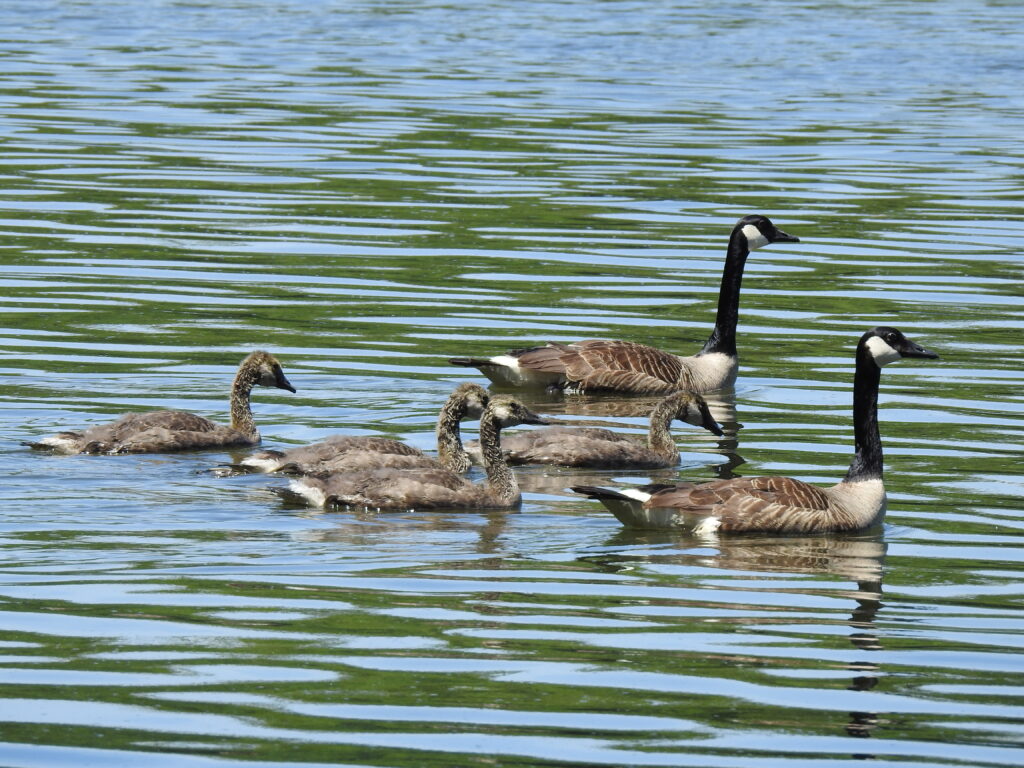
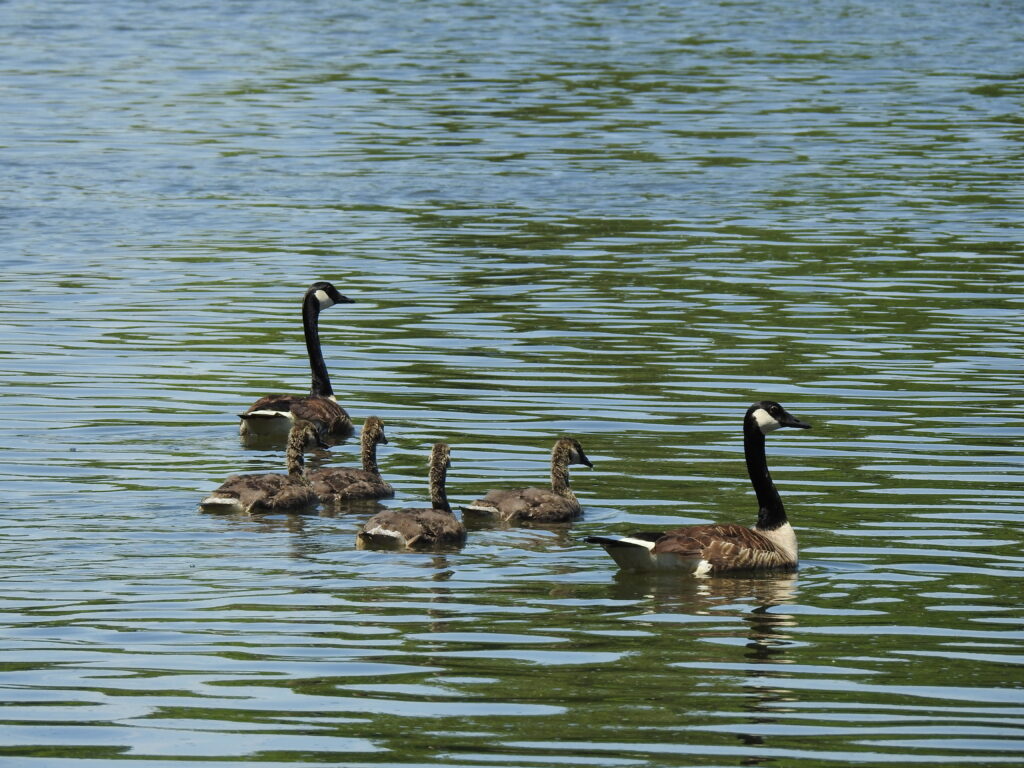
Young geese often migrate alongside experienced adults during their first journeys. These family groups provide opportunities for younger birds to learn migration routes. Knowledge passed between generations helps maintain traditional flyways.
Migration presents numerous challenges. Severe weather, predators, habitat loss, and exhaustion all create risks during long-distance travel. Resting areas become critically important because they provide food and shelter along migration routes.
A useful comparison can be made to travelers using highways, maps, and landmarks during long journeys. Canada Geese combine multiple forms of navigation while stopping periodically to rest. This strategy increases the likelihood of successful migration.
The annual migration of the Canada Goose remains one of the most impressive wildlife events in North America. Through coordinated flight, efficient navigation, and strong family bonds, these birds travel immense distances each year. Their seasonal journeys continue to connect northern breeding grounds with southern wintering areas across the continent.
Popular Searches About Canada Goose
Explore Canada Goose Guide
Explore More Wildlife

Support Encounters World
Help support wildlife photography and get behind the scenes discoveries on Patreon.