
Canada Goose Communication Guide: Honking, Calls, and Social Signals
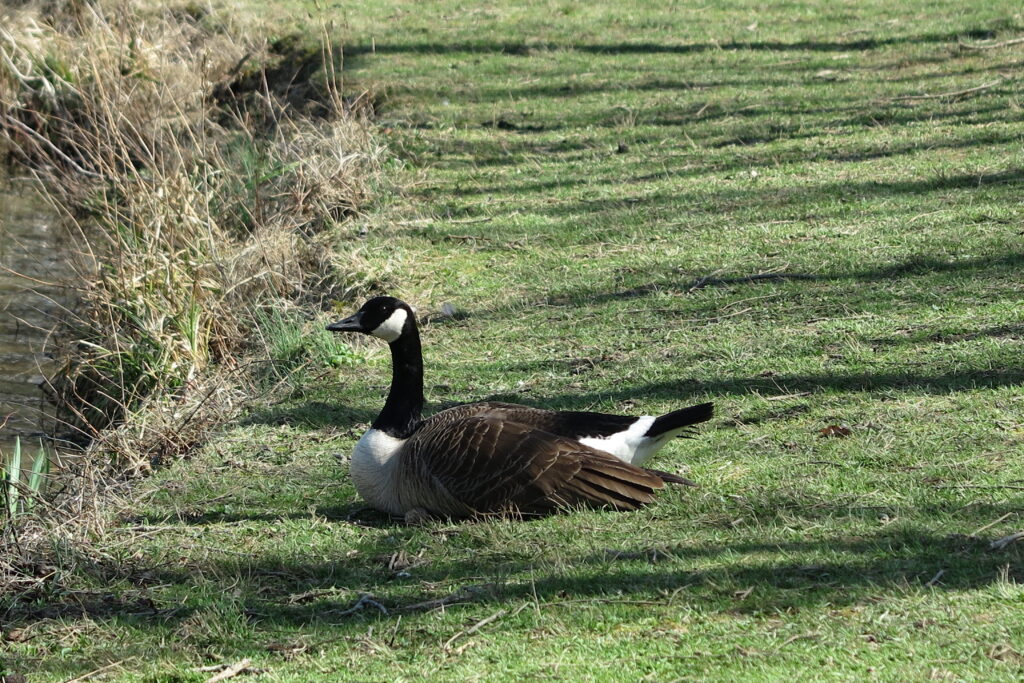
Quick Facts
Primary Communication Method: Vocal Calls
Most Recognizable Sound: Honking
Communication Distance: Several Miles During Flight
Social Communication: Highly Developed
Visual Signals: Neck Posture and Body Displays
Family Recognition: Vocal and Visual Cues
Canada Goose Communication Overview
The Canada Goose (Branta canadensis) is one of the most vocal waterfowl species in North America. Its familiar honking calls are heard across lakes, wetlands, rivers, fields, and urban ponds throughout much of the year. These sounds serve important purposes that extend far beyond simple noise.
Communication begins early in life and continues throughout every stage of development. Goslings learn to recognize parental calls, while adults use vocalizations to maintain contact with mates and flock members. This constant exchange of information helps maintain the strong social structure of the species.
Many people first notice Canada Geese through sound rather than sight. A migrating flock often announces its arrival long before the birds become visible against the sky. Their calls create one of the most recognizable natural sounds of spring and autumn.
The communication system of Canada Geese can be compared to a conversation taking place within a large family. Individual birds constantly exchange information about movement, danger, and group cohesion. These signals allow the flock to function as a coordinated unit.
Throughout North America, both resident and migratory populations rely heavily on vocal and visual communication. Whether resting on a pond or flying overhead, geese remain connected through an impressive system of calls and body language.
Canada Goose Vocalizations and Honking Calls
The classic honking call serves as the best-known sound produced by Canada Geese. This deep, resonant vocalization carries considerable distances and allows flock members to maintain contact. The sound often varies slightly between individuals.
Different calls serve different purposes. Shorter calls may occur during feeding or movement, while louder and repeated vocalizations often signal excitement or alertness. These variations allow birds to communicate changing conditions.
Flight calls are especially important during migration. Birds flying within V formations continuously vocalize to maintain coordination and group spacing. The sounds help individuals remain connected even when visibility becomes limited.
The volume of a flock can resemble an outdoor conversation among dozens of people speaking simultaneously. Each bird contributes to the overall communication system. This constant vocal activity helps maintain organization during movement.
Young birds also vocalize frequently. Goslings produce softer peeping calls that allow them to remain connected with parents and siblings. Adults respond to these sounds, helping maintain family cohesion.
The distinctive quality of Canada Goose calls makes the species recognizable even at night or during poor weather. Few North American birds produce vocalizations that are as familiar or as easily identified.

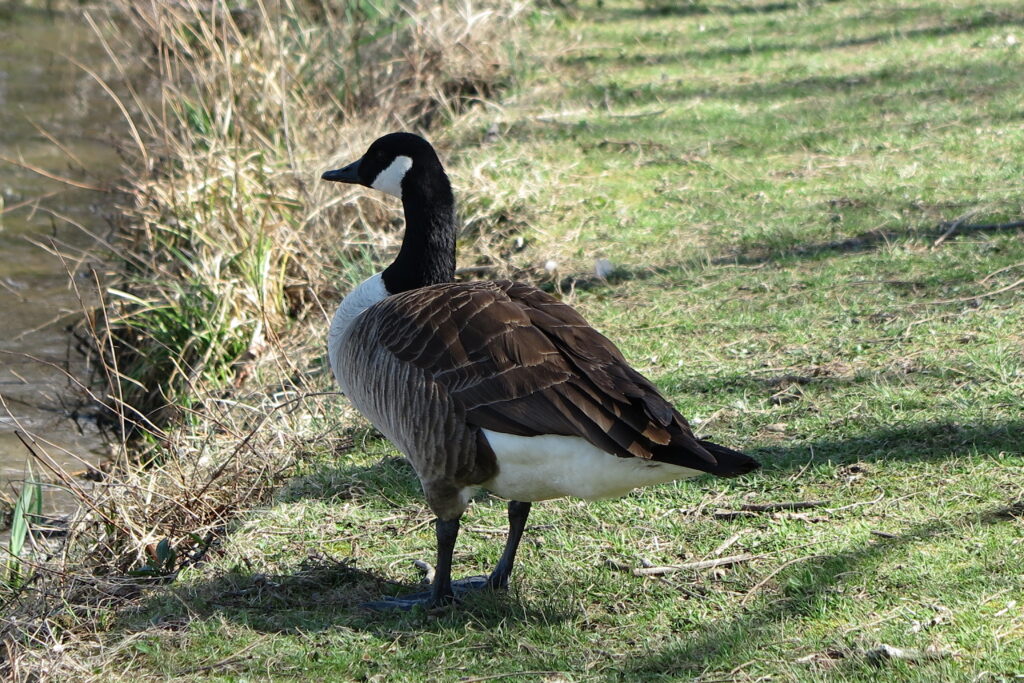
Visual Communication and Body Language
Canada Geese rely on much more than sound. Body posture provides important information that other birds quickly understand. The position of the neck often communicates emotional state and awareness.
An upright neck frequently indicates alertness. Birds scanning their surroundings often stretch the neck vertically while observing nearby activity. This posture may encourage nearby flock members to become attentive as well.
Lowered heads and forward neck positions often signal defensive behavior. During confrontations, geese use body position to warn perceived threats before physical contact occurs. These visual displays frequently prevent direct conflict.
Wing movements also contribute to communication. Partial wing spreading may signal excitement, territorial behavior, or agitation. These movements make the bird appear larger and more noticeable to nearby individuals.
The body language of Canada Geese can be compared to human facial expressions and gestures. People communicate through posture and movement, and geese use similar visual signals to convey information. Many interactions occur without vocalizations.
Groups often respond immediately to the posture of a single bird. One alert individual may cause an entire flock to raise their heads simultaneously. This rapid transfer of information increases group awareness.
Family Communication and Survival Signals
Communication between adults and goslings represents one of the most important aspects of Canada Goose behavior. Parents use vocalizations to guide young birds and maintain contact during movement. Goslings quickly learn to recognize these calls.
Family groups often remain closely connected through sound. Soft contact calls help maintain cohesion while traveling or resting. These signals reduce the risk of separation among young birds.
Alarm calls play a critical role in survival. When adults detect potential danger, loud vocalizations alert nearby birds. The entire family often responds immediately to these warnings.
A practical example occurs when a predator approaches a shoreline. Adults begin vocalizing while guiding goslings toward safety. These coordinated responses demonstrate the importance of communication within the family group.
Communication also contributes to flock survival during migration and winter. Large groups rely on vocal contact to maintain organization and coordinate movement. This system allows hundreds of birds to function together efficiently.
The communication abilities of Canada Geese can be compared to a team using radios during a long journey. Constant information sharing allows the group to react quickly and remain organized. Without these signals, flock cohesion would become much more difficult.
Through vocal calls, body language, family signals, and flock communication, Canada Geese have developed one of the most advanced communication systems among North American waterfowl. Their familiar honking serves as only one part of a complex network of sounds and visual displays that support survival, family bonds, and social organization throughout their lives.

Popular Searches About Canada Goose
Explore Canada Goose Guide
Explore More Wildlife

Support Encounters World
Help support wildlife photography and get behind the scenes discoveries on Patreon.