
Canada Goose Facts Guide: Interesting Facts, Unique Traits, and Surprising Discoveries
Quick Facts
Scientific Name: Branta canadensis
Common Name: Canada Goose
Average Wingspan: 50–73 inches
Maximum Lifespan: Over 25 Years
Migration Distance: Up to Several Thousand Miles
Most Famous Trait: Distinctive Honking Calls
Fascinating Canada Goose Facts Overview
The Canada Goose (Branta canadensis) is one of the most recognizable birds in North America. Its loud calls, large flocks, and seasonal migrations have made it familiar to millions of people. Despite this familiarity, many aspects of its life remain surprising.
The species belongs to the waterfowl family Anatidae, which also includes ducks and swans. Although many people simply refer to them as “geese,” Canada Geese represent a highly successful species that has adapted to a remarkable range of environments. Their widespread distribution has made them one of the most studied birds on the continent.
Large flocks flying overhead often signal changing seasons. Their presence has become associated with autumn migration, spring arrivals, and the natural rhythms of the year. Few birds are so closely connected to seasonal change.
The Canada Goose can be compared to the white-tailed deer of the bird world. Both species are highly adaptable, widely distributed, and easily recognized by the general public. Their success has allowed them to thrive in both natural and developed environments.
Even people who rarely watch wildlife can identify a Canada Goose. Its combination of appearance, sound, and social behavior has made it one of North America’s most familiar birds.
Amazing Canada Goose Physical Facts
One of the most impressive facts about Canada Geese is their size. Adults may weigh between six and twenty pounds depending on sex and population. Their wingspan can exceed six feet, making them one of the largest commonly observed waterfowl species.
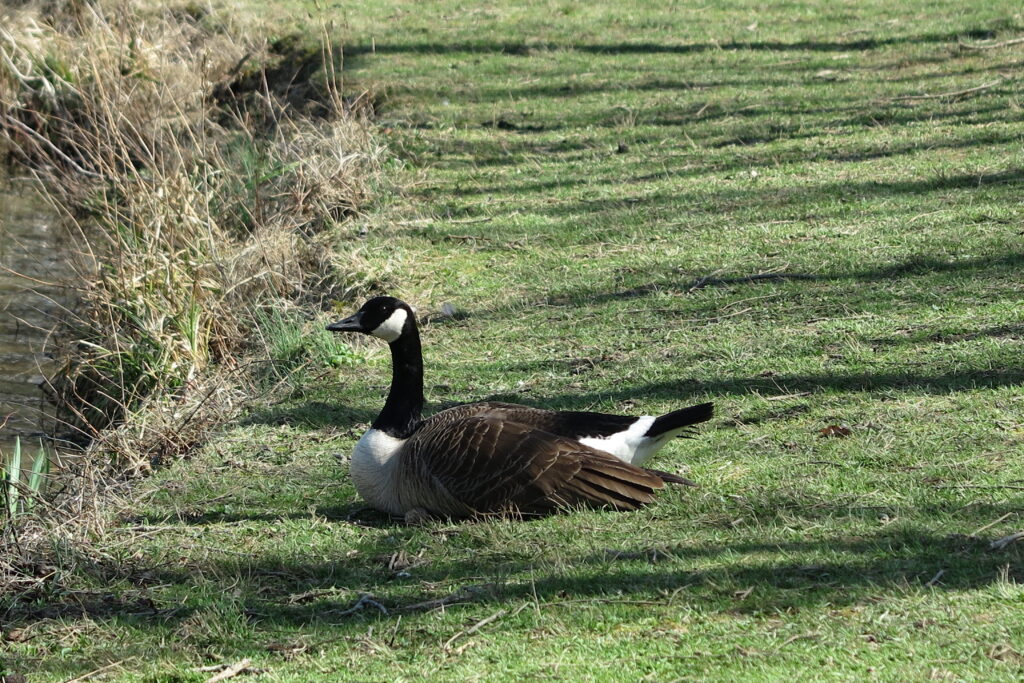
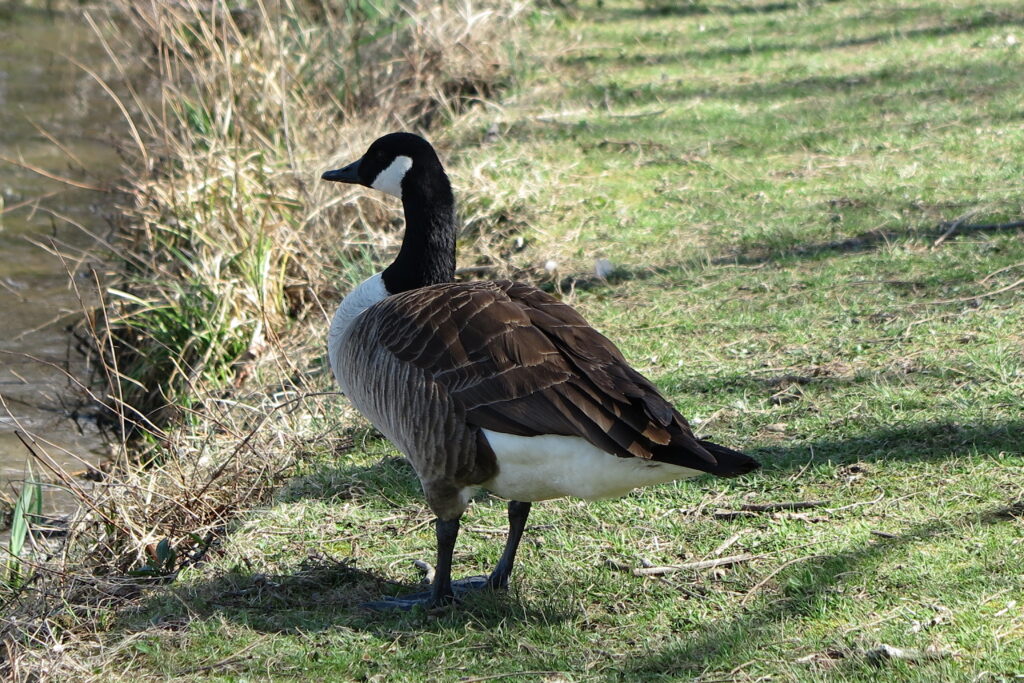
The famous white cheek patch serves as one of the easiest field marks in North America. Few other birds display such a bold facial pattern. This marking allows identification even at considerable distances.
Their feathers provide excellent insulation against cold temperatures. Dense layers of down beneath the outer feathers help the birds survive harsh winters. This insulation allows northern populations to endure extremely cold environments.
The species includes several subspecies that differ in size and appearance. Northern populations often appear larger, while some southern birds remain noticeably smaller. These differences developed as populations adapted to various regions.
The long neck functions much like a periscope, allowing the bird to monitor its surroundings while resting or feeding. This feature contributes greatly to the species’ recognizable appearance. Combined with their large body size, it creates one of the most distinctive silhouettes among North American birds.

Surprising Canada Goose Behavior Facts
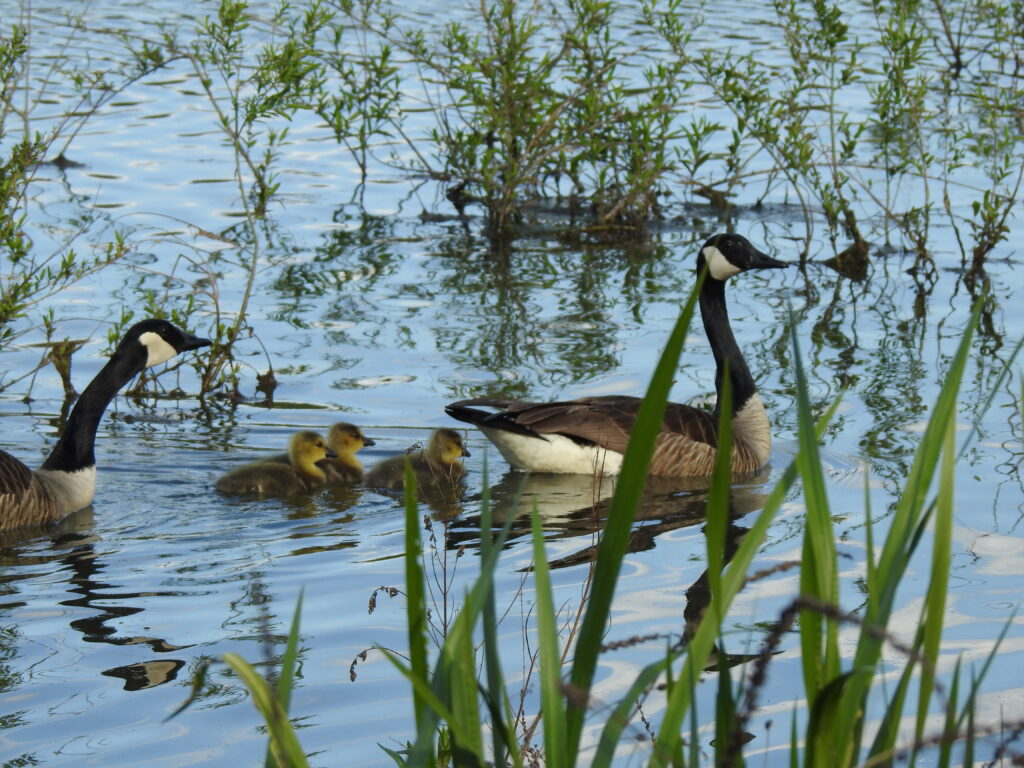
Canada Geese frequently form long-term pair bonds. Many pairs remain together for years and sometimes for life. These strong relationships contribute to successful breeding and family stability.
Young birds often stay with their parents for several months after hatching. Family groups may travel together during migration and winter before the young become independent. This extended parental care is unusual among many bird species.
The species is famous for its V-shaped flight formations. Birds flying behind one another reduce air resistance and conserve energy. Scientists believe this formation allows the flock to travel more efficiently during long journeys.
Canada Geese also communicate constantly through vocalizations. Their familiar honking helps maintain contact between flock members. Different calls may communicate movement, danger, or social interactions.
A flock of geese can resemble a highly organized team working together toward a common goal. Individual birds respond to the actions of others while maintaining group cohesion. This cooperation contributes significantly to their success.
Some populations no longer migrate at all. Urban and suburban geese may remain in the same areas throughout the year if food and open water remain available. This flexibility demonstrates the adaptability of the species.
Canada Goose Ecology and Historical Facts
Canada Geese were once heavily reduced in some regions because of hunting and habitat loss. Conservation efforts, hunting regulations, and habitat protection helped many populations recover. Today, the species remains abundant throughout much of its range.
The bird appears in the folklore and traditions of numerous Indigenous cultures throughout North America. Their seasonal movements served as important indicators of environmental change. Many communities recognized the arrival and departure of geese as significant annual events.
Introduced populations have become established outside North America. Canada Geese now occur in parts of Europe and New Zealand, where they have successfully adapted to local environments. Their ability to thrive in new areas demonstrates their environmental flexibility.
The species plays an important ecological role by transporting nutrients, influencing vegetation, and serving as prey during certain life stages. Their movements connect wetlands, grasslands, and agricultural landscapes. These interactions contribute to ecosystem function.
One surprising fact is that a migrating flock may travel hundreds of miles in a single day. Favorable weather conditions and strong tailwinds can allow remarkable travel distances. Their endurance places them among the most impressive migratory birds.
Another interesting fact involves their lifespan. Wild individuals may survive more than twenty years, allowing some birds to experience numerous migrations and breeding seasons. Their longevity contributes to the strong pair bonds and family structures seen within the species.
The Canada Goose remains one of the most fascinating birds in North America. Its migration, social behavior, adaptability, and recognizable appearance have made it both scientifically important and culturally significant. Even after centuries of observation, these birds continue to reveal new and interesting facts about their remarkable lives.
Popular Searches About Canada Goose
Explore Canada Goose Guide
Explore More Wildlife

Support Encounters World
Help support wildlife photography and get behind the scenes discoveries on Patreon.