Black Rat Snake Habitat Guide: Where Black Rat Snakes Live in North America
Quick Facts
Primary Habitat: Deciduous forests and woodland edges
Secondary Habitat: Farmland, rocky hillsides, barns, wetlands, and suburban woodlots
Climate Preference: Temperate climates with warm summers and seasonal winters
Environment Type: Mixed terrestrial environments with cover and climbing structure
Elevation / Depth Range: Sea level to mountainous elevations over 6,000 feet
Geographic Distribution: Eastern United States and surrounding regions of eastern North America
Introduction to the Black Rat Snake’s Natural Environment
The Black Rat Snake is one of the most widespread large snakes across eastern North America, occupying a broad variety of landscapes throughout its range. From heavily forested hillsides to farmland and suburban woodland edges, the species has adapted to environments that provide shelter, climbing structure, and seasonal temperature variation. Its broad distribution has made it one of the most commonly encountered nonvenomous snakes in the eastern United States.
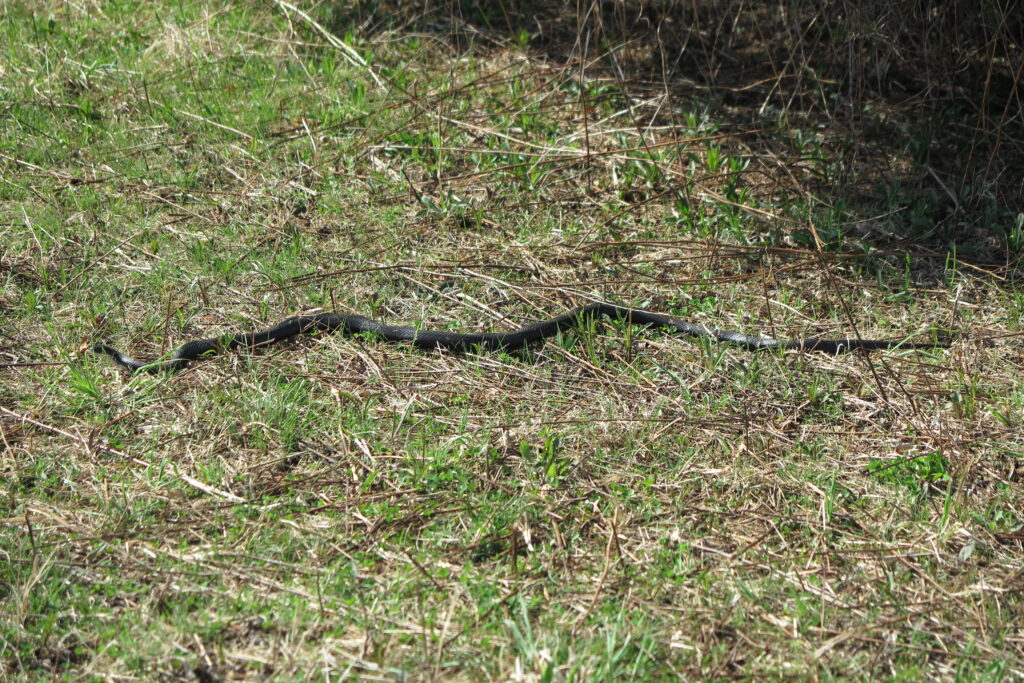
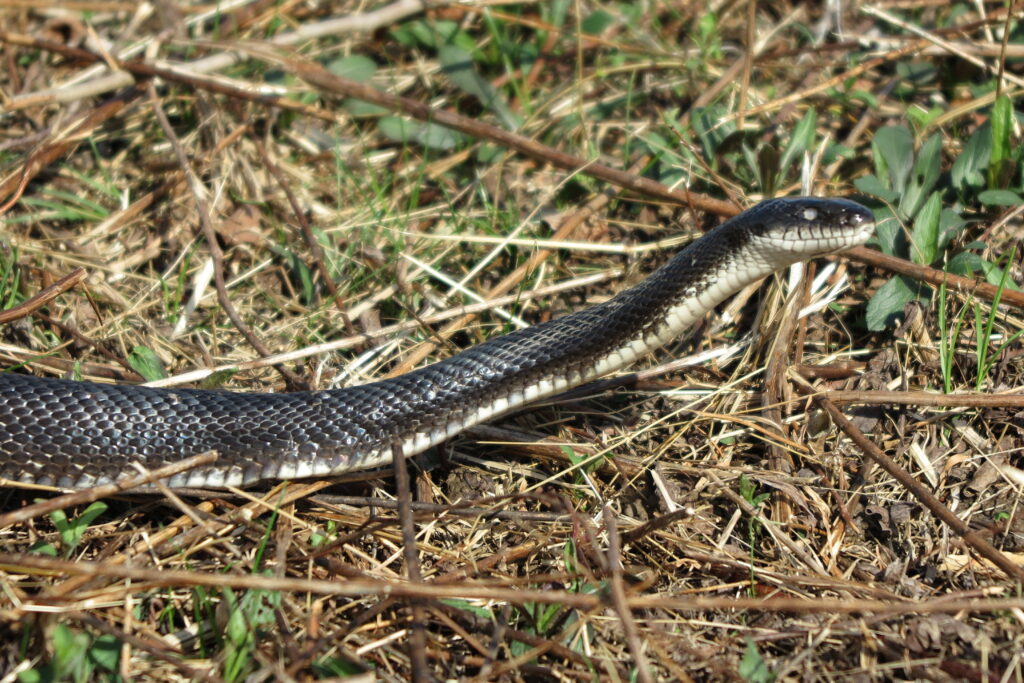
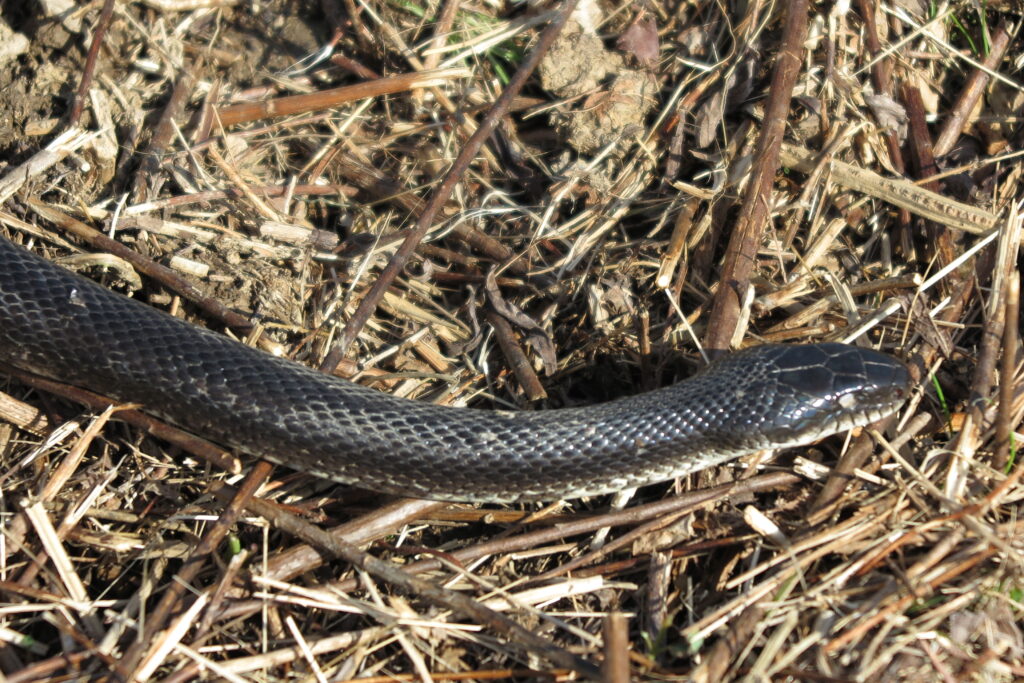
Black Rat Snakes are especially associated with landscapes containing a mix of open areas and dense natural cover. Their dark coloration allows them to blend into shadows, bark, rocks, and leaf litter while moving through woodland terrain. Many sightings occur near fallen logs, rocky outcrops, tree lines, and old structures where cover remains abundant.
Although strongly tied to natural habitats, the species also tolerates moderate human development surprisingly well. Barns, sheds, abandoned buildings, and rural properties frequently provide shelter opportunities while still remaining connected to surrounding vegetation. This adaptability allows Black Rat Snakes to remain successful across changing environments.
Seasonal environmental shifts strongly influence how these snakes appear within the landscape. Warm spring and summer months bring increased visibility, while colder seasons push individuals toward protected overwintering sites hidden beneath rocks, crevices, and underground spaces. Across all seasons, however, the Black Rat Snake remains closely tied to environments rich in cover and environmental structure.
Black Rat Snake Habitat Overview Across Its Geographic Range
Black Rat Snakes occupy a remarkably broad range of environments across eastern North America, making them one of the region’s most adaptable snake species. Their distribution extends through forests, rolling hills, farmland, woodland edges, wetlands, and suburban landscapes. Few large nonvenomous snakes tolerate such a wide variety of terrain conditions.
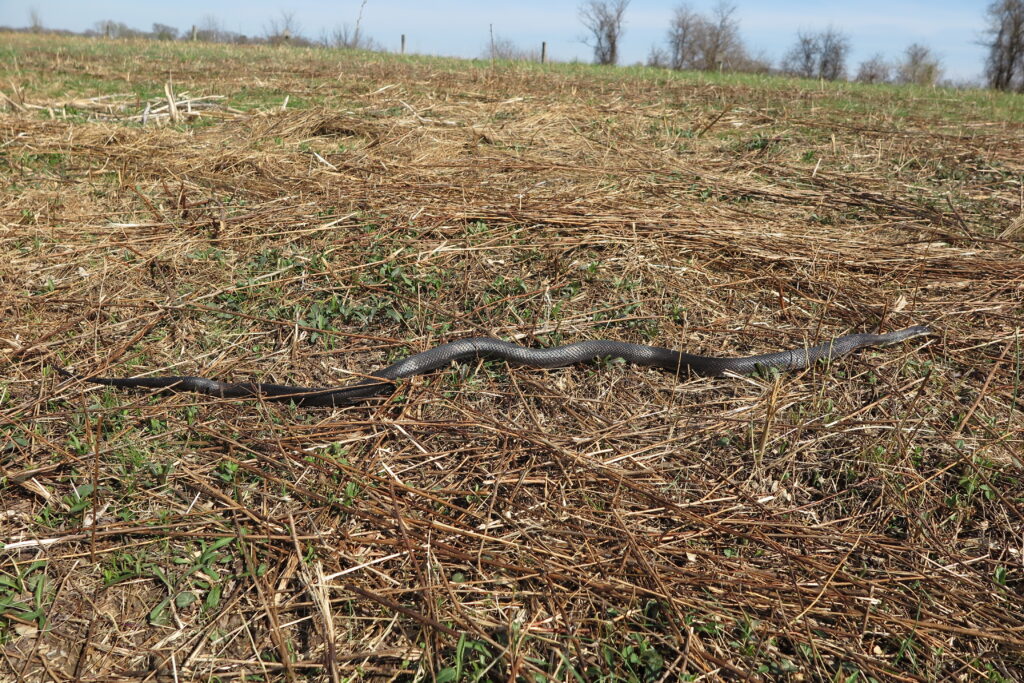
The species is especially common in mixed landscapes where forests transition into open clearings or agricultural areas. These transitional zones create layered environments containing both shelter and open movement corridors. Black Rat Snakes often appear most abundant in regions where multiple environmental features overlap naturally.
Compared to the Timber Rattlesnake, the Black Rat Snake occupies a wider variety of environments and tolerates human-modified areas more readily. Timber Rattlesnakes are generally more restricted to remote rocky forests and less disturbed habitats, while Black Rat Snakes frequently remain successful near farms and residential woodland edges.
Although adaptable, the species still depends heavily on environmental complexity. Areas containing fallen logs, tree cover, rock formations, and thick vegetation provide the structure necessary for shelter and protection. Vast open fields or heavily urbanized city centers with little natural cover generally support fewer individuals.
Black Rat Snakes are also strongly associated with regions containing vertical structure such as trees, fences, stone walls, and rocky slopes. Their climbing ability allows them to use portions of the environment unavailable to many ground-focused snakes. This expanded environmental access contributes significantly to their adaptability.
The species remains widespread throughout both lowland and mountainous regions. Forested valleys, rocky ridges, and wooded hillsides often support healthy populations if cover remains available year-round. Their ability to occupy varied elevations further expands their overall geographic success.
Even within heavily developed regions, patches of connected woodland and vegetation corridors may continue supporting Black Rat Snakes. This tolerance for fragmented landscapes helps explain why the species remains common throughout much of its range despite ongoing environmental changes.
Black Rat Snake Habitat Types and Preferred Living Areas
Deciduous forests represent one of the Black Rat Snake’s most important habitat categories. Woodland environments provide fallen logs, leaf litter, hollow trees, and shaded ground cover that support shelter and concealment throughout the year. Mature forests also create layered terrain suitable for climbing and movement.
Rocky hillsides and outcrops are another highly important habitat type. Cracks between rocks and deep crevices provide stable shelter during extreme temperatures and winter brumation periods. These rocky environments often support long-term denning areas used repeatedly over multiple seasons.
Agricultural landscapes can also provide excellent habitat conditions when natural cover remains nearby. Barns, abandoned structures, hay storage areas, and stone walls create sheltered environments connected to open land. Rural farmland edges frequently support strong Black Rat Snake populations because they combine cover with movement corridors.
Wetland margins and streamside forests occasionally support the species as well. Dense vegetation near water sources creates cooler microhabitats and stable environmental structure. Black Rat Snakes are not aquatic snakes, but moist woodland edges and riparian zones often remain suitable parts of their range.
Suburban woodlots and residential edge habitats have become increasingly important in some regions. Gardens, brush piles, retaining walls, and wooded backyard edges can support individuals surprisingly close to human activity. Their ability to remain hidden allows them to occupy these environments quietly and effectively.
The species often favors edge habitats rather than deep isolated forest interiors alone. Woodland boundaries where forests meet open spaces create excellent environmental variety and movement opportunities. These transition zones also provide increased sunlight exposure and structural diversity.
Abandoned buildings and aging rural structures may occasionally function as seasonal shelter sites. Crumbling foundations, wood piles, and loose debris create hidden spaces resembling natural rock crevices or fallen timber. Black Rat Snakes frequently take advantage of these environments where natural cover and warmth overlap.
Environmental Conditions That Support Black Rat Snake Populations
Black Rat Snakes thrive in temperate climates with warm summers and cool seasonal winters. These conditions support the environmental cycles necessary for basking, sheltering, and seasonal brumation. Much of the eastern United States provides ideal climate conditions for the species throughout the year.
Moderate humidity and stable precipitation help maintain healthy woodland ecosystems where Black Rat Snakes are commonly found. Moist leaf litter, decaying logs, and shaded forest floors create cooler ground-level environments during warmer months. These conditions also support vegetation density and long-term habitat stability.
Seasonal temperature variation plays an important role in shaping habitat use. During summer, snakes often utilize sunlit surfaces such as rocks, logs, and forest openings for warmth. In winter, they retreat into insulated crevices and underground spaces where temperatures remain more stable.
Rock formations and uneven terrain provide especially valuable environmental structure. Large stone piles, cliffs, and fractured hillsides create hidden chambers protected from weather extremes. These spaces function almost like natural underground shelters built directly into the landscape.
Vegetation density strongly influences habitat quality as well. Thick shrubs, woodland understory growth, and fallen debris provide concealment while reducing exposure to predators. Forests with layered vegetation structure often support healthier populations than sparse open woodlands.
The species also tolerates colder climates better than many reptiles due to its ability to locate insulated overwintering areas. Snow cover can even provide additional insulation above underground shelters during harsh winters. This adaptation allows Black Rat Snakes to remain successful farther north than some other large snakes.
Environmental structure supporting Black Rat Snakes can be compared to a natural maze of interconnected shelter systems. Fallen trees, rocks, brush piles, and crevices create countless pathways and hiding places throughout the terrain. These layered conditions provide the protection, temperature stability, and environmental complexity the species depends upon across its range.
Popular Searches About Black Rat Snakes
Explore Black Rat Snake Guide
Explore More Wildlife

Support Encounters World
Help support wildlife photography and get behind the scenes discoveries on Patreon.