Red-Bellied Piranha Behavior Guide: Social Groups, Activity Patterns, and Survival Instincts
Quick Facts
Activity Type: Primarily Diurnal with Periods of Increased Dawn and Dusk Activity
Social Structure: Schooling Fish
Territorial Behavior: Moderate During Breeding Periods
Movement Style: Coordinated Swimming with Quick Bursts of Speed
Communication Method: Body Positioning, Water Vibrations, and Sound Production
Defense Strategy: Schooling Behavior and Rapid Escape Responses
Red-Bellied Piranha Behavior in South American Rivers
The red-bellied piranha is one of the most recognized freshwater fish in South America, yet much of its natural behavior remains misunderstood. Native to the Amazon Basin, Orinoco River system, and Paraguay-Paraná watershed, this species spends its life navigating some of the world’s largest freshwater ecosystems. Observing wild piranhas reveals a fish that is often cautious, alert, and highly responsive to its surroundings.
Across its range, red-bellied piranhas inhabit waterways filled with countless other aquatic species. These environments are constantly changing due to seasonal flooding, shifting water levels, and varying environmental conditions. As a result, the fish has developed behavioral traits that allow it to remain adaptable in a dynamic world.
Rather than behaving as relentless predators as often portrayed in films, red-bellied piranhas typically spend much of their time maintaining awareness of nearby activity. They frequently monitor movement, changes in water conditions, and the behavior of neighboring fish. This constant attentiveness helps them react quickly whenever conditions change.
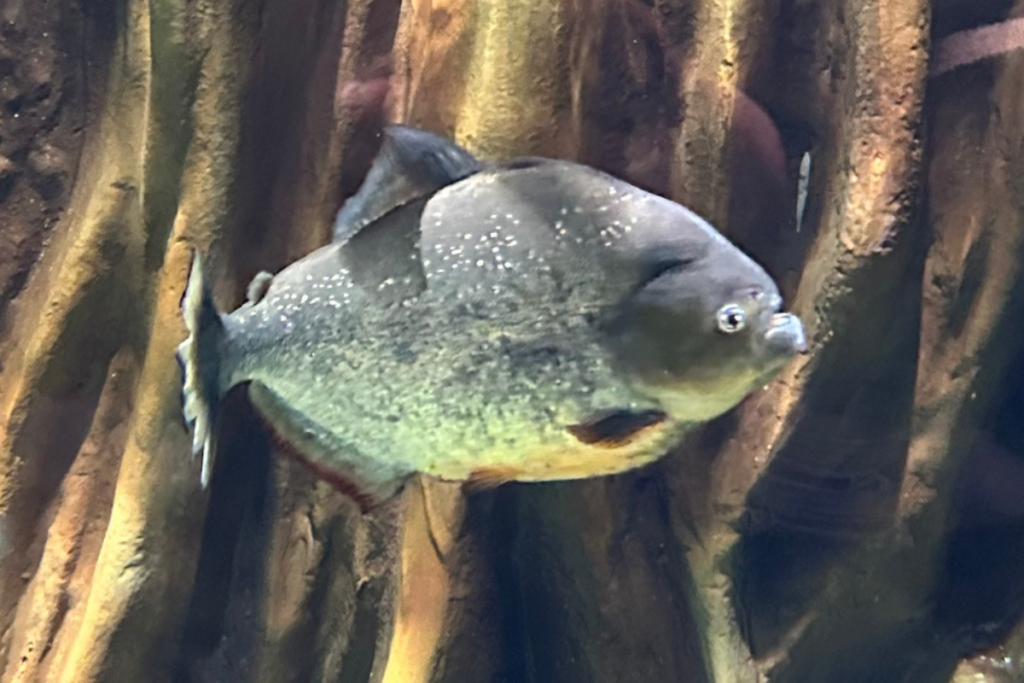
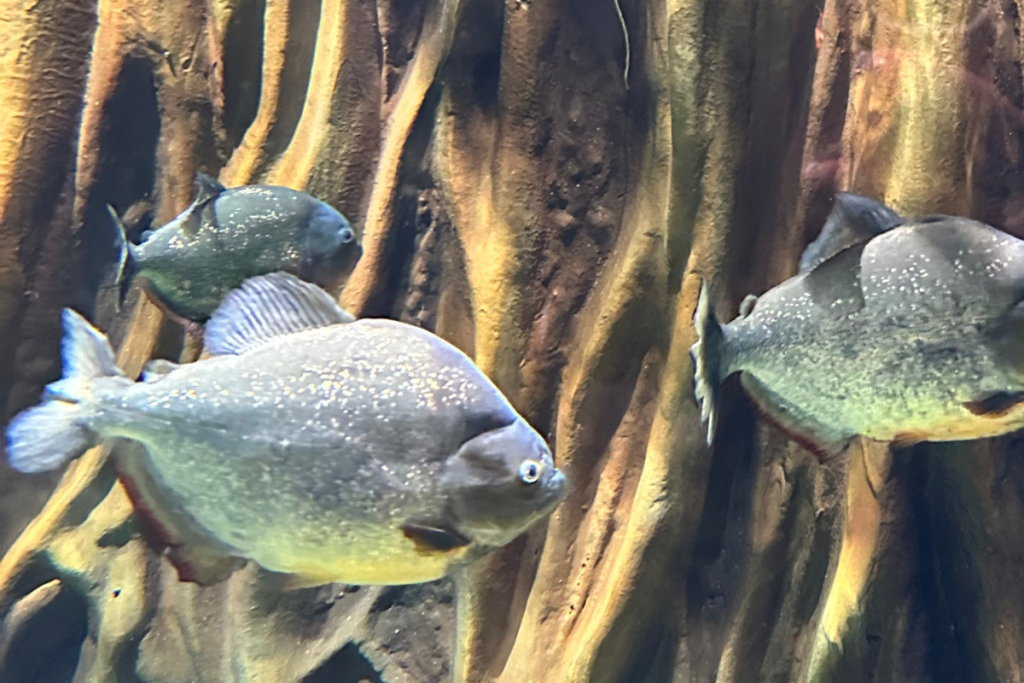
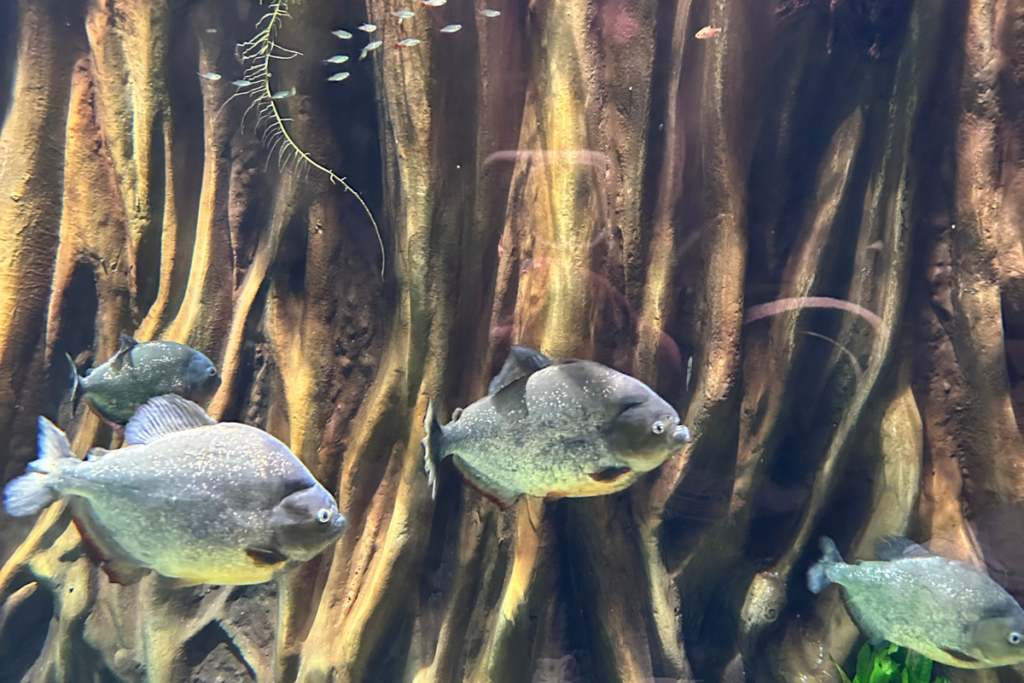
When viewed in natural settings, groups of red-bellied piranhas often appear calm and organized. Individuals may remain close to one another while moving through open water, creating a coordinated appearance that resembles a synchronized team. This collective behavior is one of the defining characteristics of the species and contributes significantly to its success throughout South America.
Red-Bellied Piranha Behavioral Tendencies and Daily Conduct
The overall behavior of the red-bellied piranha is best described as observant and responsive. These fish rarely appear completely relaxed, instead maintaining a level of awareness that allows them to react rapidly when necessary. Even during periods of inactivity, they remain attentive to movement and disturbances in the surrounding water.
Schooling behavior plays a major role in how individuals conduct themselves. Fish within a group often adjust their position in relation to nearby members, creating a constantly shifting formation. This coordinated arrangement can appear similar to a flock of birds changing direction together, with each individual responding to subtle cues from others.
When undisturbed, red-bellied piranhas often display surprisingly calm behavior. They may cruise slowly through the water while maintaining spacing within the group. Their movements are usually deliberate rather than frantic, creating an impression of controlled confidence rather than constant aggression.
The species is highly adaptable and capable of adjusting behavior based on changing conditions. During periods of increased activity around them, individuals may become more alert and responsive. In quieter situations, they often conserve energy while continuing to monitor their environment.
This balance between caution and confidence helps explain why the species has successfully occupied such a large geographic range. Rather than relying on a single behavioral strategy, red-bellied piranhas can modify their responses according to circumstances. Their flexibility allows them to function effectively in a wide variety of freshwater environments.
Red-Bellied Piranha Movement and Activity Patterns
Red-bellied piranhas are active swimmers capable of both slow cruising and sudden acceleration. Most routine movement involves steady, controlled swimming that allows individuals to remain with their group while minimizing unnecessary energy expenditure. This efficient style of movement helps them navigate large freshwater systems without constant exertion.
When conditions require a rapid response, however, the fish can produce remarkably quick bursts of speed. These sudden accelerations occur almost instantly and can appear similar to the rapid movement of a startled flock of birds taking flight. The transition from calm swimming to explosive motion is one of the species’ most impressive physical capabilities.
Activity levels often increase during the cooler periods of morning and evening. During these times, fish may become more mobile and cover greater distances than during the brightest portions of the day. This pattern allows them to remain active while avoiding some of the environmental stresses associated with intense sunlight and heat.
Seasonal changes also influence movement patterns. During annual flooding events, waterways expand dramatically and create new areas for exploration. Fish may travel through these temporary aquatic corridors, taking advantage of opportunities created by changing water levels.
Within schools, movement often appears remarkably coordinated. A shift in direction by several fish can quickly influence the entire group, producing smooth directional changes that occur almost simultaneously. The result resembles a synchronized dance in which dozens of individuals move together as though responding to a shared signal.
Red-Bellied Piranha Social Interactions and Survival Responses
Social behavior is one of the most important aspects of red-bellied piranha survival. Individuals frequently remain within groups, and this collective structure provides advantages that a solitary fish would not possess. By remaining together, members gain increased awareness of potential dangers and benefit from the vigilance of multiple individuals.
When confronted with sudden disturbances, red-bellied piranhas often rely on rapid group reactions. Instead of each fish responding independently, schools may shift direction almost instantly. This coordinated response can create confusion for threats while helping individual fish avoid becoming isolated.
Defensive behavior generally focuses on avoidance rather than confrontation. If a large predator enters the area or an unexpected disturbance occurs, fish typically attempt to create distance from the source of danger. Quick acceleration combined with coordinated movement allows the group to respond efficiently under stressful conditions.
Communication within the school occurs through a combination of body positioning, movement cues, and water vibrations. Subtle changes in direction or speed by one fish can influence nearby individuals. This continuous exchange of information helps maintain group cohesion even in environments where visibility may be limited.
A useful example of their survival instincts can be observed when a sudden disturbance enters the water. Rather than scattering randomly, many individuals react as part of a coordinated unit. This organized response demonstrates how social structure, awareness, and communication work together to improve survival. Through these interactions, the red-bellied piranha has developed a behavioral system that allows it to thrive within some of South America’s most complex freshwater ecosystems.
Popular Searches About Red-Bellied Piranha
Explore Red-Bellied Piranha Guide
Explore More Exhibits

Support Encounters World
Help support wildlife photography and get behind the scenes discoveries on Patreon.