Red-Bellied Piranha Diet Guide: Food Sources, Feeding Habits, and Hunting Adaptations
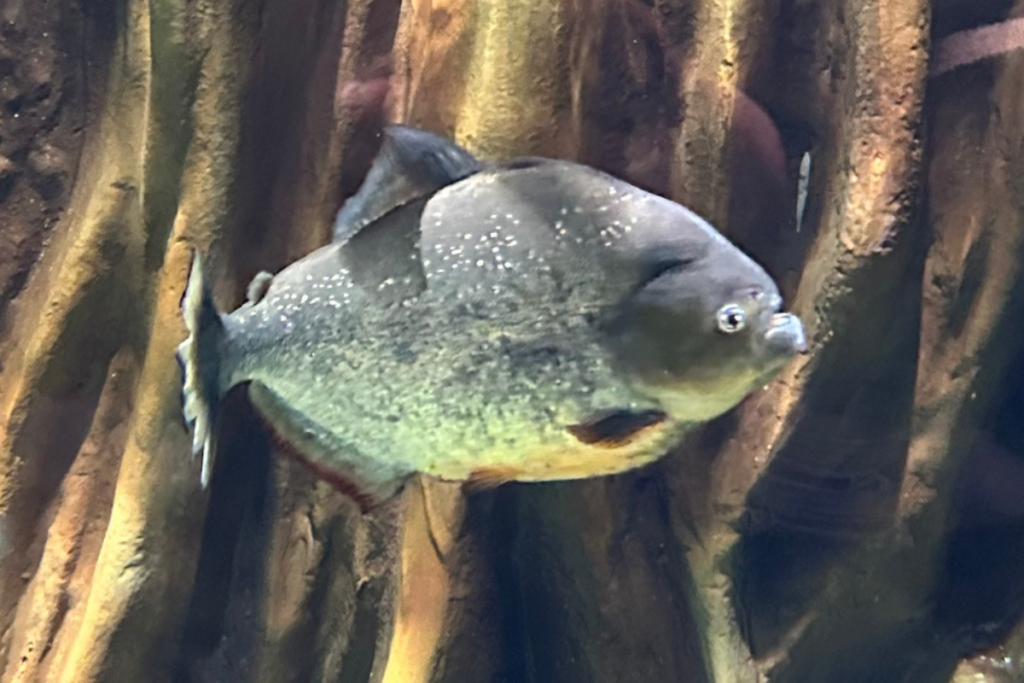
Quick Facts
Diet Type: Omnivore with Carnivorous Tendencies
Main Food Sources: Fish, Insects, Crustaceans, Fruits, Seeds, and Organic Matter
Feeding Time: Most Active During Morning and Evening Periods
Foraging Method: Opportunistic Feeding and Active Searching
Seasonal Diet Changes: Yes, Varies with Flooding Cycles and Food Availability
Predatory Adaptations: Powerful Jaws, Sharp Interlocking Teeth, Keen Senses
Red-Bellied Piranha Feeding Habits in South American Waters
The red-bellied piranha is one of South America’s most famous freshwater fish, occupying river systems that stretch across the Amazon Basin, Orinoco watershed, and Paraguay-Paraná drainage. Within these vast aquatic environments, food availability changes throughout the year as water levels rise and fall. As a result, the species has developed a feeding strategy that allows it to take advantage of a wide range of food opportunities.
Unlike animals that depend on a single food source, red-bellied piranhas live in ecosystems where resources can vary significantly between seasons. Rivers may expand into surrounding landscapes during floods and then retreat months later, altering the availability of aquatic and terrestrial food items. This constantly changing environment rewards flexibility rather than strict specialization.
Food plays a central role in the survival of every aquatic species inhabiting South America’s freshwater systems. For red-bellied piranhas, obtaining enough energy requires taking advantage of whatever suitable resources become available. This approach allows populations to persist across a large geographic range despite differences between river systems.
Although often portrayed as relentless hunters, red-bellied piranhas exhibit a far more complex relationship with food than many people realize. Their feeding habits reflect the realities of living in dynamic tropical waterways where opportunity can be just as important as pursuit. Understanding their diet reveals a highly adaptable fish rather than the one-dimensional predator often depicted in popular culture.
Red-Bellied Piranha Diet Overview and Feeding Flexibility
The red-bellied piranha is best classified as an omnivore with strong carnivorous tendencies. While animal-based foods make up a significant portion of its diet, the species also consumes plant material when available. This flexibility allows it to utilize a broader range of resources than many strictly carnivorous fish.
Compared with highly specialized predators that focus on a narrow selection of prey, red-bellied piranhas demonstrate considerable dietary adaptability. They do not rely exclusively on one food source throughout their lives. Instead, they adjust feeding habits according to local conditions, seasonal availability, and changing environmental circumstances.
Diet composition can vary noticeably between different river systems. Populations inhabiting one watershed may consume a somewhat different mix of foods than those living elsewhere. Despite these regional differences, the overall feeding strategy remains centered on taking advantage of diverse food opportunities whenever they arise.
Young individuals often consume different proportions of food types than fully grown adults. As fish increase in size, their feeding capabilities expand and allow access to a wider range of resources. This gradual shift is common among freshwater fish and contributes to changes in dietary composition throughout life.
This broad feeding strategy has helped the red-bellied piranha thrive across a vast section of South America. While some species struggle when a preferred food becomes scarce, red-bellied piranhas can often adjust by utilizing alternative resources. Such flexibility contributes significantly to their ecological success and widespread distribution.
Red-Bellied Piranha Natural Food Sources in the Wild
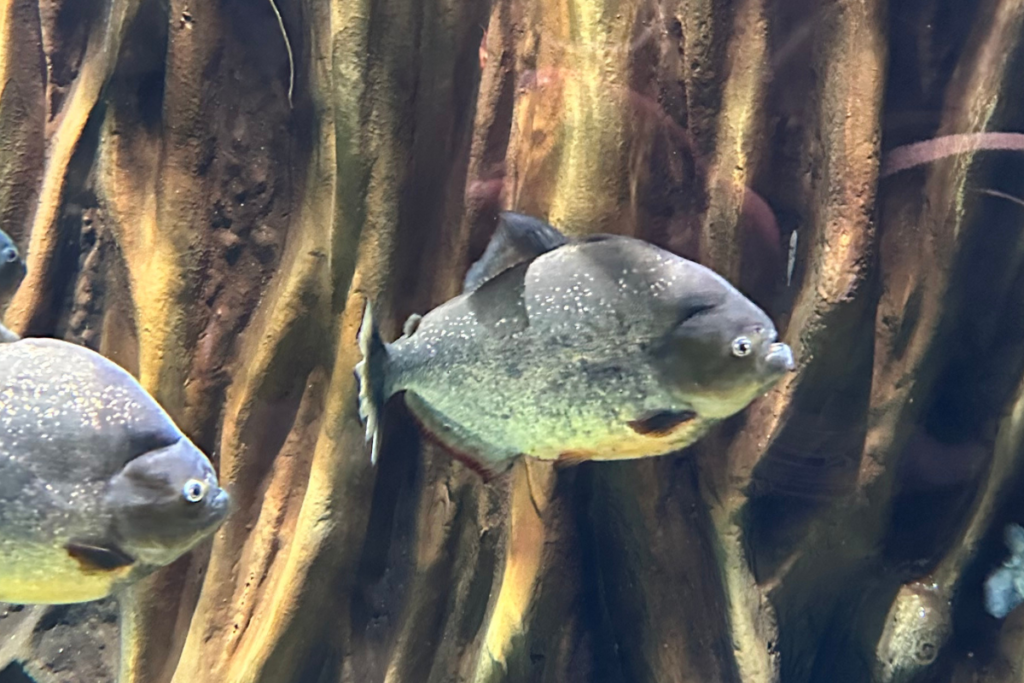
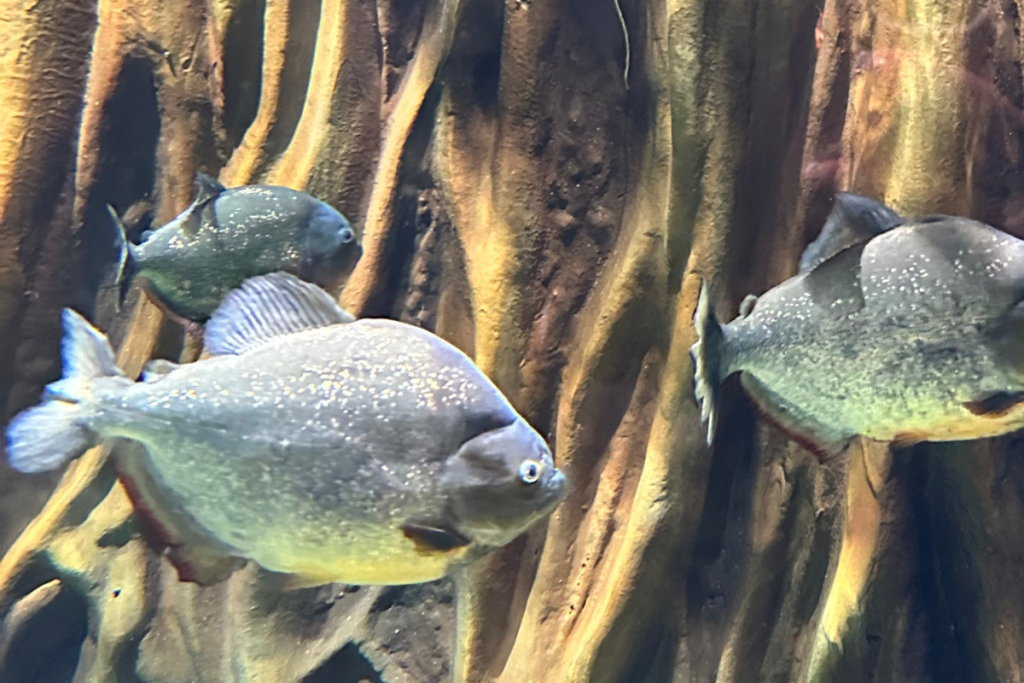
Fish represent one of the most important food sources consumed by red-bellied piranhas. Small fish, injured individuals, and vulnerable aquatic animals can all become part of the diet. These food sources provide concentrated energy and nutrients that support growth and survival throughout the year.
Aquatic insects also contribute significantly to the diet, particularly among younger piranhas. Insect larvae, water-dwelling insects, and other small invertebrates are commonly available within tropical freshwater ecosystems. These prey items are abundant and provide an accessible food source during early stages of life.
Crustaceans such as freshwater shrimp and other small aquatic invertebrates may also be consumed when encountered. These animals supply additional protein and nutrients while increasing dietary diversity. In many tropical waterways, crustaceans represent a dependable food source throughout much of the year.
Plant material forms another important component of the species’ diet. Fruits, seeds, and other organic matter often enter rivers from surrounding vegetation, especially during seasonal flooding. Tropical forests bordering waterways act almost like natural food conveyors, dropping plant material into the water where it becomes available to aquatic wildlife.
Diet composition may shift according to age, location, and seasonal conditions. During flood periods, access to fruits and seeds can increase dramatically as water reaches forested areas. In contrast, other food sources may become more important during lower-water conditions. This variation allows red-bellied piranhas to take advantage of the changing resources available throughout their environment.
Red-Bellied Piranha Feeding Behavior and Survival Strategies
The red-bellied piranha relies on a combination of sensory awareness and opportunistic feeding behavior to locate food. Vision, water vibrations, and environmental cues help individuals detect potential feeding opportunities. These senses allow them to respond quickly when food becomes available.
Powerful jaws and sharp interlocking teeth are among the species’ most important feeding adaptations. Rather than functioning like the pointed teeth of many predatory fish, piranha teeth form a cutting surface similar to a row of miniature shears. This unique design allows efficient processing of a variety of food sources.
Competition can occur when multiple individuals encounter the same feeding opportunity. In such situations, fish may gather rapidly and take advantage of resources before they disappear. This response is not unique to piranhas and is seen in many aquatic species where food availability can be unpredictable.
When resources become limited, adaptability becomes one of the species’ greatest strengths. Instead of depending entirely on a single food type, red-bellied piranhas can shift toward alternative resources that remain available. This flexibility helps maintain survival during periods when preferred foods are less common.
A practical example of this adaptability occurs during seasonal environmental changes. As water levels alter the availability of different food sources, red-bellied piranhas adjust their feeding focus accordingly. Combined with their specialized teeth, strong jaws, and opportunistic nature, this ability to exploit changing conditions has made them one of the most successful freshwater fish in South America.
Popular Searches About Red-Bellied Piranha
Explore Red-Bellied Piranha Guide
Explore More Exhibits

Support Encounters World
Help support wildlife photography and get behind the scenes discoveries on Patreon.